From Spectator to Spectacle: Choreographing the Crowd in Sports Entertainment
The Architecture of the Roar
For generations, the architecture of excitement in a sports stadium was built from two primary elements: the action on the field and the roar of the crowd. The spectacle was a contained phenomenon, a drama played out for a sea of passive observers. The grandstand was a receptacle for emotion, not an active participant in the show. But the playbook is changing. The modern half-time show, the pre-game ceremony, and the championship celebration are no longer confined to the turf. A new school of thought is emerging, one that sees the audience not just as spectators, but as the spectacle itself.
This evolution is driven by a demand for ever-more-engaging fan experiences. In a world saturated with entertainment options, major sports leagues, teams, and governing bodies from the Davis Cup to the FIFA World Cup are seeking technologies that create indelible memories and deepen fan loyalty. The goal is to transform a live sporting event from something you simply watch into something you are a part of. The answer lies in choreographing the crowd, turning the entire stadium into a single, dynamic, and responsive canvas of light.
The Stadium as a Living Canvas
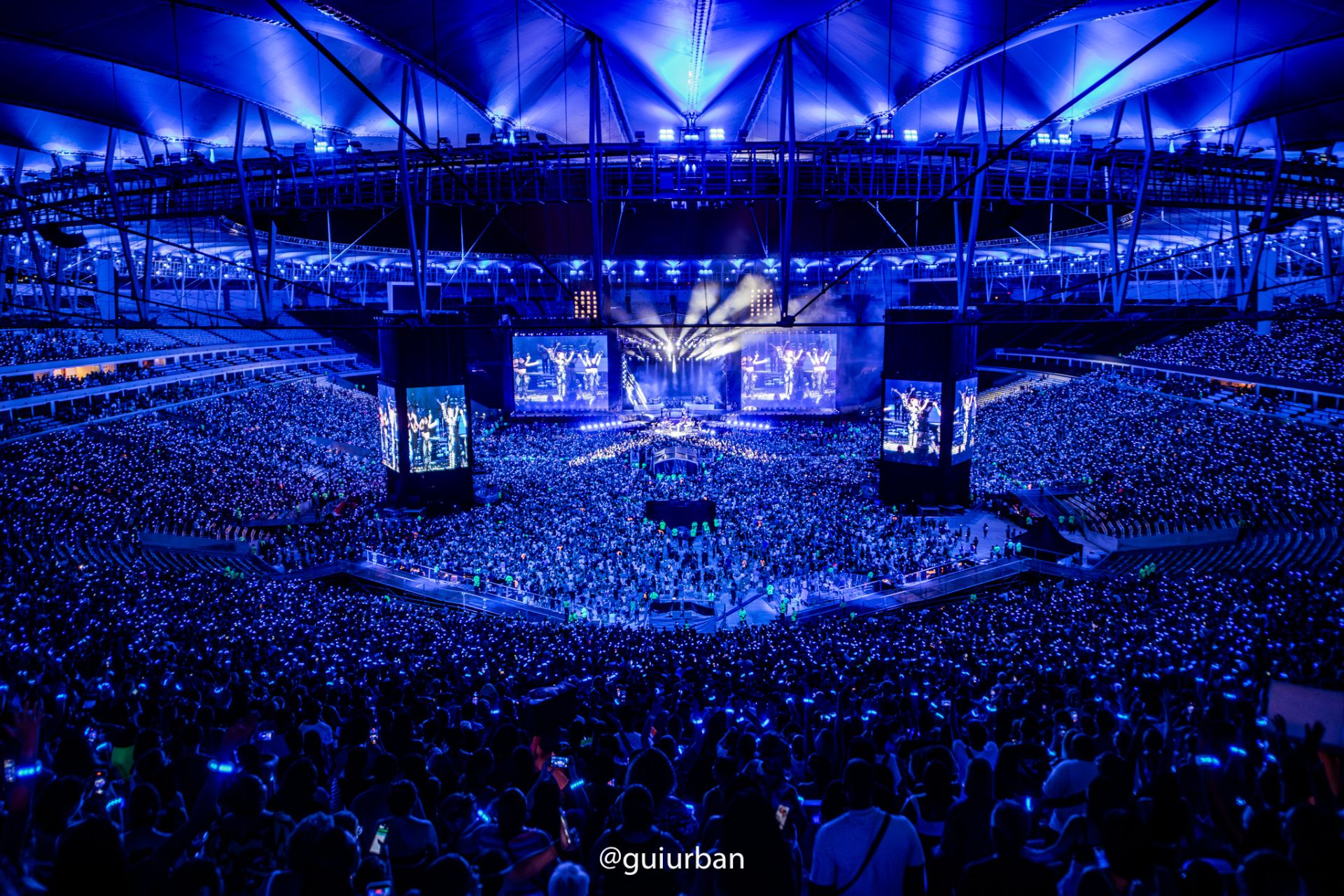
Imagine a stadium plunged into darkness between plays or during a half-time performance. Then, on a cue, tens of thousands of points of light burst to life—not randomly, but in perfect, synchronized harmony. This is the power of modern immersive event technology. Using platforms like Xylobands, show designers can now treat the audience as a three-dimensional display, a living, breathing array of pixels that can be controlled in real time.
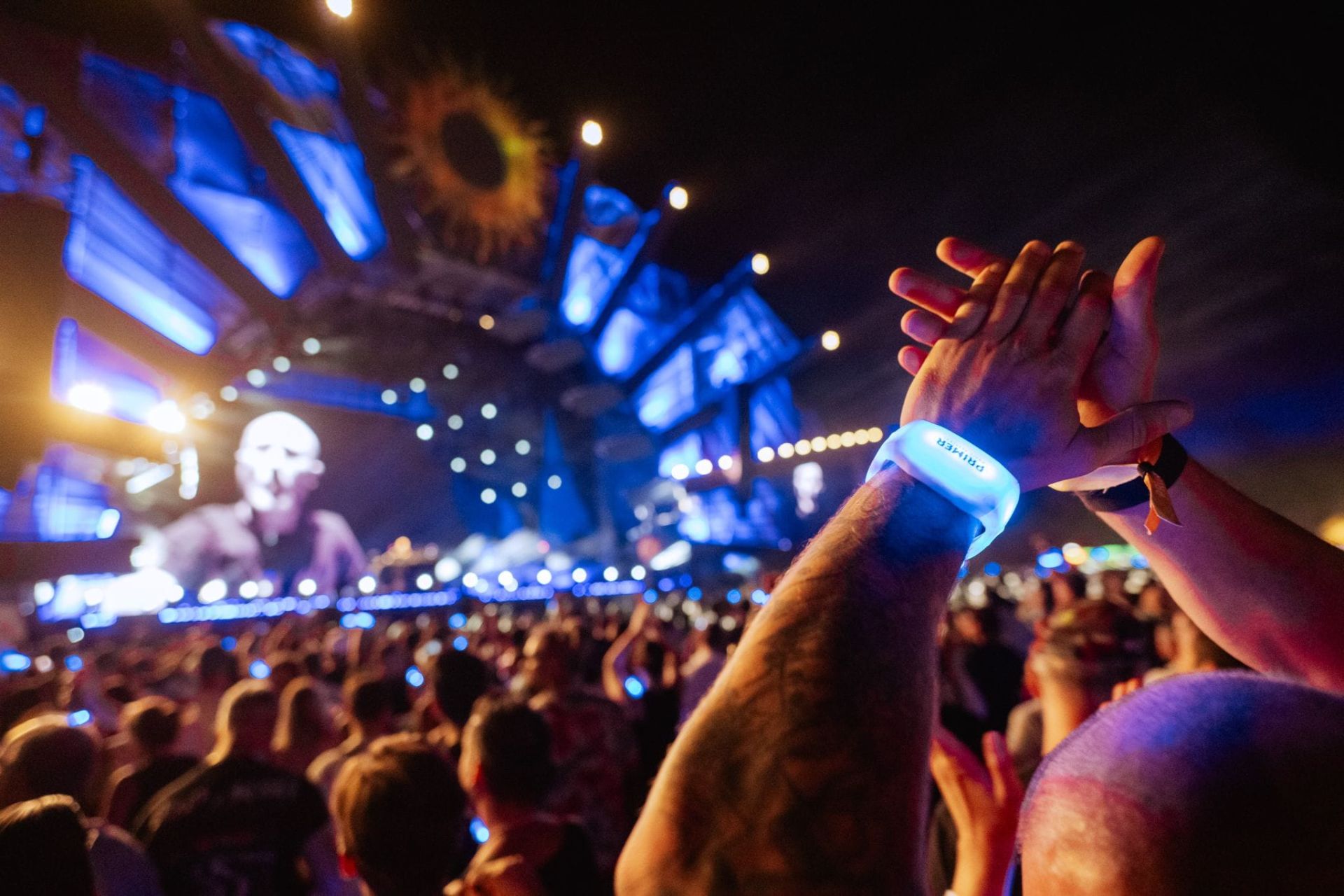
Our radio controlled LED wristbands and other LED wearables allow every single fan to become an integral component of the show’s design. Through robust RF (Radio Frequency) control, a central operator can send signals that trigger complex sequences, spelling out team names, creating pulsating waves of color, or mirroring the pyrotechnics on the field. This transforms the static seating bowl into a fluid and electrifying extension of the main event’s choreography.
Case Study in Crowd Choreography: Formula One
The recent 75th-anniversary celebration for Formula One at The O2 Arena in London is a powerful example of this principle in action. The event, a live broadcast featuring all 10 teams and 20 drivers, demanded a new level of audience integration. Instead of a one-size-fits-all approach, we produced custom LED Lanyards—our Xylo Pendants—with multiple branding options for each team, hospitality level, and general admission section.
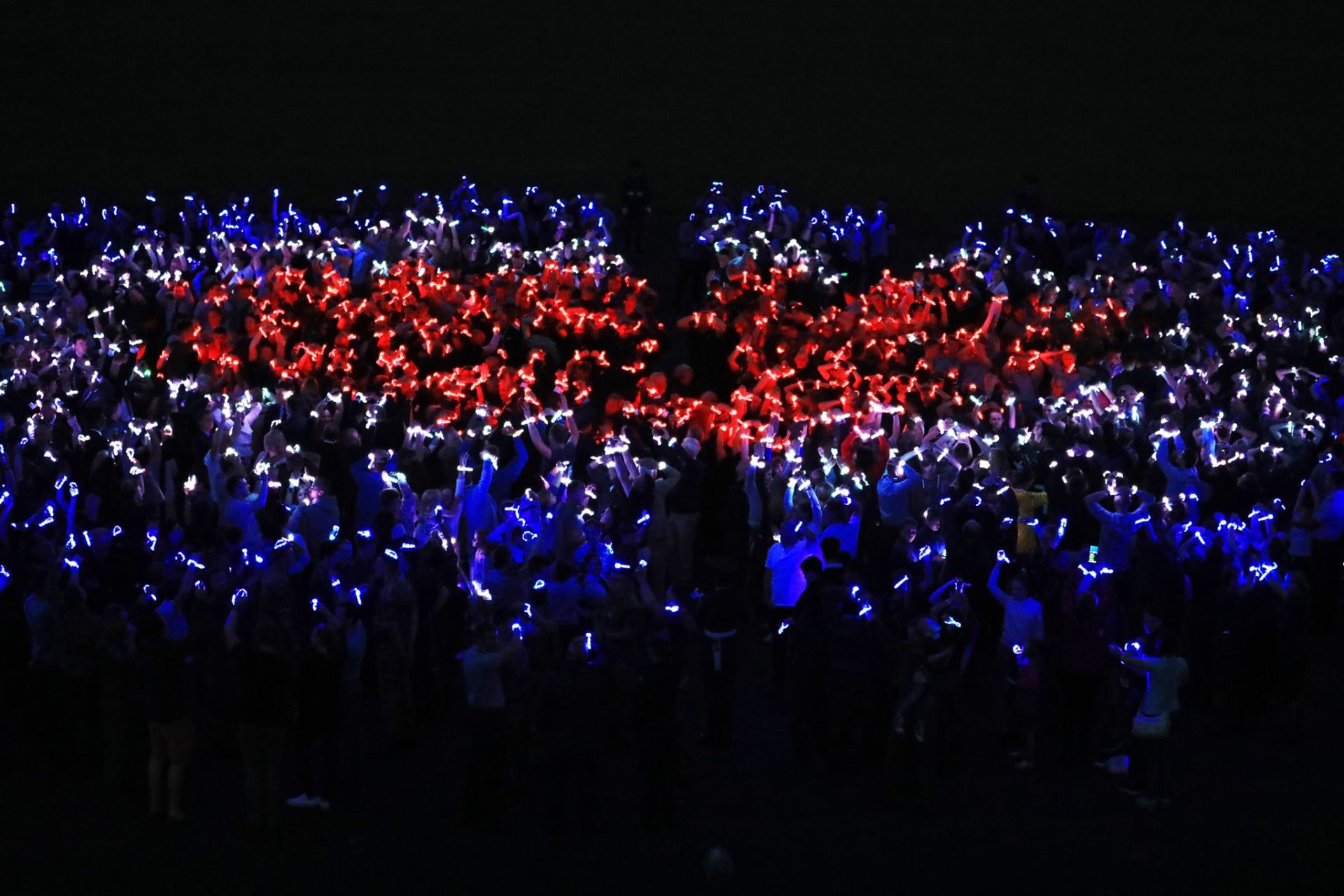
Our technical team meticulously positioned these pendants throughout the arena based on a creative blueprint. This allowed the show’s lighting designers to "play" the audience like an instrument. They could isolate fans of a specific team with a blaze of color, create sweeping gradients across different seating tiers, or unify the entire arena in a single, powerful pulse of light. This wasn’t just an effect; it was targeted, meaningful choreography that turned the crowd into a storytelling device, enhancing the narrative of team rivalry and fan passion. It was one of the most compelling LED crowd experiences ever deployed in a broadcast environment.
The Technical Execution Behind the Spectacle
Turning an entire stadium of fans into a synchronized light show is a feat of both creative vision and technical precision. The challenge is immense: designing a system that can reliably transmit signals to tens of thousands of individual devices in a dense, steel-and-concrete environment notorious for RF interference.
The process begins long before the gates open. It involves meticulous planning and collaboration between our technical directors and the event’s creative team. The stadium is mapped, zones are created, and the LED bands are pre-programmed to respond to specific commands. On show day, a dedicated operator cues the lighting effects, synchronizing the crowd’s illumination with the music, video, and on-field action with millisecond accuracy. Whether triggered by a touchdown, a checkered flag, or the crescendo of a live music performance, the effect is a powerful amplification of the moment’s emotional weight.
This fusion of technology and artistry opens up a new world of possibilities. It’s no longer just about the half-time show. Think of the electric player introductions for the Chicago Blackhawks, or the stadium-wide celebration following a crucial goal for Arsenal FC. Each key moment can be punctuated with a coordinated light display that unifies the home crowd in a shared, visceral experience.
The Future of Fan Engagement
The era of the passive spectator is drawing to a close. The technologies that power these immersive events are constantly evolving, promising even deeper levels of integration. The future will see wearable LED technology linked to real-time game stats, fan polling through mobile apps, and even biometric data, creating truly responsive and personalized experiences. The distinction between the game, the show, and the audience will continue to blur, forging a new, participatory model of sports entertainment.
Ultimately, these tools are about more than just light. They are about connection. By making the audience a visible, vibrant part of the spectacle, we dissolve the barriers between the individual and the collective, creating a profound sense of unity. The grandstand is no longer just a place to watch the story unfold. It’s where the most spectacular part of the story is now being written.