From Spectator to Stage: The New Festival Paradigm
From Spectator to Stage: The New Festival Paradigm
The festival ground is a space of transformation. For decades, its power was rooted in a simple exchange: artists perform, and audiences receive. The roar of the crowd, the sea of lighters during a ballad, the unified chant—these were the analog signals of engagement. But a profound shift is underway, a quiet revolution that has been building momentum and is now redefining the very architecture of the live experience. The modern festival-goer is no longer just a spectator; they are a participant, a collaborator, and in many ways, a part of the performance itself.
This evolution from passive observation to active participation hasn’t happened by chance. It’s the result of a confluence of creative vision and emergent immersive event technology. Production designers and artists are increasingly asking not just “How can we entertain the crowd?” but “How can we include the crowd?” This question opens up a new frontier of possibility, turning tens of thousands of individuals into a single, connected, and dynamic entity.
The Analog Audience: A History of Collective Experience
To appreciate the current trend, we must first understand its origins. The history of crowd participation is rich and varied. Think of the call-and-response chants that have echoed through stadiums for generations, the "wave" rippling through the stands, or the powerful simplicity of thousands of lighters held aloft during a classic encore. These were the original tools of mass engagement—simple, powerful, and driven entirely by human energy.
But these moments, as powerful as they were, were largely spontaneous and, from a production standpoint, uncontrollable. They were happy accidents of collective mood. The challenge for festival producers has always been how to harness that collective energy, how to weave it into the very fabric of the show, and how to make it a reliable, integral part of the artistic narrative.
The Digital Shift: Turning the Crowd into a Canvas
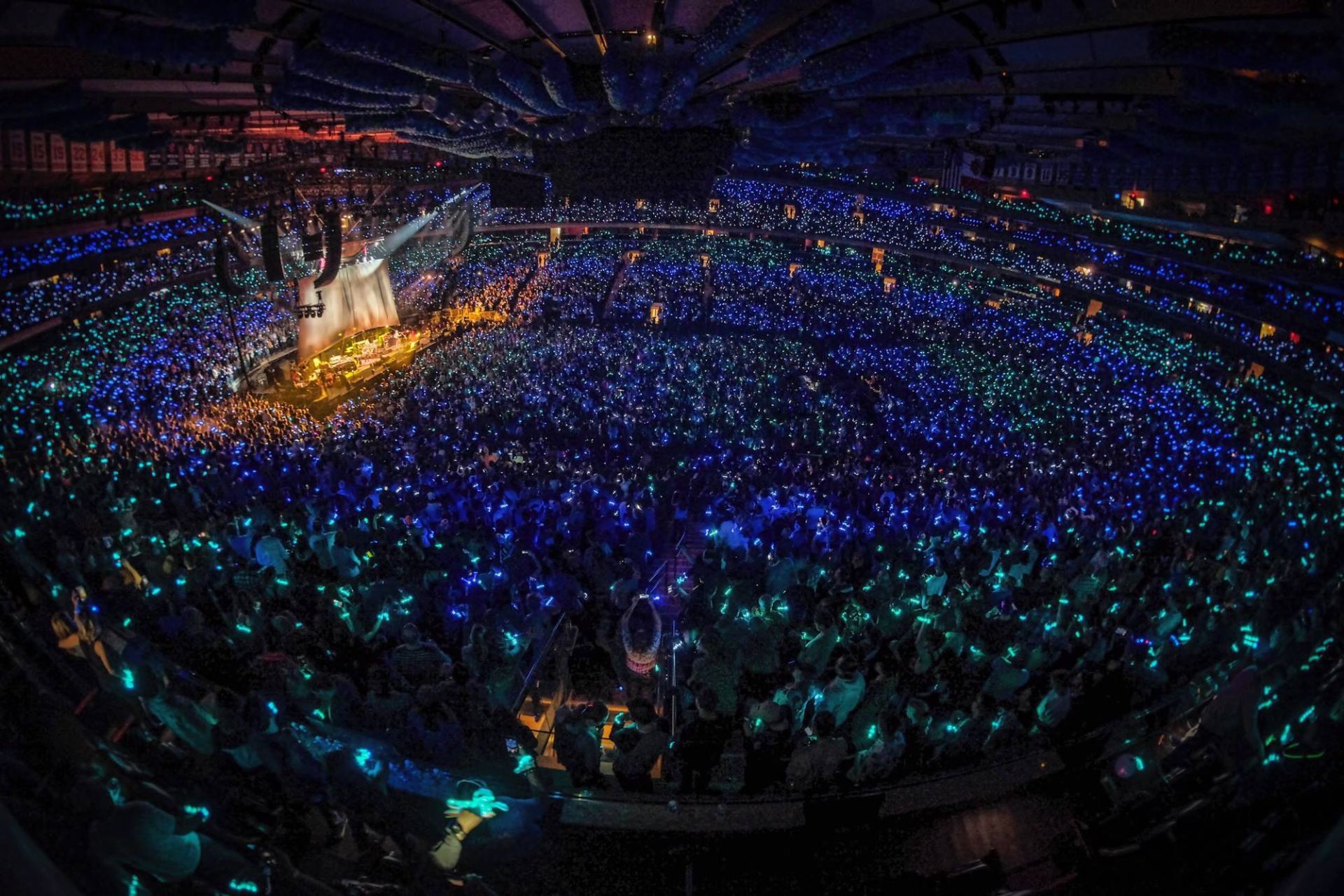
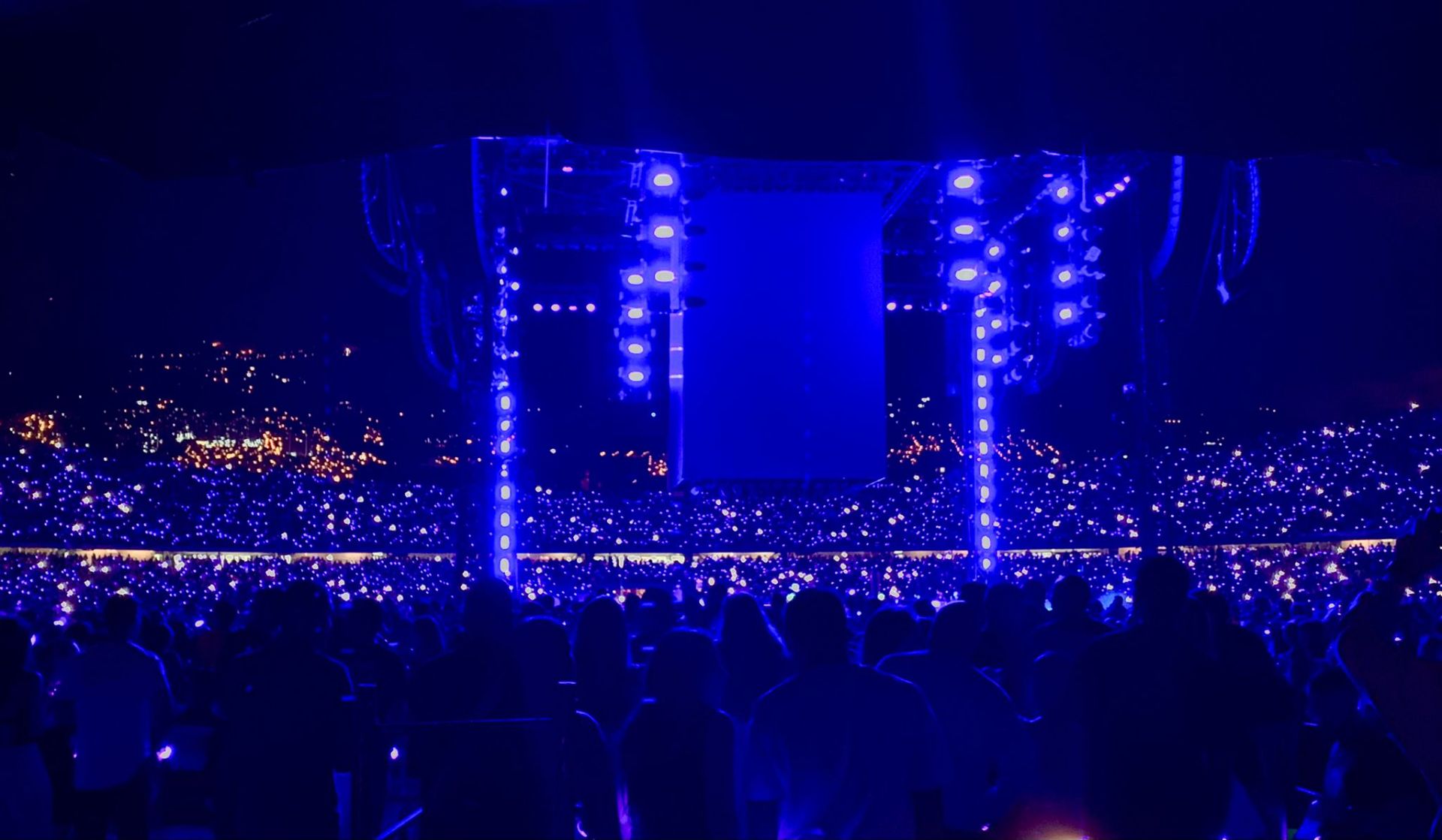
The advent of sophisticated, wirelessly controlled technology marked the turning point. Suddenly, the crowd was no longer just a collection of individuals but a programmable canvas. This is where tools like radio-controlled LED wristbands—famously pioneered with Coldplay and now a staple of immersive events worldwide—changed the game entirely.
With this technology, every audience member becomes a pixel in a vast, moving tableau. A lighting designer can now paint with strokes of light that flow through the entire venue, not just across the stage. Complex patterns, synchronized color changes, and sudden blackouts can be choreographed to match the emotional arc of a performance with pinpoint precision. This transforms the audience from a passive recipient of the light show into the light show itself.
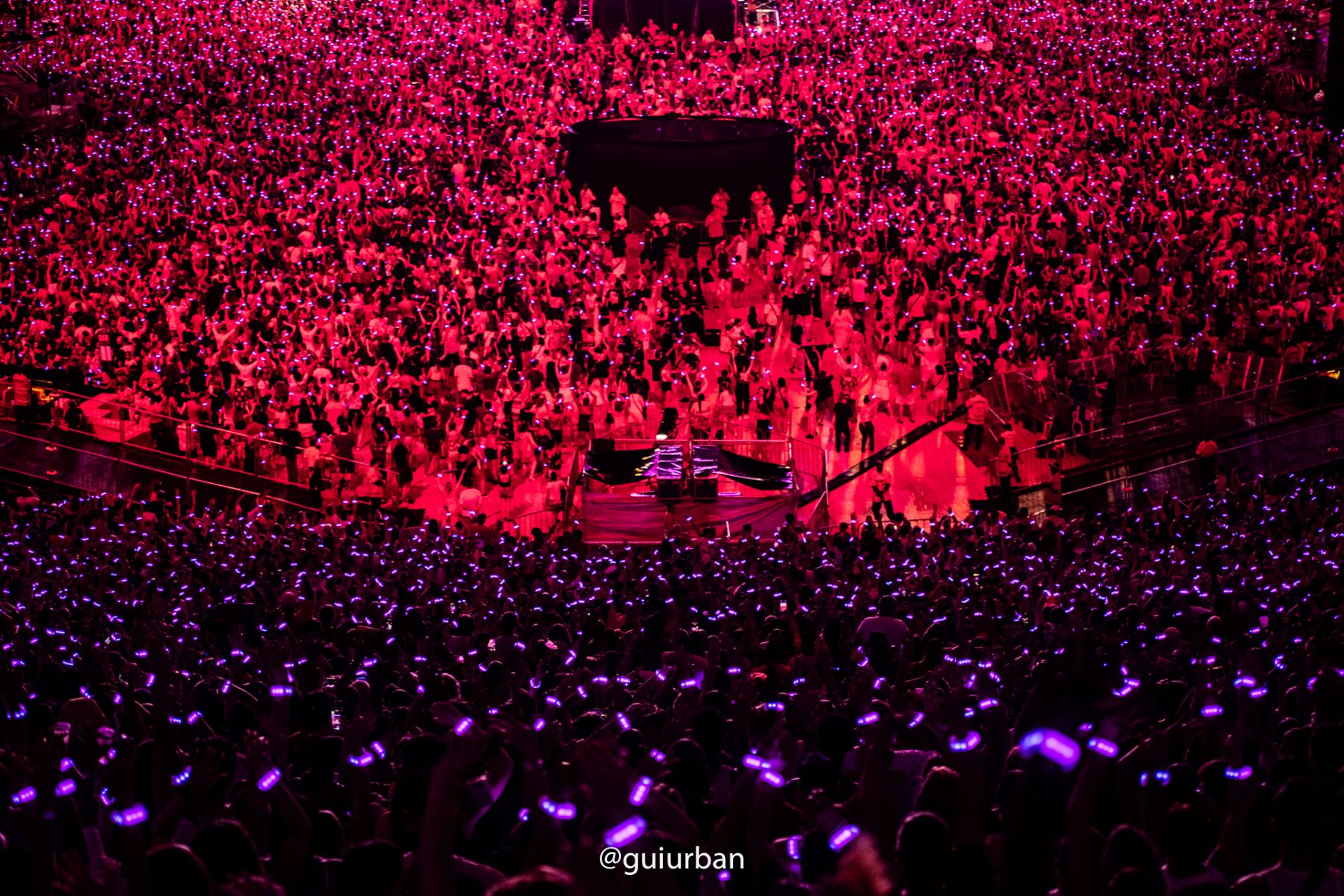
We’ve seen this to powerful effect at events like Greece’s PRIMER Music Festival, where thousands of attendees equipped with LED wristbands become part of the high-energy visuals, their lights pulsing in sync with the beats of international DJs. The effect is more than just visual; it’s deeply psychological. It fosters a powerful sense of unity and shared experience, making each person feel like an essential part of a larger spectacle.
Beyond the Wristband: The Expanding Toolkit of Immersion
While Xylobands were a catalyst, the trend toward immersive crowd participation continues to expand. The toolkit available to event producers is growing more diverse and sophisticated, incorporating various forms of wearable LED technology and interactive elements:
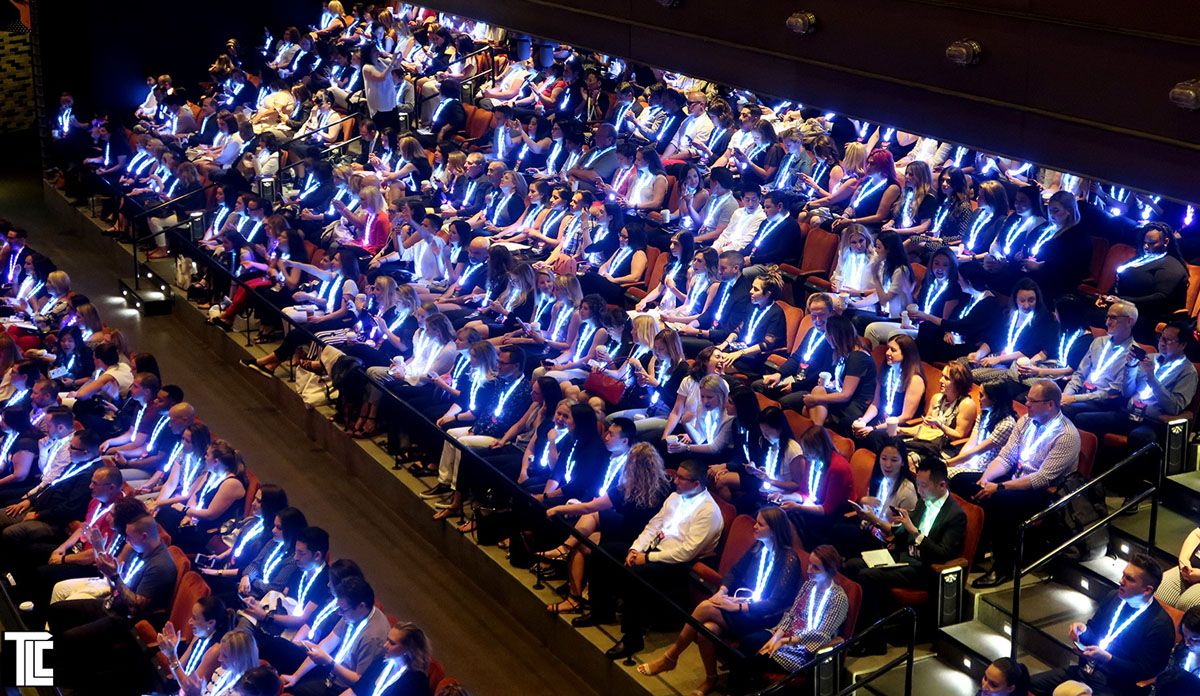
- LED Lanyards and Pendants: As seen at the Formula One 75th-anniversary celebration, custom-branded LED lanyards can create zones of light, delineating different fan groups or hospitality tiers and integrating them into the broadcast-ready spectacle.
- Interactive Installations: Modern festivals often feature large-scale art installations that respond to touch, movement, or even sound, inviting attendees to co-create their environment.
- Mobile Integration: While the "sea of phones" was once seen as a distraction, producers are now leveraging that technology, using event-specific apps to trigger phone flashes in sync, creating low-fi but effective crowd-lighting moments.
- LED Orbs and Inflatables: Large, illuminated objects passed through the crowd introduce a playful, kinetic element, turning the audience space into a dynamic, interactive playground.
These tools, when used effectively, do more than just dazzle. They empower the audience. They give them a role, a purpose beyond simply watching. This is the core of the new paradigm: the shift from a one-to-many broadcast model to a many-to-many collaborative experience.
The Future of Festival Participation: A Shared Narrative
Where is this trend heading? The future lies in deeper integration and more personalized interactions. As data processing becomes more powerful and sensor technology more refined, we can envision a future where the crowd’s collective energy—their movement, their volume, their physical location—directly influences the audio and visual output of the show in real-time. The crowd won’t just be responding to the music; the music and lights will be responding to the crowd.
Imagine a drop that intensifies based on the collective jump of the audience, or a light show that changes color based on the crowd’s vocal pitch. This is not science fiction; it is the logical next step in the evolution of immersive event technology.
For festival producers, tour managers, and creative directors, the lesson is clear: the audience is your greatest untapped asset. They are no longer the endpoint of the creative process but a vital, dynamic part of it. By embracing technologies and strategies that foster participation, we are not just creating better shows; we are building deeper connections, fostering stronger communities, and authoring a new, shared narrative for live events. The stage is no longer just a platform at the front of a field; it’s a concept that now extends to every single person in the crowd.