From Warehouse to World Stage: The Global Logistics of the Modern Light Show
The Final Moment is Months in the Making
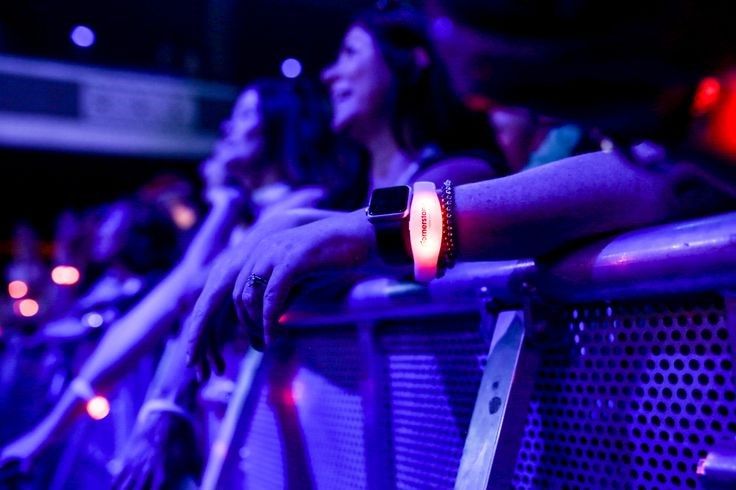
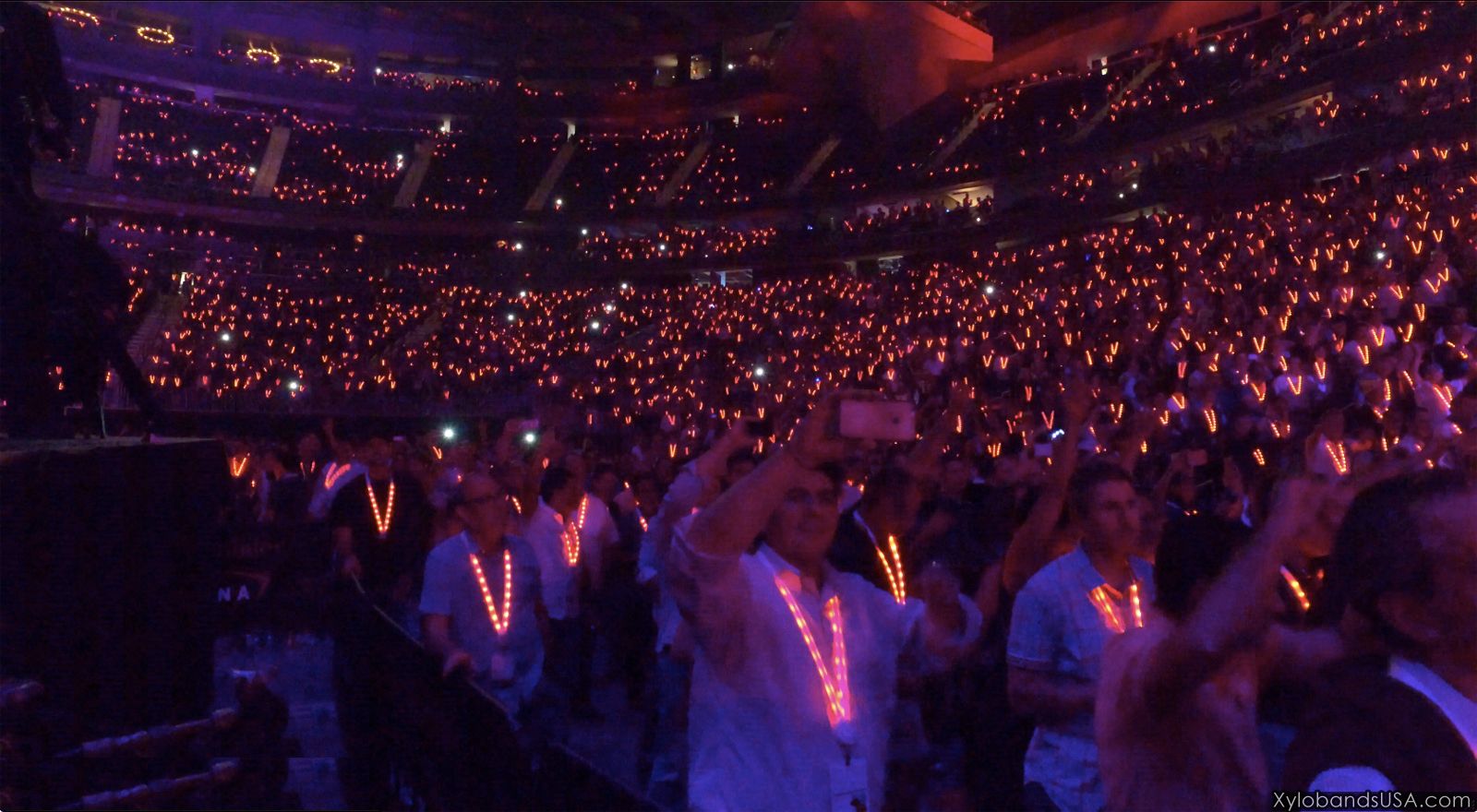
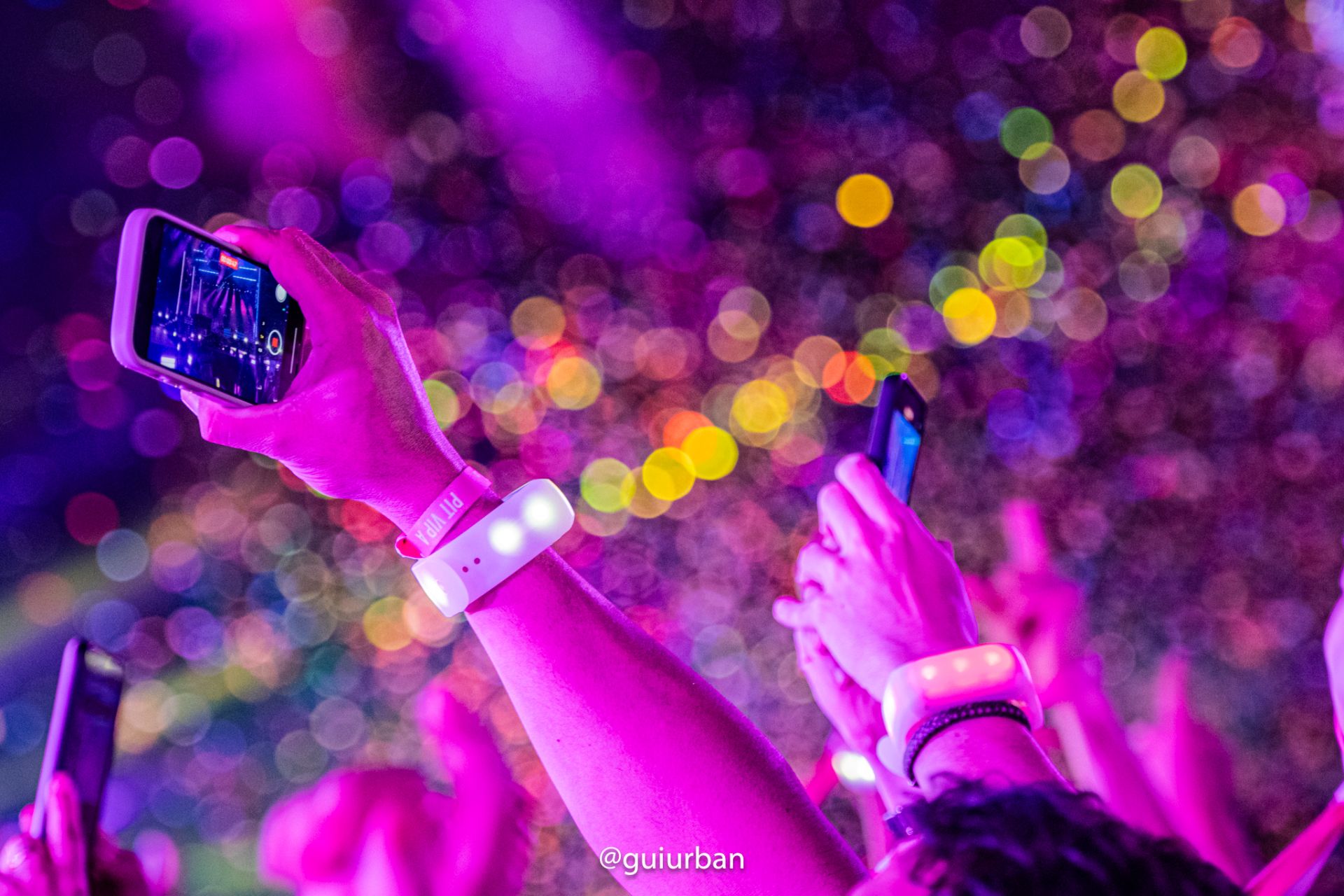
The house lights drop. A roar ripples through 50,000 people as a single melody line cuts through the darkness. On cue, the entire stadium explodes into a synchronized, pulsating universe of light. Every individual becomes a pixel in a grand, moving canvas. For the audience and the artist, this is a moment of pure, unmediated connection — a spectacle that feels both impossibly vast and deeply personal.
This climactic moment, the one that defines modern immersive events, is the glorious tip of a logistical iceberg. It’s the final, visible expression of a journey that began months, sometimes even a year, earlier in warehouses, on conference calls, and across countless time zones. Before the first radio signal ever activates a wristband, a complex, unseen choreography of global freight, customs navigation, and operational planning has already been meticulously executed. The show doesn’t begin at the downbeat; it begins with a bill of lading.
The Complex Choreography of Global Freight
Moving thousands of pieces of sensitive electronic hardware across the planet is a specialized discipline. It’s a challenge we’ve navigated since the very first Coldplay Xylobands tour, scaling our operations to deliver powerful LED crowd experiences in over 70 countries. This isn’t simply a case of packing boxes and calling a courier.
Every international shipment of radio controlled LED wristbands is a puzzle of regulations. We operate within the framework of ATA Carnets — essentially a passport for goods — that allows our technology to move across international borders for temporary use without incurring duties and taxes. This requires painstaking documentation where every single item is cataloged and accounted for.
Navigating Air, Sea, and Ground
The primary challenge with our wearable LED technology is often the power source. Lithium batteries, essential for creating a brilliant and lasting effect, are heavily regulated by air transport authorities like IATA. Shipments must be correctly identified, packed, and labeled to ensure safe transit. The choice between air and sea freight becomes a strategic decision, balancing the urgency of a tour schedule against the environmental and cost implications.
More than just a vendor, a true technology partner becomes an extension of the tour’s production team. This involves creating a master plan that maps out the entire tour, identifying the most efficient routes to move equipment from one continent to the next, and building in contingencies for the inevitable friction points of global travel.
Engineering the Rollout: A Collaborative Blueprint
Once the technology arrives in the host country, the next phase of the logistical operation begins. This is where global planning meets on-the-ground reality, requiring seamless collaboration between our logistics team, the tour’s production managers, and the show’s creative designers.
A perfect example is our work with Formula One for their 75th-anniversary event at The O2 Arena. The project involved custom-designed LED Lanyards for every guest, branded differently for each F1 team, hospitality tier, and general admission. The creative vision called for specific lighting effects isolated to certain sections of the crowd. This meant the logistics of distribution were as critical as the technology itself. Our team didn’t just deliver pallets to the venue; we worked with organizers to map the arena and position the correct Pendants on every seat, ensuring our technicians could execute the lighting designer's intent with flawless precision.
This level of detail is non-negotiable, whether for a multi-date arena tour or a single, high-stakes broadcast. When Maluma played to a sold-out stadium in his hometown of Medellín, the show was live-streamed to over 240 countries. With the world watching, there is no room for logistical error. The months of planning culminate in a single night where every piece of LED event technology must perform perfectly.
Beyond the Arena: Festivals and Corporate Activations
The logistical challenges are not confined to traditional arena tours. Music festivals present their own unique variables. When supplying festival wristbands for an event like Primer Music Festival in Greece, our teams contend with the temporary infrastructure of a festival site, often facing tighter windows for load-in and deployment. The goal remains the same: to integrate seamlessly into the festival’s operational flow, delivering a stunning visual experience without adding to the strain on the production crew.
Similarly, corporate event activations require a unique blend of precision and speed. The lead times can be shorter, and the branding requirements highly specific, yet the expectation for a flawless, immersive experience is just as high. Each vertical demands a tailored logistical approach, built on a foundation of global experience.
The Last Mile: From Crate to Crowd
The final stage of this journey is the most visible: the "last mile" of getting the hardware into the hands of the audience. This can involve pre-placing LED bands on seats, managing distribution points, or integrating with access control systems. Our on-site technicians and distribution teams are the final link in this global chain. They manage inventory, execute the show cues, and ensure the immersive event technology that has traveled thousands of miles is ready for its moment in the spotlight.
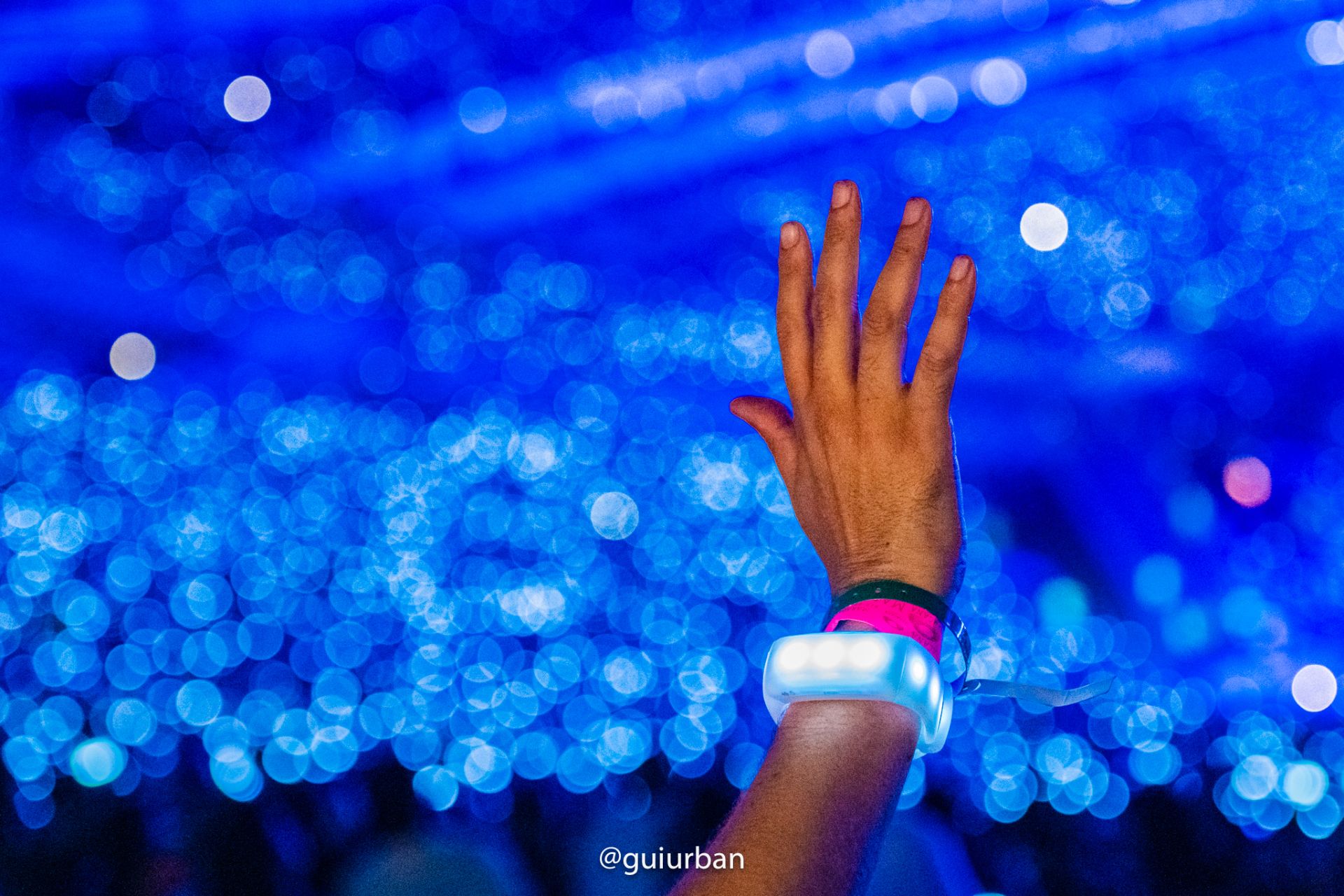
The effortless magic an audience member feels—the flash of light on their wrist that connects them to 50,000 other people—is the hard-won result of a silent, complex, and truly global operation. It’s a testament to the idea that in the world of spectacular live events, operational excellence is the invisible foundation upon which unforgettable moments are built.