The Unseen Symphony: A Masterclass in Global Tour Logistics
The Global Stage is a Logistical Gauntlet
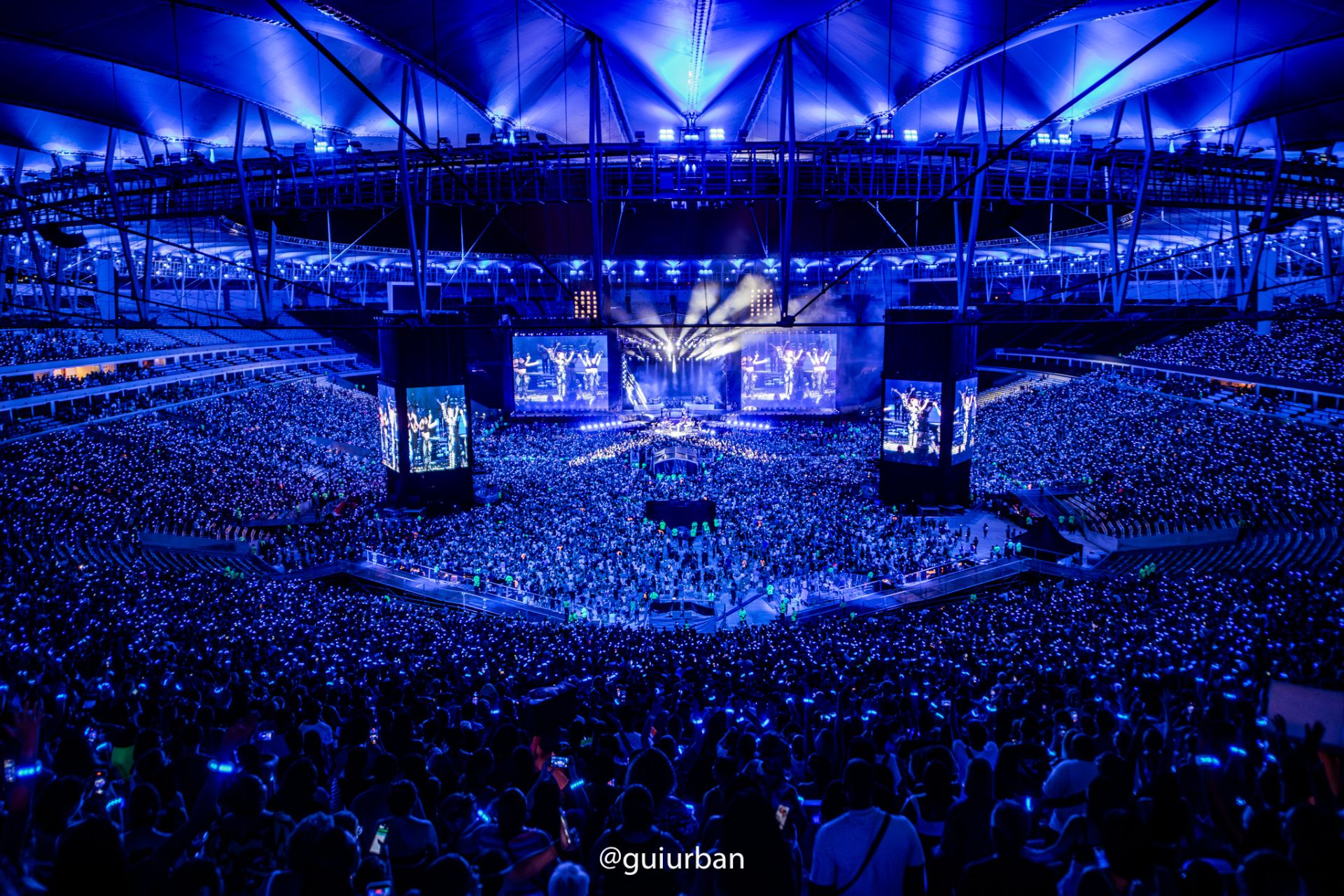
For the audience, a global tour is a seamless spectacle. The lights rise, the sound is flawless, and for a few hours, tens of thousands of people are unified in a shared experience. But behind this magic lies a hidden, high-stakes world of military-grade precision: the world of global tour logistics. It’s a realm of freight forwarders, customs brokers, and meticulous planning, where a single misplaced document or a delayed shipment can jeopardize a multi-million-dollar production.
For tour managers and production teams, the challenge isn't just moving equipment from Point A to Point B. It's navigating a complex web of international regulations, tight turnaround times, and the sheer physics of transporting hundreds of tons of sensitive gear across continents. This is the unseen symphony that ensures the show goes on, whether in London, São Paulo, or Tokyo.
Orchestrating the Movement: The Core Components
The logistics of a modern tour are built on a foundation of three critical elements: strategic freight planning, customs and compliance mastery, and resilient last-mile execution. Neglect any one of these, and the entire production is at risk.
1. The Blueprint: Strategic Freight & Air Cargo
Long before the first truck is loaded, the tour’s logistics team is mapping out the entire journey. This involves selecting the right freight partners who specialize in live event cargo—partners who understand that a shipment of lighting fixtures isn't just freight; it's the core of the show. The choice between air, sea, and land freight is a constant calculation of time versus cost. For a stadium tour with back-to-back dates across continents, air freight is often the only viable option, demanding precise scheduling to meet aircraft cargo holds and flight availability.
This is where experience is paramount. Transporting delicate, high-value technology like wearable LED technology or complex lighting rigs requires specialized handling. Items are packed in custom-built road cases, meticulously cataloged, and weighed. Every kilogram is accounted for in the master plan.
2. The Gateway: Customs, Carnets, and Compliance
Navigating international borders is arguably the most complex part of global touring. This is where the ATA Carnet—often called the “passport for goods”—becomes a tour manager's most valuable document. The Carnet is an international customs document that allows for the temporary, tax-free, and duty-free importation of goods for a specific purpose, like a concert tour. It simplifies customs procedures and prevents the tour from having to pay hefty import duties and taxes in every country it visits.
However, a Carnet is not a silver bullet. Each country has its own nuances and specific requirements. A seasoned logistics team works with local customs brokers in each territory who have on-the-ground relationships and understand the specific procedures for their ports of entry. They ensure that every piece of equipment is correctly declared, from the largest video screen to a box of custom LED wristbands. A single error in the paperwork can lead to delays that cost hundreds of thousands of dollars and threaten to cancel a show.
3. The Final Mile: Venue Delivery and On-Site Coordination
Once the equipment has cleared customs, the final challenge is getting it to the venue and into position. This “last-mile” delivery is a frenzy of coordinated activity. Trucks arrive in a specific, pre-ordained sequence. The lighting rig arrives before the audio, which arrives before the backline. This allows local crews to work efficiently, building the production layer by layer.
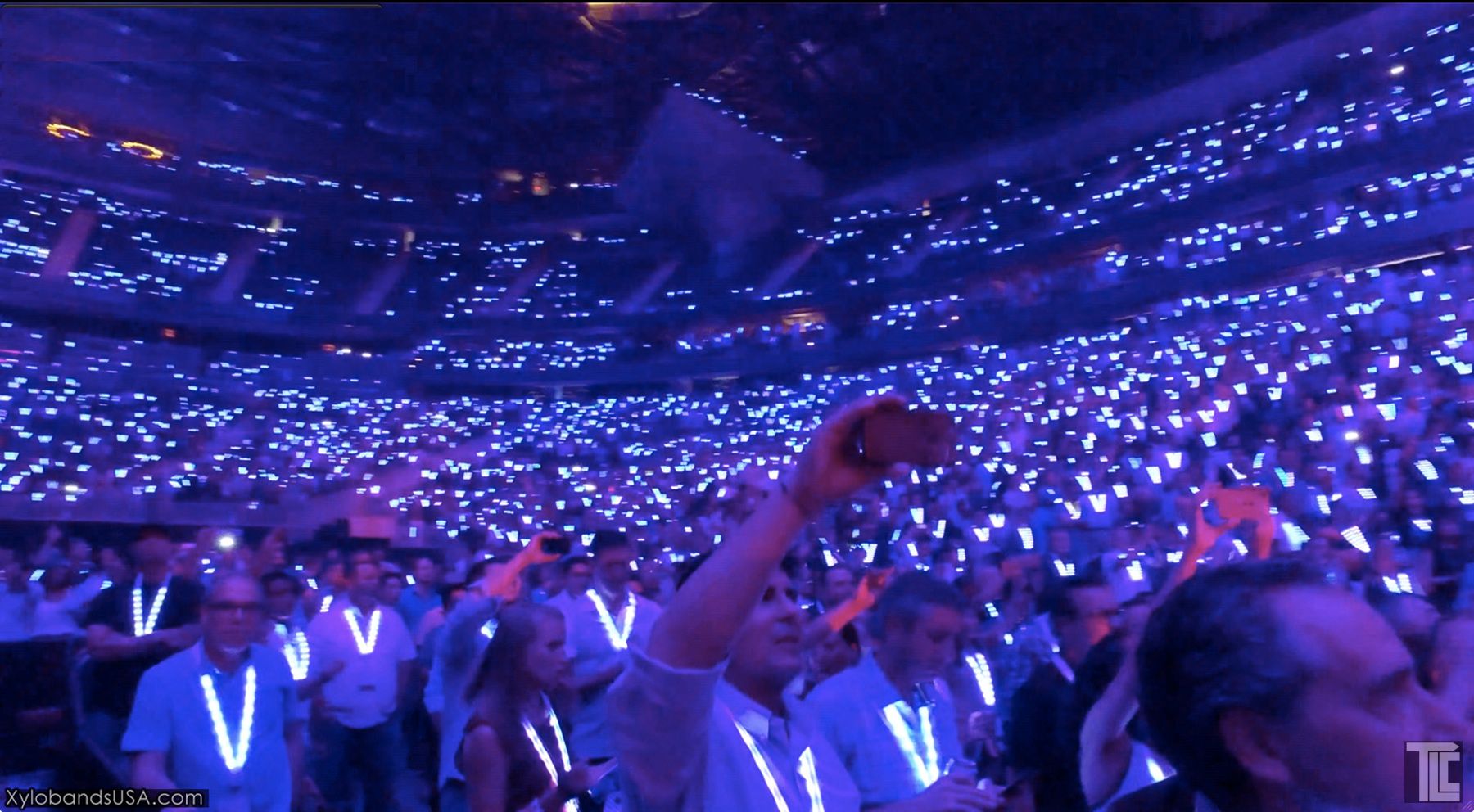
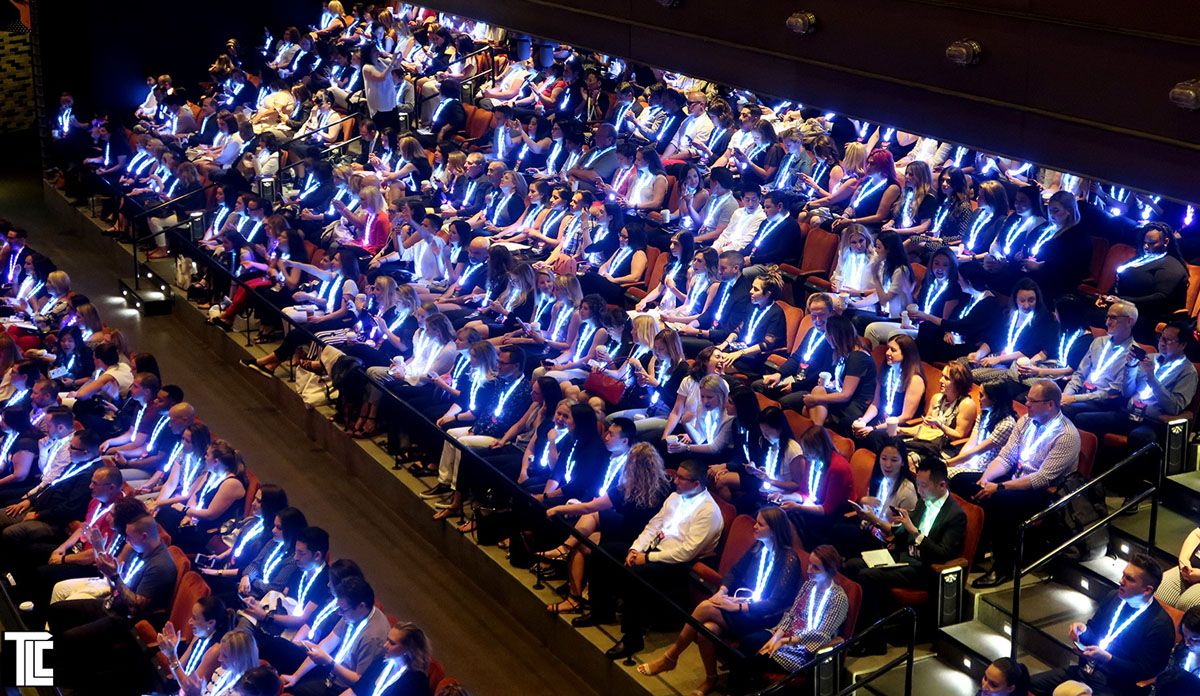
At Xylobands, we've integrated our own logistics into this final-mile process for countless global events, from festivals like Primer in Greece to major artist tours. Our team doesn't just ship boxes of LED wristbands; we manage the distribution, on-site programming, and collection. We understand that our technology—whether it's our classic Xylo Bands or advanced LED lanyards—is a critical component of the fan experience. Therefore, our logistical footprint must be as precise and reliable as the technology itself. We coordinate with production managers to ensure our hardware is where it needs to be for programming and that distribution points are set up for seamless delivery to fans, becoming an integral part of the show's own logistical machinery.
Case Study in Action: The Global Broadcast
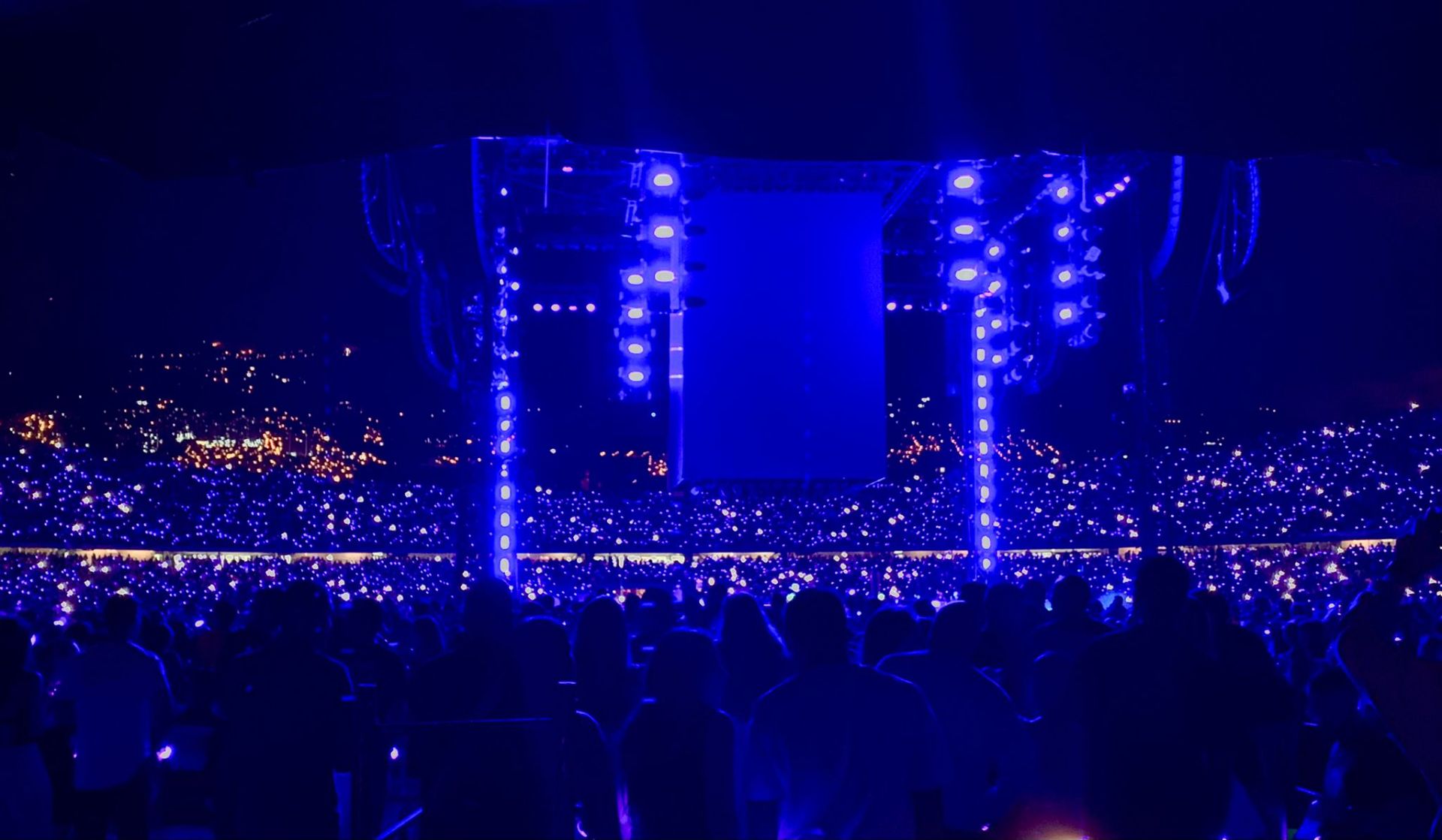
The complexity multiplies when a live event is also a global broadcast, as seen in productions for clients like ITV or the history-making Maluma concert in Medellín, which was streamed to over 240 countries. Now, the stakes are not just about the live audience but also about delivering a flawless feed to millions at home. The logistical plan must account for broadcast trucks, satellite uplinks, and specialized camera equipment, all of which have their own transport and customs requirements.
For these events, the reliability of every single supplier is tested. When the world is watching, there is no margin for error. A delayed component, whether it’s a camera lens or the radio controlled LED wristbands that will light up the crowd on cue, can compromise the entire broadcast. This is why artists and producers partner with companies who have a proven track record in delivering under pressure on a global scale.
The Future of Tour Logistics: Technology and Sustainability
The field of event logistics is constantly evolving. Technology is playing an increasingly important role, with advanced tracking systems providing real-time visibility of cargo anywhere in the world. This allows for more dynamic planning and quicker responses to unforeseen challenges, like weather delays or port congestion.
Simultaneously, there is a growing focus on sustainability. The industry is exploring more efficient freight solutions, carbon offsetting programs, and technologies that support reuse. At Xylobands, we pioneered this with our refurbishment program, allowing wristbands from tours like Wizkid's O2 Arena dates to be collected, reset, and redeployed, reducing waste and minimizing the environmental footprint of these massive productions.
Ultimately, the unseen journey of a tour’s equipment is a testament to the dedication, planning, and expertise of the logistics professionals who make it happen. They are the silent partners in creating the immersive events that define our culture, ensuring that no matter where in the world the curtain rises, the show is always ready.