The Gravity of Command: A Leadership Blueprint for High-Stakes Live Production
The Unseen Fulcrum: Why Leadership is the Most Critical Instrument in Live Production
In the controlled chaos of a global tour, a championship halftime show, or a multi-day festival, the most powerful instrument isn’t a guitar or a lighting console—it’s leadership. For creative directors, tour managers, and agency producers, the role extends far beyond logistics and spreadsheets. It is the art of conducting human energy, navigating immense pressure, and making high-stakes decisions in real-time. This is the gravity of command: the invisible force that holds a complex production together, ensuring that every moving part, from the artist’s vision to the audience’s experience, aligns into a singular, breathtaking moment.
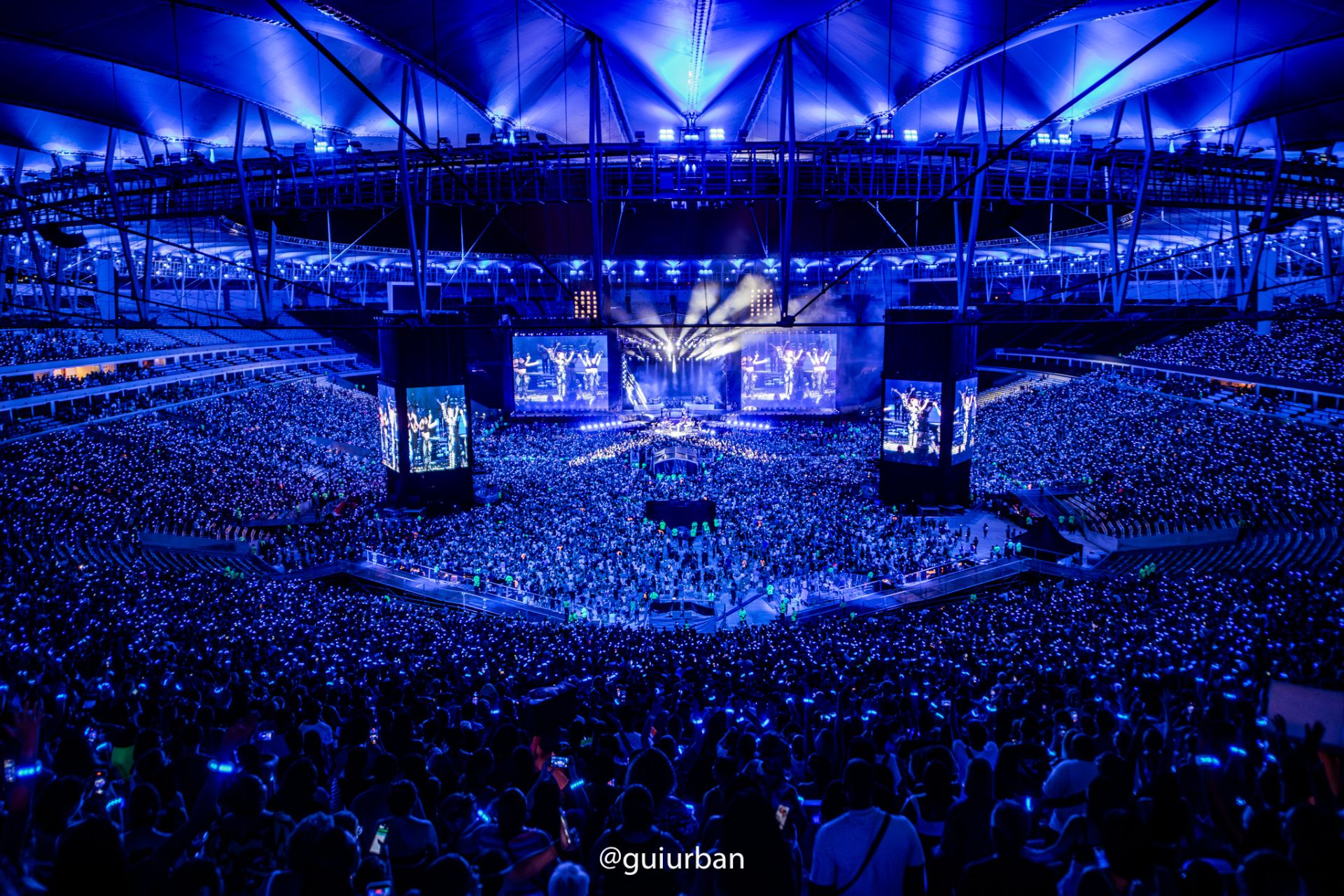
Modern live production is a convergence of disciplines. It’s where artistic vision meets technical execution, where marketing objectives meet human emotion. A leader in this space must be multilingual, fluent in the languages of lighting designers, RF engineers, artists, and brand executives. The success of a project like the Formula 1 75th-anniversary show or a massive stadium tour for an artist like Maluma doesn’t hinge on a single brilliant idea, but on the seamless integration of hundreds of smaller ones. This requires a leadership model built on trust, clarity, and a shared sense of purpose.
The Unified Command Model: One Vision, Many Voices
In complex productions, the traditional top-down hierarchy is too slow and rigid. A more effective model is that of a “unified command,” where leaders from different verticals—creative, technical, logistical—collaborate as a single, cohesive unit. This doesn’t mean leadership by committee; it means establishing a clear final decision-maker while empowering divisional heads to own their domains.
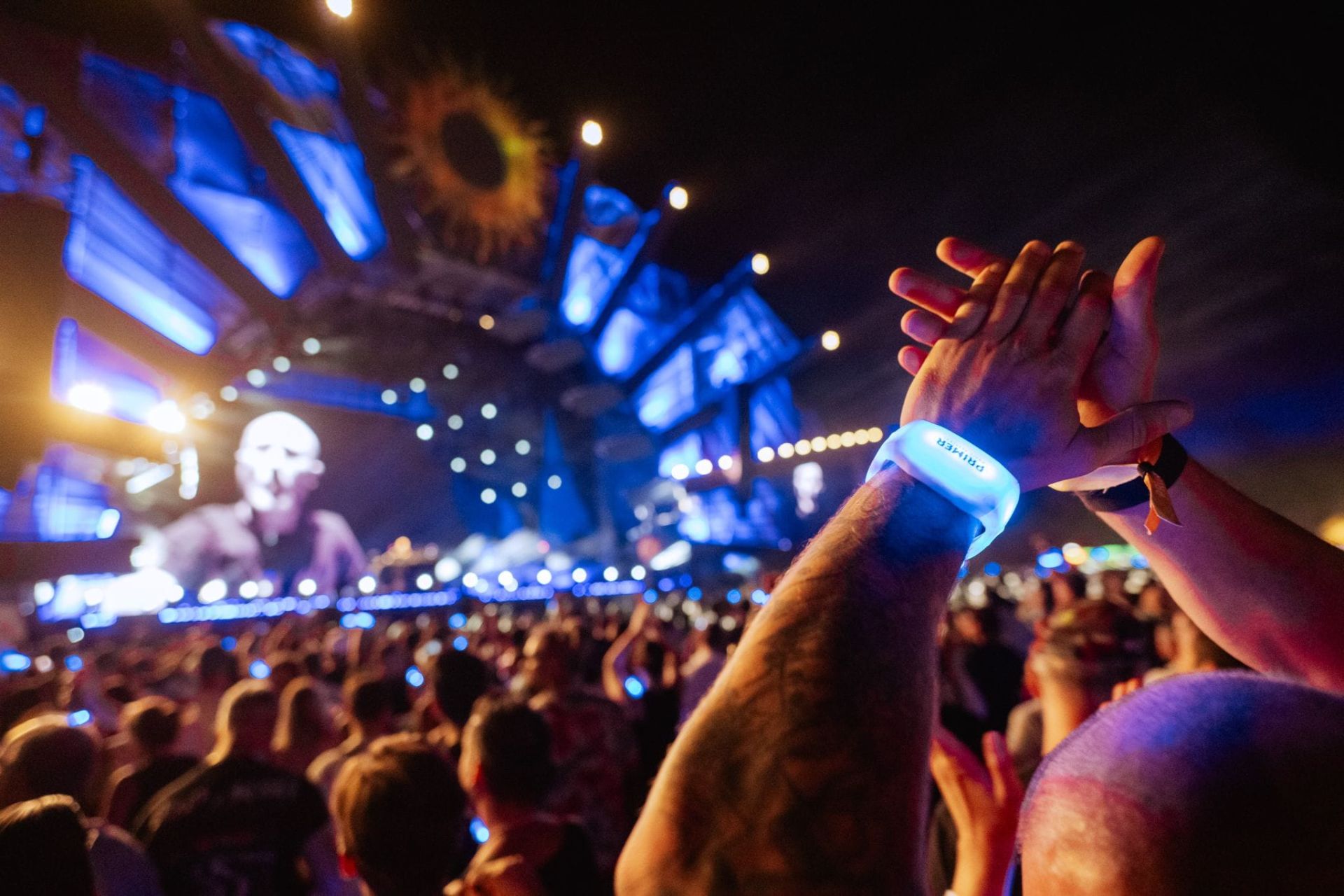
Consider the intricate planning for a major festival performance, like those at Greece's PRIMER Music Festival. The lighting director, audio engineer, and special effects lead must all work in perfect concert. A unified command structure ensures that when the creative director calls for a specific crowd-wide lighting effect, the technical team has already established the capabilities of the system, whether using radio controlled LED wristbands or stadium-wide fixtures. This collaborative framework prevents the silos that so often lead to miscommunication and on-site failures.
"Leadership in this industry isn’t about having all the answers. It's about building a team that does, and then creating an environment where they can execute flawlessly under pressure."
Key Pillars of the Unified Command:
- Shared Situational Awareness: All team leads must have a clear, real-time understanding of the project's status, challenges, and objectives. This is achieved through disciplined communication protocols and a single source of truth for all production data.
- Clear Lines of Authority: While collaboration is key, every decision must have a clear owner. This prevents ambiguity and ensures accountability, especially when time is a critical factor.
- Trust in Specialised Expertise: A production leader doesn’t need to be an expert in RF programming or pyro regulations. They need to trust the experts they’ve hired and empower them to make critical decisions within their areas of responsibility.
Navigating the Human Element: Leading Artists, Crews, and Clients
Technical and logistical prowess are only part of the equation. The true test of a leader in the creative industries is their ability to manage the human element. The pressure on an artist about to perform for 50,000 people, the exhaustion of a road crew on the 100th day of a tour, the anxiety of a brand marketer whose product launch is tied to a single live moment—these are the powerful currents a leader must navigate.
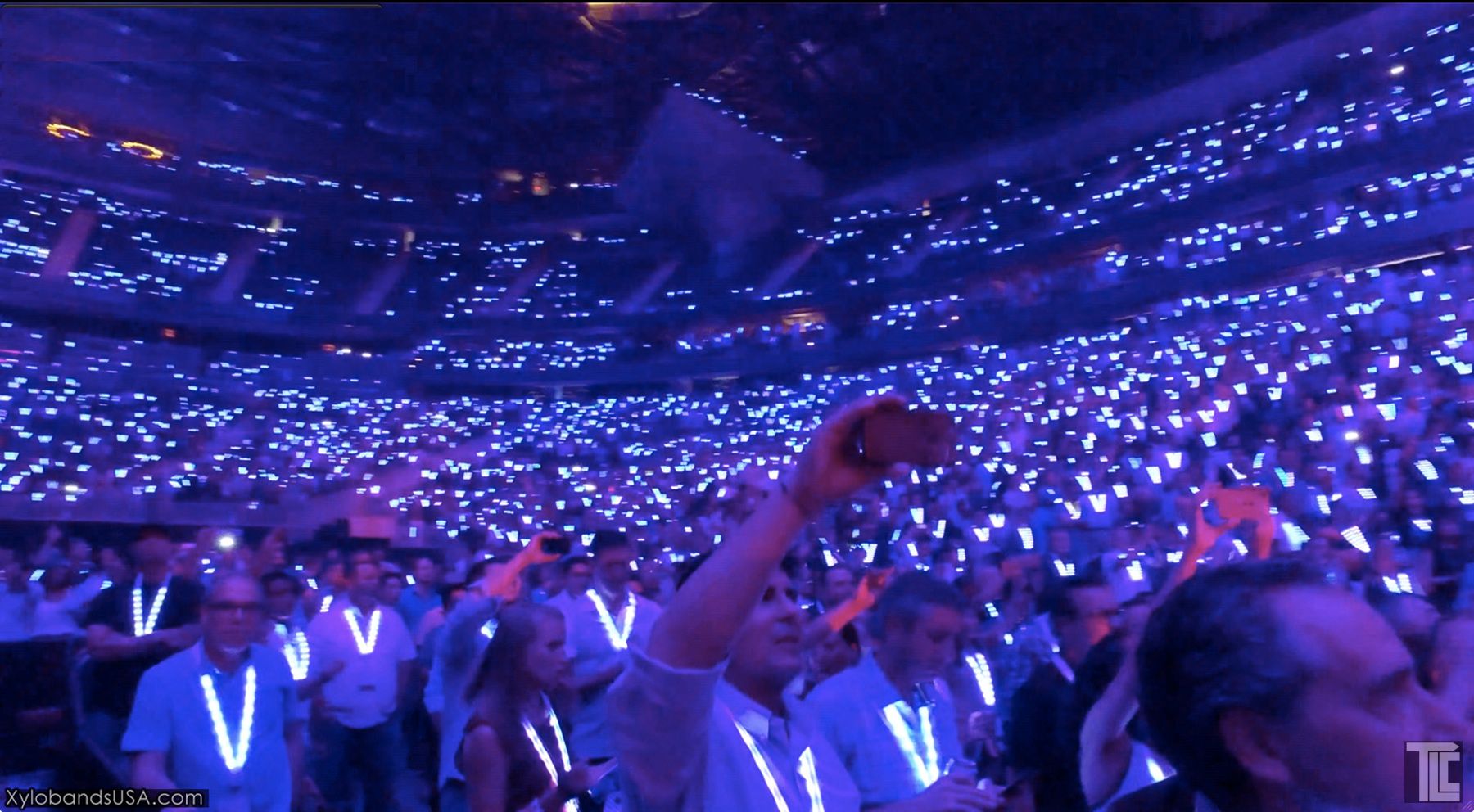
This is where empathy becomes a strategic tool. Understanding the artist’s vision and translating it for the technical team is a core function. When Xylobands first worked with Coldplay, our founder’s ability to understand the band’s desire for audience connection was the genesis of the Coldplay Xyloband. It wasn’t just a technical pitch; it was a solution born from a shared creative goal. That same principle applies to every project, whether it’s designing custom LED wristbands for a corporate event or integrating LED lanyards into a VIP experience. The leader’s job is to bridge the gap between "what if" and "how to."
Grace Under Pressure: Decision-Making When Failure Is Not an Option
Live production operates on a zero-failure mandate. There are no second takes. A leader in this environment must be a master of contingency planning and decisive action. When a piece of technology fails, a transport link is broken, or unforeseen weather rolls in, the entire weight of the production falls on the leader’s ability to pivot instantly and effectively.
This is where experience and preparation intersect. A seasoned tour manager has already war-gamed dozens of potential failure points. They have redundancy plans for their redundancy plans. They cultivate a "no-panic" culture, where problems are met with methodical, collaborative solutions rather than blame. This composure under fire is what separates good producers from great ones. It’s the calm in the eye of the storm that allows for moments of pure, unadulterated magic, turning a crowd of thousands into a single, unified organism.
Ultimately, leadership in this field is about orchestrating certainty in an uncertain world. It’s about creating a framework so robust that it allows for spontaneity and creative expression to flourish. From the first production meeting to the final encore, it is the steady, guiding hand of leadership that transforms a complex logistical operation into a truly immersive event, leaving the audience with nothing but the memory of the light and the sound.