The Mechanics of Magic: How RF, DMX, and Infrared Power Immersive LED Experiences
The Moment of Ignition
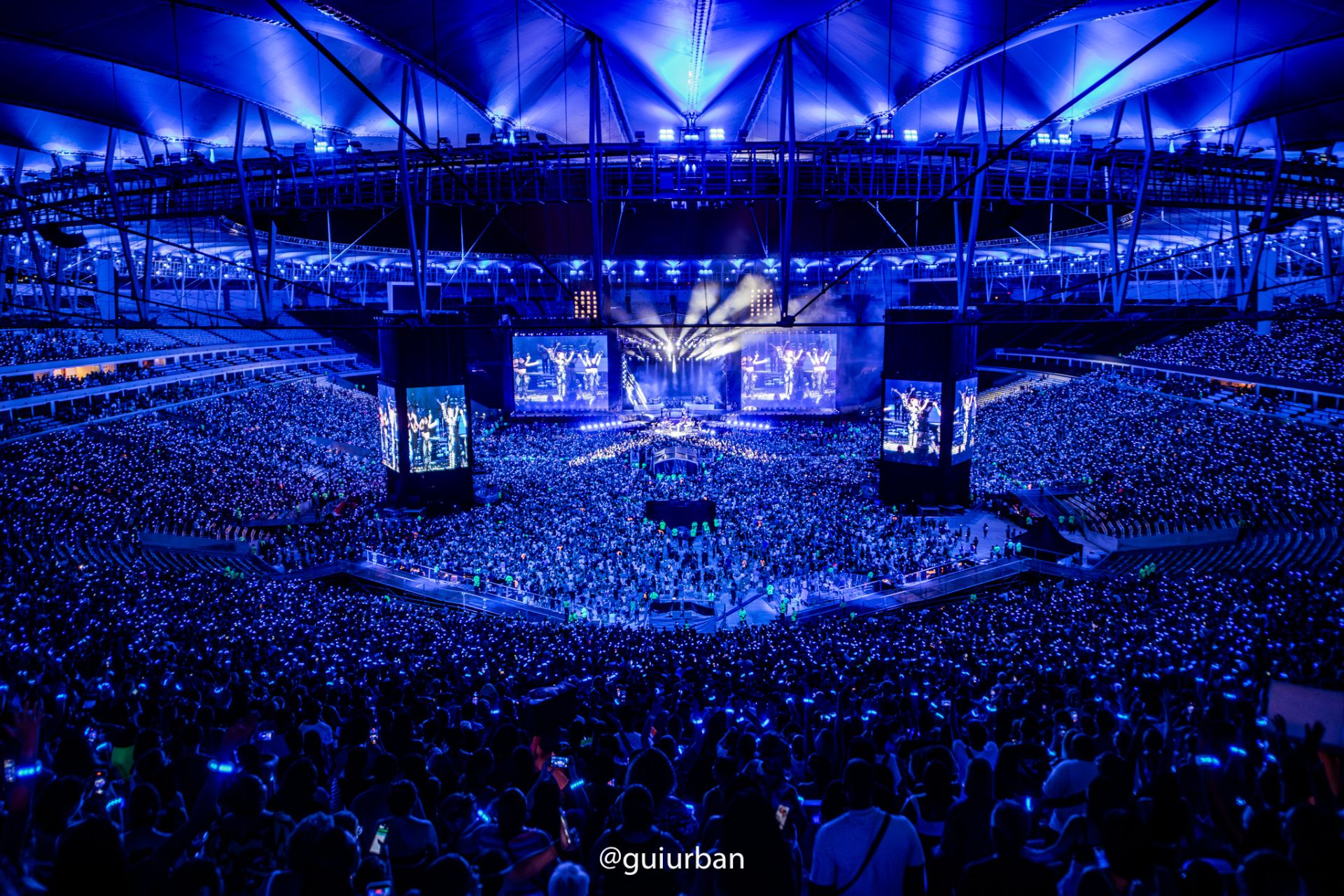
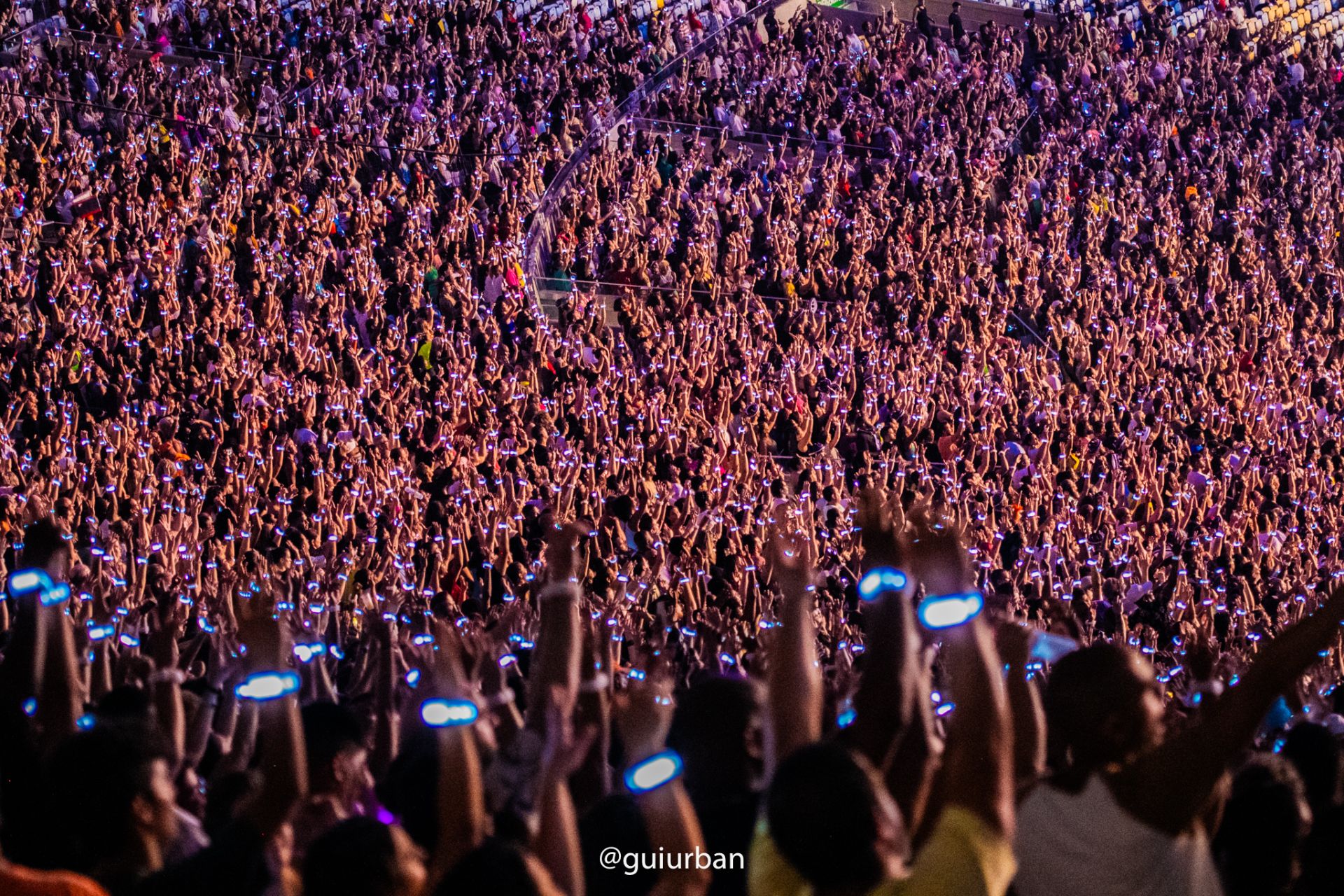
It’s a familiar, almost sacred moment in live events. The house lights dim, and a collective breath is held in the darkness. Then, in a sudden, silent explosion of colour, thousands of points of light flash into life, painting the entire stadium, arena, or festival field in a single, unified canvas of light. For a moment, every individual is connected, part of a shared spectacle. This is the magic of modern LED crowd experiences, but it isn’t magic — it’s a symphony of sophisticated, reliable technology.
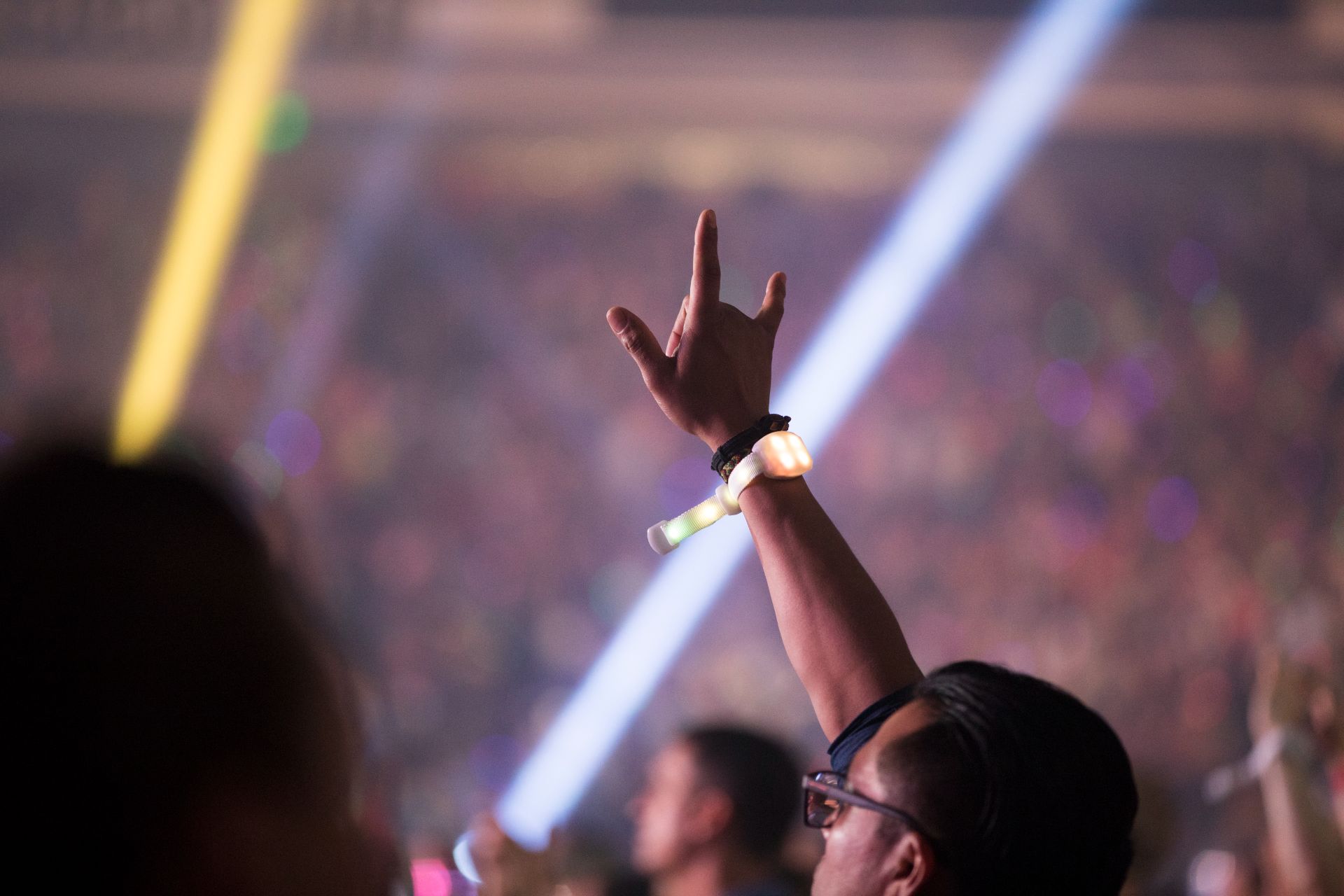
At Xylobands, we pioneered this technology, born from an idea sparked at a Coldplay performance at Glastonbury Festival. The goal was to transform the audience from passive spectators into an active, illuminated part of the show itself. Today, our Radio Controlled LED Wristbands have become a staple for the world’s leading artists, brands, and broadcasters. But how do they actually work? How does a single operator, standing side-of-stage or in a control room, command tens of thousands of LED Bands with perfect precision?
The answer lies in a carefully orchestrated system of transmitters, receivers, and a suite of powerful control protocols. Let’s look under the hood at the three core technologies that make these immersive events possible: RF, DMX, and Infrared.
RF (Radio Frequency): The Workhorse of the Arena
The primary technology for large-scale audience lighting is Radio Frequency, or RF. Think of it as a private radio station for light. A central transmitter, controlled by our proprietary software, sends out a coded signal across the venue. Every single one of our Xylo Bands contains a tiny RF receiver, listening for that specific signal.
When the command is sent — say, “turn red” — every wristband receives it instantly and executes the command in perfect synchronicity. The power of RF lies in its range and reliability. It can cover a vast area, from an intimate theatre to a colossal stadium, and the signal can pass through people and other obstacles, ensuring every corner of the audience is reached.
This isn’t simply an on/off system. Our software allows for the pre-programming of the entire venue map, dividing the audience into dozens or even hundreds of unique zones.
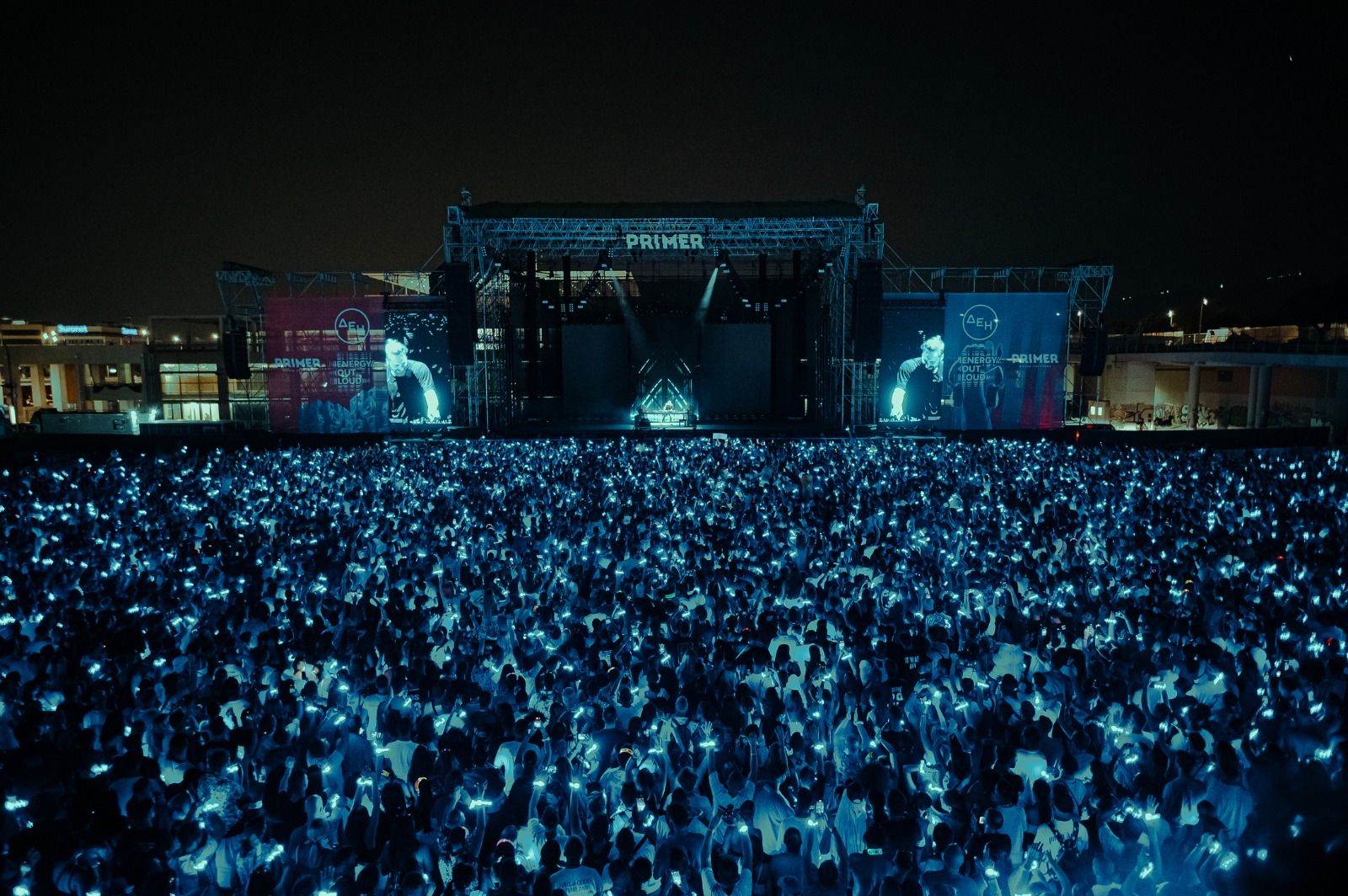
This is where the true artistry begins. We can send different commands to different zones, creating waves of colour that wash across a stadium, spelling out words, or flashing complex patterns that pulse in time with the music. For a global sporting event like the Davis Cup or a massive music festival like Greece’s PRIMER Festival, RF is the invisible engine that creates a unified, visually stunning environment, turning 80,000 individuals into a single, cohesive entity.
DMX: The Language of Professional Lighting
While RF is the macro-controller, DMX (Digital Multiplex) provides the seamless integration with the DNA of a professional production. DMX is the industry-standard protocol used to control stage lighting, from moving heads and strobes to lasers and video screens. It’s the common language spoken by every lighting fixture in a professional rig.
Our systems are designed to speak this language fluently. By patching our transmitter into the show’s main lighting desk, control of the LED wristbands can be handed directly to the tour’s lighting designer. For them, the audience simply becomes another fixture — or thousands of fixtures — at their command. This ensures that a colour change on stage is matched by an identical, instantaneous change across the entire audience. The barrier between the performance and the crowd dissolves.
This level of precision is non-negotiable for major broadcast events. For landmark moments with the BBC, such as the Remembrance Day services or the VE Day 80 Concert at the Royal Albert Hall, perfect synchronisation is paramount. The audience’s light must be a seamless, intentional part of the televised picture, cued with the same frame-perfect accuracy as a camera switch or a piece of the orchestral score. DMX integration is what makes this flawless cohesion possible, turning Wearable LED Technology into a powerful broadcast tool.
Infrared (IR): Precision in Proximity
If RF is the wide-angle lens, Infrared (IR) is the macro. Unlike radio waves, infrared light is directional and has a much shorter range. It operates on a line-of-sight basis, much like a television remote control. While this makes it unsuitable for controlling an entire arena, it offers incredible opportunities for creating targeted, location-specific activations.
Small, battery-powered IR transmitters can be placed strategically throughout a venue to trigger specific lighting effects on wristbands as guests move through the space. Imagine walking through an entrance tunnel and having your wristband flash with the home team’s colours, or passing a sponsor’s stand at a corporate conference and receiving a unique colour pulse. This is a powerful tool for Corporate Event Activations and creating personalized journeys.
At the Formula One 75th Anniversary event, where we deployed custom LED Lanyards, this kind of zoning was critical. IR triggers, combined with RF zoning, can create highly segmented and interactive experiences, ensuring that specific groups—whether they are VIPs, general admission, or fans of a particular team—receive a unique and targeted visual treatment.
A Symphony of Signals
The true power of modern Immersive Event Technology is not in using one of these systems, but in using them all in concert. A typical large-scale Xylobands show is a symphony of signals. RF provides the grand, sweeping visual statements across the crowd. DMX ensures those statements are perfectly in time with every other lighting element of the show. And IR adds layers of personalized interaction, creating moments of surprise and delight within the larger spectacle.
From the initial Coldplay Xylobands that lit up the Mylo Xyloto tour to the sophisticated LED Experiences we now design for global broadcasts, corporate giants, and the world’s biggest artists, the mission has remained the same: to use technology not for its own sake, but to deepen the bond between the artist and the audience. It’s about engineering the unforgettable, one pulse of light at a time.