The Human Algorithm: Decoding Crowd Dynamics for Safer Events
The Unseen Pulse of the Crowd
A mass gathering is a living organism. It breathes, moves, and communicates in ways that are far more complex than the sum of its parts. For decades, event producers and safety officers have relied on experience, intuition, and analog observation to manage the ebb and flow of tens of thousands of people. But in the modern era of large-scale productions, from sprawling music festivals to high-stakes stadium tours, intuition is no longer enough. We need data. We need a deeper, more granular understanding of the human algorithm that governs crowd behaviour.
The conversation around crowd analytics often centers on surveillance and control. However, a more nuanced and powerful application is emerging—one that uses technology not to monitor, but to understand, protect, and enhance the collective experience. It’s a shift from simple observation to dynamic interaction, and it’s at the heart of creating smarter, safer, and more immersive events.
From Analog Observation to Digital Insight
Traditionally, crowd management has been a reactive discipline. Security personnel in high-visibility jackets, positioned at key bottlenecks, respond to issues as they arise. While essential, this approach has inherent limitations. It’s difficult to spot dangerous density fluctuations in a sea of people from a fixed vantage point. By the time a surge or a crush becomes visibly apparent, it may be too late to prevent injuries.
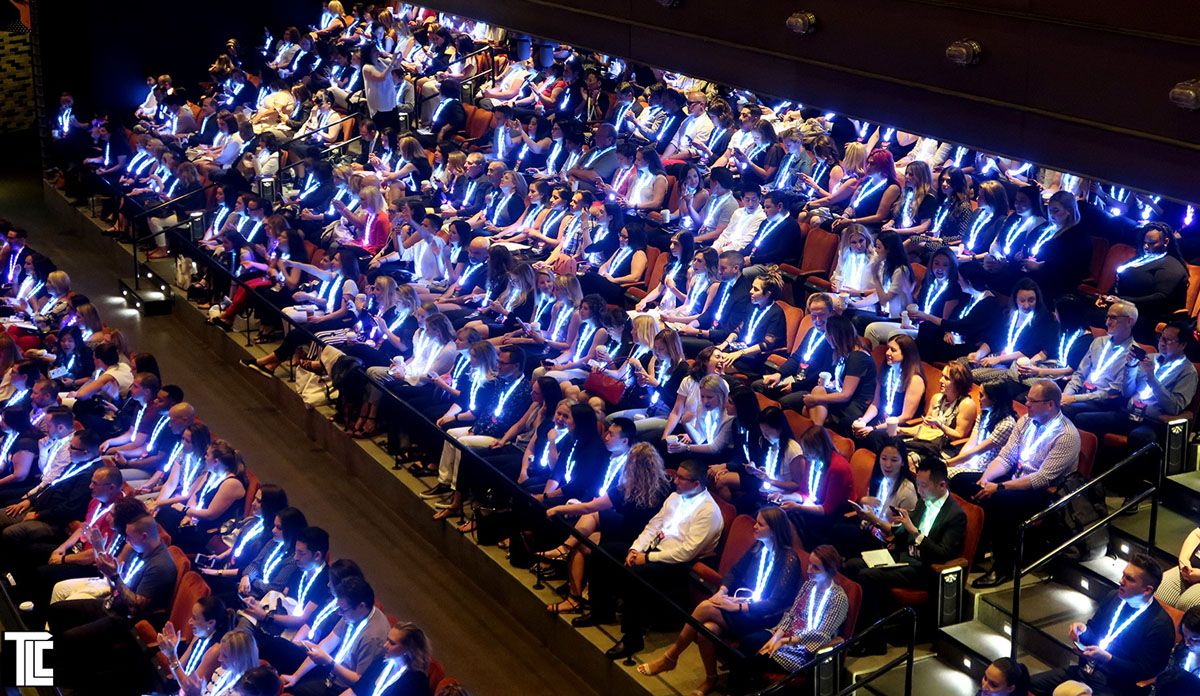
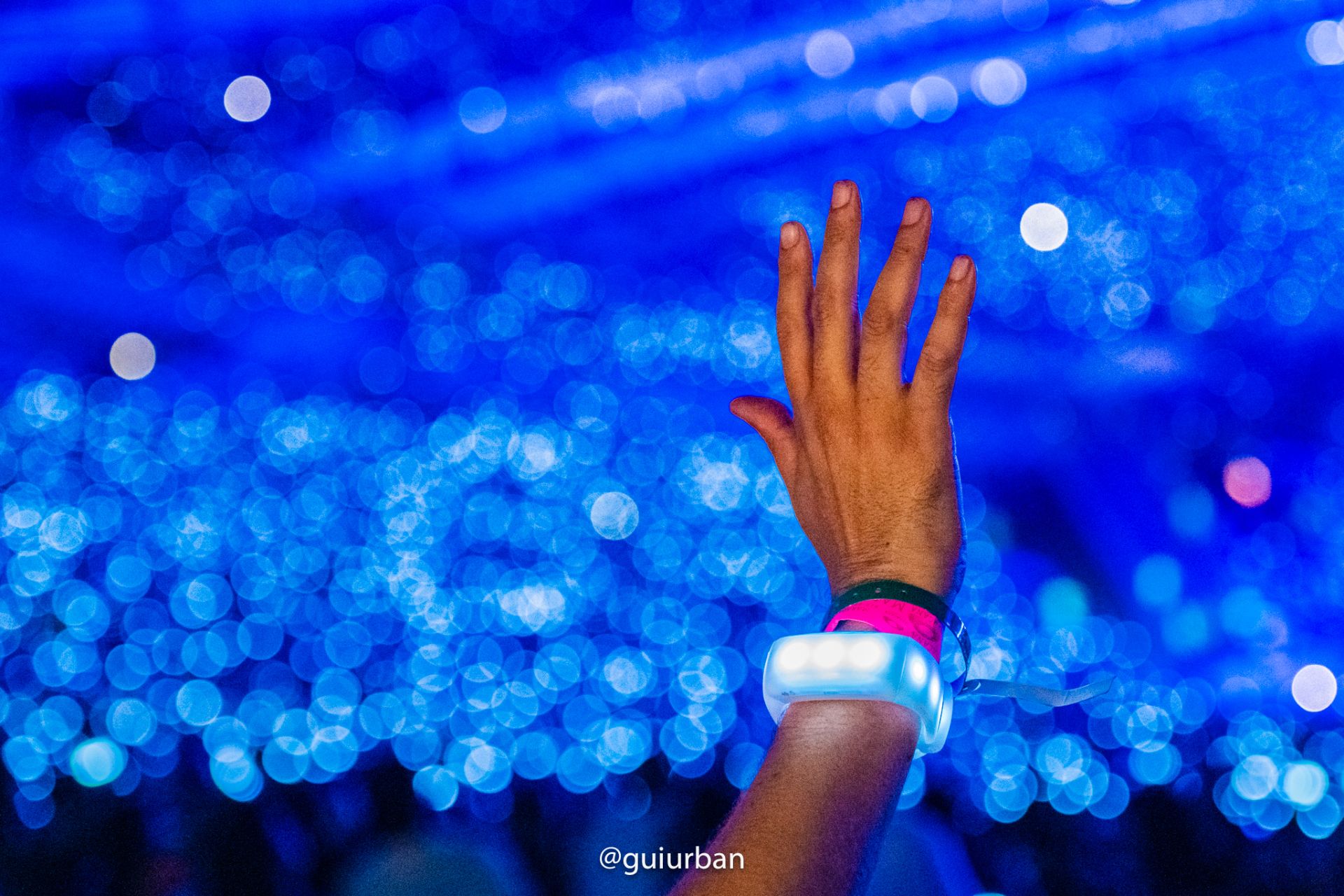
Modern event technology offers a proactive alternative. The same systems that power spectacular LED crowd experiences can also serve as a vast, distributed sensor network. Every wristband, lanyard, or puck is a potential data point. While respecting privacy and ensuring all data is anonymized, the signals from these devices can paint a real-time picture of crowd density, flow, and engagement.
"We are moving beyond simply putting on a show. We are engineering an environment. The same tools we use to create moments of collective awe can also be used to ensure the fundamental safety of every single person in that environment."
Mapping the Emotional Topography of an Event
Imagine a festival like Greece’s PRIMER Music Festival. With thousands of fans moving between stages, food vendors, and rest areas, the flow is constant and complex. By analyzing the concentration and movement of festival wristbands, organisers can gain invaluable insights:
- Density Hotspots: Identifying areas where crowd density is approaching unsafe levels, allowing for preemptive interventions like rerouting foot traffic or opening new pathways.
- Flow and Egress Analytics: Understanding how quickly crowds are moving through exits and bottlenecks, providing hard data to optimize site layout for future events and improve emergency evacuation plans.
- Dwell Time Analysis: Seeing how long attendees stay in certain zones can indicate not only the popularity of an attraction but also potential logistical issues, such as long queues for restrooms or concessions that might lead to frustration and unpredictable movement.
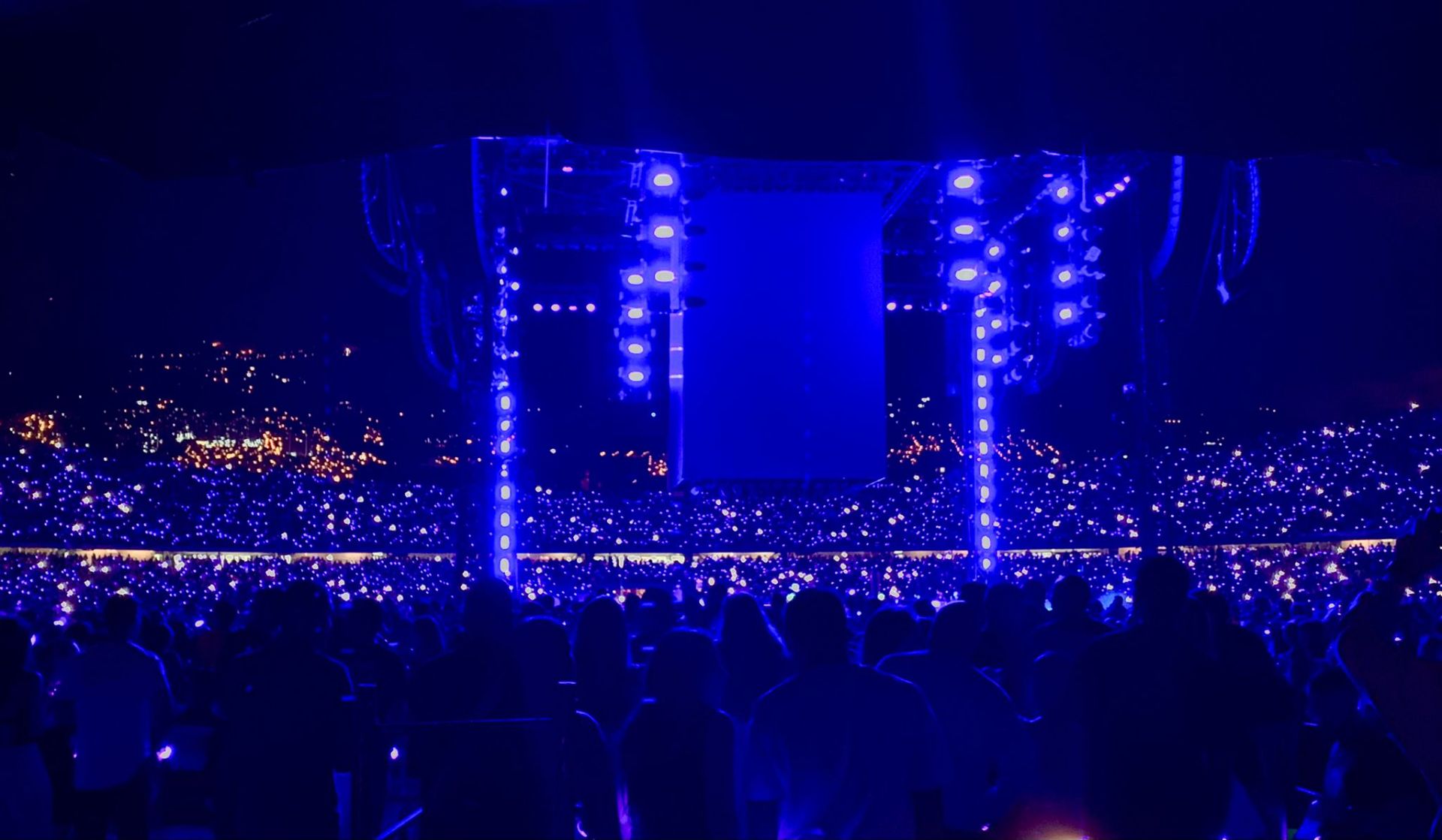
This isn’t just about preventing disaster; it’s about improving the attendee experience. When the flow is smooth and safe, the energy of the event is enhanced. This is the core of what we do at Xylobands—using technology to foster a deeper connection between the artist, the audience, and the environment. We saw this with Maluma’s historic concert in Medellín, where 54,000 fans became a single, illuminated entity. The technology that creates that visual spectacle is built on a robust RF network capable of handling immense amounts of data—the same foundation required for sophisticated crowd analytics.
The Role of Light in Crowd Management
The application of this technology goes beyond passive data collection. Radio controlled LED wristbands can be used as a powerful, intuitive communication tool for crowd management. Instead of relying solely on audible announcements, which can be lost in the noise of a large event, visual cues can guide an audience with remarkable efficiency.
Consider an emergency scenario requiring a partial evacuation or the clearing of a specific area. A show operator could instantly change the color of wristbands in a designated zone to red, while turning adjacent zones to green, visually signaling a clear and safe path for egress. This form of "digital shepherding" is instantaneous, language-agnostic, and cuts through the sensory overload of a high-stress situation. It turns a crowd of thousands of individuals into a coordinated, responsive whole.
The Future is Sentient, Safe, and Spectacular
The integration of data analytics into live events is not a dystopian vision of surveillance. It is the next logical step in the evolution of professional event production. It’s about leveraging immersive event technology to fulfill the most fundamental responsibility of any host: the safety and well-being of their guests. The goal is to create a sentient environment that can anticipate and respond to the needs of the crowd in real time.
The technology that lights up a Coldplay stadium tour or a major corporate event activation is more than just a tool for entertainment. It is a platform. It is a communication network. And increasingly, it is a vital component of a comprehensive safety strategy. By understanding the human algorithm—the subtle, complex patterns of how people move and interact in large groups—we can design experiences that are not only more breathtaking, but profoundly safer for everyone. The light show has become more than just a spectacle; it has become the unseen guardian of the crowd.