The Human Algorithm: Reimagining Crowd Safety with Light and Data
The Unseen Pulse of the Crowd
The roar of a festival crowd, the electric silence of a stadium before the winning goal — these are moments of pure, unadulterated human connection. But beneath this spectacle lies a complex, ever-shifting ecosystem. For event producers and tour managers, the safety and flow of this human algorithm is paramount. How do we ensure the safety of tens of thousands of individuals while preserving the magic of the shared experience? The answer lies not in more visible infrastructure, but in the unseen streams of data that are reshaping modern event production.
Traditionally, crowd management has been a matter of observation and reaction. Stewards in high-visibility jackets, fixed security cameras, and pre-planned ingress and egress routes form the backbone of event safety. While essential, these methods provide a fragmented picture. They tell us where people are, but not necessarily how they are feeling or where they are moving collectively. In the world of immersive events, where the audience is no longer a passive observer but an active participant, we need a more dynamic, more intelligent approach.
From Passive Crowds to Active Participants
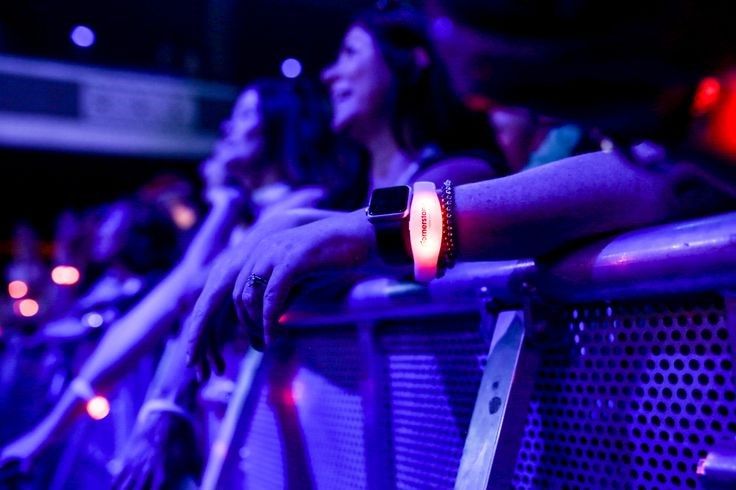
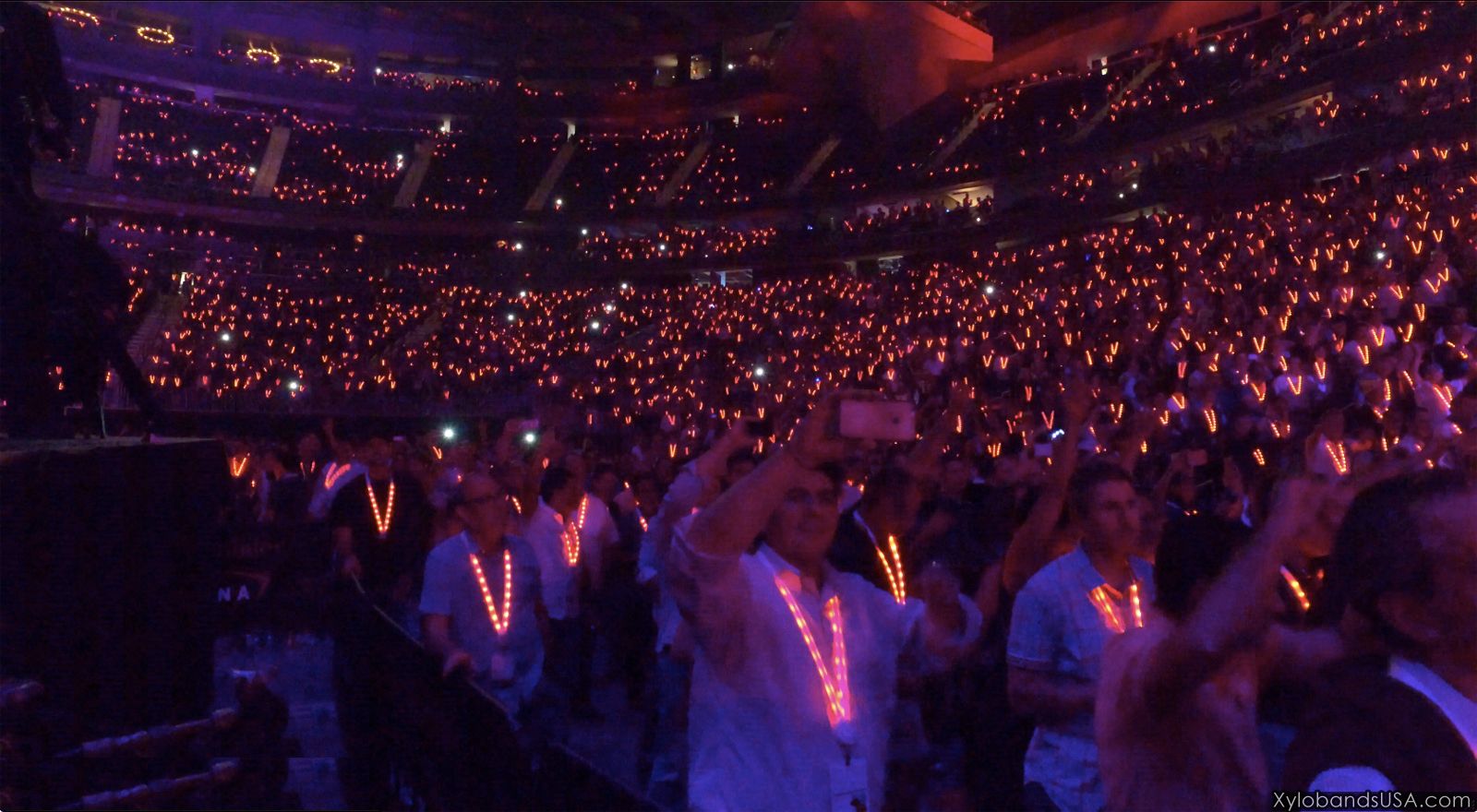
The evolution from lighters held aloft to the synchronized light of Coldplay Xylobands marked a pivotal shift in live entertainment. It transformed the audience from a collection of individuals into a unified canvas of light. This was more than an aesthetic upgrade; it was the introduction of a new layer of technology into the crowd itself. Today, this wearable LED technology offers more than just stunning visuals. It provides a powerful tool for understanding and managing the audience in real-time.
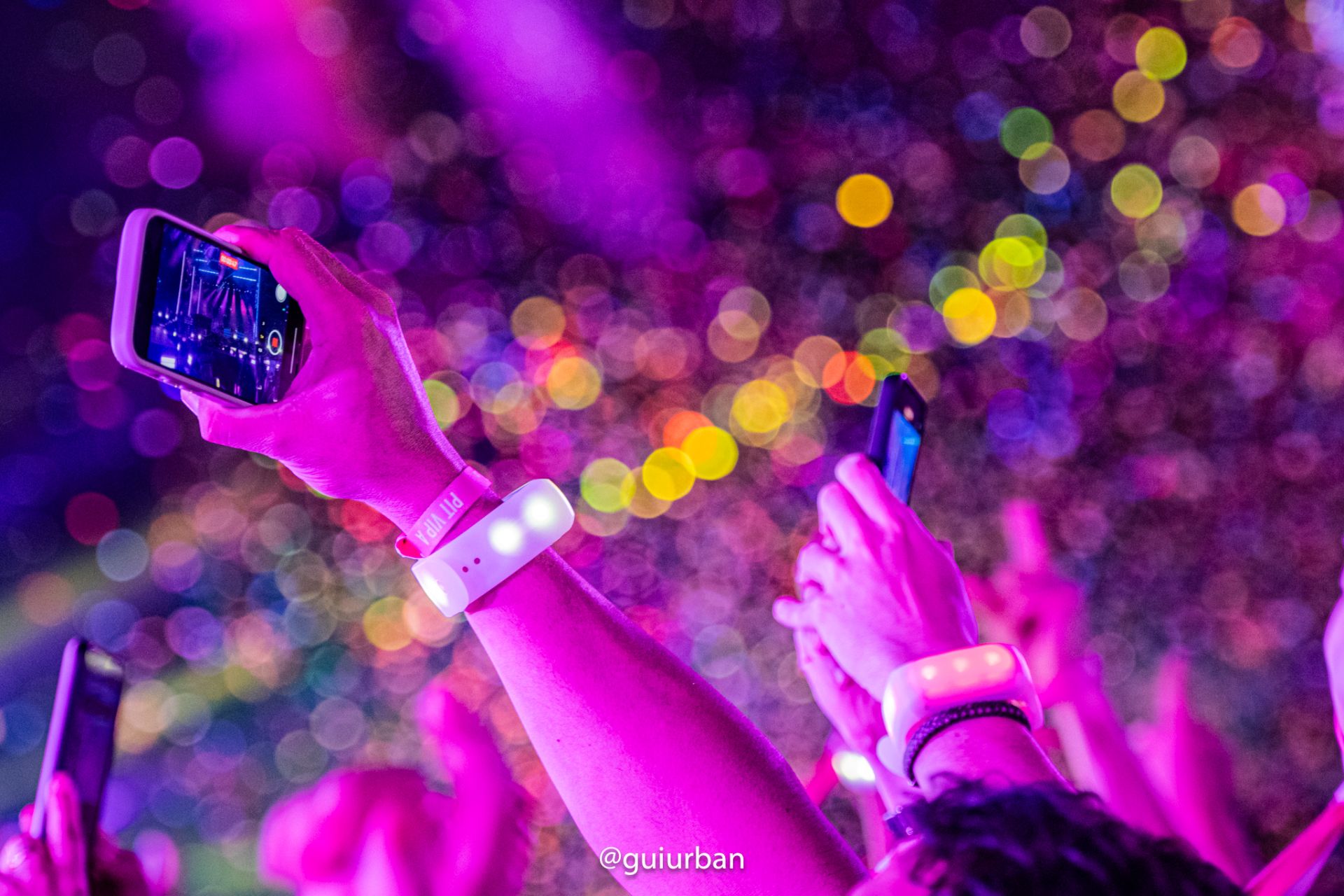
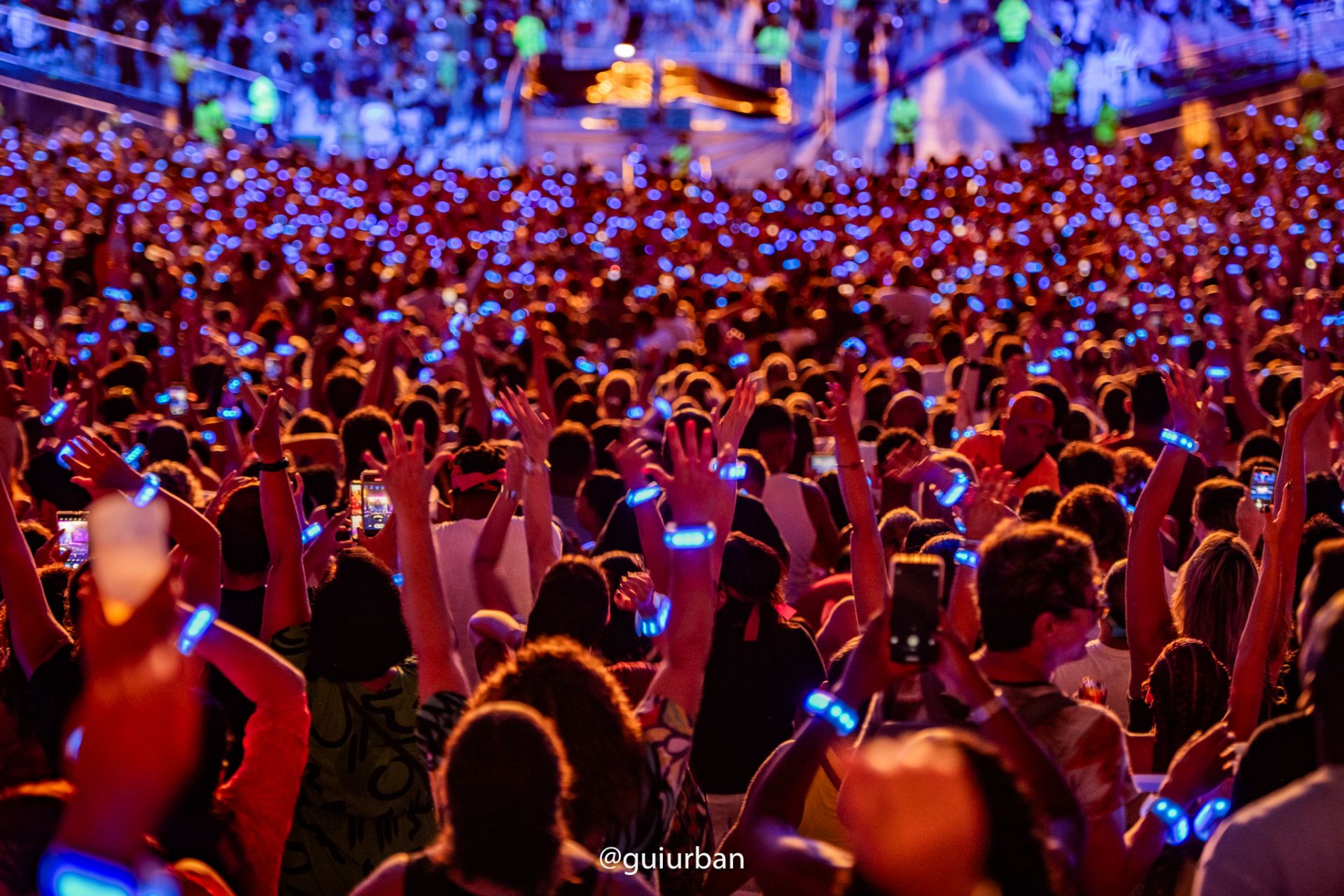
Imagine a large-scale music festival. As the headline act takes the stage, a surge begins. Before it becomes a safety concern, what if you could see it developing as a data pattern? Radio Controlled LED Wristbands, like the ones that illuminate crowds for artists like Maluma or at Greece’s PRIMER Music Festival, are each a potential data point. While our system is designed for one-way signalling to trigger lighting effects, the underlying RF infrastructure opens up a world of possibilities for future event technologies. The same network that tells a wristband to turn blue could, in a future iteration, receive information back about the density and movement of the crowd in specific zones.
The Power of Anonymized Analytics
This isn't about tracking individuals. The future of crowd analytics lies in anonymized, aggregated data that reveals the macro patterns of the audience as a single organism. It’s about understanding:
- Flow and Density: Identifying bottlenecks at entry points, concessions, or restrooms before they become critical. A real-time "heat map" of the venue could allow staff to dynamically reroute foot traffic or redeploy resources.
- Engagement Zones: Understanding which areas of the venue are most active during a performance. This data is invaluable for sponsors planning corporate event activations and for designers planning future venue layouts.
- Safety and Egress: In an emergency, guiding the audience to safety is the highest priority. Imagine a scenario where egress routes are illuminated by the wristbands themselves, with arrows of light dynamically pointing towards the safest and least congested exits, based on real-time data. This turns a piece of LED event technology into a life-saving tool.
Case Study: The Controlled Environment of Live Broadcast
Nowhere is the need for controlled, predictable audience response more critical than in a live television broadcast. For shows like Beat The Chasers UK, the audience is not just a backdrop; they are a core component of the televised product. The energy they provide must be captured perfectly on camera. Here, LED wristbands serve a dual purpose. They create a visually stunning experience for the broadcast, but they also help the production team subtly guide audience reactions.
"In a live broadcast, every second counts. The ability to unify the audience with light provides a level of control that is essential for creating a seamless and compelling television experience. You are leaving nothing to chance."
This level of control, when expanded to the scale of a stadium or festival, demonstrates the potential. The same technology that ensures a perfect TV moment can be adapted to ensure a safer festival experience. It’s a testament to how immersive event technology can serve both creative and operational goals simultaneously.
The Future is Fluid and Responsive
As we move into a new era of live events, the focus is shifting from static plans to dynamic, responsive systems. The mass gatherings of tomorrow will be managed not just by human eyes, but by the invisible network of data that flows through them. By integrating technologies like LED lanyards and custom LED wristbands into a broader safety and analytics strategy, we can create experiences that are not only more spectacular but also inherently safer.
The goal is to build an environment where technology operates in the background, enhancing safety and flow without intruding on the fan experience. The audience doesn’t need to know about the complex data streams their LED bands are a part of; they just need to feel the moment, lost in the light and sound. For producers, however, this data is the unseen hand guiding the show, ensuring that the human algorithm of the crowd remains a source of joy, connection, and safety.