The Human Algorithm: The Psychology of Collective Experience
The Unseen Connection: From Spectator to Participant
At any large-scale event—be it a stadium concert, a global broadcast, or a major brand activation—the fundamental challenge remains the same: how do you transform a gathering of individuals into a cohesive, engaged audience? The answer lies beyond logistics and programming; it’s rooted in the psychology of collective experience. It’s about understanding what makes a crowd feel connected, not just to the performer or the brand, but to each other.
For decades, the tools were simple: lighters held aloft, voices singing in unison, a wave rippling through a stadium. These were analogue expressions of a deeply human need to belong and participate. Today, immersive event technology allows us to amplify this instinct on an unprecedented scale, turning passive spectators into active participants in the unfolding narrative.
The Psychology of Synchronicity and Belonging
Human beings are wired for connection. Neurological studies have shown that when individuals engage in a synchronised activity, like clapping or singing together, their brainwaves can actually sync up. This phenomenon, known as neural coupling, fosters a powerful sense of unity and empathy. It breaks down the barriers between strangers, creating a temporary but profound sense of community.
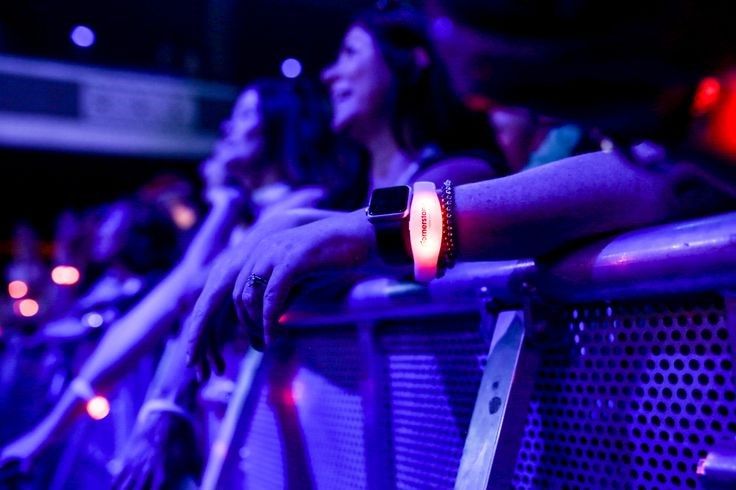
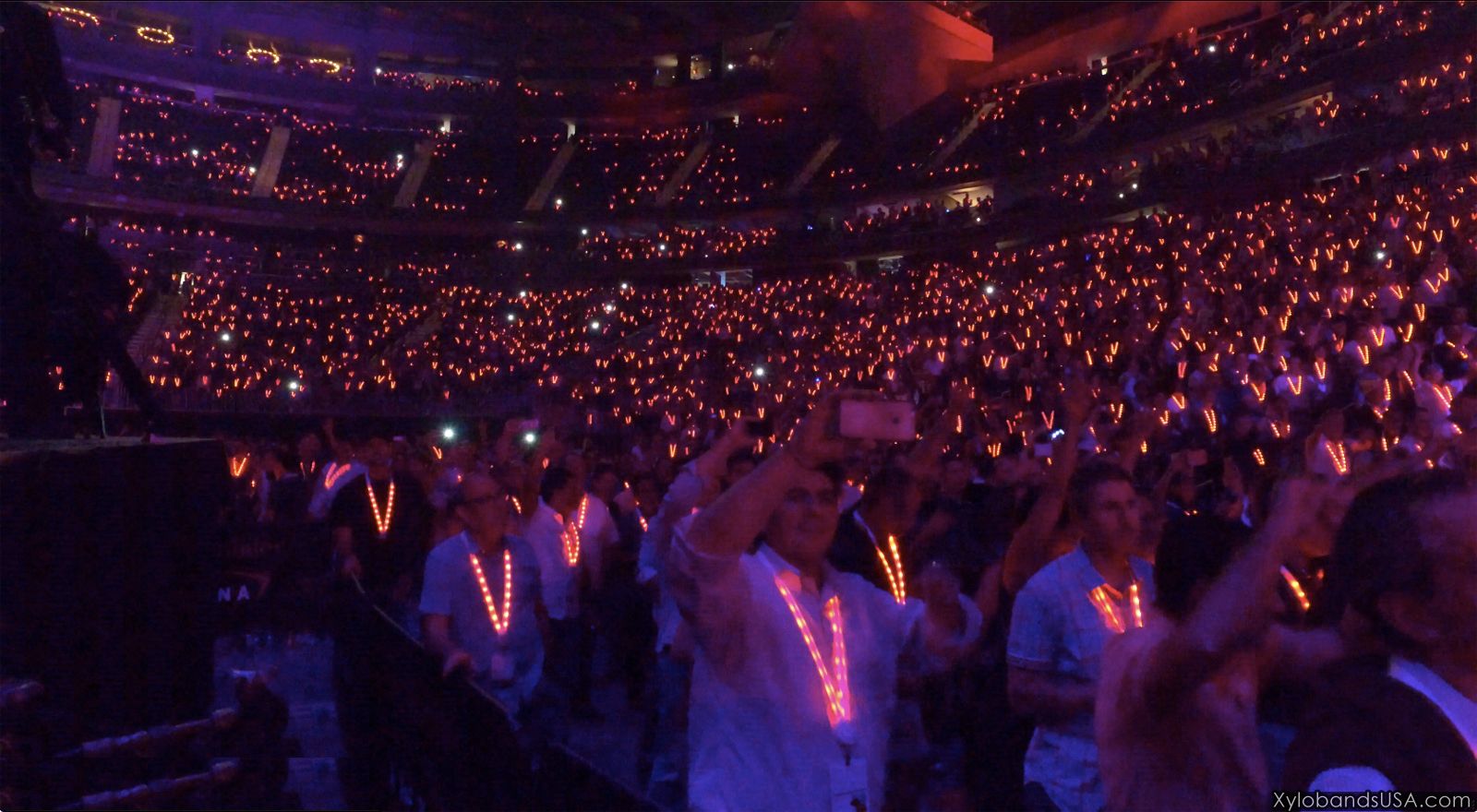
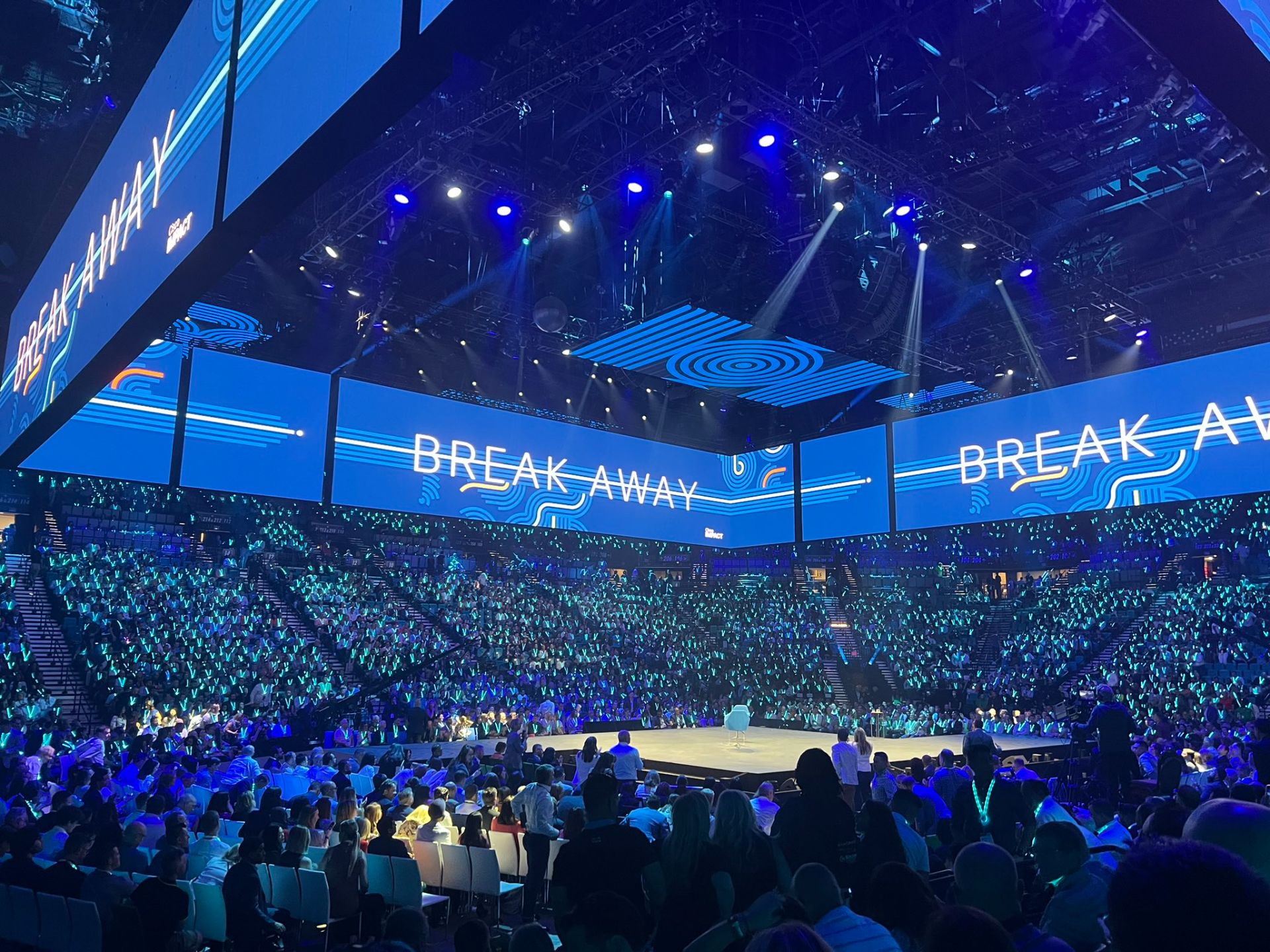
This is the psychological mechanism that LED crowd experiences tap into. When thousands of LED wristbands or LED lanyards illuminate in perfect unison, controlled by a single operator, they create a powerful visual metaphor for this shared state. A flash of light, a wave of color, a synchronized pulse—these are no longer just lighting effects. They are physical manifestations of a collective emotion, making each individual feel like an essential part of a moment far bigger than themselves. This principle is as effective at a high-energy music festival like Greece’s PRIMER as it is in the focused atmosphere of a corporate event for a brand like Samsung or Audi.
The Power of Agency: Giving the Crowd a Role
Another core psychological driver of engagement is agency—the feeling of having control and influence over one’s environment. A passive audience watches a show; an engaged audience helps create it. Traditional participation relied on the artist asking for a response. Modern immersive events can build this interaction directly into the fabric of the experience.
Consider the difference between watching a light show and being the light show. By placing wearable LED technology on every audience member, creative teams can effectively turn the crowd into a dynamic, 360-degree canvas. The lighting is no longer just on the stage; it emanates from the people themselves. This was the vision that sparked the invention of Xylobands during a Coldplay performance at Glastonbury. The idea was to make every fan a part of the spectacle, transforming tens of thousands of individuals into a single, living organism of light.
When an individual’s wristband lights up in sync with 50,000 others—as seen at Maluma’s historic Medellín concert—they are no longer just a face in the crowd. They are a pixel in a grand, collaborative masterpiece. This shift from passive consumption to active contribution is fundamental to creating deep, lasting engagement.
Focusing Attention in the Age of Distraction
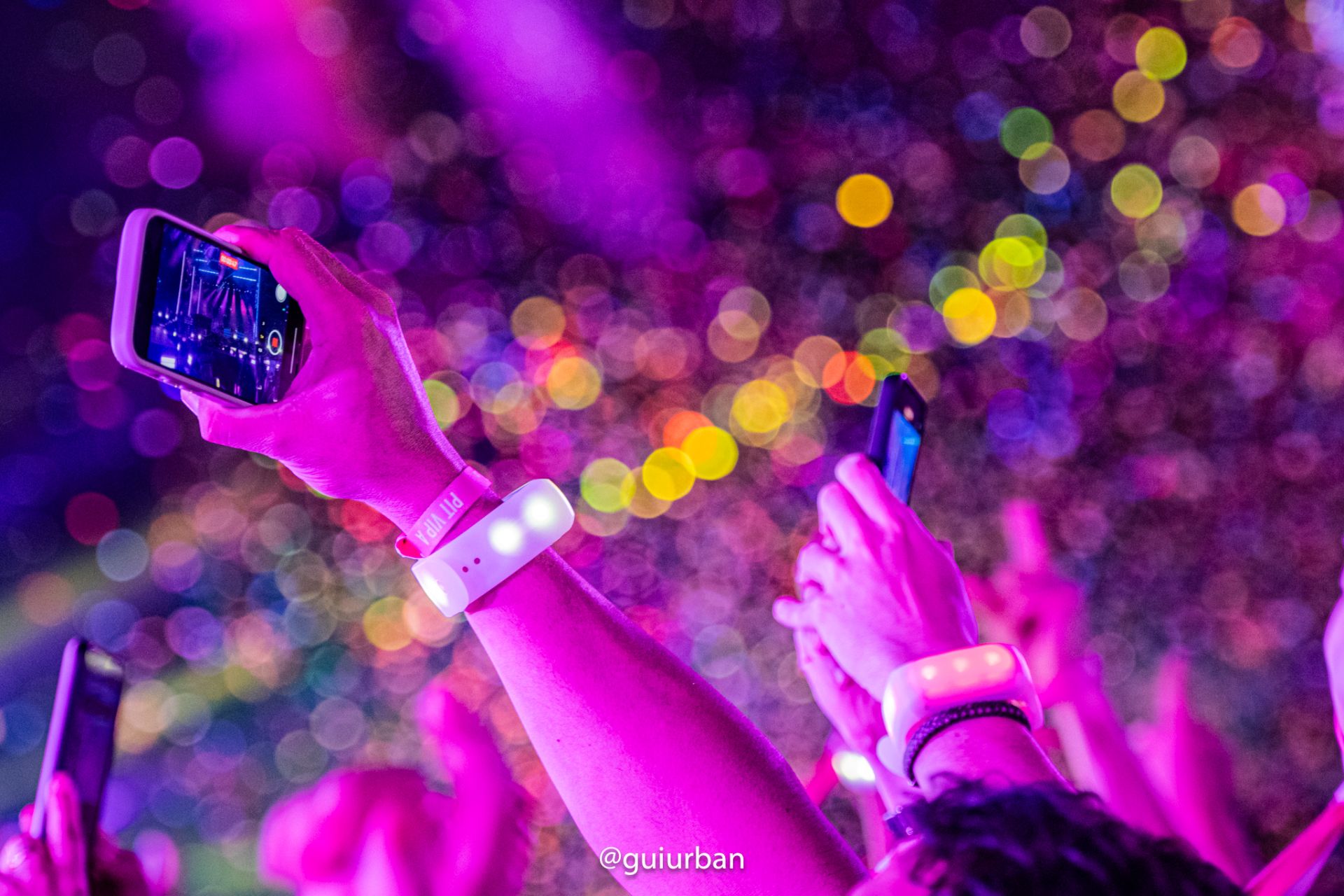
In today’s attention economy, one of the greatest challenges for event producers is keeping the audience present and focused. Mobile phones, while offering a way to capture and share moments, can also pull focus away from the live experience itself. A sea of glowing screens can create a barrier, both visually and emotionally, between the artist and the audience.
Radio controlled LED wristbands offer a powerful counterbalance. They create a visual spectacle so compelling that it commands attention, encouraging people to lower their phones and immerse themselves in the moment. The light doesn’t compete with the stage; it extends the stage, wrapping the entire venue in a cohesive visual language. For live broadcast events, like those we’ve powered for ITV or the BBC, this has a dual benefit: it captivates the in-person audience while also creating a richer, more dynamic visual for viewers at home.
The Lasting Impression: Encoding Memory Through Emotion
Ultimately, the goal of any live event is to create a lasting memory. Neuroscience tells us that emotional experiences are encoded more deeply and vividly in our memory. The moments that trigger strong feelings—awe, surprise, joy, a sense of belonging—are the ones that stick with us long after the event has ended.
By leveraging the psychology of synchronicity, agency, and focused attention, LED event technology helps create precisely these kinds of peak emotional moments.
- Synchronicity fosters a sense of unity and connection.
- Agency gives the audience a feeling of active participation and importance.
- Spectacle commands attention and elicits a sense of awe.
From concert wristbands on a global tour to custom pendants at a Formula One celebration, these tools are more than just technical novelties. They are instruments for choreographing human emotion on a mass scale. They are the building blocks of the modern ritual, allowing us to design experiences that not only entertain but also resonate on a deep psychological level. By understanding and embracing the human algorithm, we can create moments that don’t just capture attention, but capture the heart.