The Human Data Stream: Reimagining Crowd Safety and Flow with Light
The Unseen Pulse of the Crowd
A modern festival, a stadium tour, a championship game — from a distance, they appear as a single, pulsing organism. But zoom in, and the reality is far more complex: tens of thousands of individuals, each on a unique journey through the event space. For decades, managing the flow and safety of these temporary cities has been a mix of art, intuition, and analogue observation. But what if we could see the unseen? What if we could understand the subtle shifts in crowd density, mood, and movement in real time? This is the new frontier of live events, where immersive event technology is not just for the show, but for the safety and security of everyone present.
At its core, a large-scale event is a logistical ballet. Every attendee, crew member, and artist is a moving part in a highly complex system. Traditionally, managing this ballet has relied on security personnel, CCTV, and radio communication — effective tools, but often reactive. By the time a problem like overcrowding or a bottleneck is identified, it may already be escalating. Today, technology offers a proactive approach, turning the audience itself into a source of anonymous, real-time data that can enhance safety without compromising the experience.
From Light Show to Data Stream
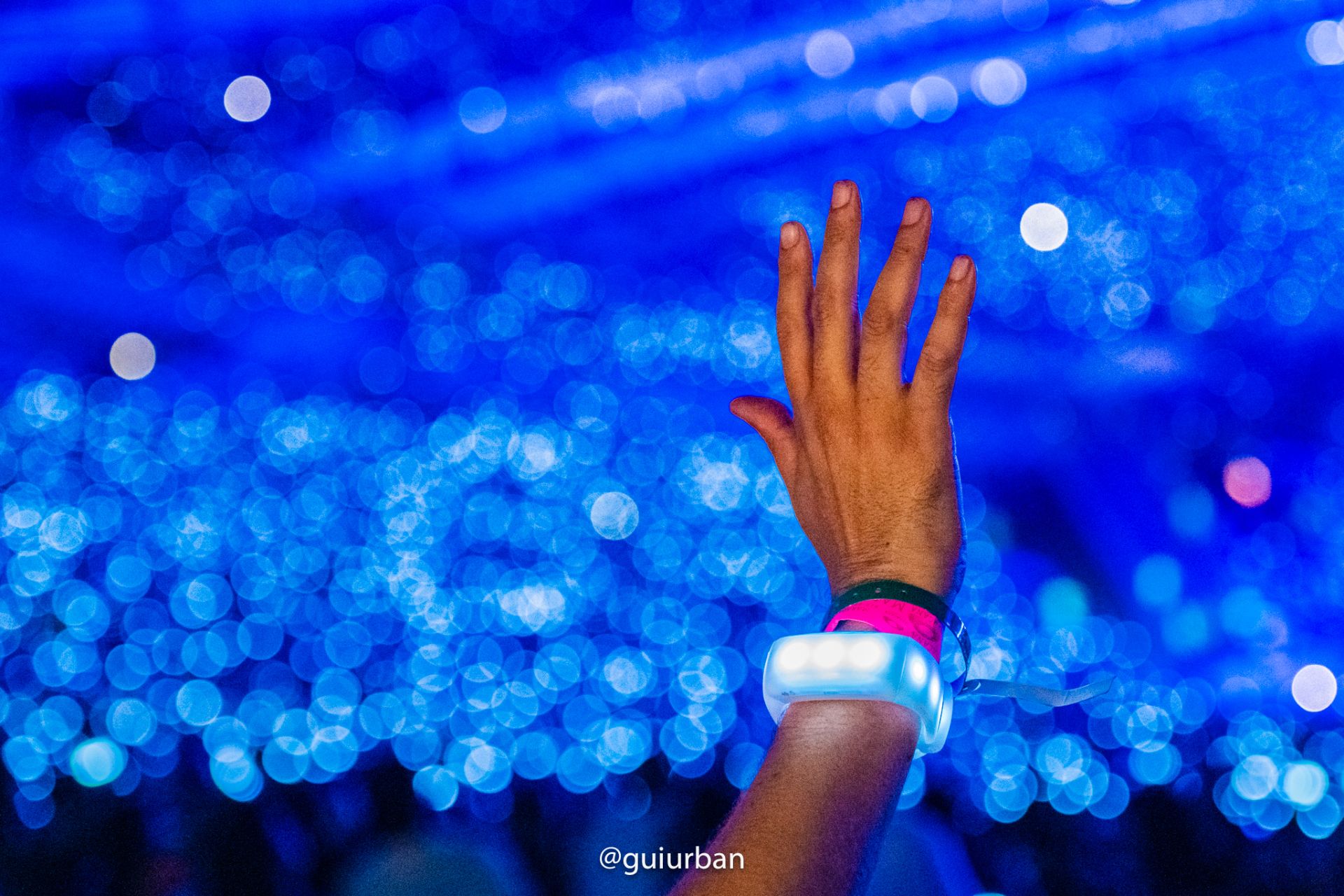
The same systems that power breathtaking light shows can also serve a powerful secondary function. At Xylobands, our journey began with a vision to unite audiences, turning them into a living canvas of light for artists like Coldplay. Our radio-controlled LED wristbands were designed to sync tens of thousands of people to the rhythm of a performance, creating moments of profound collective connection. Yet, the technology that makes this possible — a robust RF network capable of communicating with each individual wristband — holds deeper potential.
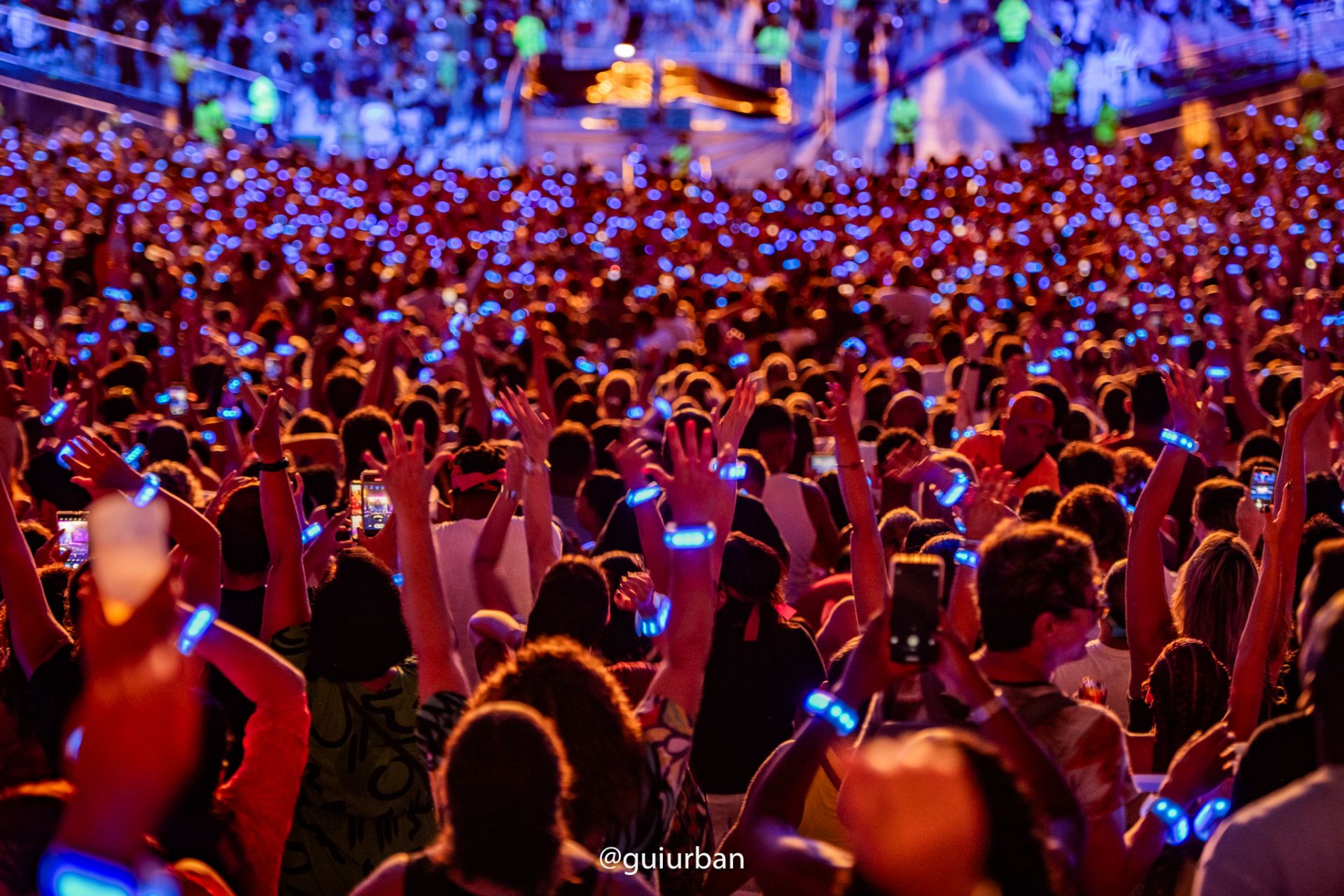
This network doesn’t just send signals out; it creates a dynamic grid across the event space. Each LED wristband or lanyard acts as a node within that grid. By grouping these nodes into zones, event producers and security teams can gain an unprecedented, top-down view of crowd dynamics. Imagine being able to see, at a glance, that Zone C near the main stage is reaching critical density, while Zone F by the food vendors is underutilised. This isn’t about tracking individuals; it’s about understanding the collective flow.
Key applications include:
- Real-Time Density Mapping: Visualising crowd concentration to identify potential crushes or bottlenecks before they form. Security can be redirected to encourage flow from a high-density red zone to a lower-density green zone.
- Egress and Evacuation Guidance: In an emergency, the wristbands themselves can become directional beacons. By illuminating specific zones in distinct colours or flashing patterns, organisers can guide sections of the crowd towards the safest and nearest exits, reducing panic and confusion.
- Lost Child/Person Protocol: In a designated family zone, wristbands can be programmed to flash a specific colour if a child is reported missing, allowing staff to quickly identify them in the crowd.
- Access and Zone Management: The technology can be used to control access to different areas, with custom LED wristbands lighting up green for authorised entry and red for non-access, streamlining security checks for VIP or backstage zones.
The Psychology of Light in Crowd Management
Beyond the raw data, light itself is a powerful psychological tool. Humans are naturally drawn to it. A gently pulsing light can create a sense of calm, while a flashing red light instinctively signals urgency or a boundary. This intuitive language can be used to subtly influence crowd behaviour in ways that feel natural, not authoritarian.
"We're moving beyond simply entertaining the crowd to actively communicating with them on a subliminal level. It's about creating a safer environment by making the audience an informed, active participant in the event’s operational flow. The same light that connects them to the artist can also guide them to safety."
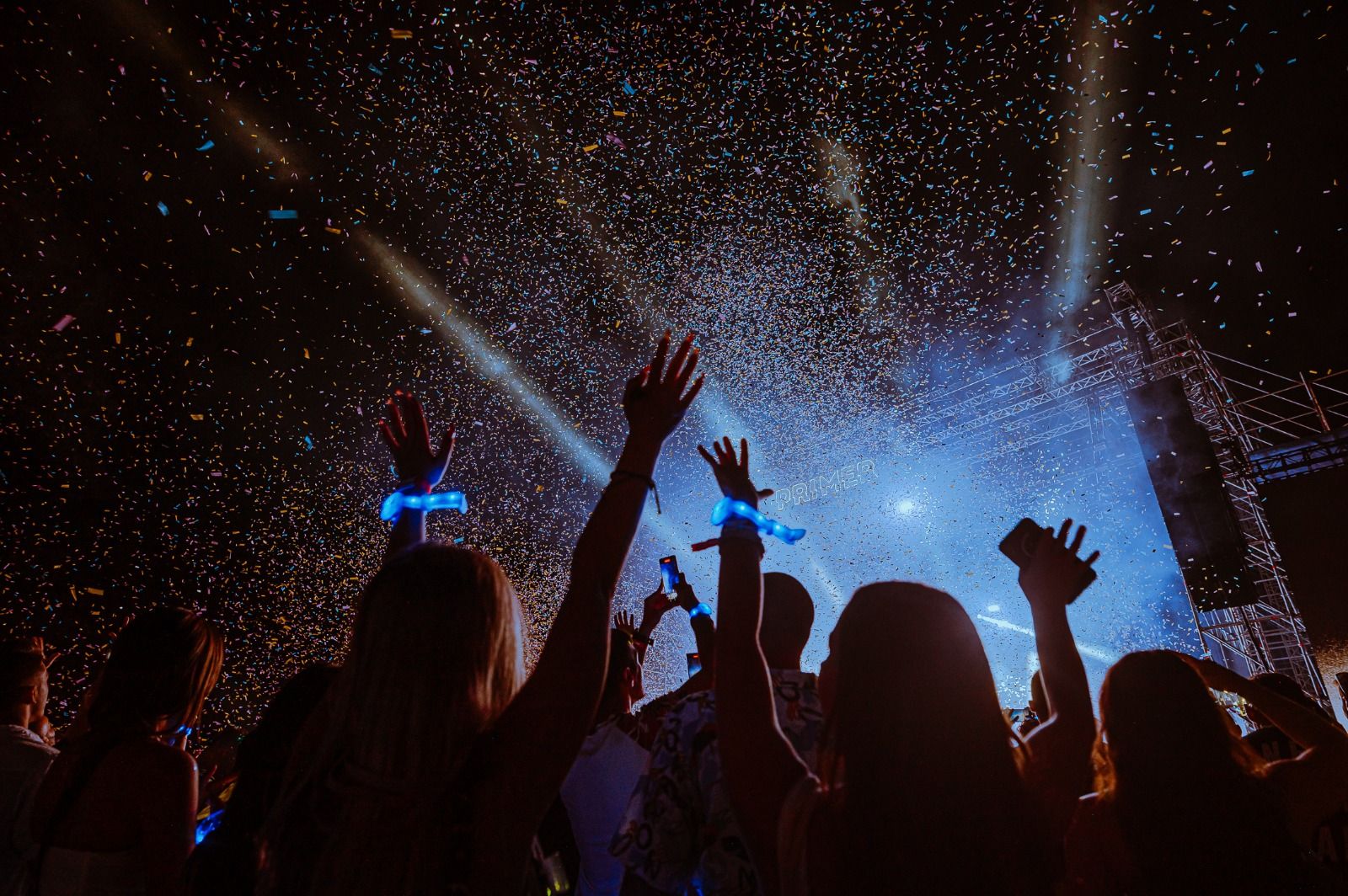
For large-scale events like the PRIMER Music Festival in Greece or concerts for global artists like Maluma, where thousands of fans fill vast spaces, these capabilities are transformative. The technology provides a layer of intelligence that supports the human expertise of the security and operations teams on the ground.
The Future is Integrated and Intelligent
The future of event safety lies in the seamless integration of systems. The wearable LED technology that creates stunning visuals for a Formula One celebration or a Davis Cup final is no longer a standalone element. It is becoming part of the central nervous system of the event, feeding data back into a dashboard that gives producers a god-like view of their domain.
This data stream can be anonymised and aggregated to provide invaluable post-event analytics. Organisers can review how crowds moved, where they lingered, and which areas were underutilised. This information is gold for planning future events, optimising layouts, improving signage, and ultimately, designing a safer and more enjoyable experience for everyone.
The era of passive audiences is over. Today, every attendee is a part of the show, a part of the atmosphere, and now, a part of the system that keeps them safe. As we continue to innovate, we are not just building more spectacular LED crowd experiences; we are building smarter, safer, and more connected temporary cities, one pulse of light at a time.