The Attention Economy: Why Immersion is the New KPI for Corporate Events
The End of the Passive Audience
The corporate event is at a crossroads. For decades, the model has been one of broadcast: a keynote speaker on a stage, a captivated (or captive) audience in the dark, and a PowerPoint deck as the primary vehicle for communication. But in an economy defined by a fierce competition for attention, this one-way, passive approach is no longer sufficient. Today’s audiences—be they employees, partners, or customers—are accustomed to a level of digital and sensory stimulation that makes a standard conference feel archaic. The real challenge for brand marketers and event producers is no longer just getting people in the room; it’s keeping them present, engaged, and connected.
This is where the concept of immersion moves from a creative buzzword to a critical Key Performance Indicator (KPI). A truly immersive event doesn’t just present information; it creates a memorable, multi-sensory environment that makes the audience an active participant in the narrative. It’s the difference between being told about a brand’s values and feeling them firsthand.
From Spectator to Stakeholder: The Power of Collective Experience
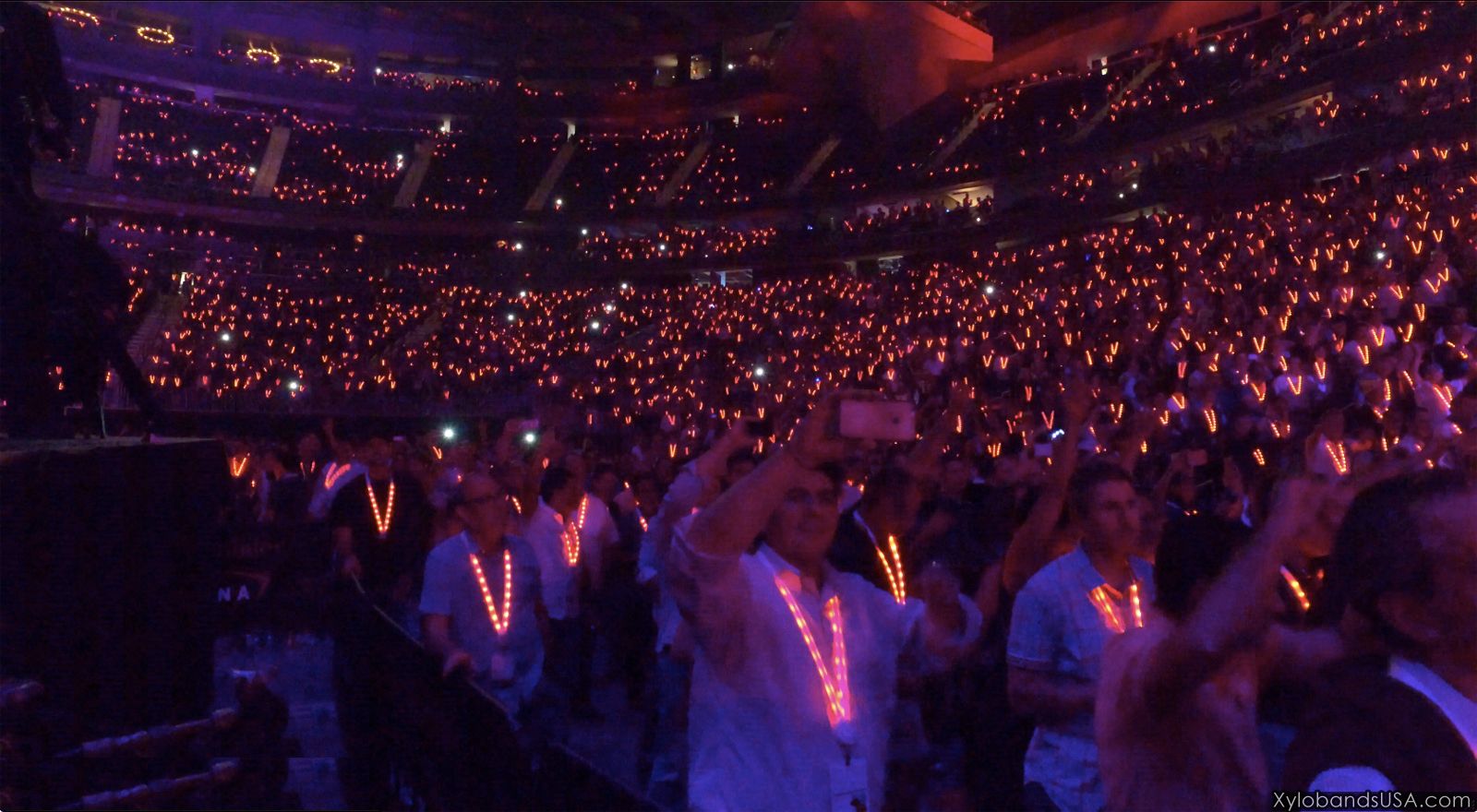
The psychological shift from passive spectator to active stakeholder is profound. When an individual feels they are part of the show, their level of investment and emotional connection skyrockets. This is the principle that has redefined live music and sporting events, turning vast stadiums into unified seas of light and energy. Artists like Coldplay, with their now-famous Coldplay Xylo Band shows, pioneered this model, understanding that a shared experience is a powerful catalyst for community.
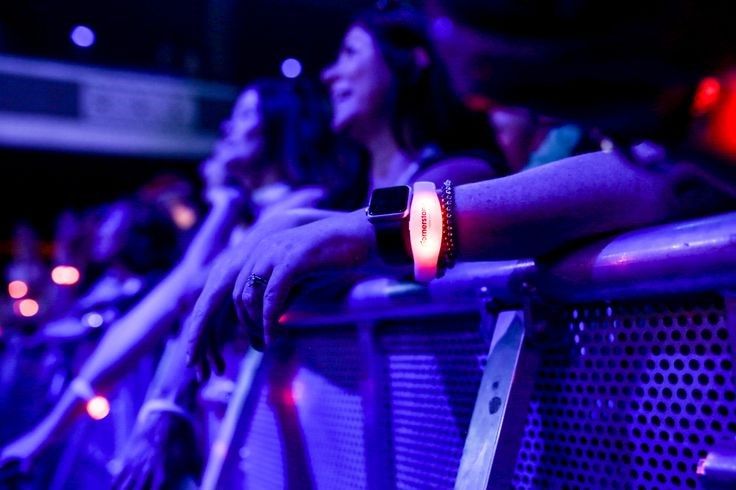
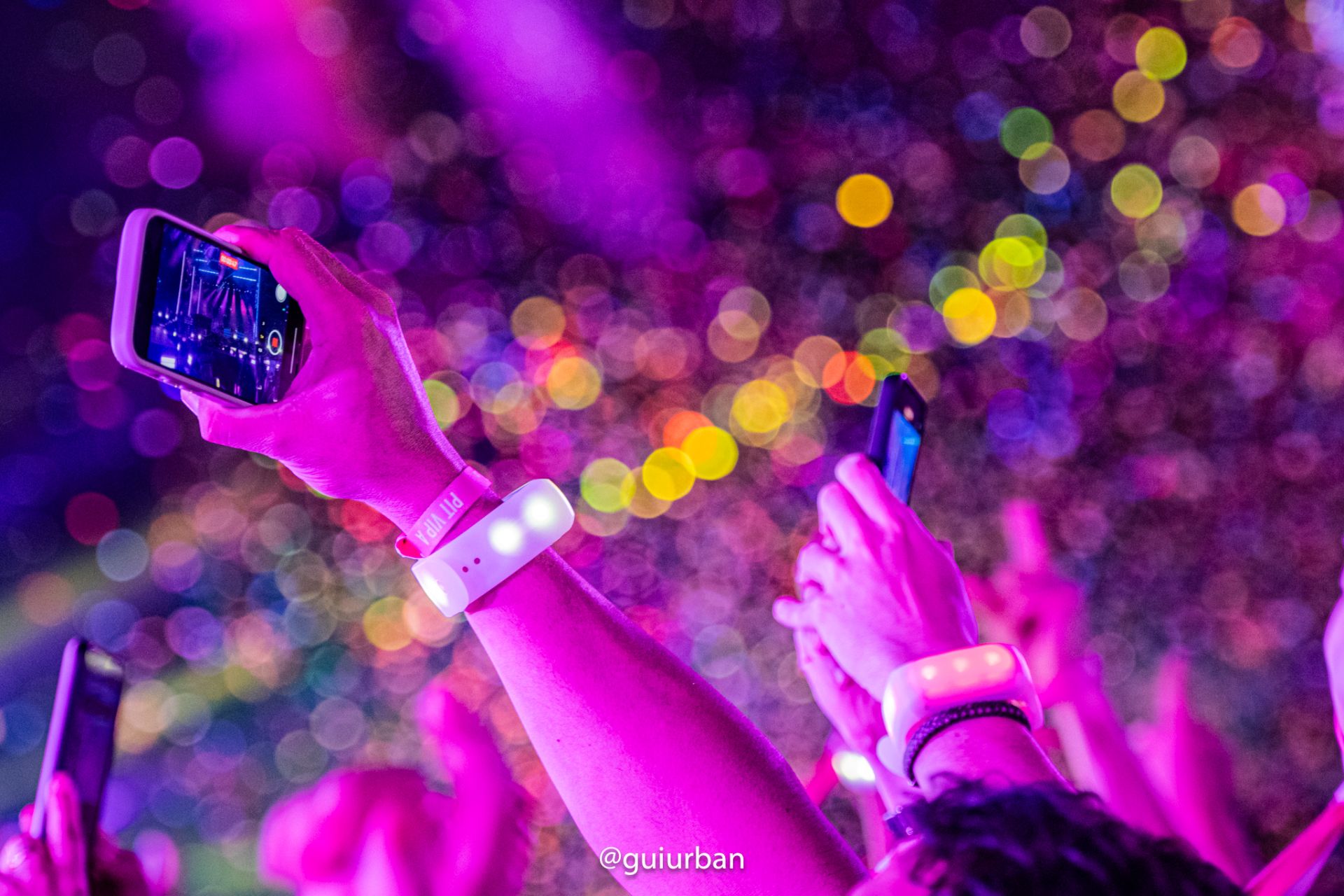
This same logic is transforming the corporate sphere. Brand activations for giants like Samsung, Google, and Audi are increasingly turning to immersive event technology not as a gimmick, but as a core component of their strategy. By equipping attendees with tools for participation, like LED wristbands or LED lanyards, they break down the invisible wall between the stage and the seats. Suddenly, an audience is not just watching a product launch; they are part of its unveiling, their collective energy visualized in pulses of light that ripple across the venue.
“When you make the audience part of the spectacle, you’re not just asking for their attention; you’re earning it. You’re co-creating a memory, and that’s a powerful foundation for brand loyalty.”
The Technology of Immersion: More Than Just Light
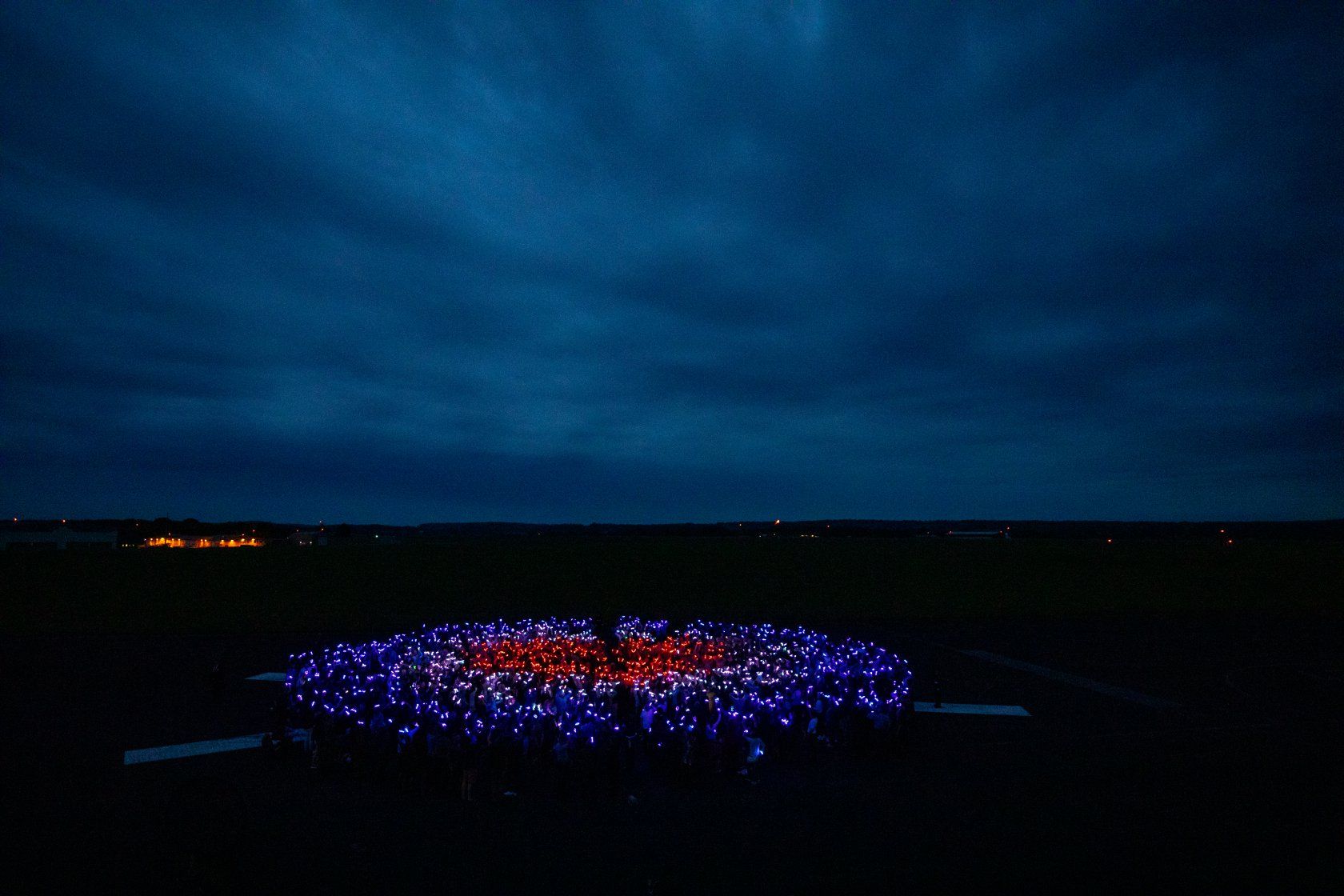
Achieving true immersion requires a sophisticated and reliable technical backbone. At its core, it’s about control, synchronization, and creating a seamless experience. Technologies like radio-frequency (RF) and DMX are the unseen engines powering these moments, allowing for the precise choreography of thousands of individual light sources, be they wristbands, lanyards, or even LED orbs strategically placed throughout a space.
Consider a large-scale brand conference. During a keynote, specific sections of the audience can be illuminated to correspond with regional sales data. A new product feature can be announced with a burst of color that emanates from the stage and washes over the entire room. These are no longer just visual effects; they are tools for storytelling, capable of focusing attention, emphasizing key messages, and creating a powerful sense of shared discovery. This is the essence of LED crowd experiences.
Case Study: Engineering Immersion for Global Brands
The application of this technology is incredibly versatile. At a major 75th-anniversary event for Formula One at The O2 Arena, we deployed 13,000 custom Xylo Pendants. These weren’t generic handouts; each pendant was branded for specific teams and hospitality levels, allowing the creative team to segment the audience with light, painting the arena in team colors and creating dynamic effects that were integral to the live broadcast. It transformed a celebratory event into a visually stunning, immersive spectacle that resonated with fans both in the arena and watching at home.
Similarly, for corporate clients like ITV, the goal is often to bridge the gap between a live studio audience and the millions watching on television. Using radio controlled LED wristbands, shows like Beat The Chasers can extend the drama and tension of the studio out into the living room, making the home viewer feel like part of the action. This is wearable LED technology used as a broadcast tool, enhancing the production value and audience engagement simultaneously.
The New ROI: Measuring the Impact of Immersion
How do you measure the ROI of a feeling? While metrics like social media mentions and post-event survey scores are valuable, the true impact of immersive corporate event activations lies deeper. It’s in the quality of attention, the creation of lasting memories, and the forging of a genuine emotional connection to a brand. A passive attendee might leave with a notebook full of facts; an engaged participant leaves with a story to tell.
In the attention economy, that story is the ultimate currency. An event that makes an individual feel seen, valued, and part of a collective moment is an event that builds advocates. It fosters a sense of belonging that no PowerPoint slide can replicate. As brands and producers plan their next gathering, the critical question must shift from "What will we tell them?" to "What will we make them feel?" By prioritizing immersion, you’re not just creating an event; you’re engineering loyalty.