The Universal Language of Light: A New Standard for Inclusive Live Events
The Universal Language of Light: A New Standard for Inclusive Live Events
In the world of live events, we traffic in moments of collective euphoria. We build worlds, tell stories, and create atmospheres that, for a few hours, unite thousands of strangers in a single, shared experience. But what if that experience isn’t truly shared by everyone? As our industry continues its relentless pursuit of innovation, a critical question is coming into focus: are we building these spectacular moments for everybody?
The conversation around accessibility in live entertainment has often been confined to physical infrastructure—ramps, accessible seating, and basic provisions. While essential, these are merely the table stakes. True inclusivity requires a deeper, more empathetic approach to design, one that considers the full spectrum of human sensory experience. It demands that we design not just for the typical attendee, but for every body and every mind in the crowd.
Beyond the Physical: Designing for Sensory Diversity
An inclusive event is one where sensory inputs are managed to welcome, rather than overwhelm. For individuals with sensory sensitivities, such as those on the autism spectrum, the chaotic, high-volume, and intensely bright environment of a typical concert or festival can be a significant barrier to entry. But it doesn’t have to be that way.
This is where technology, when applied with intention, can become a powerful tool for inclusion. Rather than adding to the sensory overload, modern Immersive Event Technology can be used to moderate and sculpt it. Imagine designated quiet zones where the audio is dampened, but the visual experience continues, translated into a calmer, more ambient light show on wearable tech. Or consider offering guests the ability to opt into a less intense lighting sequence via their wristband, giving them a measure of control over their environment.
This isn’t about diminishing the spectacle. It’s about offering different ways to experience it. By creating sensory off-ramps and customizable experiences, we can open our doors wider, ensuring that more people can participate fully and comfortably.
Light as a Unifying Medium
For guests who are D/deaf or hard of hearing, the traditional live event can feel like an incomplete experience, with the primary audio channel being inaccessible. Here, light can transcend its decorative role and become a primary communication tool. It can translate the rhythm, tempo, and emotional arc of a performance into a visual language that everyone can understand.
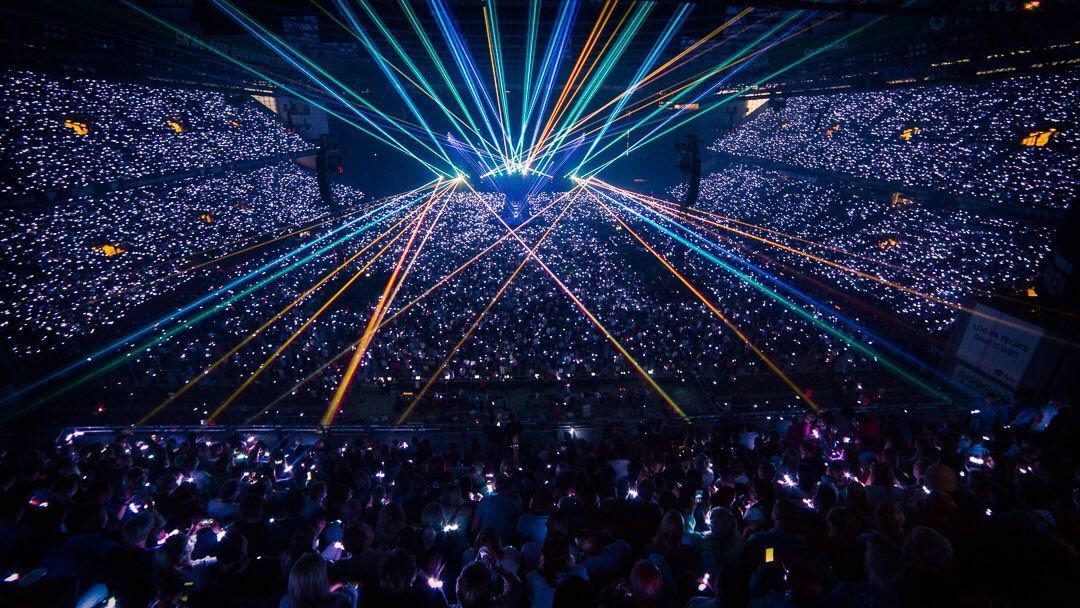
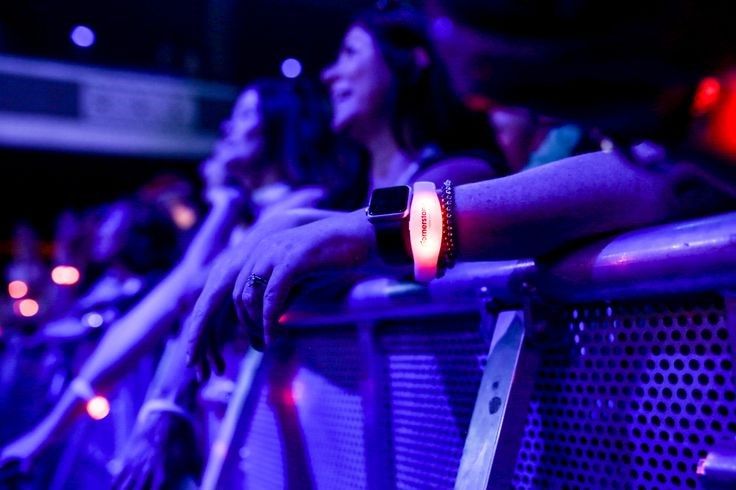
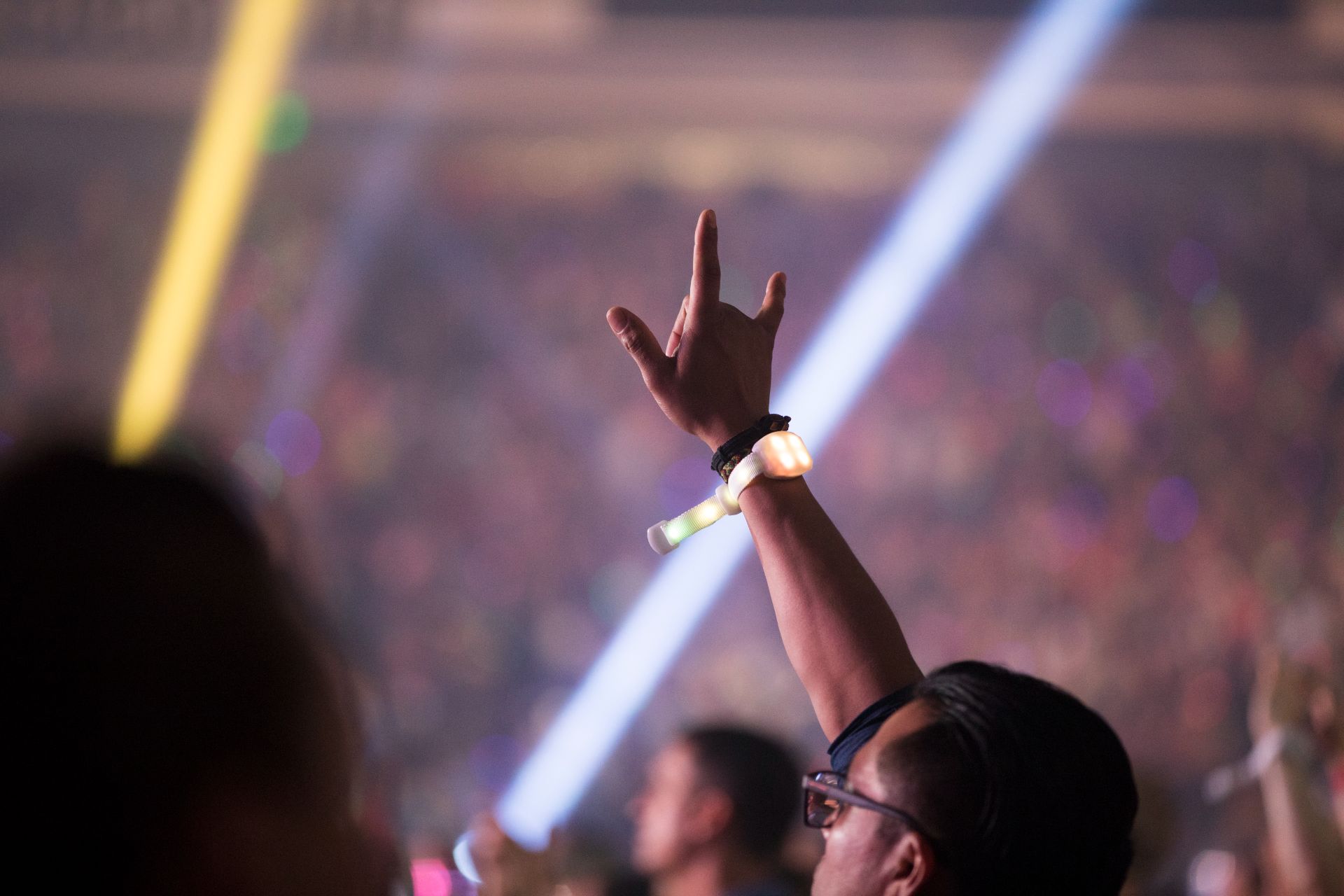
Radio Controlled LED Wristbands offer a powerful medium for this translation. Think of an entire stadium pulsing with the beat of the drum, or a gentle, slow fade of colour across thousands of wrists during a ballad. For someone who cannot hear the music, this synchronized wave of light provides a direct, visceral connection to the performance’s energy. It’s not just a substitute for sound; it’s a different dimension of the same experience. This is the power of Wearable LED Technology—it can turn an entire audience into a living, breathing visualisation of the music, a canvas for shared emotion.
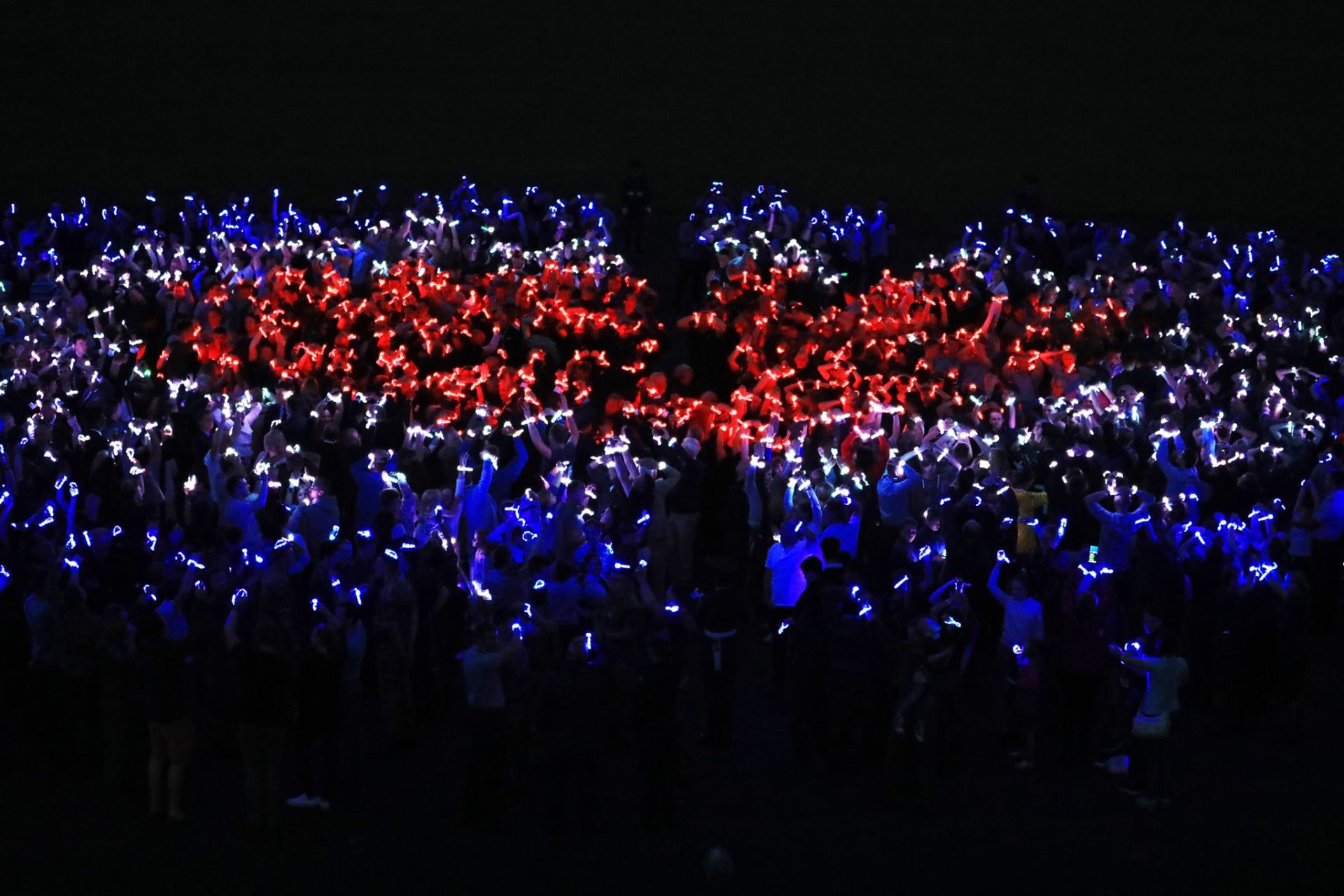
When we designed custom LED Lanyards for the Formula One 75th anniversary show, we weren't just lighting up a crowd; we were creating distinct visual identities for different fan groups within the arena. This same principle can be applied to create visual cues for key moments, safety announcements, or audience interaction prompts, ensuring that vital information is communicated through multiple channels.
A New Creative Canvas
This push for inclusivity isn’t a creative constraint; it’s a profound opportunity for innovation. It forces us to think more deeply about the fundamentals of connection and to find new, more universal ways to tell our stories. It challenges us to expand our definition of an audience member.
For example, how can we use LED Orbs or other distributed lighting elements to create navigational pathways for guests with low vision? How can the haptic feedback in next-generation LED Bands be used to signal key moments for those who are visually impaired? How can we use the data from our LED Experiences to understand crowd flow better and create more comfortable, less congested spaces for individuals with mobility challenges?
These are the questions that will define the next wave of innovation in live production. They move us beyond simply creating a spectacle and toward engineering a genuine sense of belonging. The goal is no longer just to put on a show, but to build a temporary community where every member feels seen, considered, and connected.
The Empathetic Bottom Line
Ultimately, inclusive design is not just a moral imperative—it’s a strategic one. An event that is welcoming to a wider range of people is an event with a larger potential audience. Brands that champion inclusivity in their Corporate Event Activations build deeper loyalty. Festivals that are known for their accessible design, like Glastonbury, cultivate a more diverse and dedicated following.
The technology to build these more inclusive worlds already exists. Xylobands were born from a desire to deepen the connection between artist and audience, to make tens of thousands of individuals feel like part of a single entity. That founding principle of unity is the same one that drives the movement for inclusive design. By leveraging tools like Concert Wristbands and immersive lighting with empathy and intention, we can create experiences that are not only dazzling, but also deeply and truly human. We can build spectacles that don’t just accommodate everyone, but celebrate them.