The Two-Fold Spectacle: Mastering Light for the Arena and the Global Broadcast
The Dual Mandate of Modern Event Lighting
In the world of high-stakes live production, an event is no longer just for the people in the room. It’s for the world. Every major concert, awards show, and sporting spectacle is a global broadcast, captured and streamed to millions of simultaneous viewers. This reality presents a dual mandate for event producers and lighting designers: create an electric, immersive atmosphere for the live audience while engineering a pristine, compelling visual experience for the camera. Mastering this two-fold spectacle is no longer a luxury; it’s the new standard for professional event production.
The challenge lies in the physics of light and perception. The human eye is a marvel of dynamic range, capable of processing immense contrast between light and shadow. A camera sensor is not. What feels atmospheric and dramatic in person can translate to a grainy, under-lit, or blown-out image on screen. The choreography of light must therefore serve two masters: the visceral, emotional response of the crowd and the exacting, technical demands of the broadcast lens.
From Venue to Screen: Bridging the Technical Divide
The first step in bridging this divide is understanding that camera-friendly lighting is not about compromise; it’s about strategic enhancement. It begins with a deep collaboration between the lighting director and the broadcast director, establishing a shared language and a unified vision from the earliest stages of pre-production.
Key Technical Considerations:
- Color Temperature and CRI: Consistency is paramount. All lighting elements, from key lights on performers to ambient audience lighting, must be calibrated to a consistent color temperature to ensure that colors—especially crucial brand colors and skin tones—are rendered accurately on screen. A high Color Rendering Index (CRI) is non-negotiable for broadcast-quality fixtures.
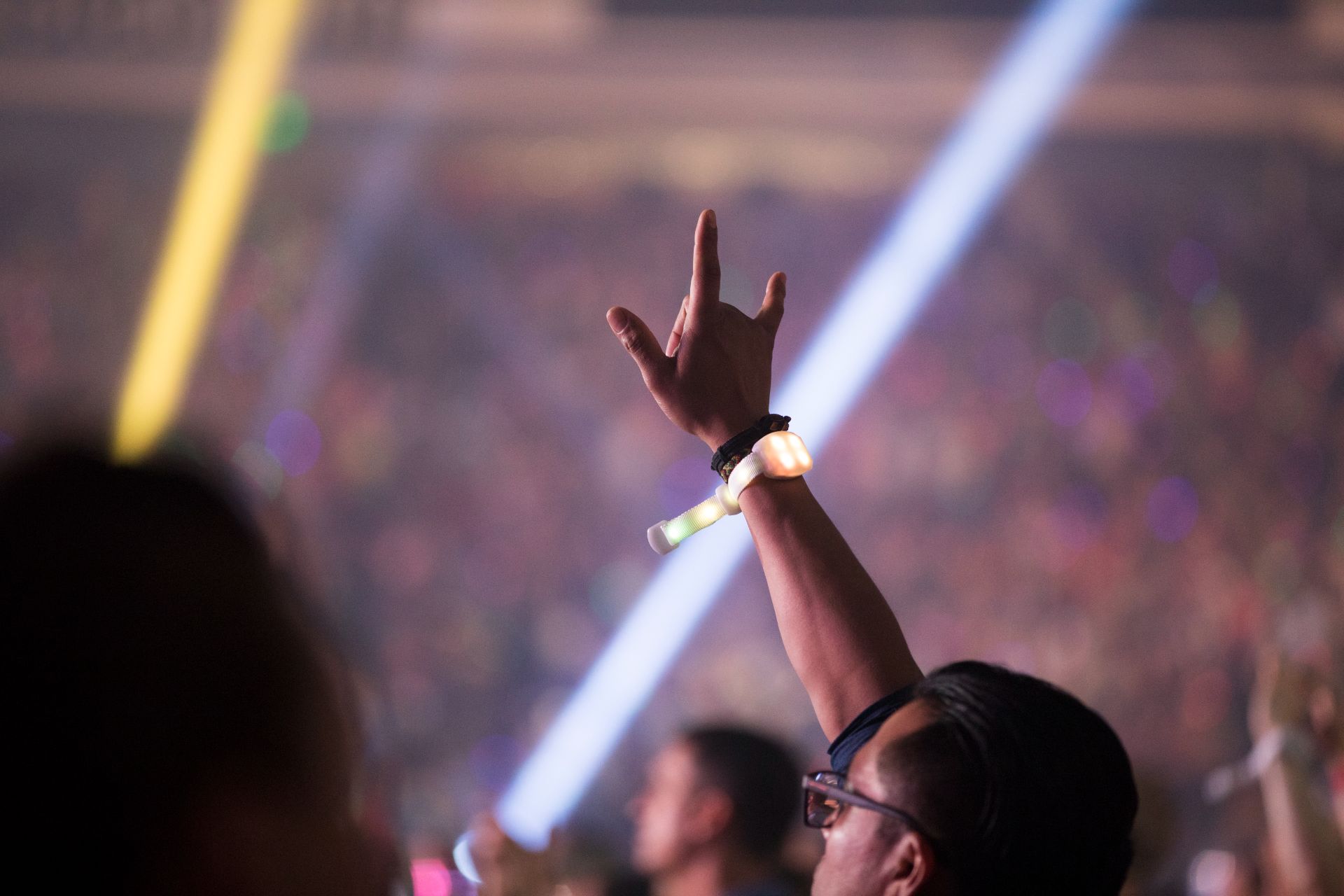
- Flicker-Free Operation: Many LED fixtures can produce a flicker that is invisible to the naked eye but painfully obvious to a high-speed camera sensor. All lighting elements, including any wearable LED technology, must be certified flicker-free at the frame rates used for broadcast. At Xylobands, our systems are engineered for exactly this, ensuring a clean shot every time.
- Dynamic Range and Contrast Ratios: The dramatic silhouettes and deep shadows that create a stunning in-person look must be balanced with sufficient fill light to avoid losing detail on camera. The goal is to manage the contrast ratio, ensuring that the brightest whites and darkest blacks both fall within the capture capabilities of the camera sensor.
The Audience as a Living Set
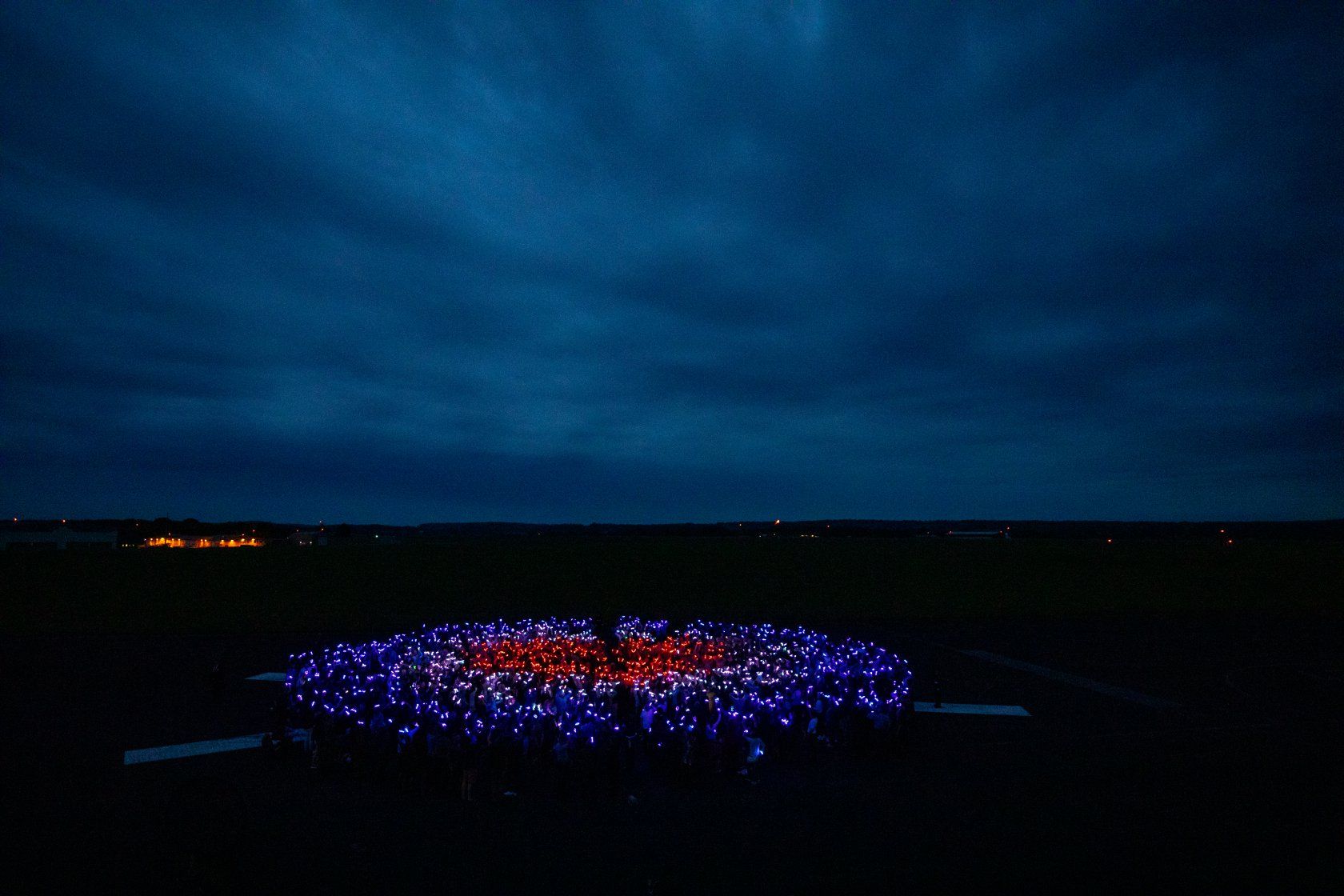
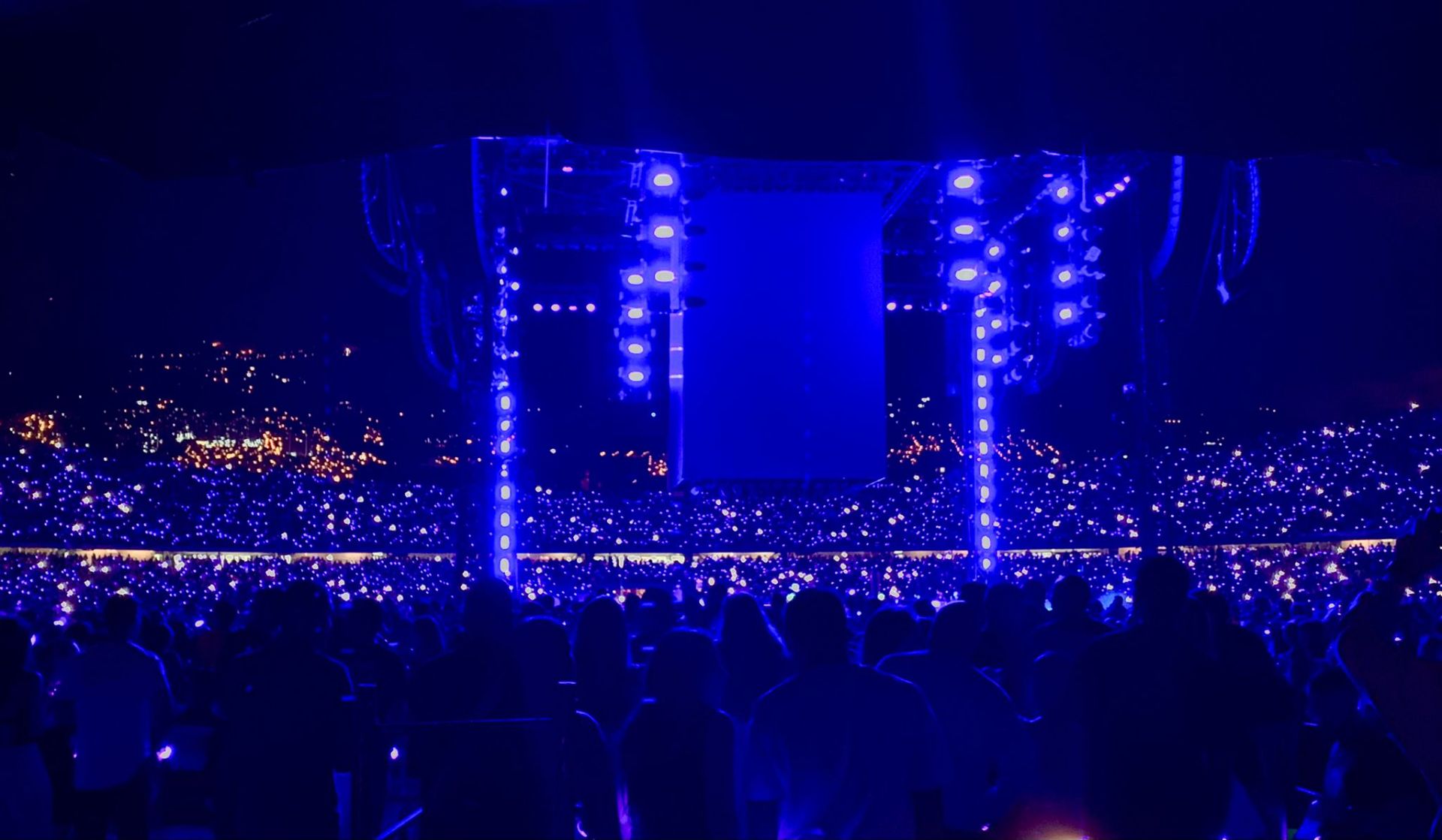
Perhaps the most powerful tool in the modern broadcast lighting arsenal is the audience itself. By turning attendees into an extension of the stage, you create a dynamic, vibrant backdrop that transforms the entire venue into a camera-ready set. This is where radio controlled LED wristbands and other forms of immersive event technology become indispensable.
"When you light the crowd, you’re not just illuminating people. You’re creating texture, depth, and a sense of scale for the broadcast. You’re showing the world the energy that the artist is feeling on stage."
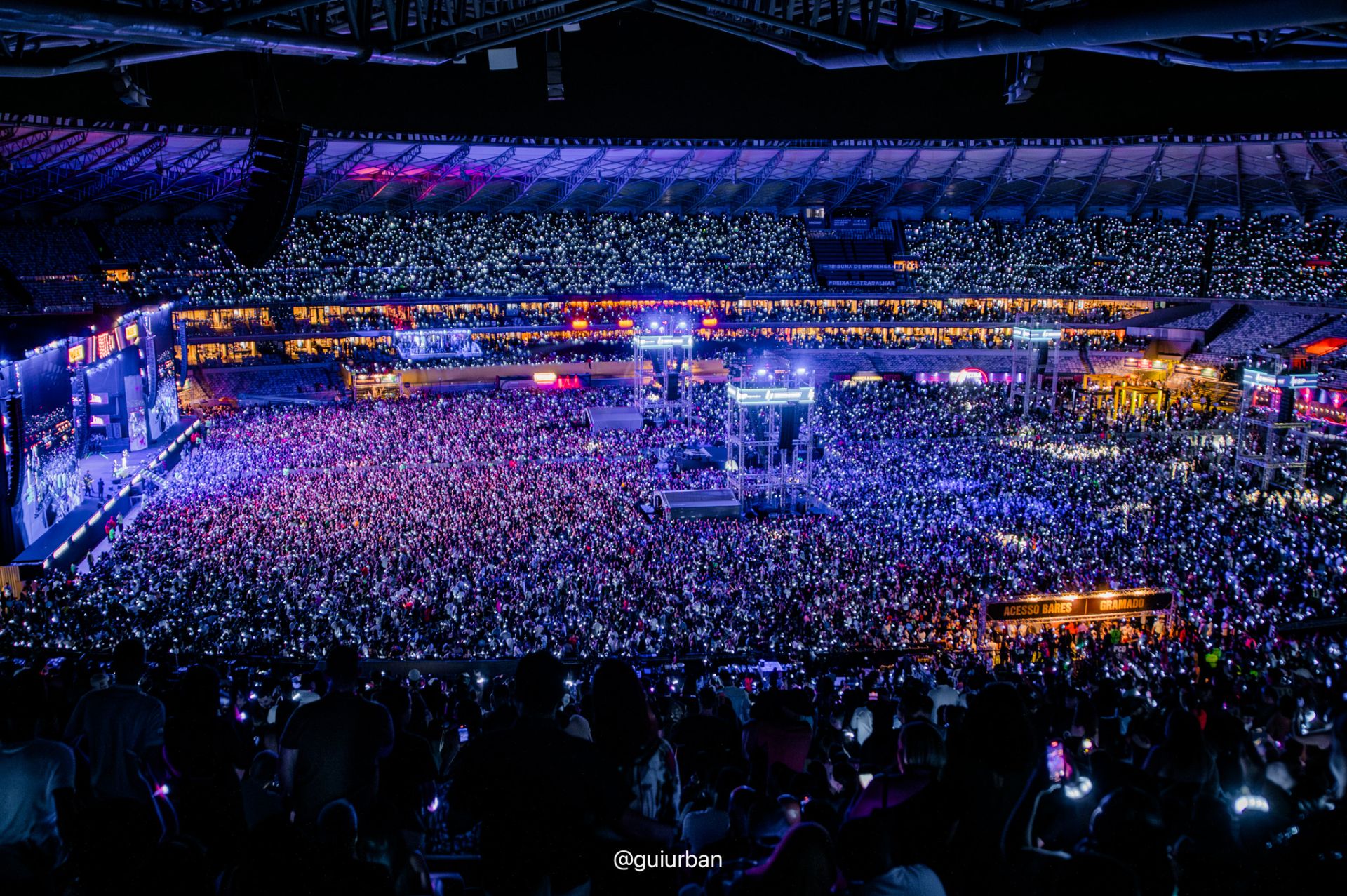
When Maluma’s historic hometown concert in Medellín was streamed live to over 240 countries, the thousands of synchronized Xylobands in the crowd didn’t just create a spectacular experience for the 54,000 fans in attendance. They provided the broadcast with a breathtaking visual scale, turning the entire stadium into a canvas of pulsating light. For global broadcasts like the 75th anniversary of Formula 1 or game shows like ITV’s ‘Beat The Chasers’, this synchronized crowd lighting adds a layer of polish and energy that translates directly through the lens, making the home viewer feel part of the collective excitement.
A Unified, Camera-Ready Spectacle
The future of live events is a hybrid of the physical and the digital. The most successful productions will be those that embrace this reality and design for both audiences simultaneously. It requires a new level of technical precision, a commitment to collaboration, and the right tools to execute a flawless vision.
By transforming the audience into an active part of the lighting design, producers can create stunning LED crowd experiences that are as powerful on a television screen in another continent as they are from the front row. It’s about crafting a single, unified spectacle that honors the energy of the room and the clarity of the broadcast. In this new era, we are all in the front row.