The Two-Audience Problem: Lighting for the Lens and the Live Spectacle
The Two-Audience Problem: Lighting for the Lens and the Live Spectacle
Every major live broadcast, from a national awards show to a global sporting event, faces the same fundamental challenge: it has two distinct audiences. There is the immediate, physical audience—the thousands of fans, stakeholders, or employees gathered in the venue, feeling the energy and the bass in their chests. And then there is the broadcast audience—the millions of viewers watching from their living rooms, expecting a polished, cinematic, and emotionally resonant television experience. Serving both is a complex technical and creative tightrope walk, and nowhere is this more apparent than in the discipline of lighting.
Lighting for a live event is about creating mood, directing focus, and generating palpable energy. Lighting for a camera is a different science altogether. It’s a game of colour temperatures, flicker rates, dynamic range, and sensor limitations. A spectacular effect for the human eye can translate into a noisy, blown-out, or visually chaotic mess on screen. Solving this "two-audience problem" is the new frontier of technical production, demanding a sophisticated fusion of live-event artistry and broadcast-engineering precision.
The Camera Sees Differently
The core of the challenge lies in the fundamental differences between the human eye and the camera sensor. Our eyes can perceive an astonishingly wide range of brightness and colour, adapting almost instantly to changing conditions. A camera sensor, even a high-end broadcast model, is far more limited. It requires a carefully controlled environment to produce a clean, compelling image.
Key considerations for the broadcast feed include:
- Flicker Rate: Many LED sources, especially those not designed for broadcast, can produce a subtle flicker that is invisible to the naked eye but creates distracting banding and strobing effects on camera. Professional-grade equipment must be flicker-free at the high frame rates used in modern television production.
- Colour Temperature & CRI: The camera is clinical in its interpretation of colour. A slight green or magenta cast from an LED source might go unnoticed in a high-energy live setting, but it will make skin tones look unnatural on screen. Lighting instruments must have a high Colour Rendering Index (CRI) to ensure that colours, especially the critical tones of human faces, are rendered accurately.
- Dynamic Range: The darkest shadows and the brightest highlights in a stadium or arena can far exceed what a camera sensor can capture in a single frame. A lighting designer for broadcast must manage this dynamic range, using fill light to lift shadows and avoiding overly bright, concentrated hotspots that would blow out the highlights and lose all detail.
From Passive Viewership to Active Canvas
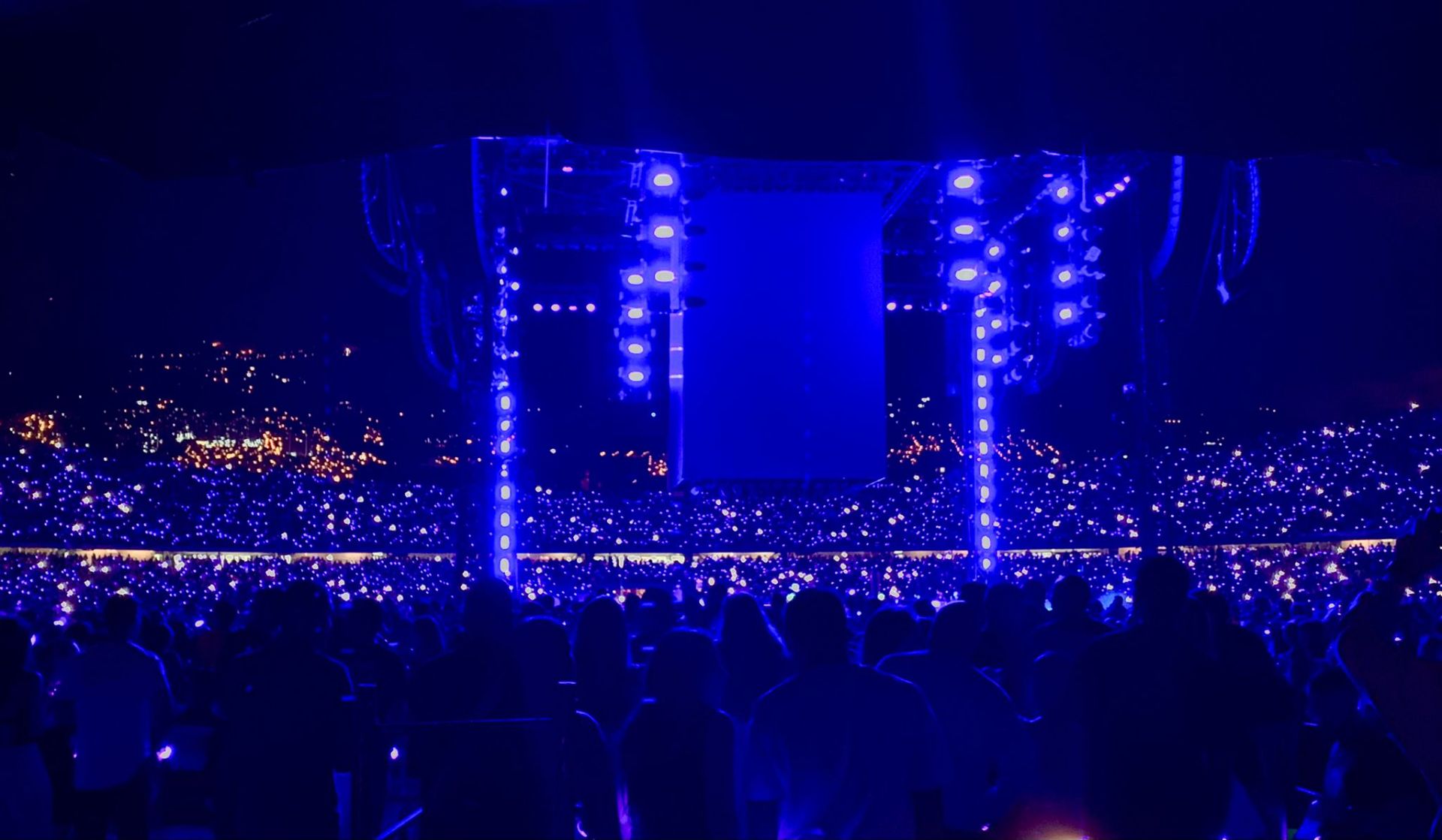
For decades, the live audience was simply part of the scenery for the broadcast—a sea of anonymous faces in the dark. The advent of Wearable LED Technology has completely rewritten this paradigm. The crowd is no longer just a backdrop; it is now a dynamic, controllable, and camera-friendly canvas. This is where the two audiences begin to merge.
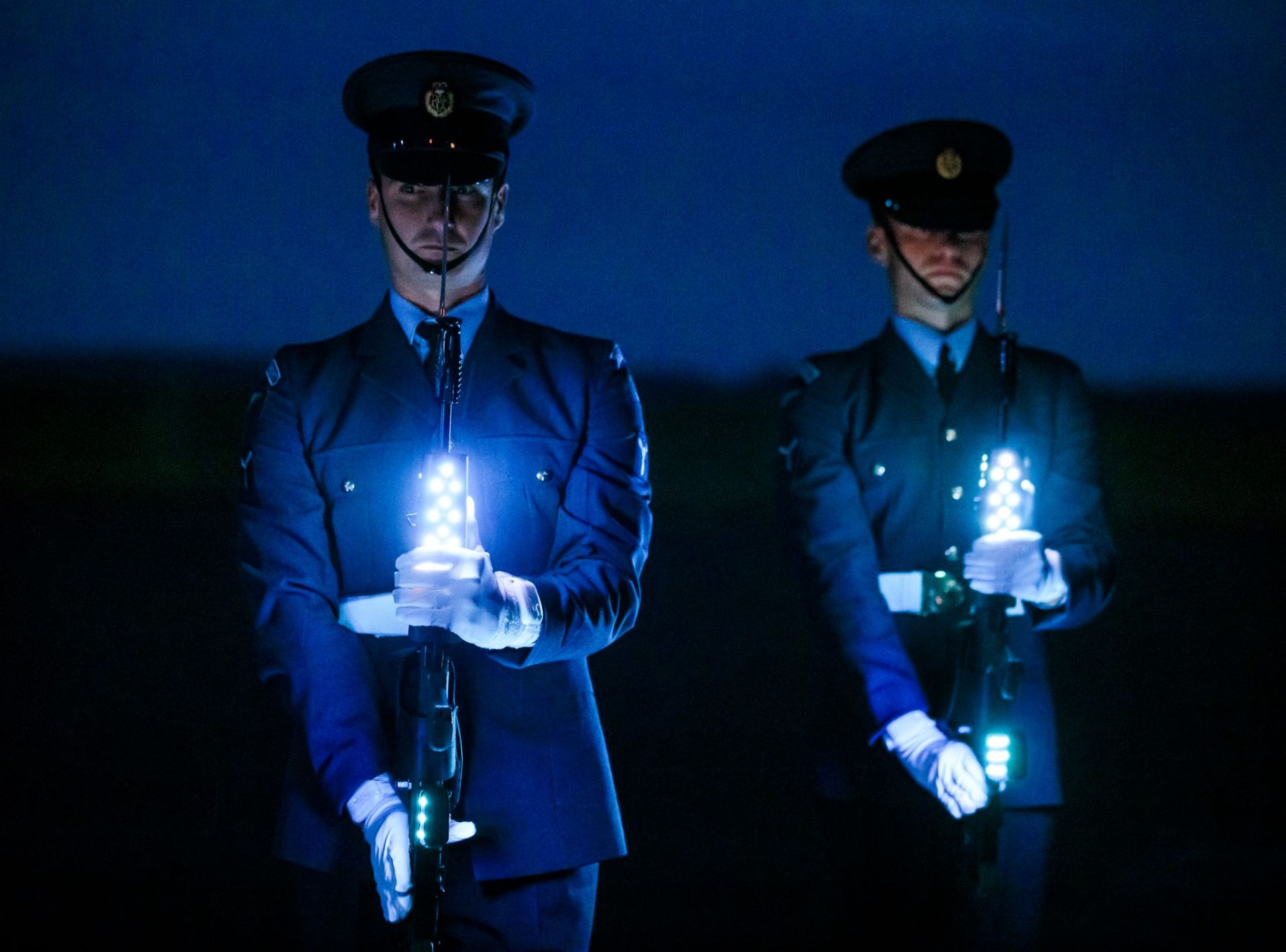
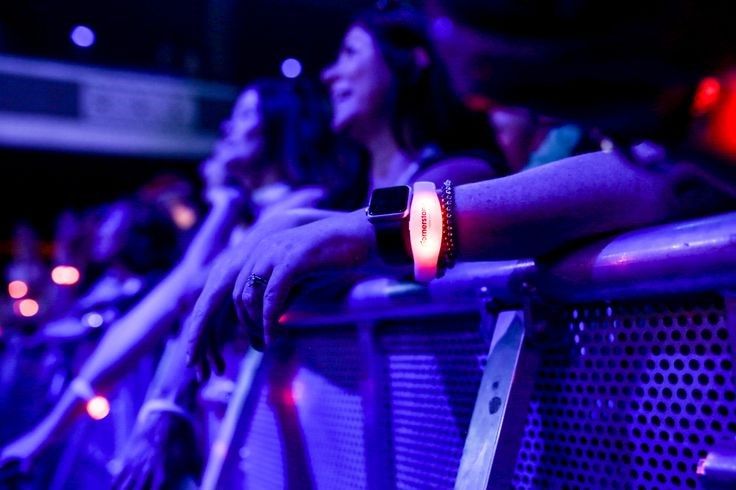
By deploying Radio Controlled LED Wristbands or LED Lanyards, production teams can transform tens of thousands of individuals into a single, cohesive visual element. This is a game-changer for broadcast. Instead of a dark, energy-sucking void, the camera now sees a living, breathing light show that ebbs and flows with the performance. We’ve seen this to stunning effect in our work with broadcast giants like ITV and on high-stakes live productions like Beat The Chasers UK, where the studio audience becomes an integral part of the show’s visual tension and release.
The goal is to create moments that feel spectacular for the person in the back row of the arena and look just as breathtaking to the person watching on a smartphone screen halfway around the world.
Engineered for the Broadcast Ecosystem
Integrating crowd lighting into a broadcast environment requires robust, reliable technology. The systems that power these Immersive Event Technology experiences must be engineered for the zero-failure reality of live television. At Xylobands, our systems are built around a proprietary RF protocol designed to operate flawlessly in the most challenging signal environments, cutting through the noise of thousands of mobile phones, broadcast cameras, and security radios.
This allows for precise, real-time control, enabling a lighting director to:
- Segment the Audience: Create intricate patterns, chases, and colour blocks that sweep across the venue, turning the crowd into a massive, low-resolution video screen.
- Sync with Cameras: Trigger light cues that are perfectly timed to camera switches, creating a seamless and powerful visual narrative for the broadcast audience.
- Enhance Key Moments: Punctuate a winning goal, a show-stopping chorus, or a dramatic reveal with a unified pulse of light that galvanizes the live audience and translates as pure visual excitement on screen.
The success of global broadcast events, from the Formula One 75th-anniversary show to Maluma’s historic hometown concert in Medellín, hinges on this dual focus. The light that guides the eye in the venue must also be the light that tells the story through the lens. By embracing technology that considers both audiences from the outset, we can create truly immersive events that collapse the distance between the stadium and the living room, uniting millions in a single, shared spectacle of light.