The New Frontier of Fan Engagement: Choreographing the Modern Sports Spectacle
The Roar of the Crowd, Reimagined
The whistle blows. The halftime siren screams. For generations, this was the signal for a mass exodus—a frantic rush for concessions, a quick scroll through social media, a collective tuning-out. The main event was on pause, and with it, the energy of the stadium dissipated, leaving a vacuum in its wake. But what if the intermission wasn’t an interruption? What if it was the main event?
In the high-stakes world of modern sports entertainment, the game is no longer the only spectacle. The new frontier of fan engagement is being fought and won in the moments between the action. Today’s sports marketers, show producers, and choreographers are treating the entire event as a single, continuous performance. From the pre-game hype to the post-match celebration, every second is an opportunity to captivate, to unify, and to create an unforgettable experience. At the heart of this revolution is a new understanding of the audience—not as passive spectators, but as the most dynamic element of the show itself.
The Anatomy of the Modern Halftime Show
The halftime show has evolved from a perfunctory diversion into a multi-million-dollar production, a cultural moment watched by millions globally. Artists and production teams are tasked with creating a stadium-sized spectacle in a fraction of the time it takes to stage a full concert. The logistical and creative pressures are immense.
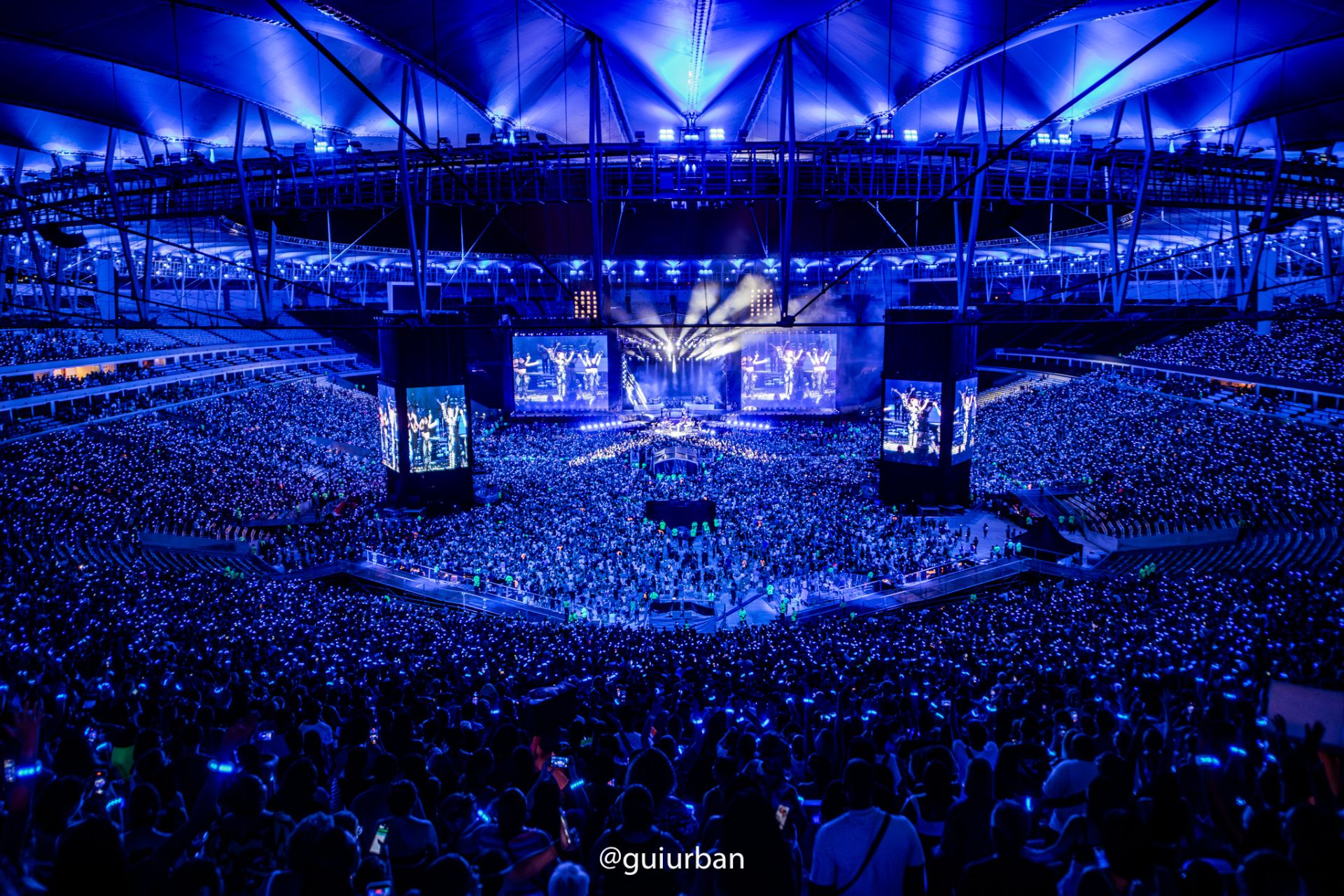
This is where the choreography extends beyond the performers on stage. It encompasses the entire stadium, transforming it into a living, breathing canvas of light and sound. The audience becomes an integral part of the performance, a sea of synchronized light that ebbs and flows with the music. This is the power of immersive event technology.
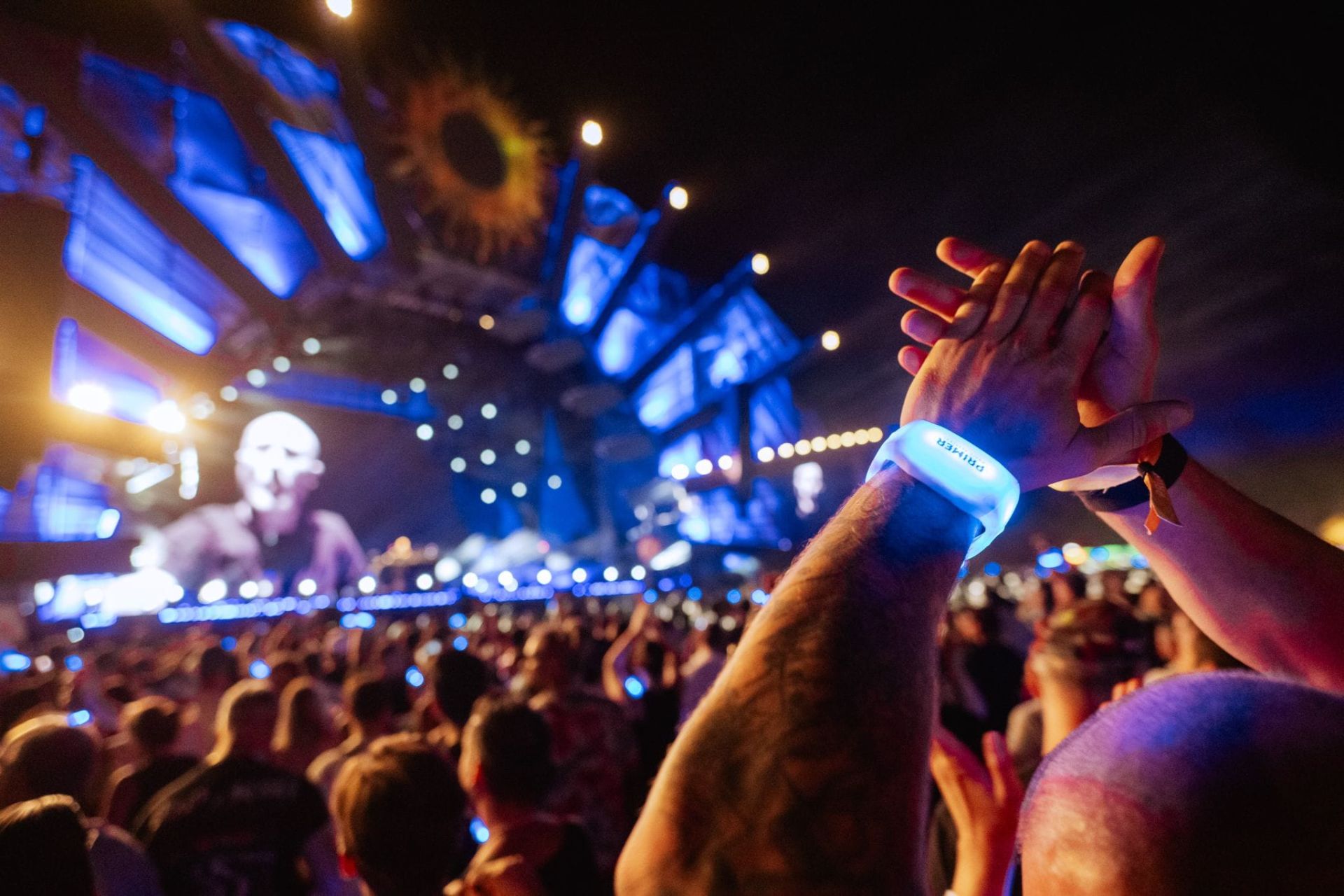
When we collaborated with the Davis Cup, the “World Cup of Tennis,” the challenge was to create a sense of unity and national pride in a famously individual sport. By deploying radio controlled LED wristbands, we were able to paint the entire arena in the colours of the competing nations, creating a stunning visual representation of the passionate support in the stands. Each flash of light, perfectly timed to the on-court action and the stadium’s music, transformed thousands of individuals into a single, cohesive entity.
Beyond the Halftime: Integrating Light into the Game
The application of this technology isn’t limited to the halftime show. Progressive teams and leagues are weaving LED crowd experiences into the very fabric of the game. Imagine a basketball arena where every fan’s wristband pulses with the team’s colours during a crucial free throw, or a football stadium that erupts in a synchronized flash of light after a touchdown. This is not just about creating a visually stunning moment; it’s about amplifying the existing emotion, making the highs higher and the moments of collective celebration even more powerful.
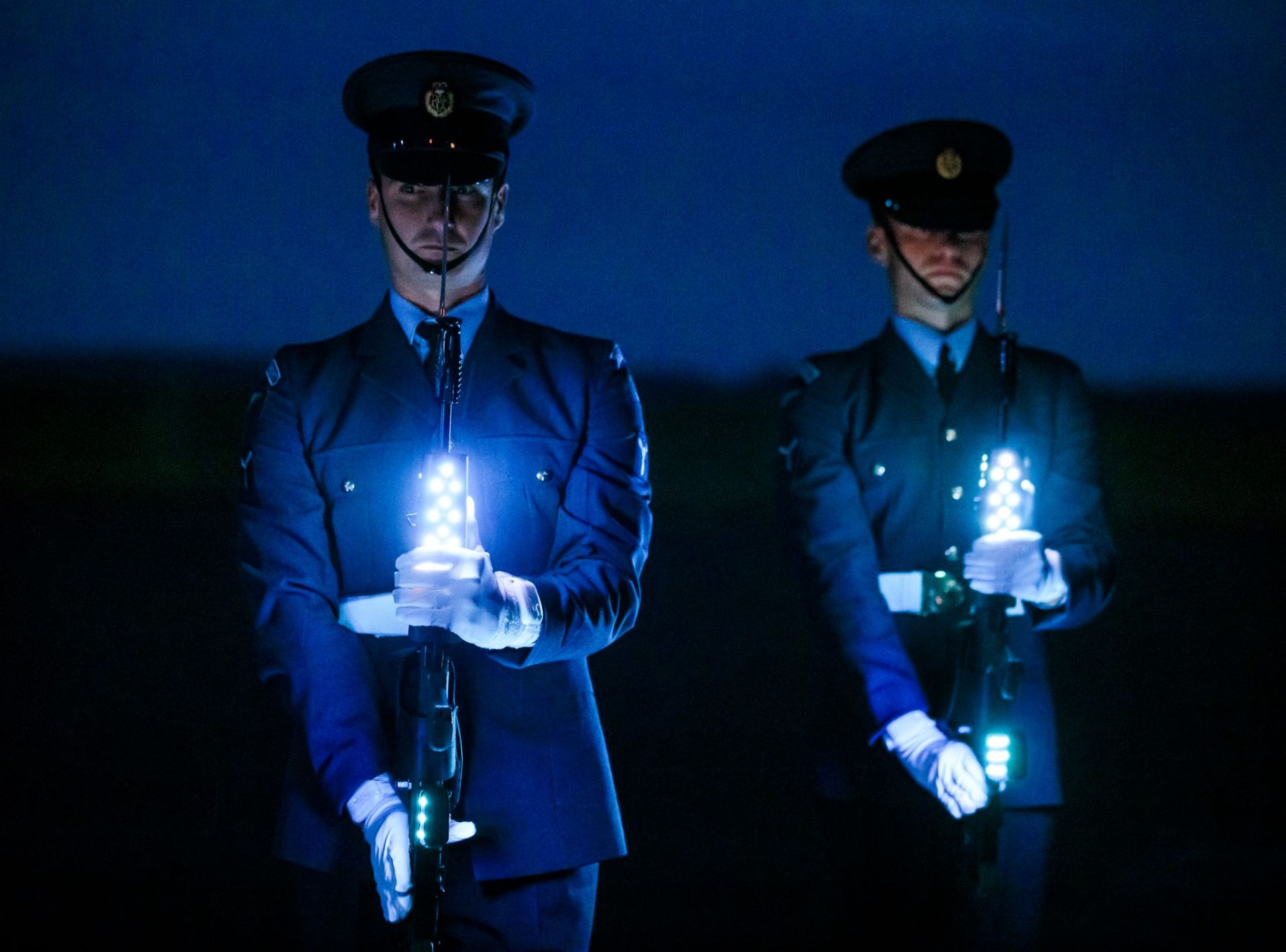
This is where tools like our Xylobands become more than just a piece of technology. They become a conduit for emotion, a way to physically manifest the energy of the crowd. For events like the Formula One 75th Anniversary, we developed custom LED Lanyards, allowing for branding opportunities for each team and creating a dynamic visual tapestry that brought the entire O2 Arena to life. It’s a testament to the power of seeing the crowd not just as consumers of the experience, but as co-creators.
The Choreography of Light: A New Skillset
This new era of sports entertainment requires a new kind of creative thinking. The modern show choreographer must now think like a lighting designer, a live-to-broadcast producer, and a crowd psychologist. They are no longer just directing dancers on a stage; they are conducting an orchestra of light played by tens of thousands of people.
This involves a deep understanding of:
- Timing and Pacing: Knowing when to use the light to build anticipation, when to create a moment of stunning visual impact, and when to let the on-field action take centre stage.
- Colour Psychology: Using colour to evoke specific emotions—the tension of a penalty shootout, the euphoria of a last-minute victory, the celebratory spirit of a championship win.
- Spatial Dynamics: Seeing the stadium not as a collection of individual seats, but as a three-dimensional canvas. How can light be used to create patterns, to draw the eye, to make a vast space feel intimate and connected?
Our work with clients like the Chicago Blackhawks, Arsenal FC, and the New York Knicks has shown us that when the lighting is choreographed with the same precision and artistry as the on-field play, the result is an experience that resonates on a much deeper level. It’s the difference between watching a game and being a part of it.
The Future is Audience-Centric
As we look to the future, the trend is clear: sports entertainment will become increasingly personalized, participatory, and immersive. The technologies that allow for this shift—wearable LED technology, augmented reality, real-time data integration—are evolving at a breathtaking pace. But technology alone is not the answer.
The true innovation lies in the creative application of these tools. It’s about understanding the unique culture of a team’s fanbase and designing an experience that speaks directly to them. It’s about using light and sound to tell a story, to build a community, and to create moments of shared identity that last long after the final whistle has blown.
The modern sports spectacle is no longer a one-way broadcast. It’s a conversation. And with every flash of a Coldplay Xyloband at a concert or an LED wristband at a championship game, the audience is responding, adding their voice to the roar of the crowd, and becoming an undeniable part of the show.