Lighting for the Lens: Engineering Immersive Broadcast Events
The Two-Audience Challenge: In-Venue vs. At-Home
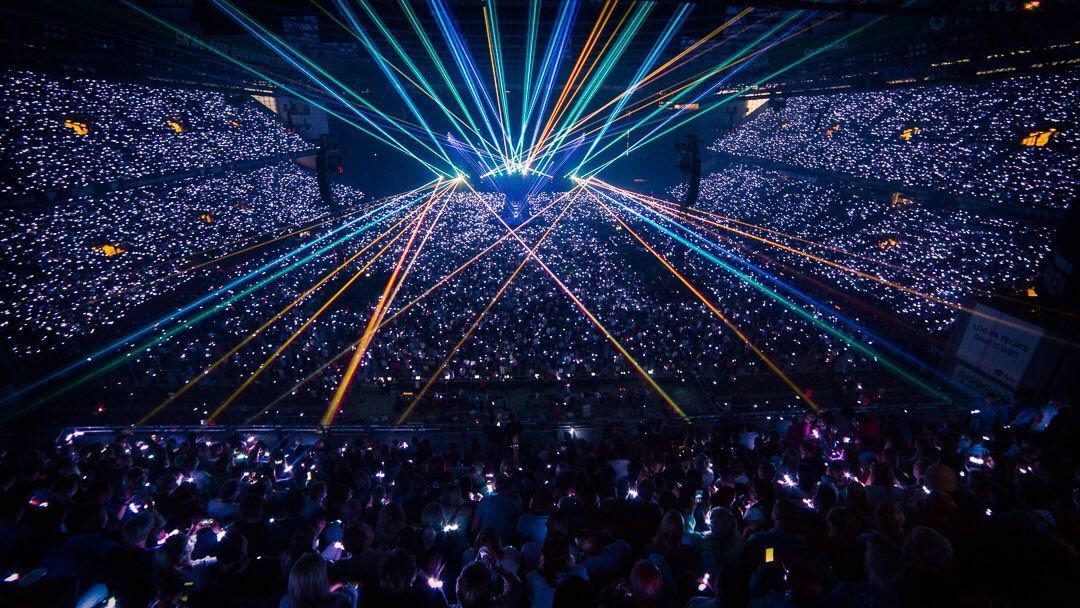
Live broadcasting transforms an event into two distinct experiences happening simultaneously. There is the immediate, visceral energy of the venue—the cheers, the shared emotion, the physical presence of the performers. Then there is the curated, intimate experience of the viewer at home, translated through the lens of a camera. For event producers and lighting designers, this creates a unique challenge: how do you create a lighting experience that serves both audiences without compromise?
The camera is an unforgiving observer. Traditional stadium lighting, designed for the human eye, can appear harsh or flat on screen. On-stage effects can blow out highlights or create sensor flicker, while the audience, often shrouded in darkness, becomes a passive, unseen entity. In the modern broadcast era, where viewer engagement is paramount, leaving the audience in the dark is a missed opportunity. The solution lies in creating a visual dialogue between the stage, the crowd, and the camera.
The Unseen Audience: Bringing the Crowd into the Frame
Broadcasters like ITV have long understood the power of audience reactions to create compelling television. Shows like Beat The Chasers don’t just happen on stage; they unfold across the entire studio. The collective gasp, the shared laughter, the eruption of applause—these are central to the drama. By integrating audience lighting into the show’s design, producers can turn passive spectators into active participants in the narrative.
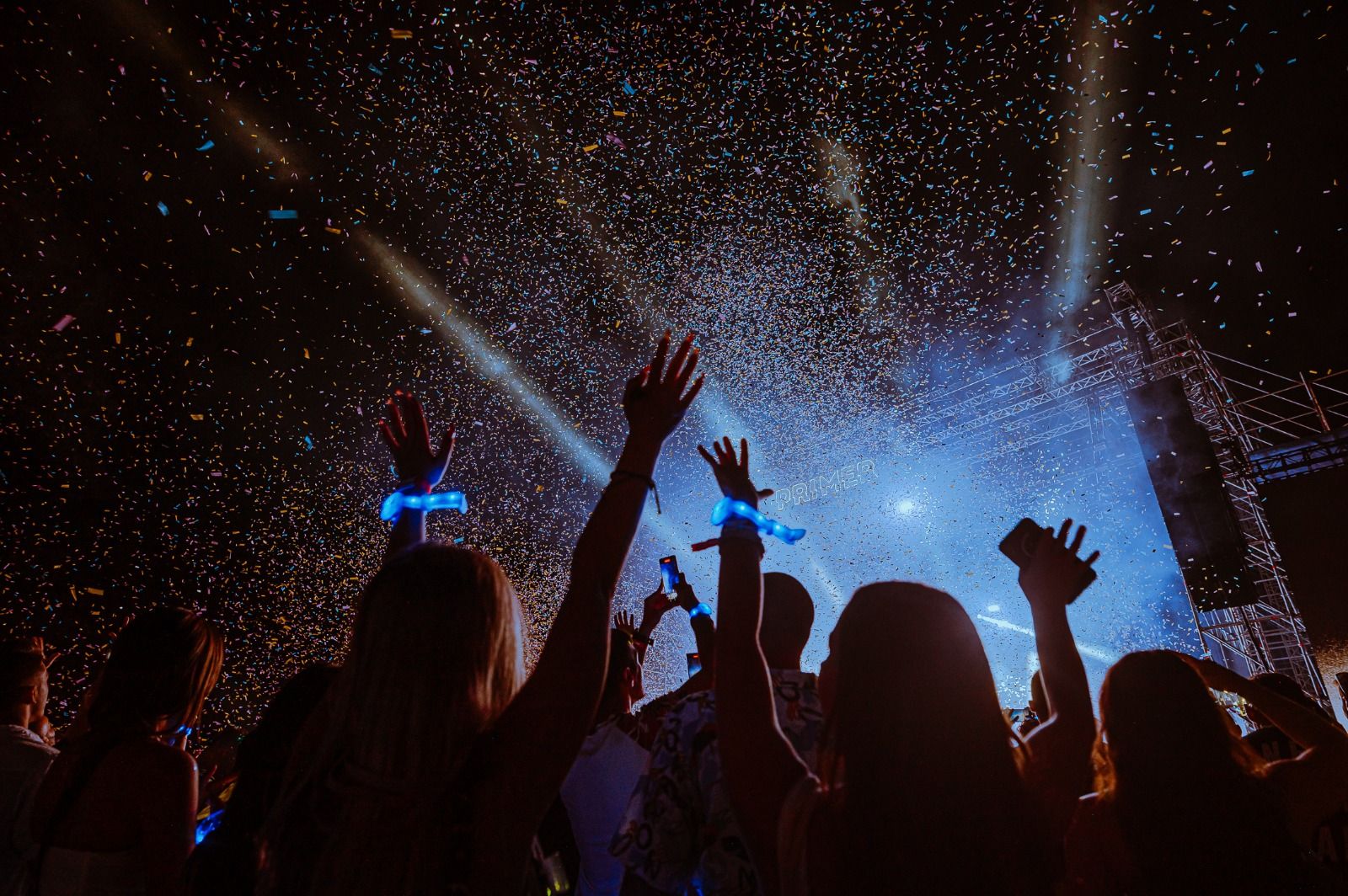
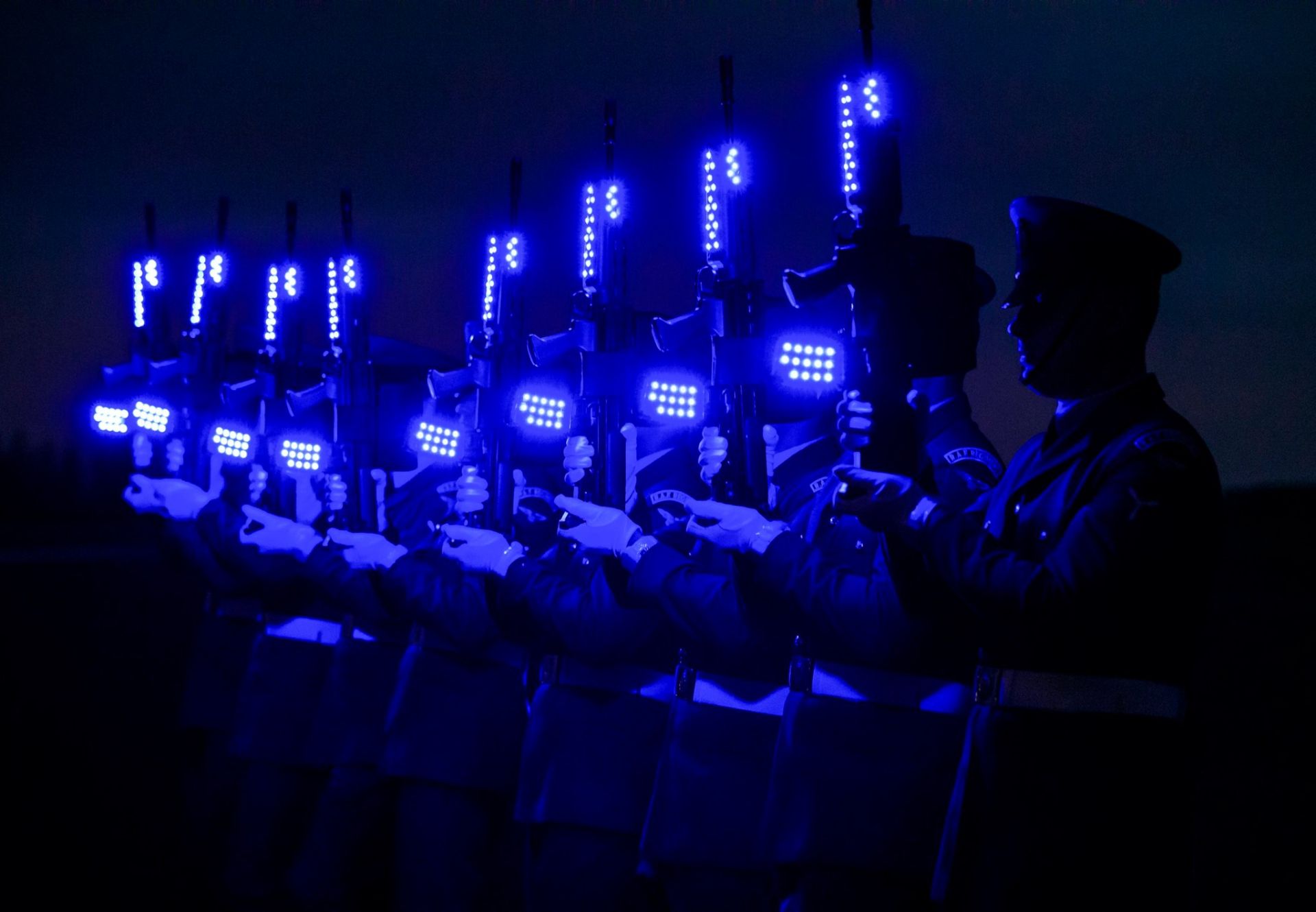
This is where wearable LED technology becomes a critical tool. Unlike static environmental lighting, technologies like Xylobands allow every individual member of the audience to become a pixel in a larger canvas of light. This is not just about making the crowd visible; it’s about making them part of the story. For a live broadcast, this has several powerful implications:
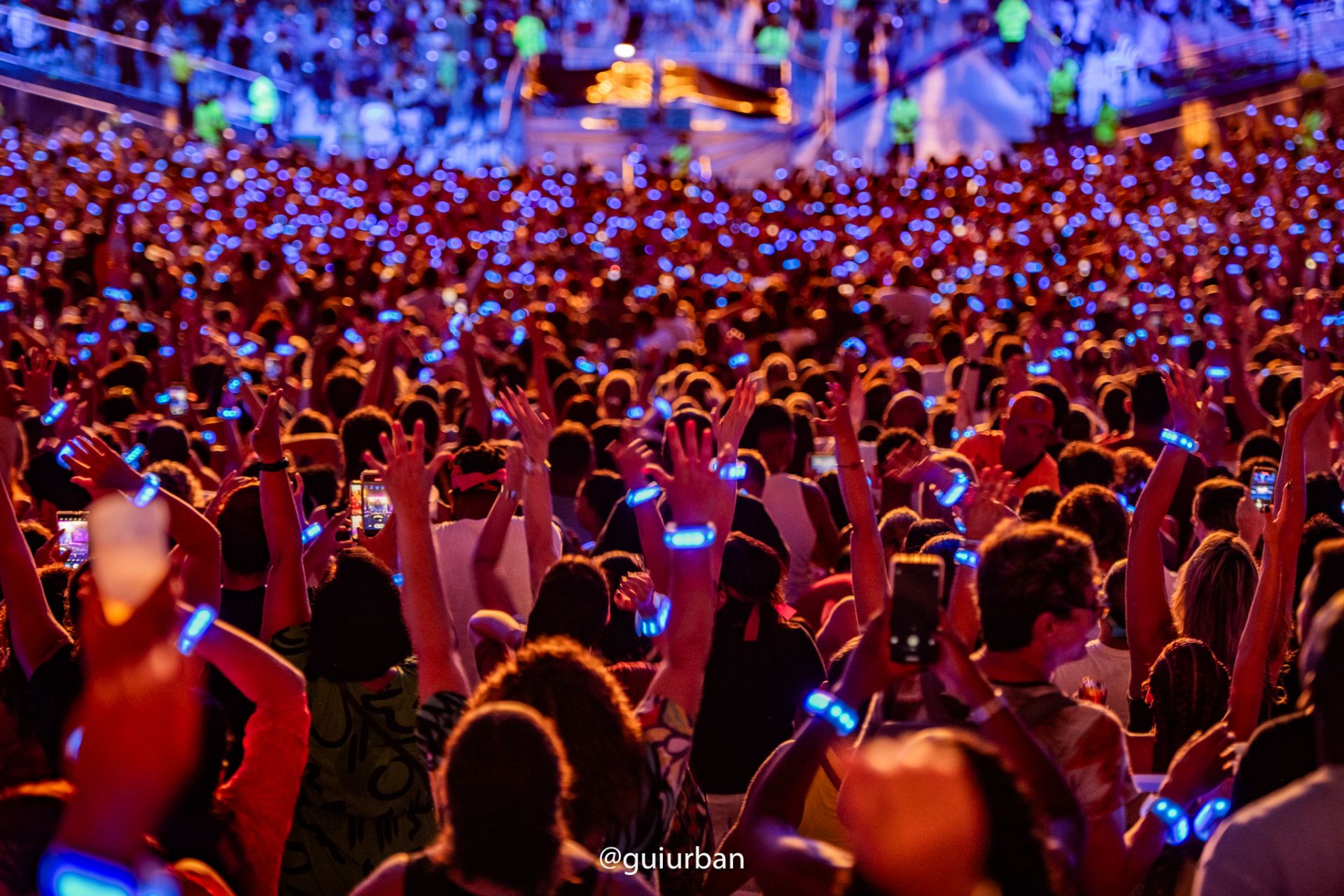
- Dynamic Reaction Shots: Instead of a cutaway to a dark, silhouetted crowd, directors can capture a sea of light pulsing in time with the action. This provides visually stunning B-roll and amplifies the emotional peaks of a performance or broadcast.
- Narrative Colour-Coding: Imagine a quiz show where the audience’s wristbands flash green for a correct answer and red for a wrong one, or a sporting event where fans’ LED Lanyards illuminate in their team’s colours after a score. This provides instant, universally understood visual cues for both the live and broadcast audiences.
- Camera-Ready Technology: Professional-grade systems are specifically engineered to be camera-friendly. Xylobands, for instance, operate at frequencies that avoid the strobing or flicker that can plague consumer-grade LEDs when captured by sensitive broadcast cameras. The intensity, colour, and pulse of the light are precisely controlled to complement, rather than compete with, the main stage and broadcast lighting.
Case Study: The Global Stage
The principle of lighting the "second audience" extends from the intimate TV studio to the global stadium. When Maluma played to a hometown crowd of 54,000 in Medellín, the event was also streamed live to over 240 countries. The use of concert wristbands ensured that the energy of the stadium—the sheer scale of the audience—was translated powerfully to the millions watching on screens worldwide. The broadcast wasn't just of a performance; it was of an event, a collective experience painted in light.
Similarly, at the celebration of Formula 1’s 75th anniversary at The O2 Arena, the challenge was to create a cohesive experience for a live broadcast featuring multiple F1 teams and musical acts. Custom-branded LED Wearables allowed for sophisticated crowd segmentation, turning different sections of the arena into distinct visual blocks. This allowed show designers to paint with broad, dramatic strokes of light, creating effects that were legible both from the back of the arena and on a television screen miles away. It’s a powerful demonstration of Immersive Event Technology creating spectacular visuals for the camera.
The Producer’s Palette: Control and Reliability
For any broadcast producer, control and reliability are non-negotiable. The technology must be flawless, integrating seamlessly into the complex choreography of a live production. Modern radio controlled LED wristbands offer a level of precision that is essential for broadcast environments.
Systems like Xylobands are operated via robust control desks that can be patched into a show’s main lighting board or run independently by a dedicated technician. This allows for both pre-programmed sequences and real-time, spontaneous effects. A lighting director can trigger a full-stadium pulse to coincide with a beat drop or a delicate, sparkling effect to underscore a quiet moment, knowing the system will respond instantly and reliably.
“The technology must become an extension of the creative vision, a dependable tool that enhances the story without adding technical risk. In a live broadcast, there are no second takes.”
Beyond the Broadcast: The Future of Immersive Experiences
As the line between live and digital experiences continues to blur, mastering light for the camera will become even more critical. From esports tournaments to corporate event activations and global music festivals like Primer, the ability to create visually compelling, shareable moments is what sets a memorable event apart. The audience is no longer just watching the show; they are part of it. By learning to light for the lens, producers are not just documenting the experience; they are designing it, creating a richer, more immersive spectacle for every viewer, whether they are in the front row or on their sofa.