Lighting for the Lens: An Insider's Guide to Audience Immersion for Broadcast
The Two-Audience Challenge
In the world of live broadcast events, producers face a unique challenge: they serve two distinct audiences. There is the immediate, palpable energy of the people in the room — the studio audience, the concert-goers, the fans in the stands. Then there is the vast, unseen audience watching from millions of screens around the world. Creating an experience that captivates both is the hallmark of a truly successful broadcast.
The camera is an unforgiving lens. It magnifies every detail, translating the energy of a live event into pixels and sound waves. For producers at major networks like ITV and those behind global spectacles like the Formula One 75th Anniversary show, the central question is: How do we make the viewer at home feel the same pulse-pounding excitement as the person in the front row?
The answer lies in treating the audience itself as a dynamic, controllable extension of the set. It’s about moving beyond passive spectatorship and engineering moments of collective, visual participation. This is the art of lighting for the lens.
The Audience as a Living Set
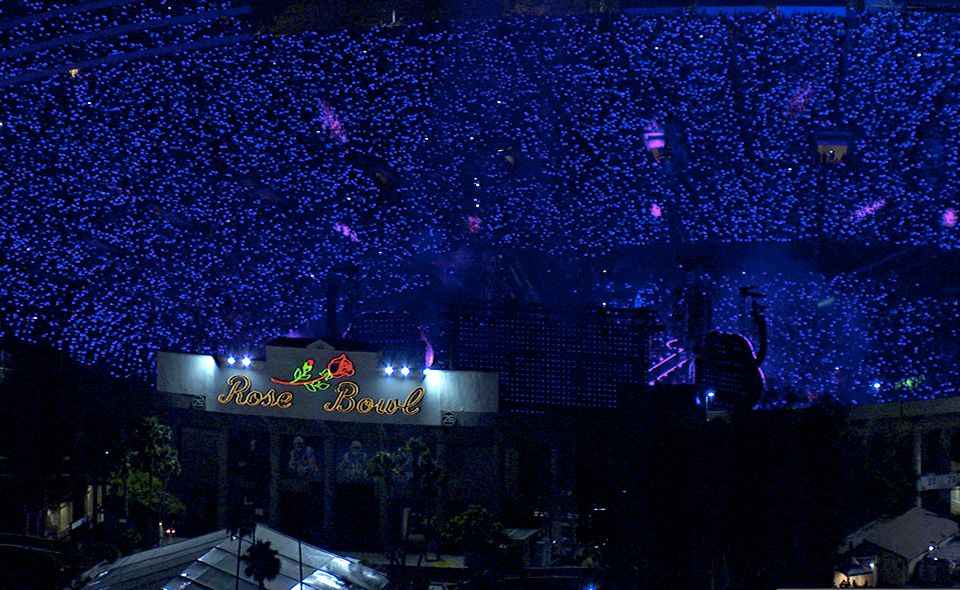
Traditional event lighting focuses on the stage, the performers, or the field of play. But in a broadcast environment, the frame is wider. The crowd is not just background noise; they are a vibrant, living canvas that tells a story of scale, emotion, and engagement. When an entire arena erupts in synchronized light, it creates a powerful visual statement that translates directly to the screen.
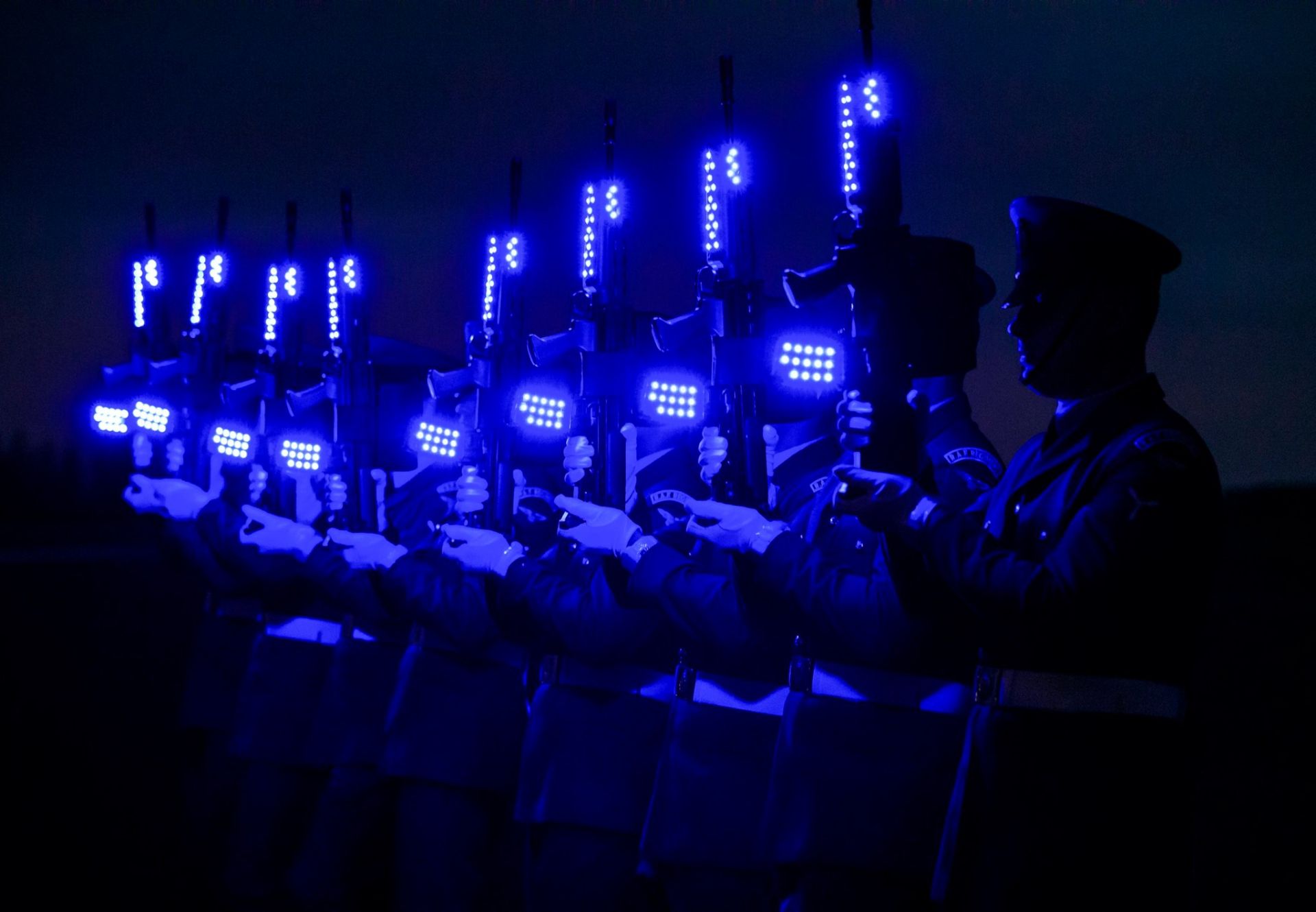
This is where wearable LED technology becomes a game-changer. By equipping a crowd with radio-controlled wristbands or lanyards, you give the creative team a new palette to paint with. Every individual becomes a pixel in a grander design, allowing for the creation of stunning visual effects that ripple across thousands of people in perfect sync with the action.
Case in Point: Engineering for the Global Broadcast
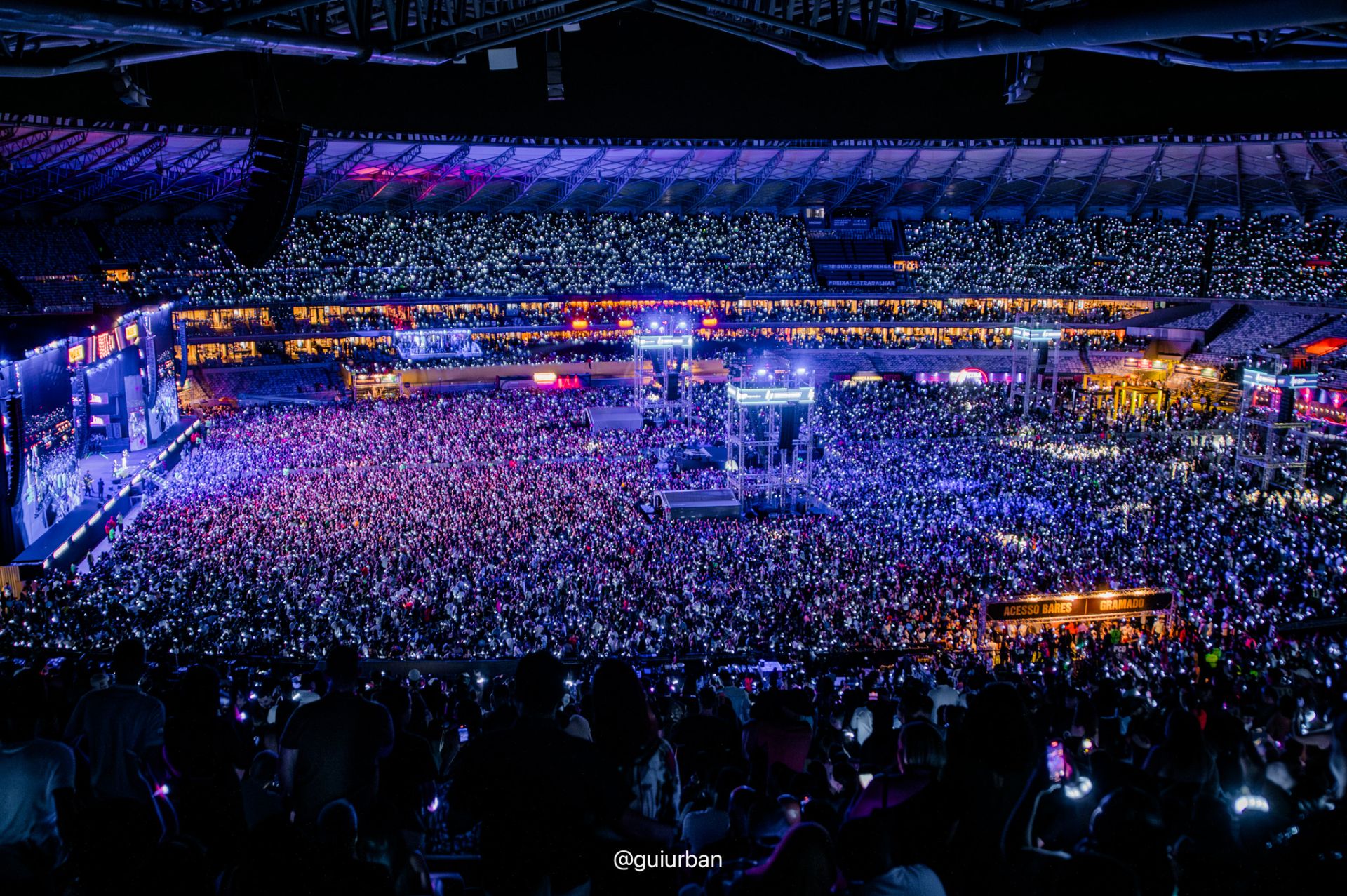
Consider the production demands of a globally televised event. When Maluma played to a hometown crowd of 54,000 in Medellín, the show was simultaneously streamed to over 240 countries. The energy had to translate through the screen. For game shows like ITV’s Beat The Chasers, the tension and release are heightened by visual cues that envelop the studio audience, making viewers at home feel part of the high-stakes drama. It’s a deliberate strategy to create immersive events that feel just as compelling on a TV as they do in person.
At Xylobands, we’ve collaborated with broadcasters and producers on some of the world’s most-watched events, from the Eurovision Song Contest to the Davis Cup. Each time, the goal is the same: to create a seamless visual experience that bridges the gap between the live and broadcast audiences.
The Technical & Creative Partnership
Achieving this level of integration requires a deep, collaborative partnership between the production’s creative team and the technology provider. It’s more than just a rental; it’s a creative dialogue.
The process involves several key stages:
- Creative Integration: It starts with the show’s director and lighting designer. What are the key moments? A winner’s reveal, a dramatic verdict, a halftime crescendo, a show-stopping encore? We work to map these story beats to specific lighting effects, programming our custom LED wristbands to become part of the narrative.
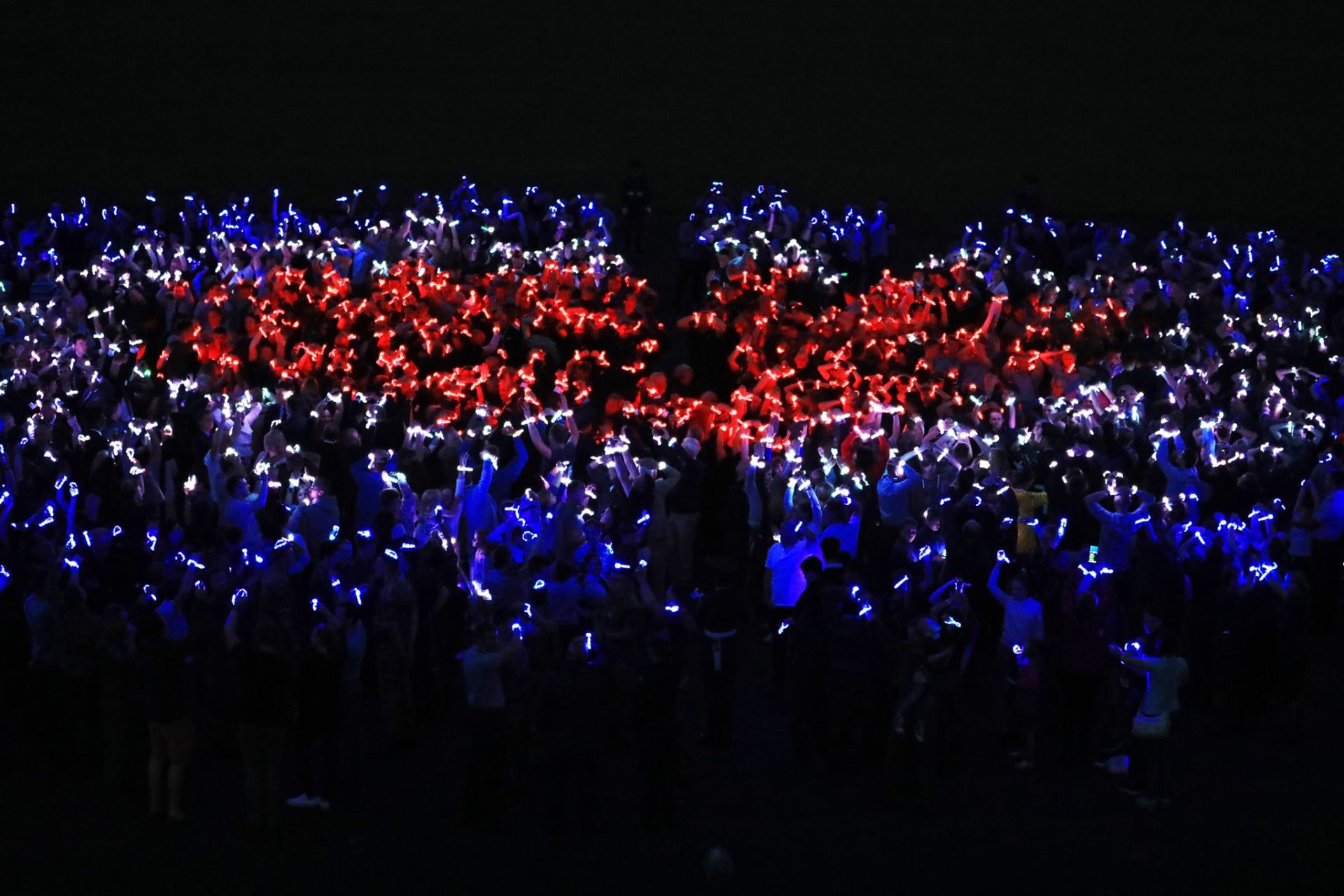
- Audience Mapping and Distribution: The physical layout of the audience is crucial. For complex effects, such as creating team colors across a stadium or spelling out words, the wristbands or lanyards must be pre-seated with precision. This requires a robust logistics and distribution plan, ensuring the right devices are in the right hands to achieve the desired visual outcome on camera. The Formula One 75th Anniversary show, for instance, used custom Xylo Pendants distributed based on hospitality levels and seating sections to create targeted effects across The O2 Arena.
- Flawless Execution: In a live broadcast, there are no second takes. The technology must be bulletproof. Our systems are built on reliable radio-frequency technology, offering robust control and split-second synchronization that’s essential for live TV. Whether it’s 500 wristbands in a TV studio or 50,000 at a stadium concert, the system delivers with precision.
Beyond the Wristband: Expanding the Toolkit
While the iconic Coldplay Xylobands started a revolution, the toolkit for LED crowd experiences has expanded. Today, productions can leverage a variety of form factors to suit the specific needs of an event:
- LED Lanyards: Ideal for corporate event activations and hospitality, where branding and credentialing are key. They offer a highly visible, wearable surface for light and logos.
- LED Orbs: These larger, throwable spheres can transform a crowd into an interactive playground, creating stunning, large-scale effects as they are passed through the audience.
- Custom Shapes and Formats: From pendants to other bespoke designs, the technology can be adapted to fit a specific creative vision or brand identity.
"The audience is the most powerful visual asset in a broadcast. When you light them, you light up the screen."
The Future is Shared Experience
As broadcast technology evolves, the line between live and at-home viewing will continue to blur. The most forward-thinking producers understand that the future of event production lies in creating shared experiences. By turning the crowd into a canvas, you don’t just create a show for the people in the room; you create a spectacle for the world.
The goal is to make the viewer feel like they are part of something bigger. When they see thousands of lights flashing in unison, they feel the unity. When they witness a stadium-wide graphic materialize from the crowd, they feel the awe. You’ve successfully bridged the two-audience divide, creating a singular, powerful, and unforgettable experience for everyone, no matter where they are watching.