Lighting for the Lens: The Technical Art of the Live Broadcast
The Two-Audience Challenge
Live television events operate in a dual reality. There is the immediate, visceral experience of the studio audience — the applause, the energy, the feeling of being in the room where it happens. Then there is the second, far larger audience: the millions watching from home. These two groups experience the same event through entirely different lenses, and for a production to succeed, it must cater to both.
This presents a unique challenge for creative and technical teams. How do you create an atmosphere that feels electric and engaging for the people in the room, while also engineering a spectacle that translates flawlessly to the screen? The answer lies in a specialized approach to lighting and audience engagement, one that transforms the crowd from passive spectators into a living, breathing part of the broadcast.
The Crowd as a Canvas
In a traditional concert or theatre setting, the lighting is designed primarily for the human eye. In a live broadcast, the camera is the ultimate arbiter. Every lighting cue, color wash, and dynamic effect must be optimized for the lens. This is where wearable LED technology becomes an indispensable tool for producers and lighting designers.
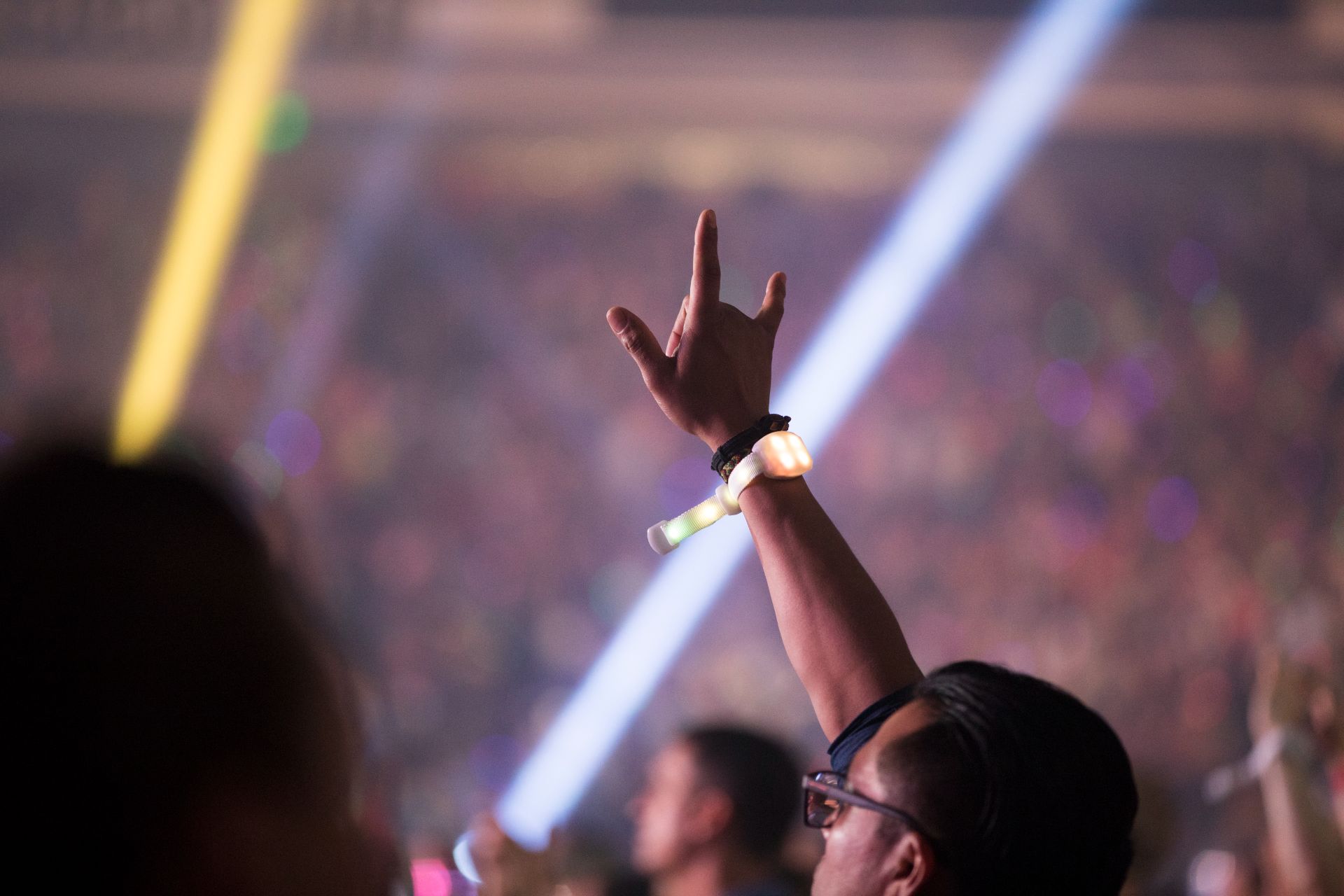
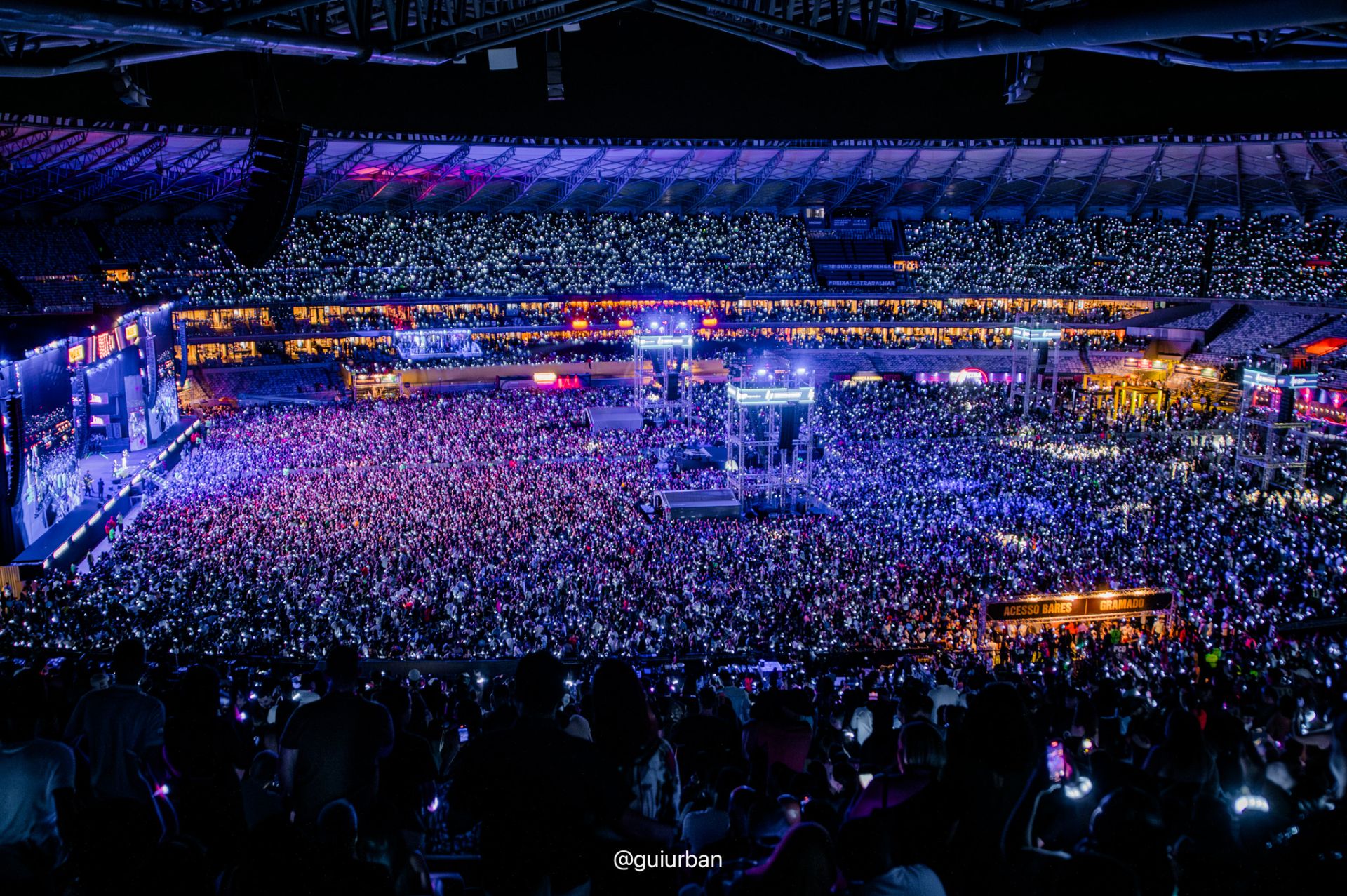
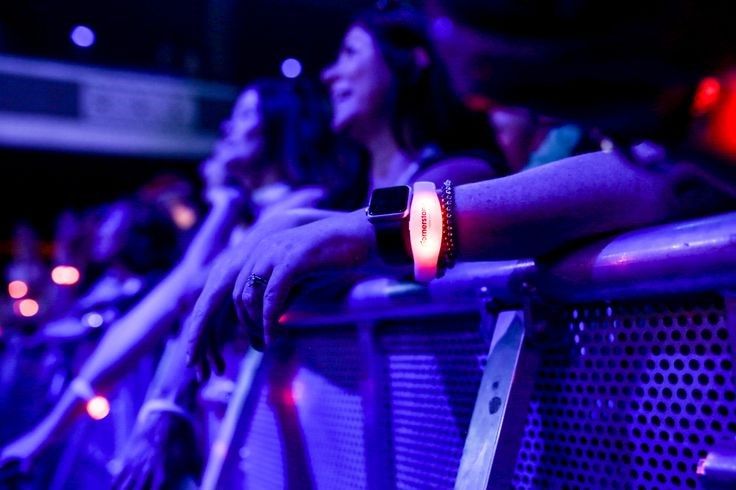
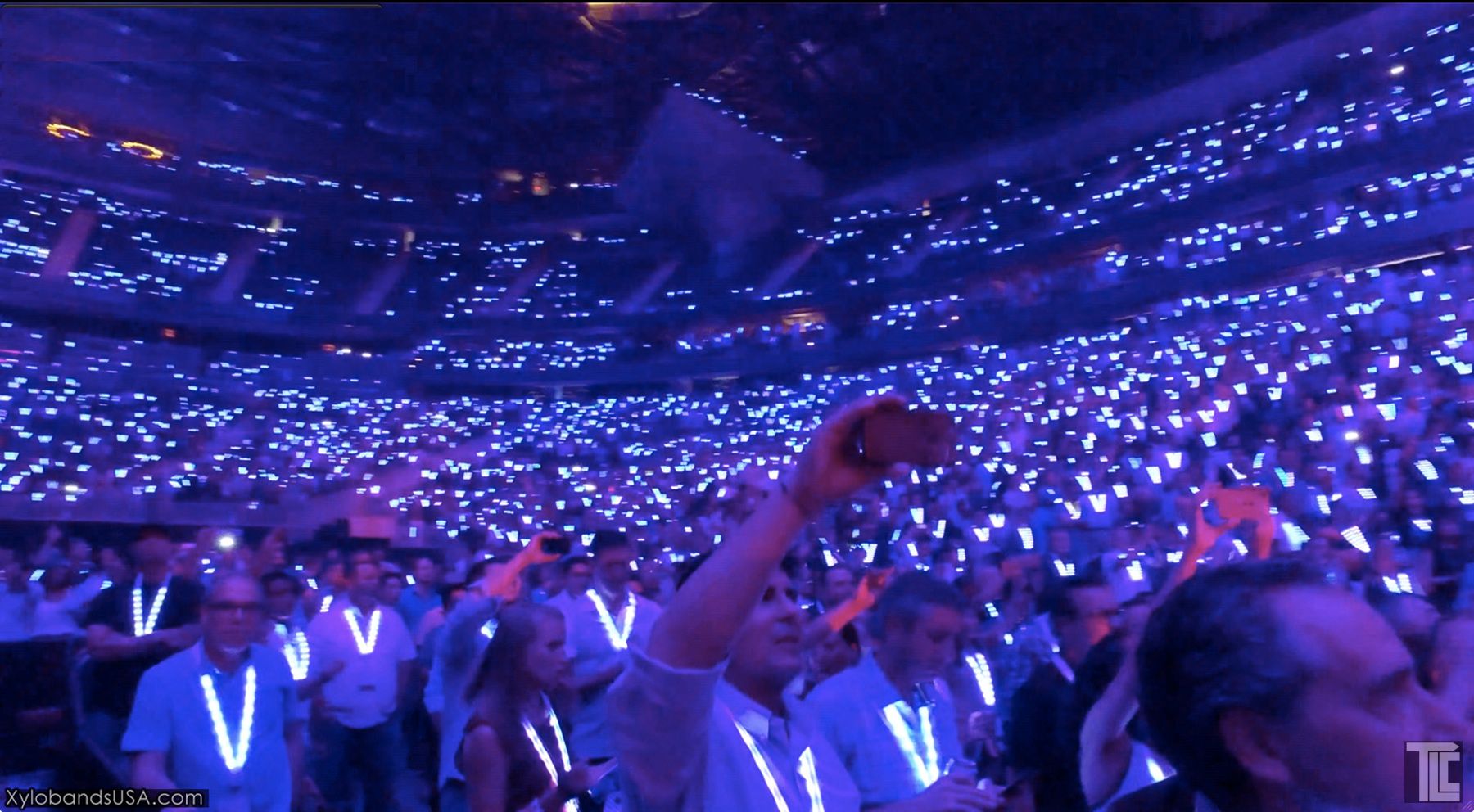
By turning each audience member into a pixel in a larger canvas, productions can expand the visual narrative far beyond the stage. This is a technique we have honed over years of collaboration with major broadcasters like ITV on hit shows such as Beat The Chasers, The Masked Singer, and the Eurovision Song Contest. Using our radio-controlled LED wristbands, the audience is no longer just watching the show; they are an integral part of it. Their collective light becomes a dynamic, responsive extension of the set design, reacting in perfect sync with the on-screen action.
For a live broadcast, the goal is to create a visually rich and immersive environment that captivates both the studio audience and the viewers at home. The crowd itself is a huge part of that visual texture.
Key Considerations for Broadcast Lighting:
- Camera-Ready Color: Colors that look vibrant in person can appear washed out or distorted on camera. Lighting palettes must be carefully selected and tested to ensure they align with the show’s visual brand and translate accurately through the broadcast chain.
- Dynamic Segmentation: The ability to control specific sections of the audience is crucial. With our advanced RF systems, lighting designers can create waves of light, spell out words, or highlight specific areas of the crowd to punctuate key moments, such as a winner being announced or a dramatic reveal. For shows like Beat The Chasers UK, this segmentation is key to building tension.
- Broadcast Integration: Our systems are designed to integrate seamlessly with professional broadcast workflows. Controlled via DMX, the industry-standard protocol for lighting control, our LED bands can be triggered by the main lighting desk, ensuring perfect synchronization with every other visual element of the production.
Case Study: Engineering Immersive Broadcasts with ITV
Our long-standing relationship with ITV is a testament to the power of integrating the audience into the fabric of a broadcast. For numerous productions, we’ve worked alongside their creative teams to design LED experiences that are not just visually stunning but are fundamental to the show’s format and energy.
Whether it's the pulsing, high-stakes atmosphere of a game show or the celebratory grandeur of a national final, the principle remains the same. The audience’s synchronized light provides a dynamic backdrop that enhances the sense of occasion and scale. It creates an environment that feels vast and immersive on television, giving viewers at home a sense of the electric atmosphere inside the studio.
This approach transforms the broadcast into a shared experience. The people in the studio feel a greater connection to the production, and the audience at home is drawn deeper into the world of the show. It’s a powerful fusion of live energy and broadcast precision, creating immersive events that resonate on multiple levels.
Beyond the Studio: The Future of Live Broadcasts
As technology continues to evolve, so too will the possibilities for audience integration. The core challenge will always be to bridge the gap between the live and broadcast experiences, making them feel like two sides of the same coin. From game shows to large-scale sporting events like the Davis Cup or Formula One, the crowd is more than just a collection of spectators; it is a vital part of the story.
By seeing the audience as an extension of the stage and a canvas for light, producers can create truly memorable television. It’s about more than just lighting a room; it’s about engineering a moment, crafting a mood, and delivering a spectacle that captivates millions, both in the seats and on the screen. The result is a richer, more engaging experience for everyone—a true testament to the power of immersive event technology.