The Camera Never Blinks: Mastering Light for the Live Broadcast Audience
The Two-Show Imperative
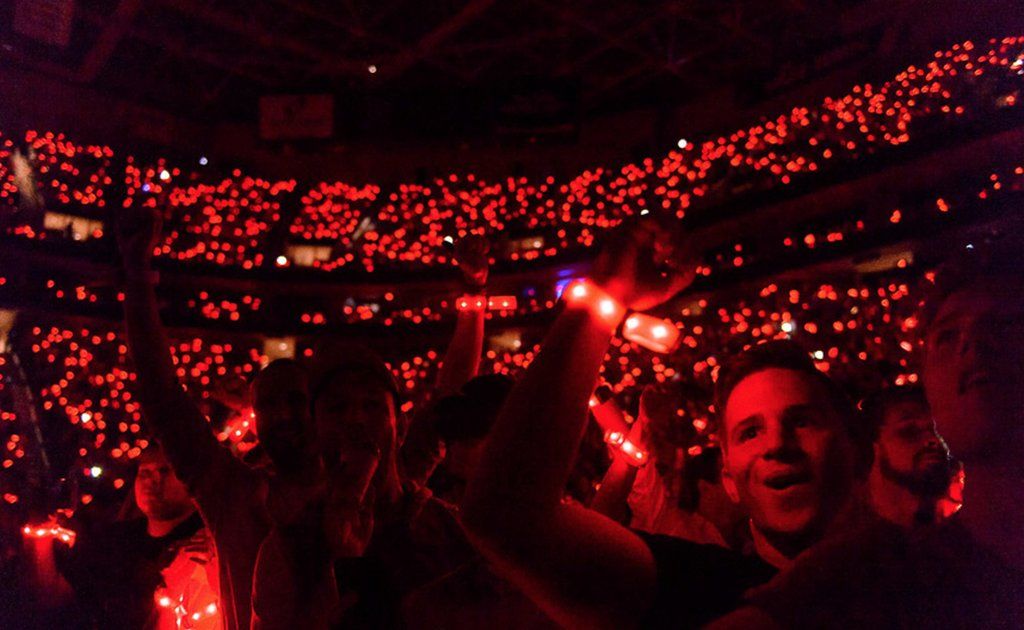
Live television broadcasts are a high-wire act of technical precision and creative vision. From massive sporting events like the Formula One Grand Prix to primetime entertainment like ITV’s Beat The Chasers, the goal is the same: capture the energy of a live event and transmit it flawlessly to screens around the world. For lighting designers, producers, and showrunners, the challenge is doubled. You aren’t just producing one show; you’re producing two, simultaneously. One for the roaring crowd in the venue, and another for the unblinking eye of the camera. This is the two-show imperative.
The human eye is a marvel of dynamic range, capable of processing intense highlights and deep shadows in the same instant. A broadcast camera, for all its technological sophistication, is not. It requires a carefully controlled environment. What looks spectacular in person can appear as a blown-out mess or a muddy blur on screen. Mastering this balancing act is the key to a successful broadcast, turning a live event into a memorable television moment that feels just as electric at home as it does in the room.
Painting with Light, Pixel by Pixel
The core of the challenge lies in understanding how cameras interpret light. Unlike the human eye, which automatically adjusts to shifting conditions, a camera’s sensor has a finite dynamic range. Bright, flashing lights that create a sense of excitement in an arena can cause “blooming” or overexposure on camera, losing all detail in a blaze of white. Conversely, subtle, atmospheric low-light scenes can be lost to digital noise and a lack of definition, failing to convey the intended mood.
This is where the technical and artistic aspects of lighting design converge. It’s not simply about illuminating the stage; it’s about shaping the light for the lens. This involves several key considerations:
- Colour Temperature and Rendering: Ensuring that colours appear true and consistent across multiple cameras is crucial. This requires meticulous attention to the colour temperature (measured in Kelvin) of every light source, from spotlights to the ambient glow of the audience. A mismatched temperature can make skin tones look unnatural or skew the carefully chosen colours of a brand or team.
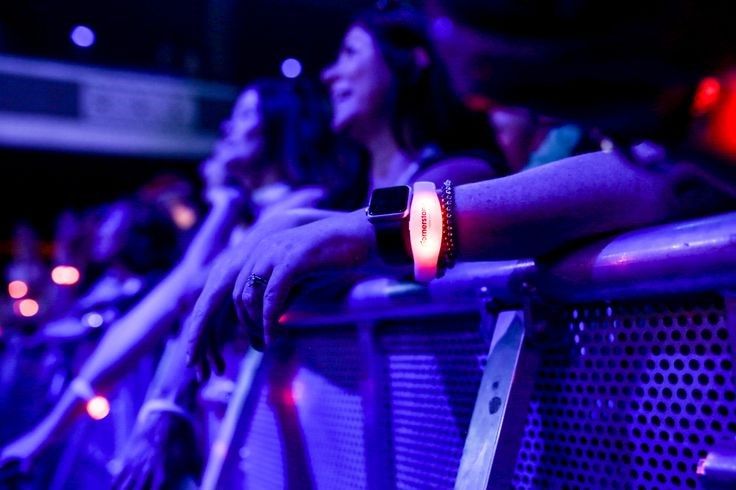
- Flicker-Free Operation: Many LED fixtures, especially those not designed for broadcast, can produce a flicker that is invisible to the naked eye but glaringly obvious on camera, particularly during slow-motion replays. Professional, broadcast-grade lighting, including wearable LED technology, is engineered to operate at high frequencies to ensure a clean, stable image.
- Intensity and Contrast Ratios: The lighting director must manage the contrast between the brightest and darkest parts of the frame. This means carefully balancing the key light on a performer or presenter with the fill light that softens shadows and the backlight that creates separation and depth. For a broadcast, this ratio is much narrower and less forgiving than for a purely live show.
The Audience as a Living Set
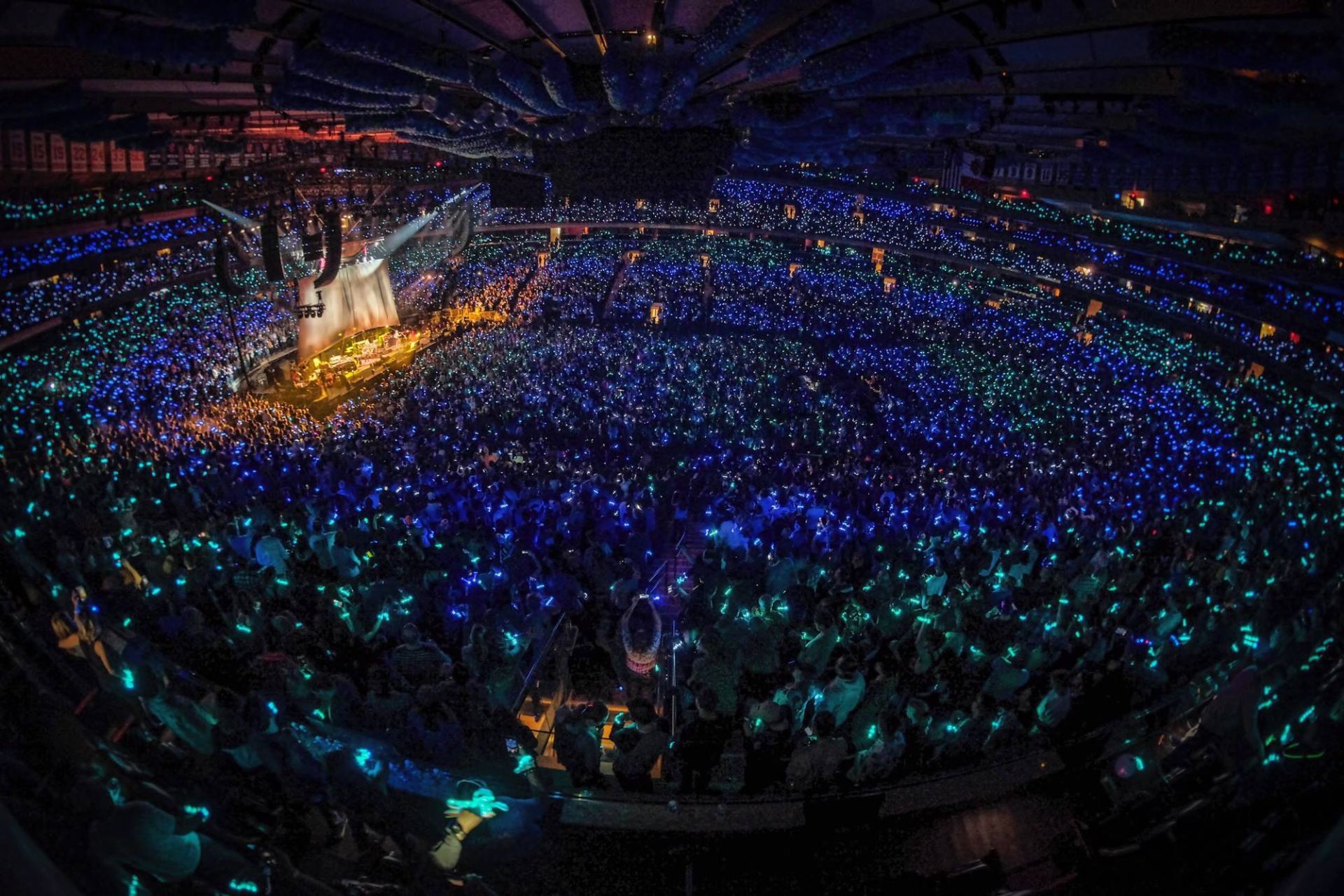
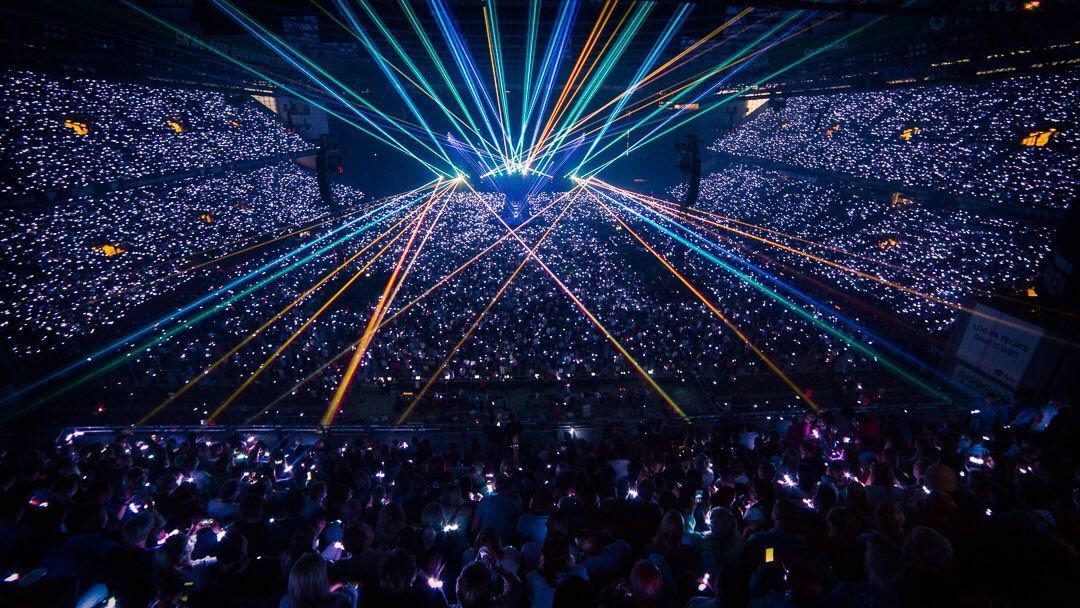
In modern broadcasts, the audience is no longer a passive observer in the dark. They are an integral part of the spectacle—a living, breathing extension of the set design. Turning the crowd into a canvas of light creates a sense of scale and immersion that translates powerfully to the screen. This is where technologies like radio-controlled LED wristbands come into play.
By synchronising thousands of individual light sources, you can create sweeping, dynamic visuals that fill the entire venue. For the viewer at home, it transforms the shot from a static wide view into a vibrant, pulsating part of the story.
Broadcasters like ITV have embraced this approach for shows like The Masked Singer and Beat The Chasers, using light to amplify dramatic moments and punctuate the action. When a contestant is revealed or a challenger succeeds, the entire studio audience can erupt in a unified flash of colour. These LED crowd experiences create a visually compelling backdrop that enhances the narrative and makes for unforgettable television.
Similarly, major live events streamed to global audiences, like Maluma’s hometown concert in Medellín, have used Xylobands to unite the 54,000-strong crowd with millions of viewers on Amazon Prime. The stadium becomes a single, cohesive entity, and the broadcast captures a spectacle of shared energy that transcends the physical space.
Controlling the Canvas: RF, DMX, and the Unseen Command
The ability to transform a crowd into a light show depends on robust, reliable control technology. The two primary systems for managing immersive event technology are Radio Frequency (RF) and DMX.
- Radio Frequency (RF): RF control, the technology behind Xylobands, is ideal for large-scale deployments like stadiums and arenas. A central transmitter sends signals over a designated radio frequency to every wristband, allowing for instant, synchronised effects across vast areas. It provides the power to create massive, unified visuals with minimal infrastructure.
- DMX (Digital Multiplex): DMX is the industry-standard protocol for lighting control in theatres and studios. It offers granular, pixel-level control over individual fixtures. In a broadcast environment, this could mean integrating wristbands with the main lighting desk, allowing the lighting director to program them as part of the overall lighting scheme, creating intricate patterns and sequences that flow seamlessly from the stage to the audience.
The choice between them depends on the specific needs of the production—scale versus precision, speed versus complexity. But the principle remains the same: to provide the creative team with flawless, zero-failure control over the visual environment.
The Future is Immersive and On-Camera
As the line between live and broadcast events continues to blur, the two-show imperative will only become more critical. Audiences at home demand the same sense of spectacle and participation as those in the venue. For producers, tour managers, and brand marketers, mastering camera-friendly lighting is no longer a luxury, but a fundamental requirement for success.
By understanding the technical demands of the camera and embracing technologies that turn the audience into an active part of the show, you can create immersive events that captivate both the crowd in front of you and the millions watching worldwide. The camera never blinks, and with the right approach to light, you can ensure it captures nothing less than magic.