The Unseen Architecture: How Neurodiversity Powers Creative Innovation
The Power of a Different Perspective
In the high-stakes world of live production and event technology, success is often measured by the ability to innovate, to solve complex problems under immense pressure, and to see what others miss. It’s a realm where creativity isn’t just an asset; it’s the very currency of progress. Yet, the traditional view of what constitutes a "good" business mind often overlooks a powerful, if unconventional, source of ingenuity: neurodiversity.
Dyslexic thinking, in particular, is frequently misunderstood as a learning disability centered around reading and writing. While those challenges are real, they are merely one facet of a cognitive profile that often comes with a host of powerful, and highly marketable, advantages. People with dyslexia are often hardwired to be exceptional big-picture thinkers, spatial reasoners, and creative problem-solvers. They see connections and patterns that linear, neurotypical thinkers might miss, making them natural innovators in fields that demand a high degree of creativity and vision.
From Stigma to Superpower: Reframing Dyslexia in Business
For decades, the corporate world has been built around a standardized model of thinking. We’ve been taught to value linear processing, rote memorization, and meticulous organization. While these are valuable skills, they don’t represent the full spectrum of human intelligence. The result is a business culture that can inadvertently stifle the very minds best equipped to drive it forward.
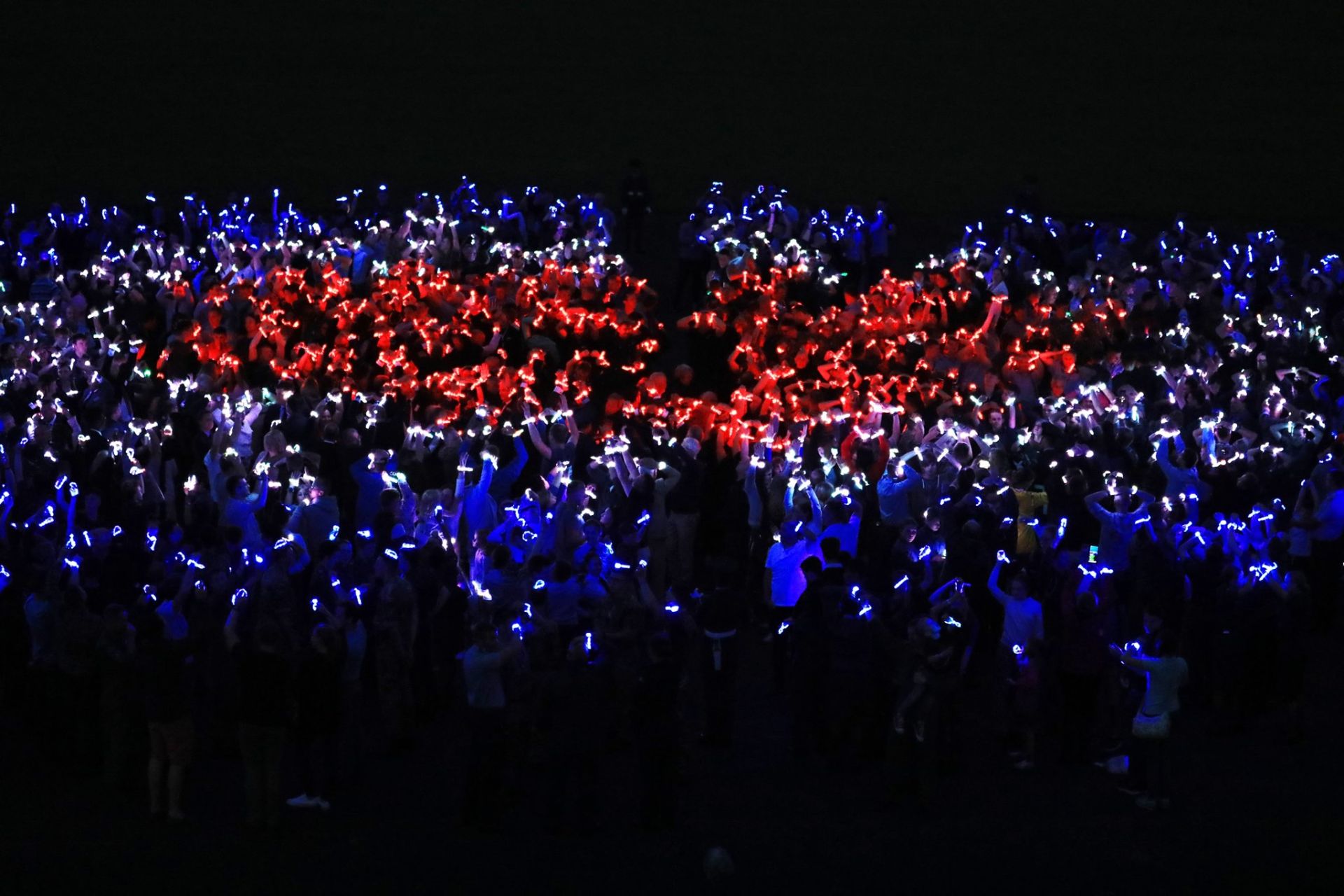
The story of Xylobands is a testament to this truth. Our founder, Jason Regler, credits his dyslexic thinking as a key driver behind the invention that revolutionized live events. Standing in the crowd at Glastonbury Festival during Coldplay’s performance of "Fix You," he wasn’t just a passive observer. He was seeing the event in a different way. While others saw a sea of individual lights from phones and lighters, he saw a canvas—a potential for a unified, choreographed spectacle of light. He envisioned an entire audience transformed into a single, immersive experience. This wasn't a linear thought; it was a holistic, visual, and deeply spatial one.
This is the dyslexic advantage in action: the ability to process information in a dynamic, interconnected way, rather than as a series of static, sequential points. Where a neurotypical mind might focus on the individual components, the dyslexic mind often intuits the system as a whole. This is invaluable when designing complex Immersive Event Technology that must seamlessly integrate audio, video, lighting, and human interaction.
The Architecture of an Idea: Why Neurodiverse Teams Win
Building a successful company in the event technology space is about more than just a single good idea. It’s about creating a culture that can sustain innovation. It requires a team that can deconstruct a vision into its technical components, solve logistical puzzles on a global scale, and anticipate problems before they arise. This is where a neurodiverse team becomes a strategic imperative.
By bringing together different kinds of thinkers, companies can create a more robust and resilient problem-solving engine. The big-picture, pattern-seeking abilities of a dyslexic thinker can be perfectly complemented by the detail-oriented, linear-processing strengths of a neurotypical colleague. One person sees the forest, the other maps the trees. Together, they create a complete picture.
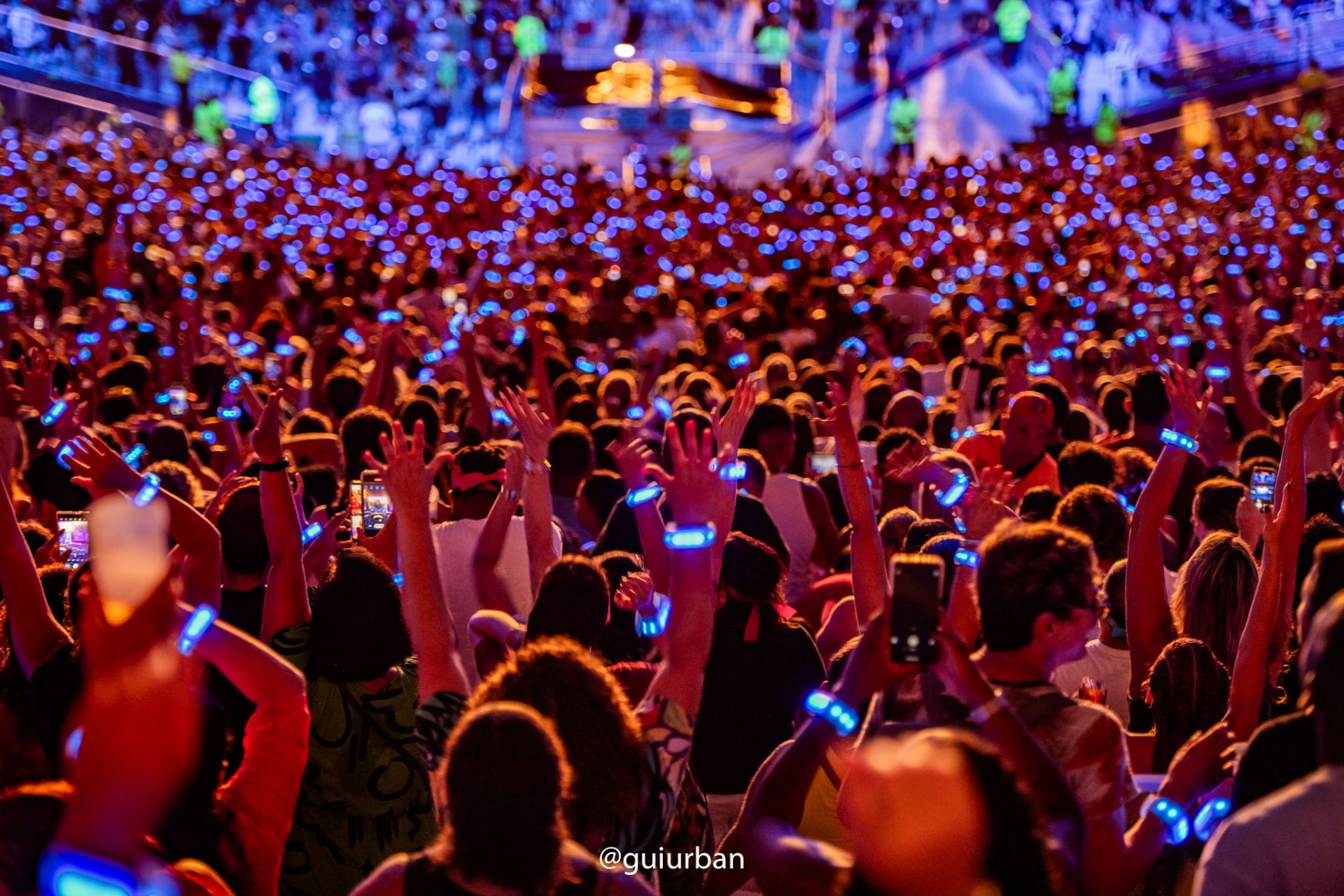
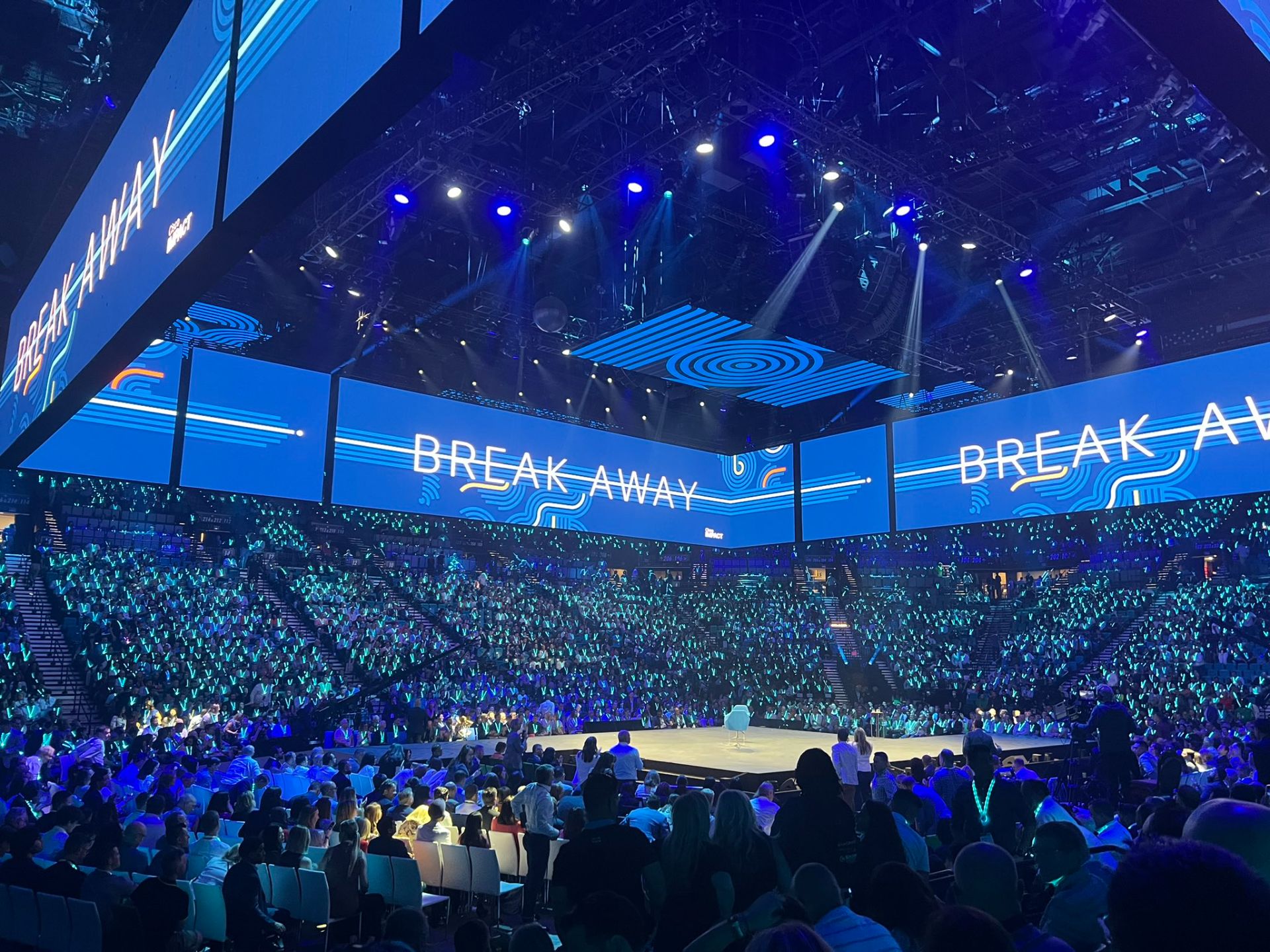
This synergy is crucial for delivering the kind of breathtaking LED Crowd Experiences that define modern live events. Whether it’s creating custom-branded LED Lanyards for a massive corporate event or deploying thousands of Radio Controlled LED Wristbands for a stadium tour, the process involves a constant interplay between grand creative vision and meticulous technical execution. It’s the art of turning a "what if" into a "how to."
Cultivating Creative Capital
For too long, we’ve tried to force every mind into the same mould, inadvertently filtering out some of our most potent creative thinkers. The future of business, especially in creative industries like live entertainment and brand experiences, belongs to the companies that recognize and cultivate cognitive diversity.
This means more than just accommodating challenges; it means actively seeking out and empowering the unique strengths that neurodiverse individuals bring to the table. It means understanding that the person who struggles to write a report might be the same person who can visualize an entirely new system for audience engagement. It means recognizing that the "misfit" in a traditional setting is often the architect of the future.
From festival fields to corporate arenas, the demand for truly Immersive Events is growing. The technology, from Concert Wristbands to interactive LED Orbs, is becoming more sophisticated. But the true engine of this evolution isn’t just the hardware; it’s the human ingenuity behind it. By embracing neurodiversity, we don’t just open the door for more people; we open the door to a new and more powerful way of thinking—one that will continue to redefine the boundaries of what’s possible in shared human experiences.