The Unseen Crew: Mastering the Technical Rollout for Immersive Events
The Silent Countdown
Long before the first note rings out or the opening lights sweep across a stadium, a different kind of performance is already underway. It’s a silent, intricate ballet of logistics, technology, and human coordination that forms the bedrock of every large-scale immersive experience. For the teams behind the scenes, the show begins not with a roar of the crowd, but with a shipping manifest, a flight schedule, and a meticulously detailed deployment plan. This is the unseen world of production logistics—a discipline where success is measured in flawless execution and problems are solved before they ever have a chance to exist.
From Warehouse to Wrist: The Journey of an LED Wristband
The journey of a single LED wristband is a microcosm of the entire event production process. It begins in a warehouse, but its destination is a specific seat in a specific venue, thousands of miles away. The challenge is not just moving tens of thousands of units from Point A to Point B; it's ensuring they arrive on time, are prepped, tested, and distributed according to a precise creative and technical plan.
This process involves:
- Freight & Customs: Navigating the complexities of international shipping, including customs clearance and import duties, is the first hurdle. For a global tour like Maluma’s or a multi-national event series like the Davis Cup, this means managing dozens of shipments across different regulatory landscapes. Every pallet of Concert Wristbands must be accounted for and tracked with military precision.
- On-Site Preparation: Once the equipment lands, the race against the clock continues. A dedicated technical team unloads, sorts, and begins the process of preparing the wristbands. This involves activating the units, running system diagnostics, and often sorting them into specific blocks or zones to correspond with the lighting designer's plan for the show.
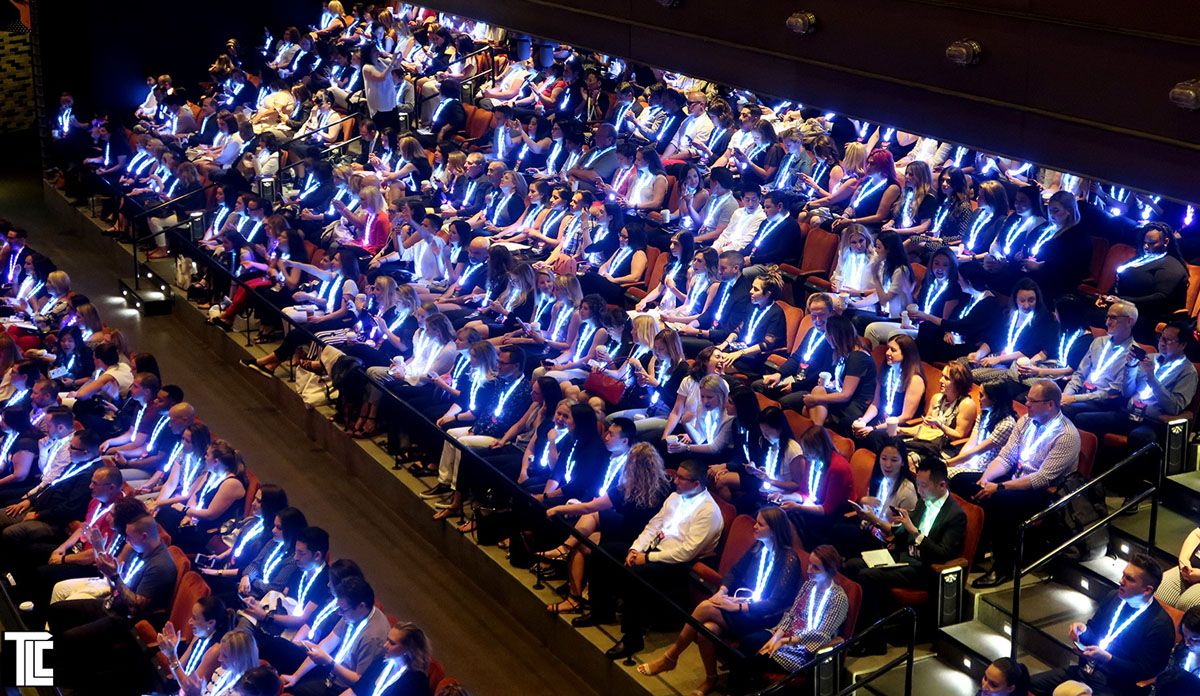
- Distribution Strategy: How do you get 30,000 wristbands onto 30,000 individual wrists efficiently and without disrupting the fan experience? The answer is a carefully choreographed distribution strategy. This might involve placing them on seats before doors open, handing them out at dedicated points of entry, or integrating them into a registration process for a corporate event. At Formula One's F1 75 anniversary, for example, custom LED Lanyards were positioned around The O2 Arena based on seating tiers and hospitality levels to create targeted lighting effects.
The Human Element: The On-Site Technical Team
Technology, no matter how advanced, is only as good as the people operating it. The deployment of immersive event technology hinges on a small, highly skilled crew that travels with the gear. These are the engineers and technicians responsible for setting up the transmission systems, mapping the venue, and operating the light show in real-time.
A Day in the Life:
On a show day, the tech team is among the first to arrive and the last to leave. Their day typically involves:
- System Setup & RF Mapping: Deploying radio transmitters and mapping the venue’s radio frequency (RF) environment to ensure complete coverage and eliminate dead spots. In a complex steel and concrete structure like a stadium, this is a critical and highly technical task.
- Cue-to-Cue Rehearsals: Working alongside the show’s creative director and lighting designer to program the wristbands. Each lighting effect is a cue, triggered to sync perfectly with the music, video, and stage lighting. This is where the show’s most breathtaking moments of unity are born.
- Live Operation: During the show, one operator is responsible for triggering the pre-programmed cues. It’s a high-stakes role that requires unwavering focus and a deep understanding of the show’s rhythm and flow.
Designing for Scale: Beyond the Technology
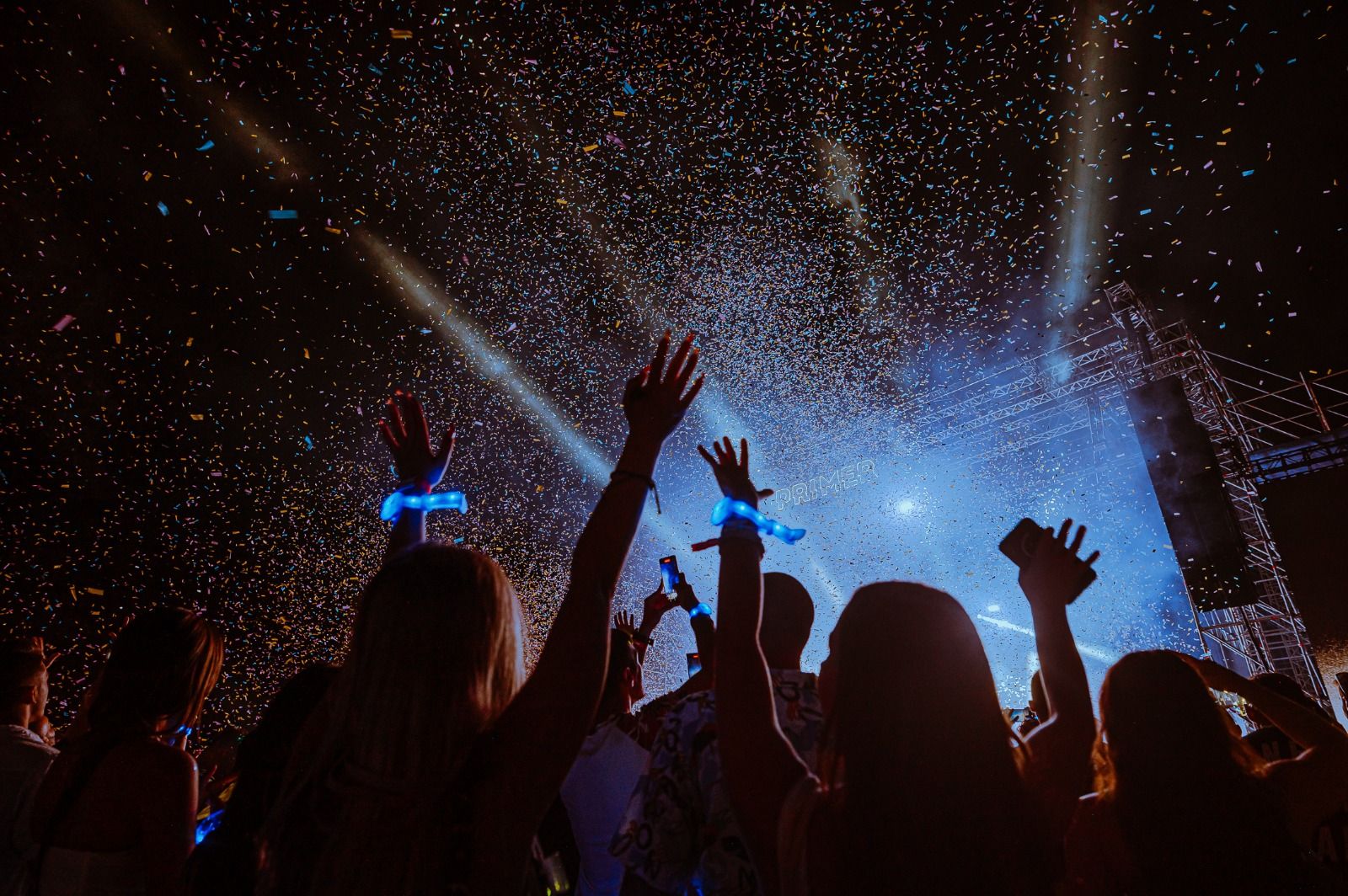
Ultimately, a successful technical rollout is about more than just logistics; it’s about foresight. It’s about anticipating the unique challenges of each venue, from the historic arenas of Europe to the sprawling festival fields of Athens for events like PRIMER Music Festival. It’s about building robust, road-tested systems that can withstand the rigors of a global tour. And most importantly, it’s about having a team with the experience and ingenuity to solve problems on the fly.
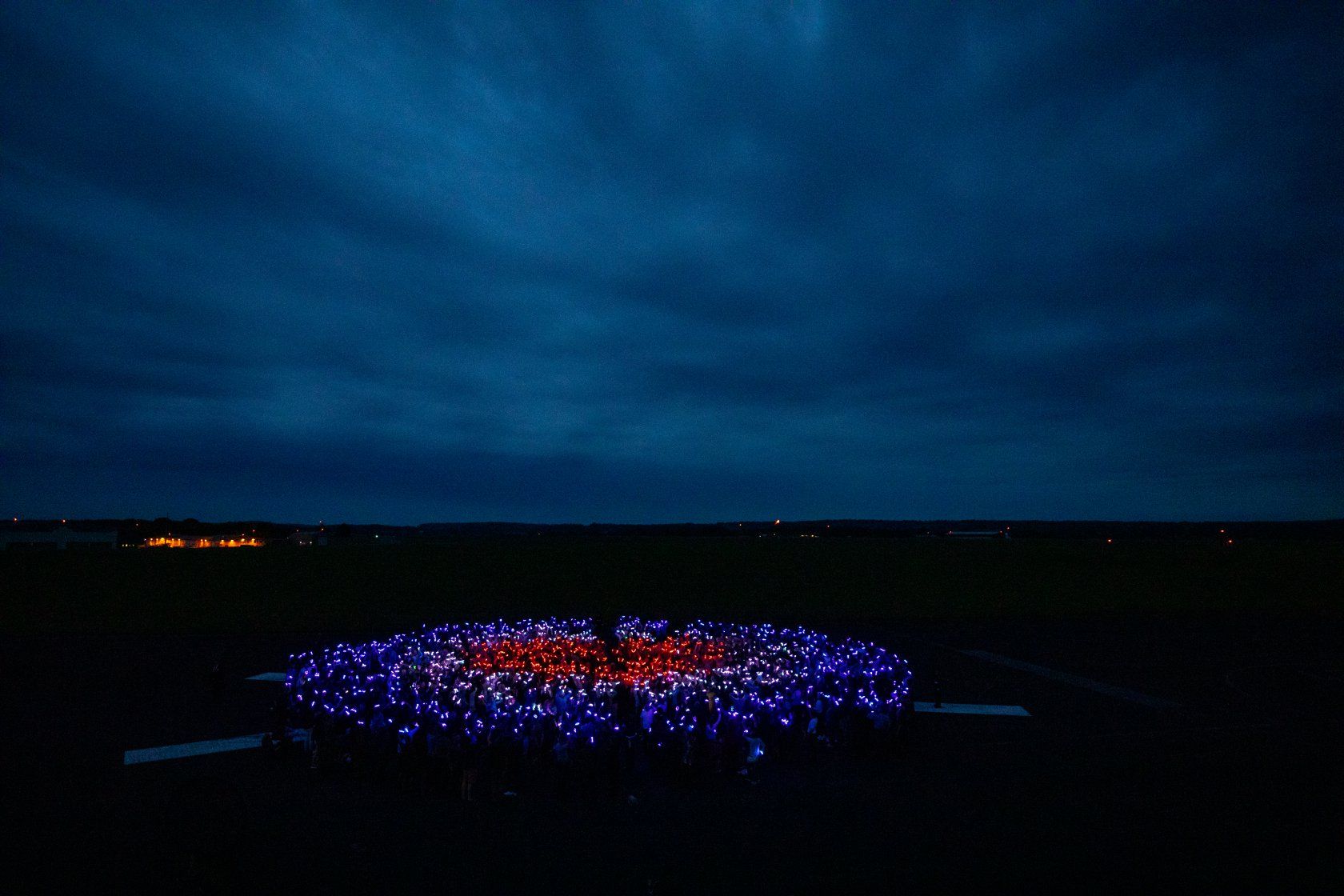
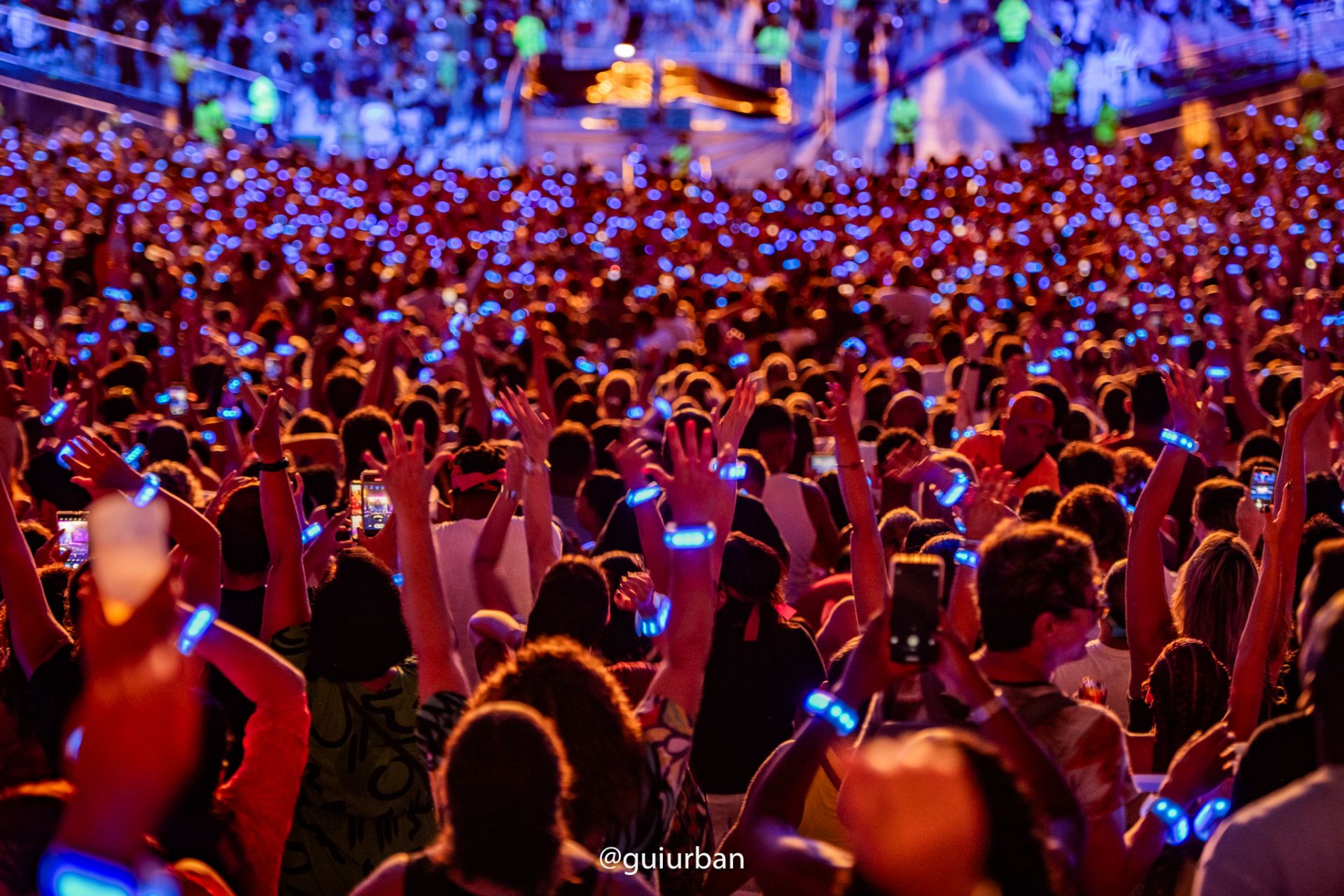
When thousands of people become a single, pulsing canvas of light, it’s a moment of pure magic. That magic, however, is not accidental. It is the result of a disciplined, complex, and invisible logistical effort. It’s a testament to the unseen crew who work in the shadows to ensure that when the house lights go down, the audience itself can light up the night, creating unforgettable LED crowd experiences that resonate long after the final note has faded.