The Unseen Engine: How R&D Culture Drives Live Spectacle
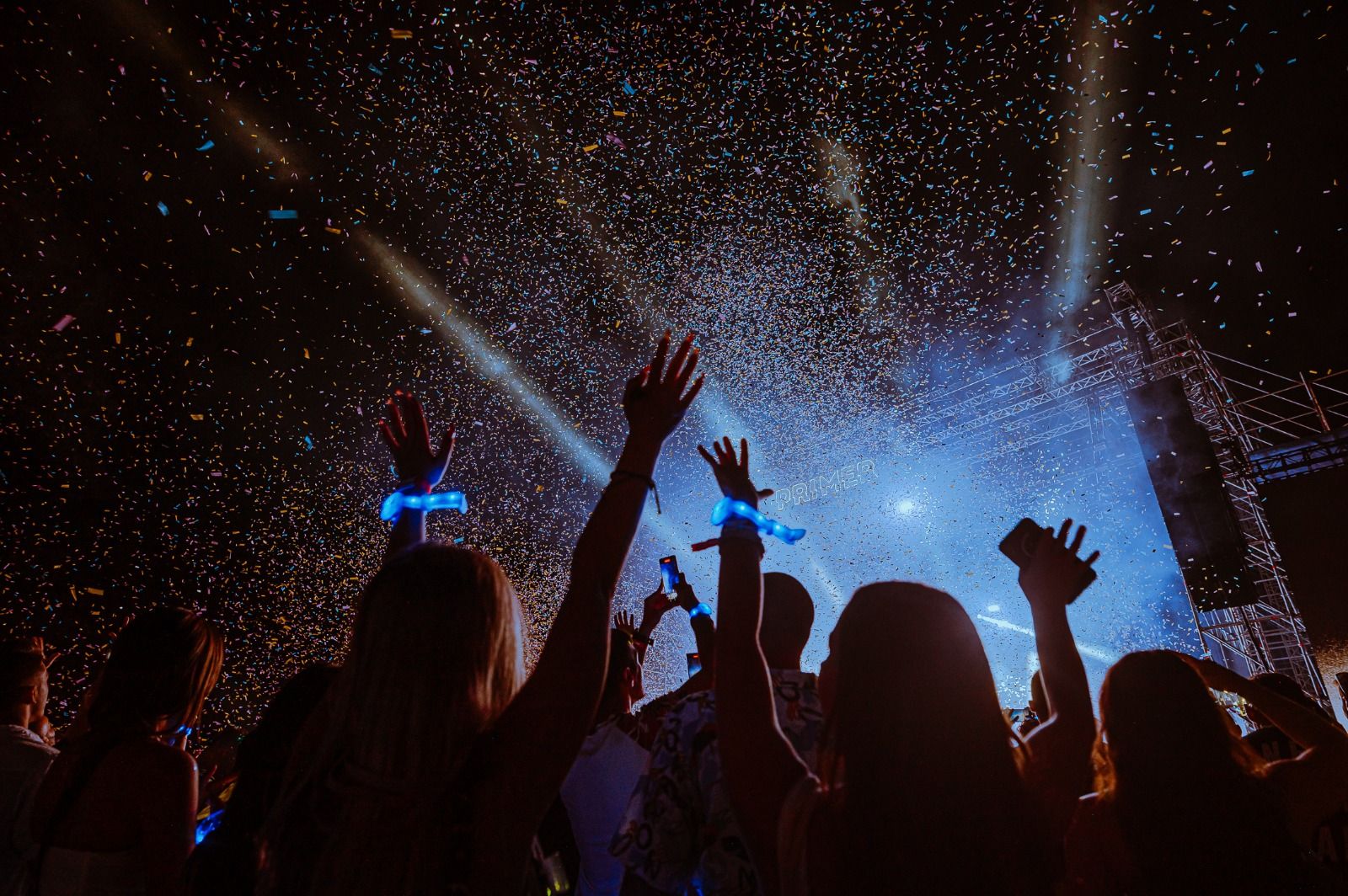
In the ecosystem of live events, the most visible elements are often the most celebrated: the artist on stage, the roar of the crowd, the breathtaking lighting design. But behind every unforgettable moment, beneath the surface of the spectacle, lies a powerful and often unseen engine: a culture of relentless research and development.
This is where the future is forged. It’s a space where curiosity is currency, and failure is not an endpoint but a data point. For a company like Xylobands, which pioneered the world of LED crowd experiences, this R&D culture isn’t just a department; it’s the foundational blueprint of the entire operation.
The Question That Started It All
Every innovation begins with a question. The story of Xylobands itself is a testament to this, born from a simple yet profound thought at Glastonbury Festival: "What if the audience could be part of the light show?" This question launched a decade-long journey into wearable LED technology, transforming a passive crowd into an active, illuminated canvas.
But a single great idea doesn’t sustain a company. A true culture of innovation is what happens *after* the initial spark. It’s the commitment to asking more questions:
- How can we make the wristbands brighter, lighter, more comfortable?
- How can we extend the battery life for longer, multi-day festivals?
- How can we create more complex, nuanced lighting effects across a stadium of 80,000 people?
- How can our technology be adapted for different environments, from corporate event activations to global sporting tournaments like the Davis Cup?
This perpetual state of inquiry is the lifeblood of R&D. It’s a mindset that rejects complacency and constantly pushes the boundaries of what’s possible in immersive event technology.
From Garage Prototype to Global Stage
The journey from a rough prototype to a robust, road-tested product is long and arduous. It involves countless iterations, failures, and breakthroughs. The first-generation Xylobands, debuted on Coldplay’s Mylo Xyloto tour, were revolutionary. But technology doesn’t stand still. The demands of tour managers, creative directors, and brand marketers evolve, and the technology must evolve with them.
"Innovation is not about a single lightning strike. It’s the patient, disciplined, and sometimes frustrating process of refining, testing, and improving, day after day. It’s about building a team that is obsessed with solving the next problem, not just celebrating the last success."
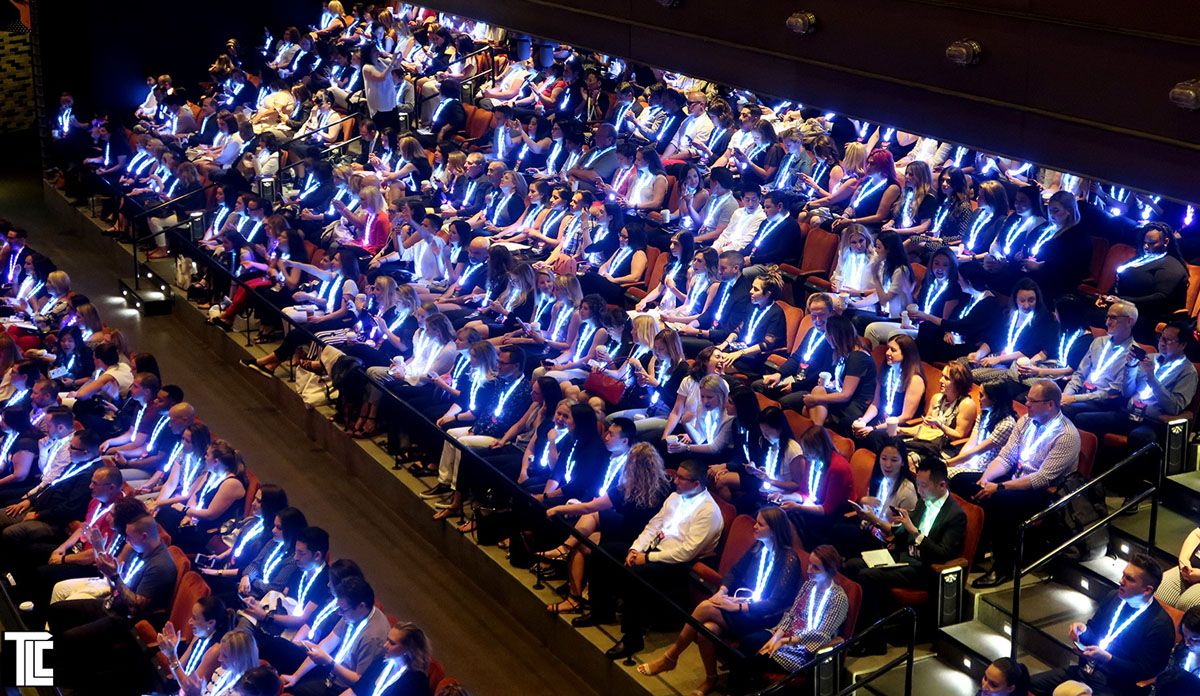
This evolution is visible in the product line. It led to the development of different models for different needs: reusable wristbands for sustainable tours, brighter units for broadcast-heavy events, and custom shapes like the LED Lanyards or the Pendants used at the Formula One 75th-anniversary show. Each new product is a direct response to a real-world challenge observed in the field. The debut of the Xyloband Lite on Wizkid’s tour, for instance, wasn’t a random launch; it was the result of a targeted effort to create a specific solution for a specific need within the industry.
The Triad of Innovation: Software, Hardware, and Humanware
Modern LED event technology is a complex interplay of three core elements:
- Hardware: The physical wristbands, lanyards, and orbs. R&D here focuses on material science, battery efficiency, LED quality, and durability.
- Software: The control systems that allow a single operator to command tens of thousands of light sources in perfect synchrony. This is where the magic of programming and RF technology comes into play, creating the intricate light choreography that defines immersive events.
- Humanware: The operational expertise. This is perhaps the most overlooked aspect of R&D. It’s the process of developing best practices for deployment, battery management, and on-site troubleshooting. It’s training a team to think on their feet, solve problems under immense pressure, and ensure a flawless execution every single time.
A successful R&D culture understands that these three pillars are inseparable. A brilliant piece of hardware is useless without stable, intuitive software. And the most advanced system is worthless without the human expertise to deploy it effectively in a high-stakes live environment.
The Future, Forged in the Lab
The work happening today in the R&D labs of live-event tech companies is what audiences will be experiencing three, five, and ten years from now. It’s a constant cycle of hypothesis, experimentation, and application. The goal is not just to create new products, but to unlock new possibilities for connection, participation, and shared experience.
From the early days of a single idea inspired by a Coldplay song to a global operation powering the world’s biggest events, the journey has been guided by an unwavering commitment to innovation. The next time you find yourself in a sea of light, part of a crowd transformed into a single, pulsating canvas, remember the unseen engine that made it possible. It’s a testament to the power of a culture that never stops asking, "What if?"