The Choreography of Trust: A Leadership Blueprint for High-Stakes Production
The Unseen Architecture of a Masterpiece
In the high-stakes world of live production, the line between a flawless spectacle and a catastrophic failure is razor-thin. It is drawn not by technology or talent alone, but by a specific form of leadership grounded in unwavering trust. For tour managers, creative directors, and agency producers, cultivating this trust is the most critical component of their job. It is the invisible architecture that supports the entire production, from the first truck roll to the final encore.
At its core, a major tour or large-scale corporate event is a temporary city, populated by specialists with deeply siloed expertise. The lighting designer doesn't know the intricacies of the pyro, the audio engineer isn't focused on the logistics of getting 50,000 LED wristbands through customs, and the artist is focused on their performance. Leadership in this environment is not about command-and-control; it's about the choreography of trust. It’s the art of ensuring that every single specialist, from the artist down to the local crew, has absolute faith in the vision, the plan, and the person standing next to them.
The Three Pillars of Production Trust
This trust isn't built on hope or rhetoric. It’s forged in the crucible of meticulous planning, transparent communication, and proven execution. It stands on three core pillars:
- Visionary Clarity: The leader’s primary role is to articulate a vision so compelling and clear that it becomes a shared objective. When an artist like Maluma decides to stage a historic concert in his hometown of Medellín, streamed to 240 countries, the vision is not just "a big show." It’s a landmark cultural moment. The leader’s job is to ensure every department, from broadcast to lighting, understands their role in realising that specific vision. The goal is for the lighting tech programming the Xylobands to feel as connected to the mission as the director in the OB van.
- Delegation as Empowerment: Micromanagement is the enemy of trust. In a high-stakes environment, leadership means entrusting world-class experts to do their jobs. When Formula One stages a 75th-anniversary celebration, bringing together 10 teams and 20 drivers for a live broadcast, the production leader doesn't tell the lighting director where to hang the trusses. They communicate the desired outcome—an immersive event technology showcase that makes the crowd feel part of the action—and empower the team to deliver it. This requires having the right people in the right seats, a testament to the leader's skill in team assembly.
- Grace Under Pressure: No battle plan survives contact with the enemy, and no production plan survives the reality of show day without a hitch. A delayed truck, a technical glitch, a sudden change in weather—these are not possibilities; they are certainties. True leadership is revealed in these moments. The ability to absorb pressure, make decisive calls without panic, and shield the team from unnecessary stress is what separates good producers from great ones. It's the calm, steady hand that ensures a minor issue doesn't cascade into a show-stopping disaster.
The Trust Economy in Action
Consider the complex synergy required for a global tour. The tour manager must trust the creative director’s vision. The creative director must trust the technical teams to execute that vision flawlessly, whether it involves complex video mapping or deploying thousands of radio controlled LED wristbands to create stunning LED crowd experiences. The artist must trust the entire apparatus to create the platform for their performance.
This chain of trust is an economic system. When trust is high, communication is efficient, decisions are made quickly, and the entire team operates with a fluid, intuitive synergy. Creative risks are taken because there is a psychological safety net. When trust is low, the opposite occurs. Communication becomes defensive, every decision requires endless justification, and a culture of fear stifles innovation. The show may go on, but it will never achieve its full potential.
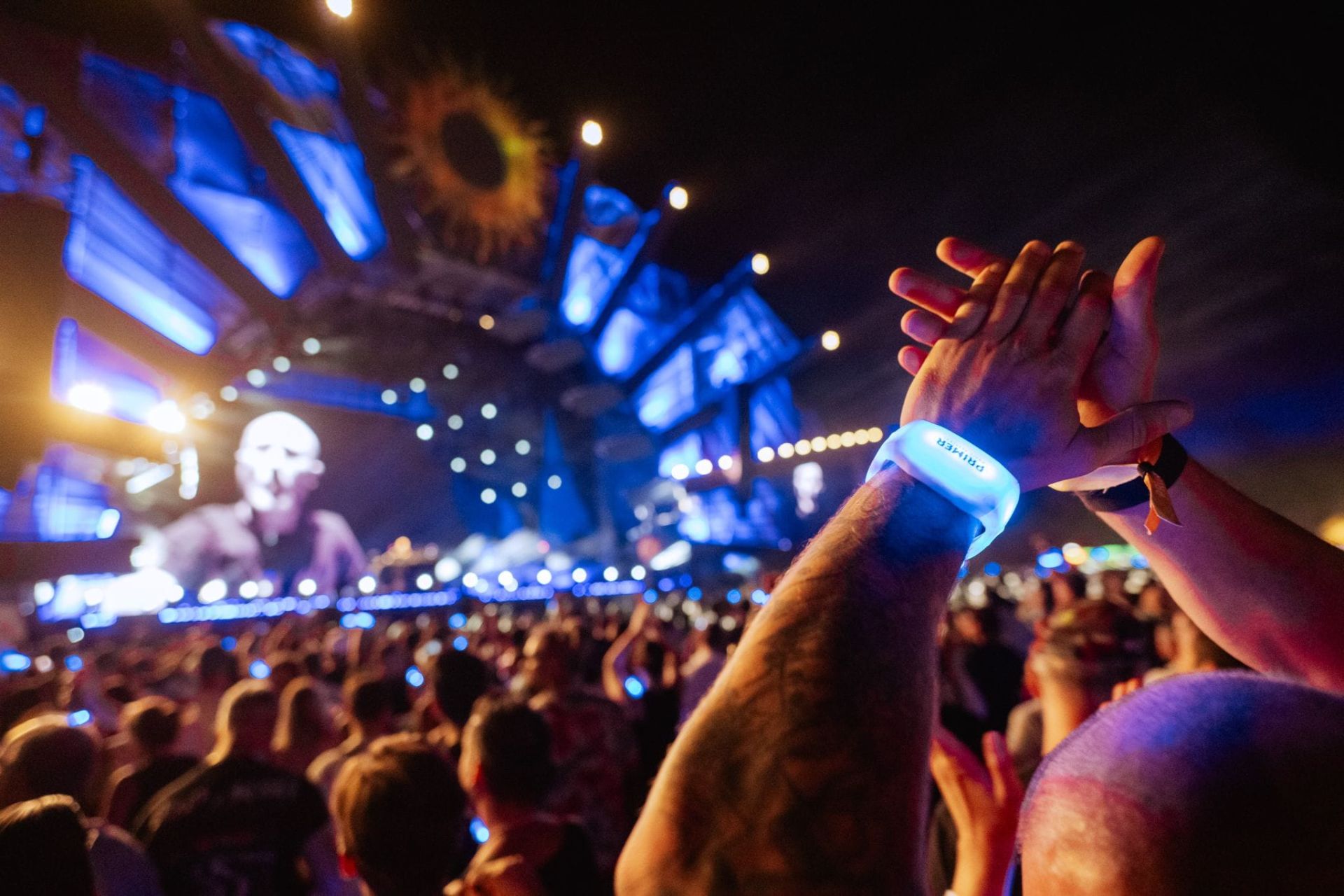
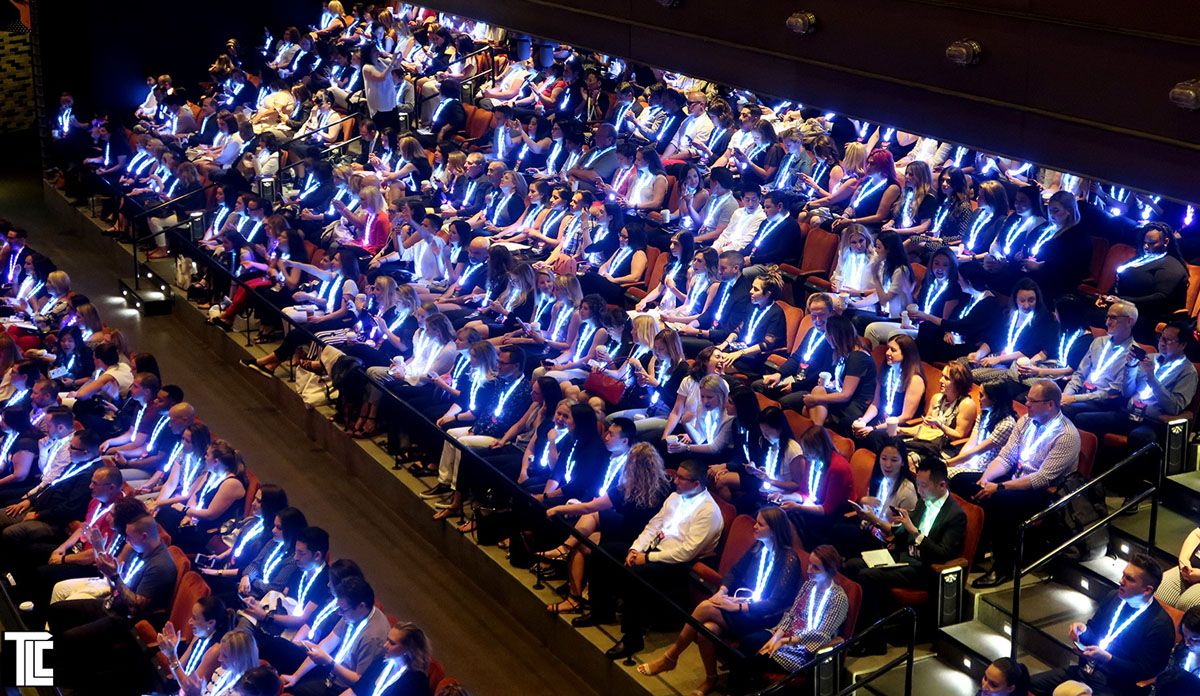
The rise of wearable LED technology, like the products pioneered by Xylobands, offers a tangible example of this principle. To turn an entire stadium into a single, synchronized canvas of light requires absolute faith in the technology and the team deploying it. The creative team designs effects with the assumption that every single one of the tens of thousands of concert wristbands will fire exactly as programmed. The logistics team works to ensure they are distributed correctly. This is a high-wire act of coordination, and it is only possible through a robust framework of professional trust.
Building Your Leadership Blueprint
"The currency of leadership is trust. If people don't trust you, they won't follow you."
For the aspiring tour manager, the agency producer, or the creative director, the lesson is clear. Your technical knowledge will get you in the room. Your creative ideas will get you noticed. But your ability to build and maintain trust is what will define your career.
This means championing transparency, even when the news is bad. It means taking ownership of failures and deflecting credit for successes. It means understanding the motivations and pressures on each member of your team, from the artist to the runner. In the world of high-stakes production, leadership is not a title or a position on an org chart. It is a behaviour, a discipline, and a quiet, relentless commitment to being the most trustworthy person in the room. It is the choreography of trust that turns a collection of individuals into a unified force capable of creating the truly unforgettable.