The New Era of Stadium Spectacle: Choreographing the Half-Time Show
The Game is Only Half the Story
For decades, the half-time show was a pleasant diversion—a marching band, a local celebrity, a quick snack run. It was the intermission, not the main event. But in the modern era of sports entertainment, that paradigm has been shattered. The half-time show is now a spectacle in its own right, a high-stakes, globally broadcast performance demanding the same level of technical precision and creative ambition as a stadium tour or a major festival headline slot.
Today, teams, leagues, and sponsors understand that the 15-minute interval is a prime opportunity to captivate a massive, emotionally invested audience. From the Davis Cup to the Super Bowl, the pressure is on to deliver an unforgettable experience that extends beyond the field of play. This has given rise to a new art form: the choreography of the stadium itself, where light, sound, and the crowd become integral components of the performance.
From Passive Viewers to Active Participants
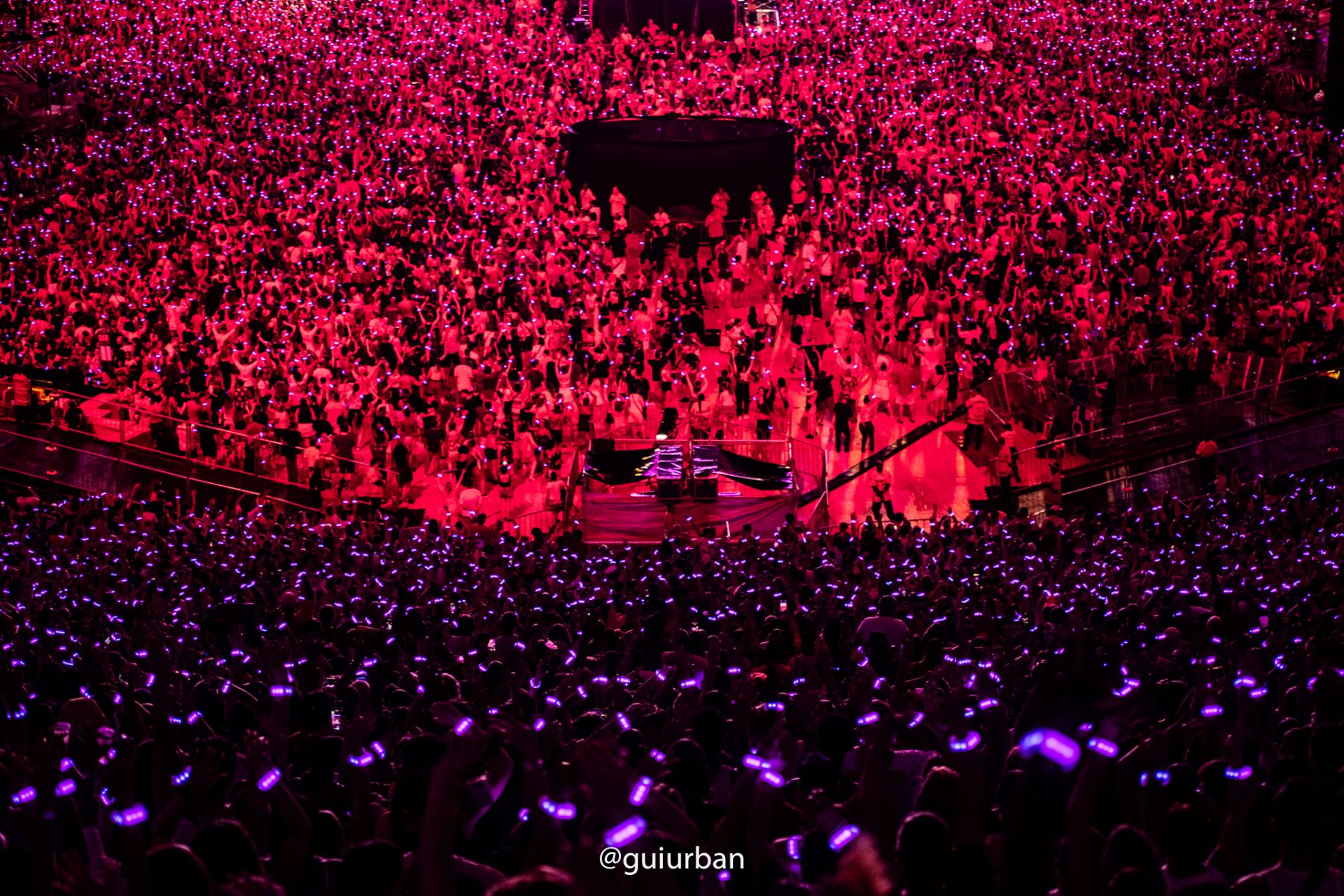
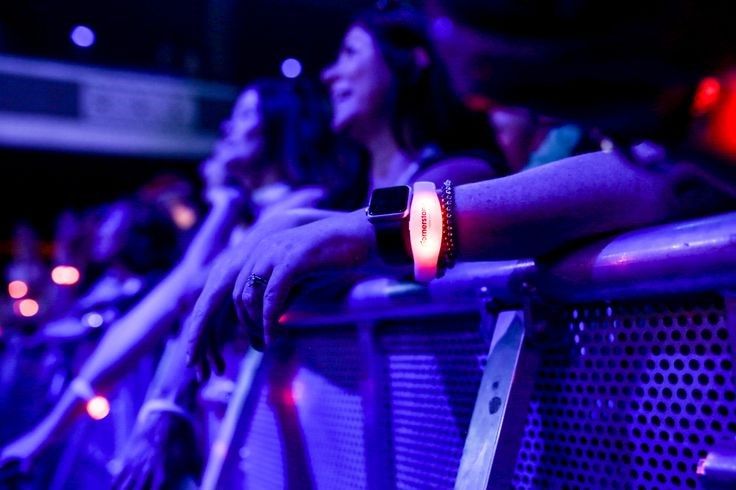
The fundamental shift has been in the perception of the crowd. No longer a passive sea of faces, the audience is now the canvas. This is where wearable LED technology has become a game-changer. By equipping every attendee with a radio-controlled device—like Xylobands' iconic LED bracelets or custom pendants—show designers can transform the entire stadium bowl into a dynamic, living light show. Suddenly, the crowd isn’t just watching the show; they are the show.
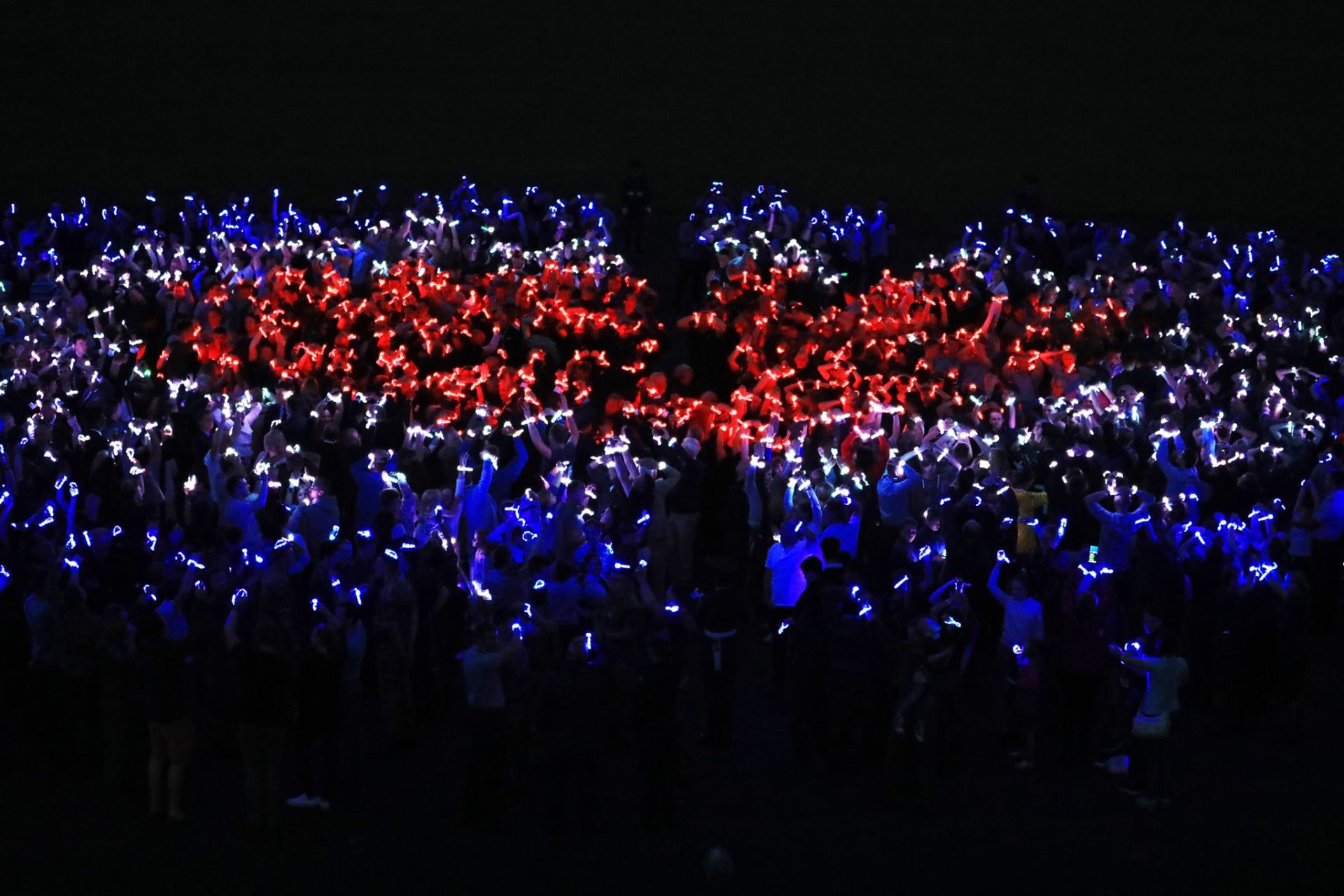
This transforms the creative possibilities. A single, dramatic blackout can be punctuated by tens of thousands of synchronized points of light, pulsing in the home team’s colors. A wave of light can chase a star player’s highlight reel around the stadium. During a musical performance, the entire venue can flash and fade in perfect time with the beat, creating a sense of unity and shared energy that traditional lighting rigs alone cannot achieve. This is the core of creating powerful LED crowd experiences.
The Technical Choreography: Precision at Scale
Executing these moments requires a level of technical choreography as demanding as the on-field strategy. It’s a game of zones, signals, and flawless timing.
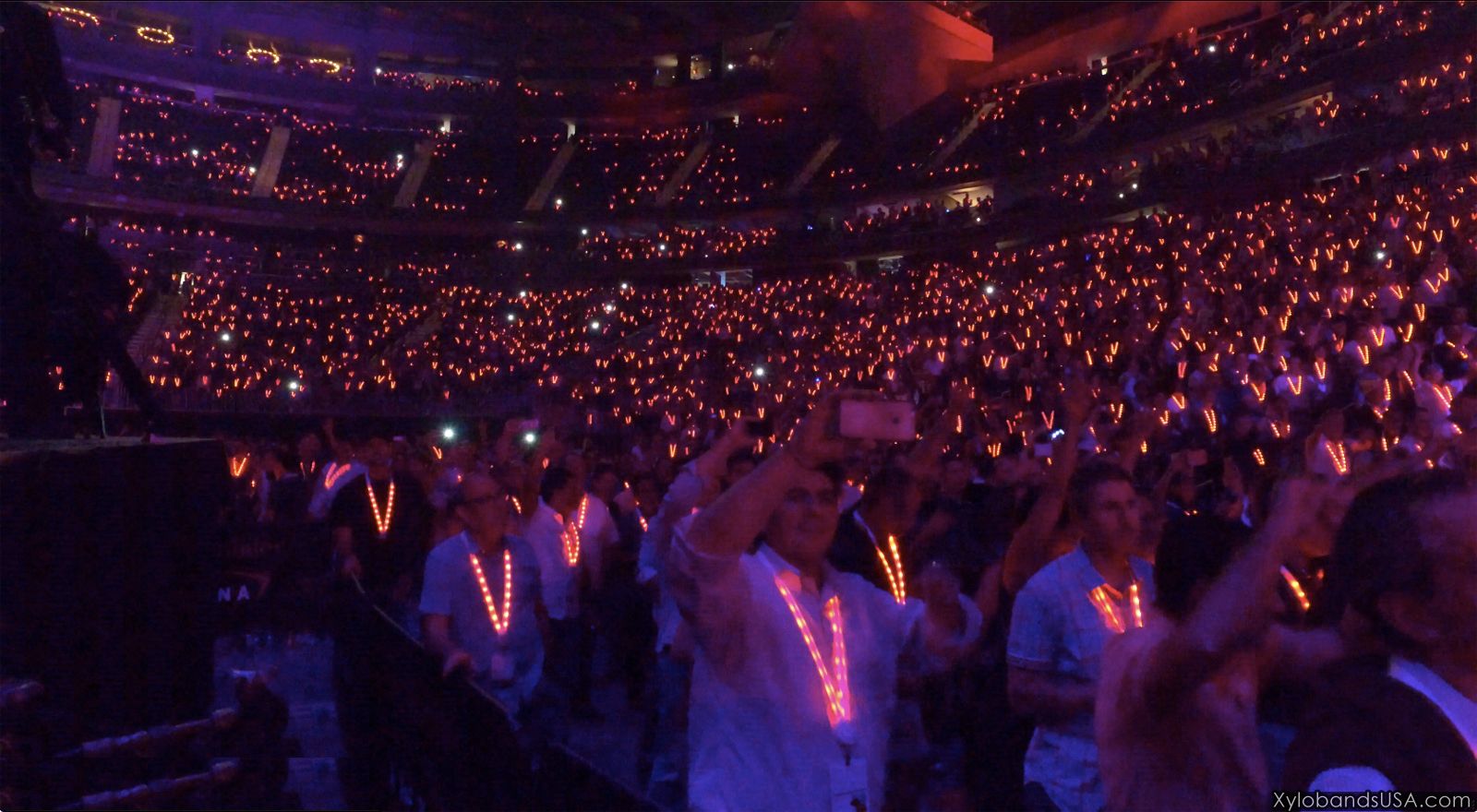
- Zoning the Canvas: The stadium is digitally mapped into hundreds of zones. This allows programmers to send specific commands to different sections, creating complex patterns, logos, or waves of color across the stands. For the Formula One 75th-anniversary event, for example, custom LED Lanyards were distributed based on hospitality levels and team affiliations, allowing for targeted lighting effects that made each group feel part of a bespoke experience.
- The Unseen Signal: At the heart of it all is a powerful radio transmitter, controlled by a dedicated lighting operator. Their console, once focused solely on stage lights, now commands an army of wearables. Every cue must be executed with split-second precision, perfectly synchronized with the live action, the broadcast feed, and the stadium’s audio-visual systems. These radio controlled LED wristbands are the silent workhorses of the modern immersive event.
- Lighting for Two Audiences: Sports spectacles are broadcast events, meaning the show must be designed for two distinct audiences: the people in the seats and the millions watching at home. Immersive event technology excels here, creating a visually rich experience that translates beautifully to the screen. The flickering, pulsing energy of the crowd becomes a captivating visual element for the broadcast, conveying the electric atmosphere of the stadium to viewers worldwide, as seen in global events like Maluma’s hometown concert in Medellín, streamed to over 240 countries.
Beyond the Half-Time: A New Standard for Fan Engagement
The application of this technology extends far beyond the half-time interval. It’s redefining the entire fan experience from the moment they enter the stadium.
“The stadium is no longer just a venue; it’s an instrument. When you give every fan a point of light, you give them a voice in the spectacle. They become part of a collective, a unified body of light and energy. That’s a powerful emotional tool.”
Imagine the roar of the crowd after a touchdown, amplified by a stadium-wide explosion of light. Consider the player introductions, where each athlete’s entrance is met with a unique lighting signature that ripples through the stands. This is the new frontier of fan engagement—transforming passive attendance into active participation. It’s a philosophy we’ve seen energize crowds at events for sporting giants like the Chicago Blackhawks, Arsenal FC, and the FIFA World Cup.
The modern sports spectacle is a testament to the power of ambitious, multi-disciplinary choreography. It’s a fusion of athletic prowess, musical performance, and sophisticated LED event technology. By turning the crowd into a canvas, we are entering a new era of immersive events, where every fan is part of the play and the stadium itself becomes a living, breathing entity. The half-time show is no longer an intermission; it’s a headline performance on the world’s biggest stage.