The Operational Triad: Aligning Agency Vision, Tour Direction, and Technical Production
The Operational Triad: Aligning Tour Management, Agency Vision, and Production Realities
Every landmark arena production or global broadcast begins with tension. On one side sits the creative agency or show director, armed with ambitious storyboards, emotional arcs, and an appetite for pushing technical boundaries. On the other stands the production manager, laser-focused on load-in timelines, rigging capacities, RF spectrum coordination, and physical physics. Anchoring them both is the tour director, whose mandate is commercial viability, brand equity, and protecting the artist or client night after night.
When these forces clash without a shared operational dialect, productions fracture. Deadlines slip, creative compromises dilute the vision, and show-stopping concepts fail at the critical moment of execution. However, when technical leadership harmonises these distinct disciplines, the result transcends ordinary live entertainment. It creates an ecosystem where complex technology serves narrative instinct seamlessly.
Leadership in modern live touring and agency-led productions is no longer about autocratic decision-making from backstage behind a coms headset. It is the discipline of structural alignment: establishing total clarity across creative intent, logistical discipline, and cutting-edge live event technology.
The Creative Brief vs. The Load-In Clock
Creative directors often speak in emotional dynamics: intimacy, escalation, collective transcendence. Production heads speak in load limits, power distribution, freight cubic meters, and RF channel allocation. The primary job of modern touring leadership is translating intangible creative ambition into rigid technical architecture.
Consider the logistical demands of massive live spectacles. When Wizkid made history at London’s 20,000-capacity O2 Arena during the Made in Lagos tour, the creative mandate was an electric, unified atmosphere across three consecutive sold-out nights. Executing that vision required deploying 32,000 units of The Xylo Lux, managing daily battery checks, refurbishment, reuse cycles, and responsible recycling protocols under intense turnaround pressures. Without meticulous production leadership bridging the creative vision with stage-deck reality, high-impact experiential tools become logistical liabilities.
Leadership requires establishing early, non-negotiable communication loops between agency art directors and technical department heads. The technology selected to support the narrative—whether moving heads, automated video panels, or wearable LED technology—must be evaluated not just for its aesthetic punch, but for its reliability, frequency compliance, and deployment speed.
Radio Frequencies and Broadcast Glass: Engineering Reliability
In high-stakes environments, technical trust is the currency of leadership. As live productions scale into hybrid models—catering simultaneously to an in-stadium crowd and tens of millions watching via broadcast—production leads face zero margin for error.
Nowhere is this sharper than in high-density RF (radio frequency) arenas. A multi-cam televised showcase or massive motorsport event, such as Formula One's F1 75 at The O2 London, brings together simultaneous broadcast feeds, in-ear monitoring systems, wireless camera transmitters, and tens of thousands of audience members carrying mobile devices. When Formula One required 13,000 custom Xylo Pendants distributed across hospitality tiers, team suites, and general admission to reflect team liveries during a live two-hour global broadcast, the system could not rely on consumer-grade Wi-Fi or Bluetooth protocols.
The leadership decision to deploy proprietary radio controlled LED wristbands and pendants operating on dedicated RF channels ensures that audience-wide visual effects trigger frame-accurately on the downbeat, immune to local cellular congestion or venue interference. True technical leadership protects the production by de-risking the environment before trucks even arrive at the loading bay.
Transforming the Crowd: From Passive Viewers to Scenic Elements
Historically, production hierarchy treated the audience as an end recipient—the passive observer looking toward the proscenium arch. Today, cutting-edge creative agencies and forward-thinking tour managers view the crowd as an architectural element of the set design itself.
This paradigm shift began when Jason Regler envisioned the audience as a living canvas during Coldplay’s iconic performance at Glastonbury Festival, subsequently engineering the world’s first synchronised wireless wristbands. When tens of thousands of fans don concert wristbands or custom LED bands, the physical boundaries of the stage dissolve. The production footprint expands instantaneously from a 60-foot deck to the furthest reaches of the upper bowl.
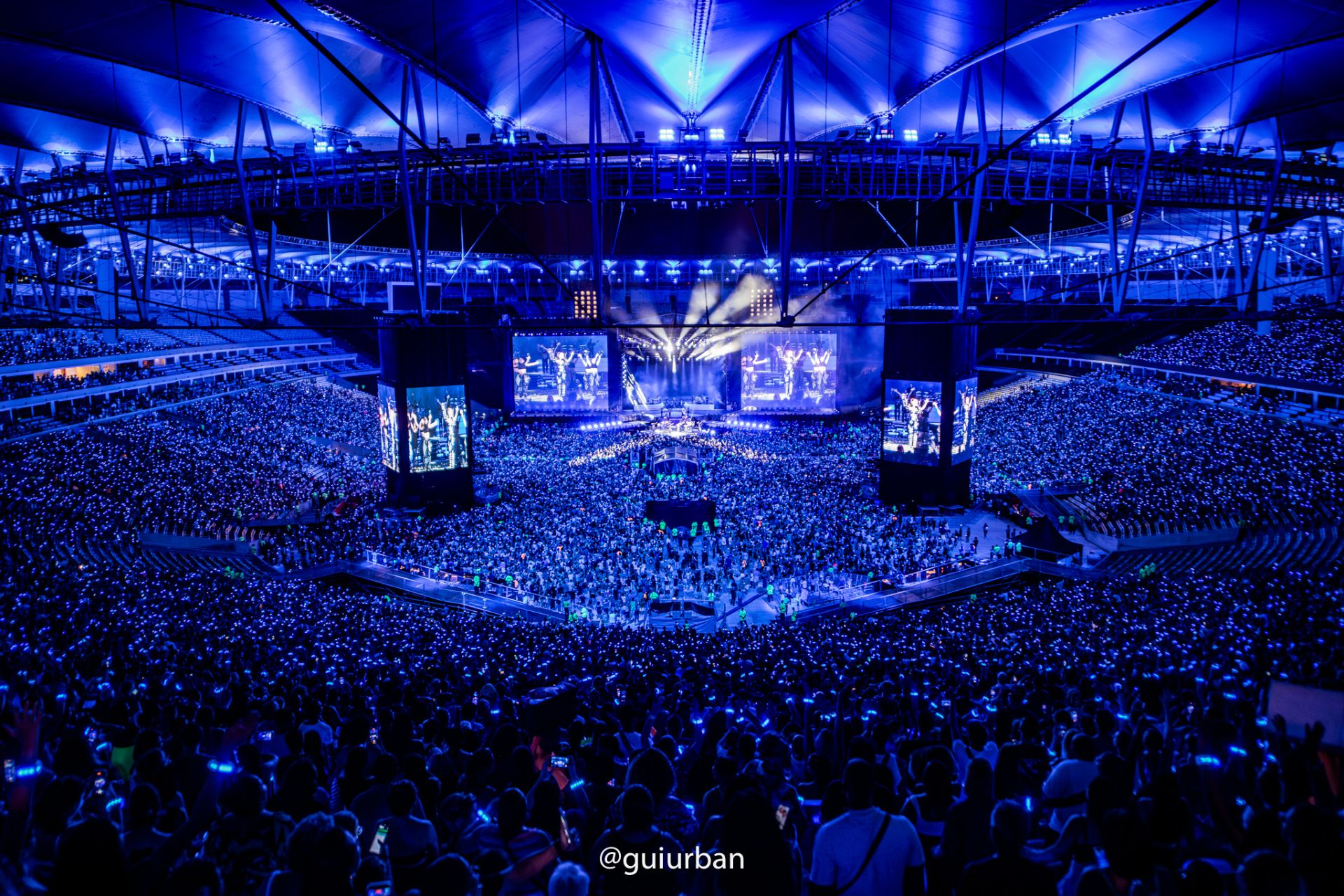
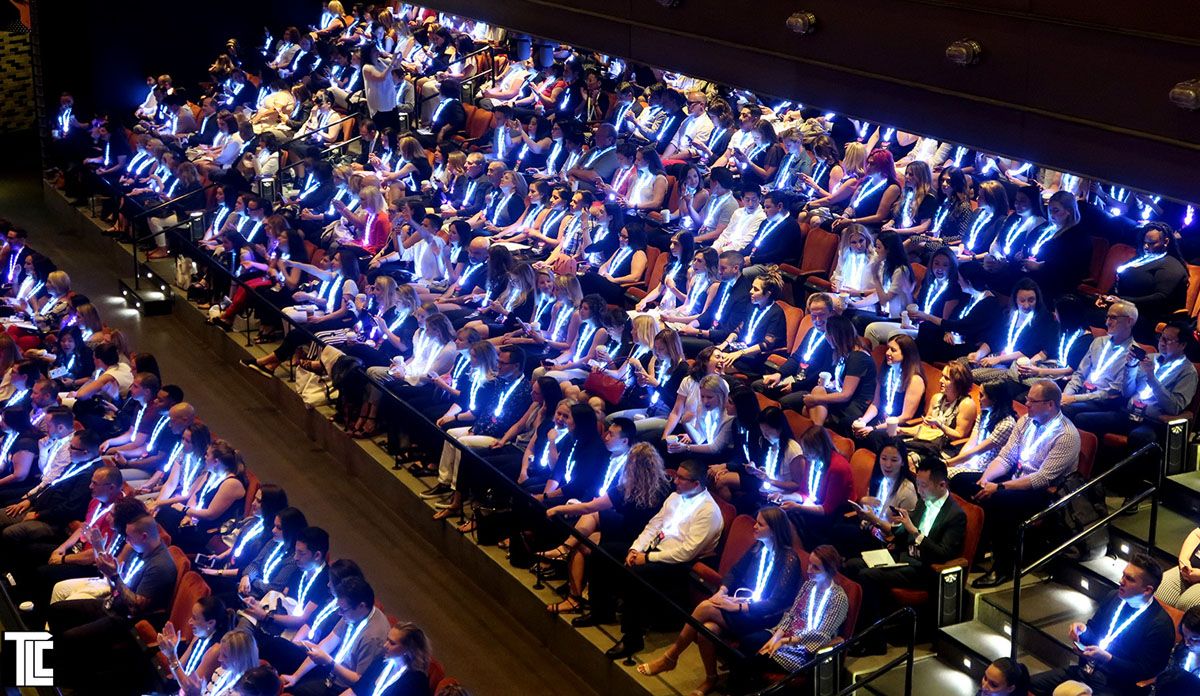
Managing this shift requires leadership that can orchestrate crowd participation without friction. Modern event directors achieve this by integrating custom LED wristbands and LED lanyards into the front-of-house ticketing and guest arrival flow. When audiences are invited into the lighting design through dynamic LED crowd experiences, their emotional investment spikes. They are no longer merely witnessing a spectacle; they are powering it.
Cross-Functional Alignment: The Tour Director's Playbook
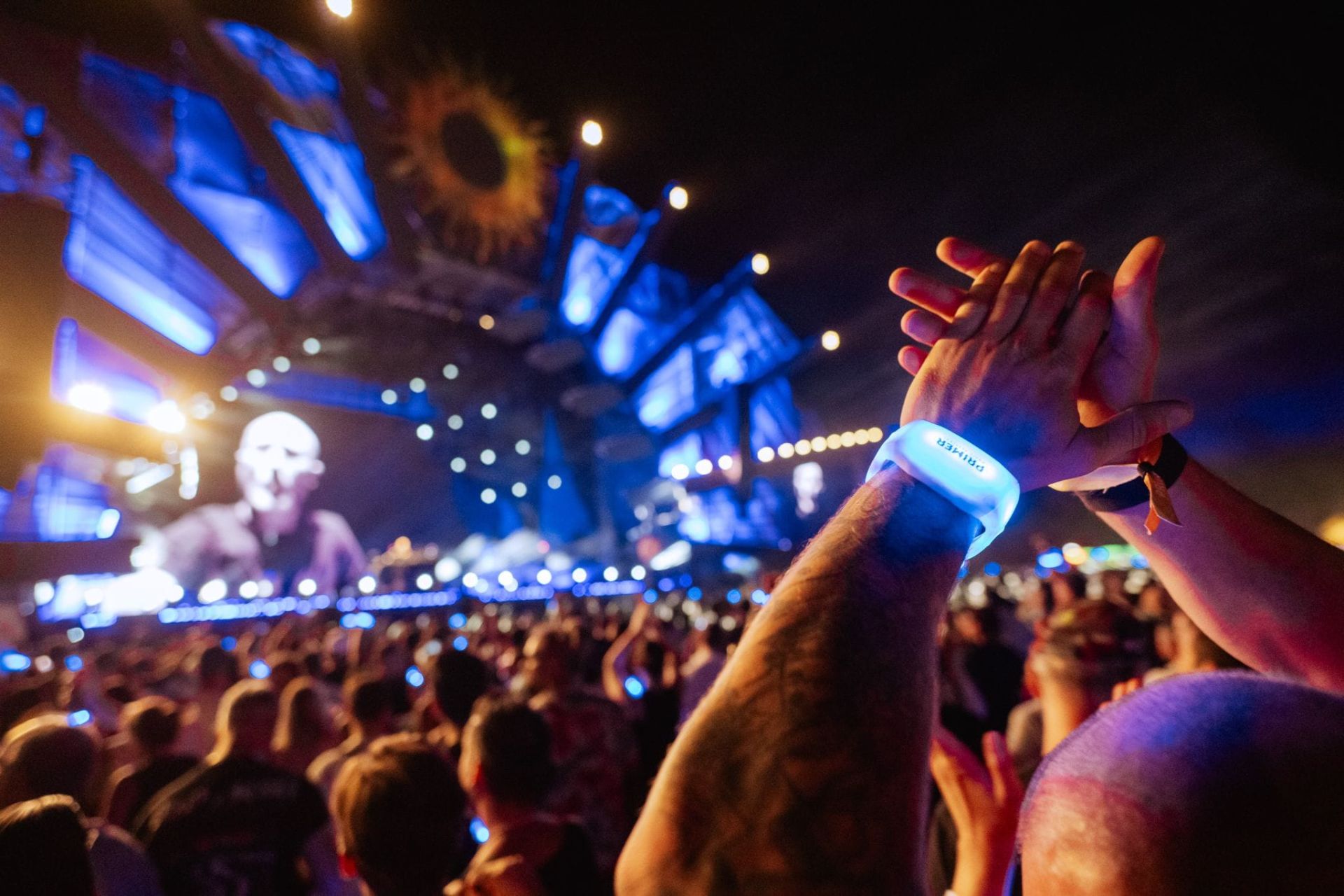
To deliver flawless execution across complex global schedules—whether hopping European festival circuits like PRIMER Music Festival in Athens or staging 54,000-seat stadium spectacles like Maluma's Medellín En El Mapa—production leaders follow three core operational tenets:
- Lock the Creative Intent Early, Validate the Physics Fast: Encourage agencies to design without restraint during conceptualisation, but introduce production and tech specialists early. Prototyping audience interaction through scalable immersive event technology prevents costly, last-minute redesigns.
- Standardise Data and Control Protocols: Live crowd lighting should never run as an unlinked novelty. Modern live leadership integrates audience-facing LED event technology directly into the master lighting console via standard DMX/Art-Net protocols, giving the show lighting designer unified, real-time control alongside main rig fixtures.
- Design for Sustainable Turnover: High-velocity touring demands systems built for circularity. Pioneering leaders establish closed-loop returns, re-programming stations, and component testing on-site to ensure sustainability commitments match technical ambition.
The Measure of Leadership
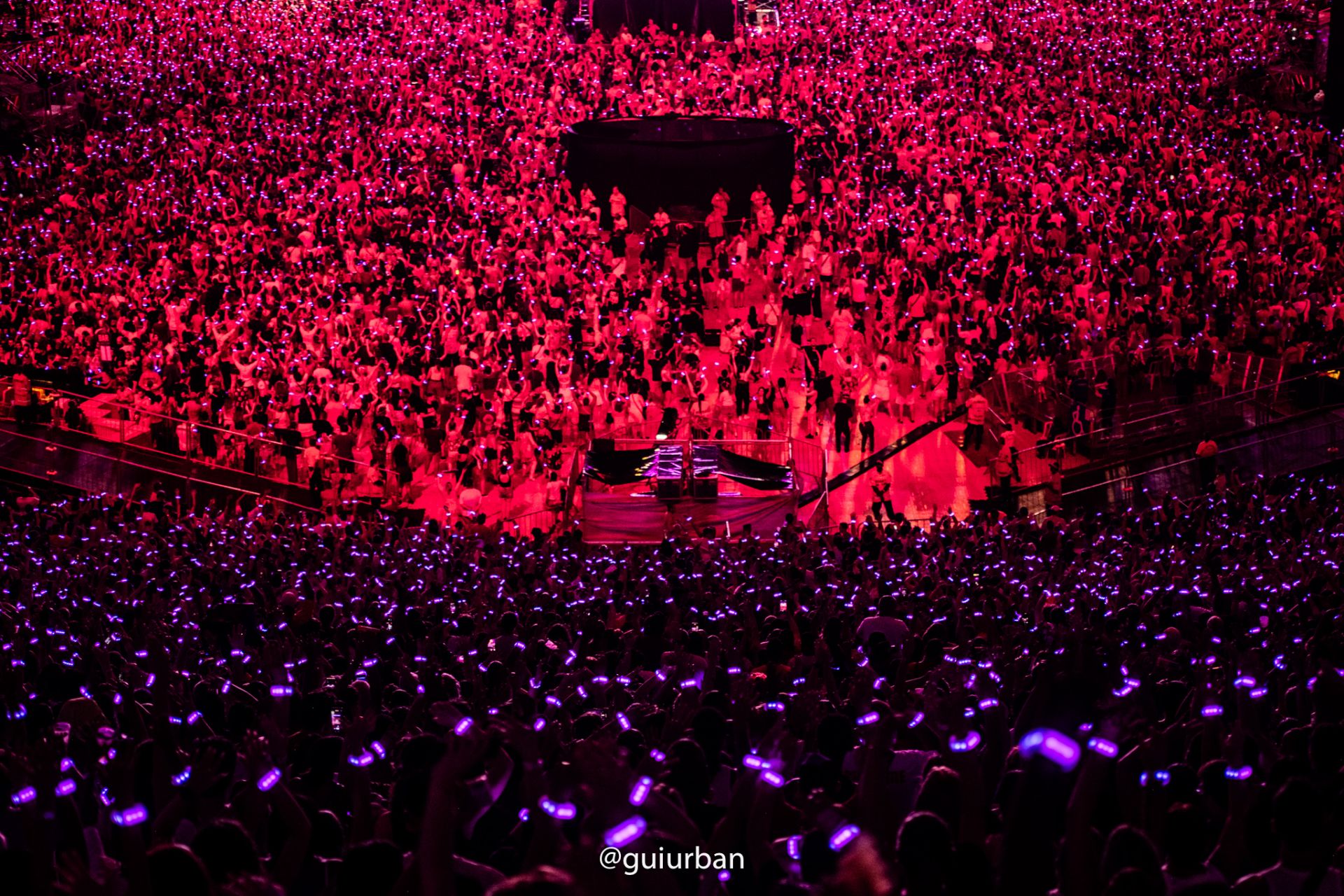
At the conclusion of a world-class production, the audience rarely thinks about RF coordination, freight manifests, or DMX universes. They remember how the room felt when 50,000 people pulsed with the same wash of crimson light at the climax of a chorus. They remember the sense of belonging to something vastly larger than themselves.
Great leadership in touring, production, and agency creative design lives in that invisible seam where meticulous technical preparation enables breathtaking creative spontaneity. By uniting the visionary eye of the creative director with the unrelenting discipline of the tour engineer, live experiences move beyond standard entertainment—becoming transformative cultural moments etched permanently in memory.