The Gravitational Pull: Deconstructing the Psychology of Shared Experience in Live Events
The Loneliness of the Crowd
Assembling a massive audience is a feat of logistics, but it is not a guarantee of connection. An arena full of people can be a surprisingly lonely place. Each individual arrives with their own expectations, anxieties, and a lifetime of experiences that color their perception. They are surrounded by strangers, hyper-aware of their own space, their phone, their path to the exit. This is the default state of a crowd: a collection of individuals, not a community.
The challenge for any event producer or tour manager is to overcome this default state. The goal is to intentionally dissolve the barriers between strangers and foster a powerful, temporary sense of unity. This requires more than just a great performance; it requires a deep understanding of human psychology and the subtle art of environmental design.
From Spectator to Participant: The Power of Agency
The journey from passive spectator to active participant begins with a simple sense of agency. When an audience member is given a role to play, however small, their relationship to the event changes. They are no longer just watching; they are contributing. This is a principle we’ve seen play out in countless formats, from the halftime shows at major sporting events like the Davis Cup to the grand ceremonies of Formula One.
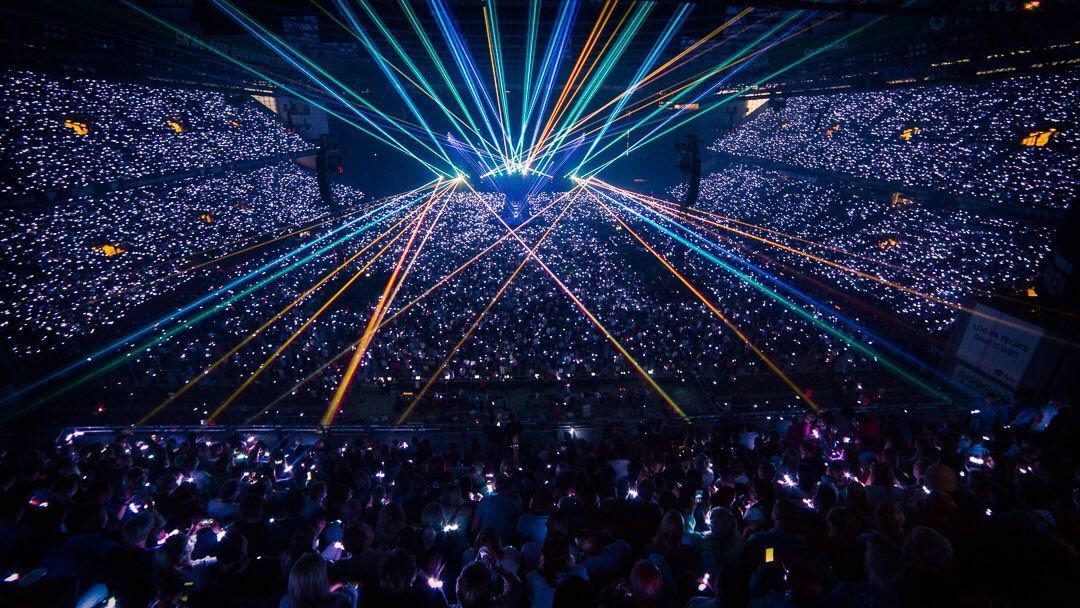
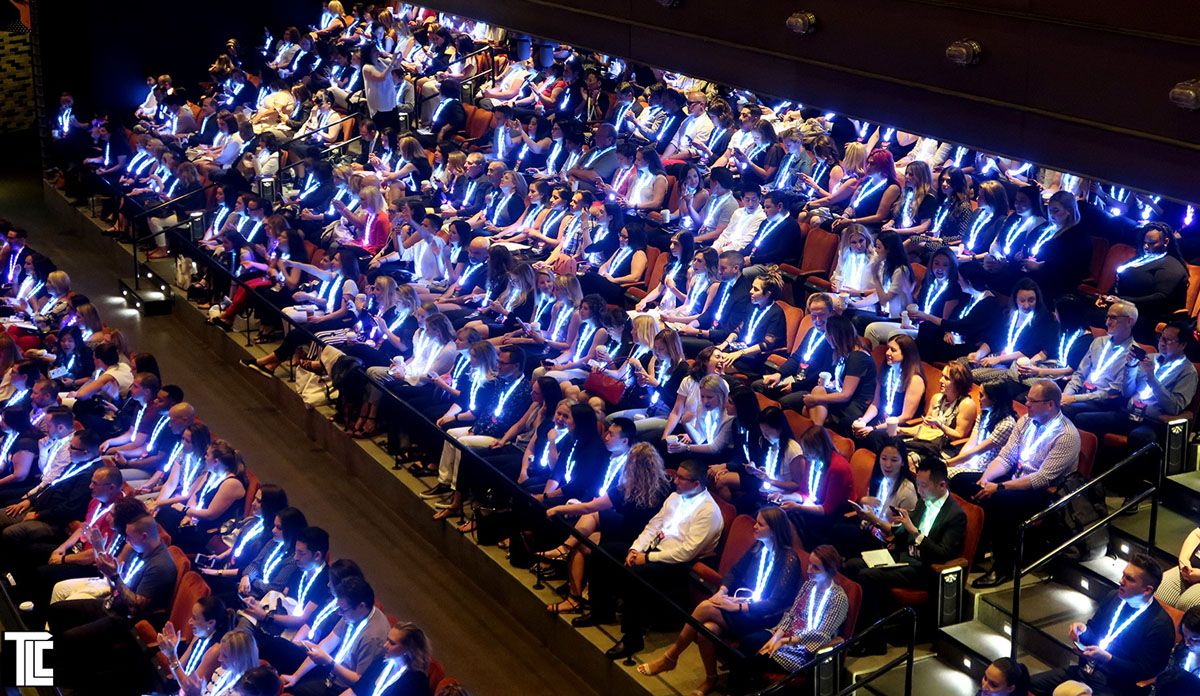
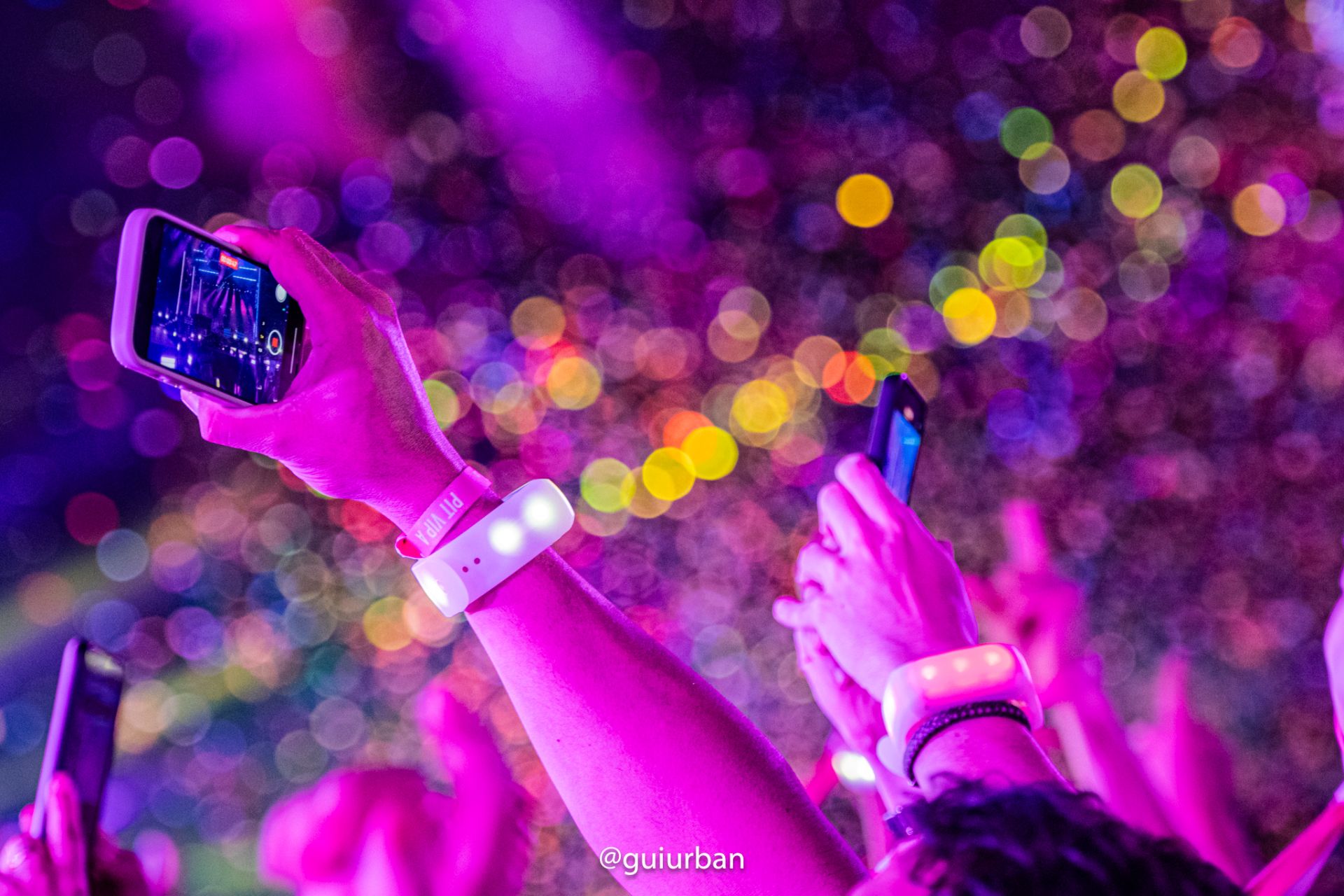
The simplest form of participation is often vocal—a cheer, a chant, a singalong. But in the modern era of immersive event technology, we can go much further. When each person in a 50,000-seat stadium is given a light-up wristband, they are handed a tool of participation. They become a pixel in a larger image, a note in a visual chord. Their physical presence is now visually represented and integrated into the fabric of the show. This is no longer a passive experience; it is an active co-creation.
The Synchronicity Effect: How Shared Rhythms Create Unity
The true magic begins when individual participation is synchronized. Neuroscientific studies have shown that when people move, sing, or even just watch a spectacle in unison, their brainwaves can begin to sync up. This phenomenon, known as neural entrainment, is a powerful driver of empathy and social bonding.
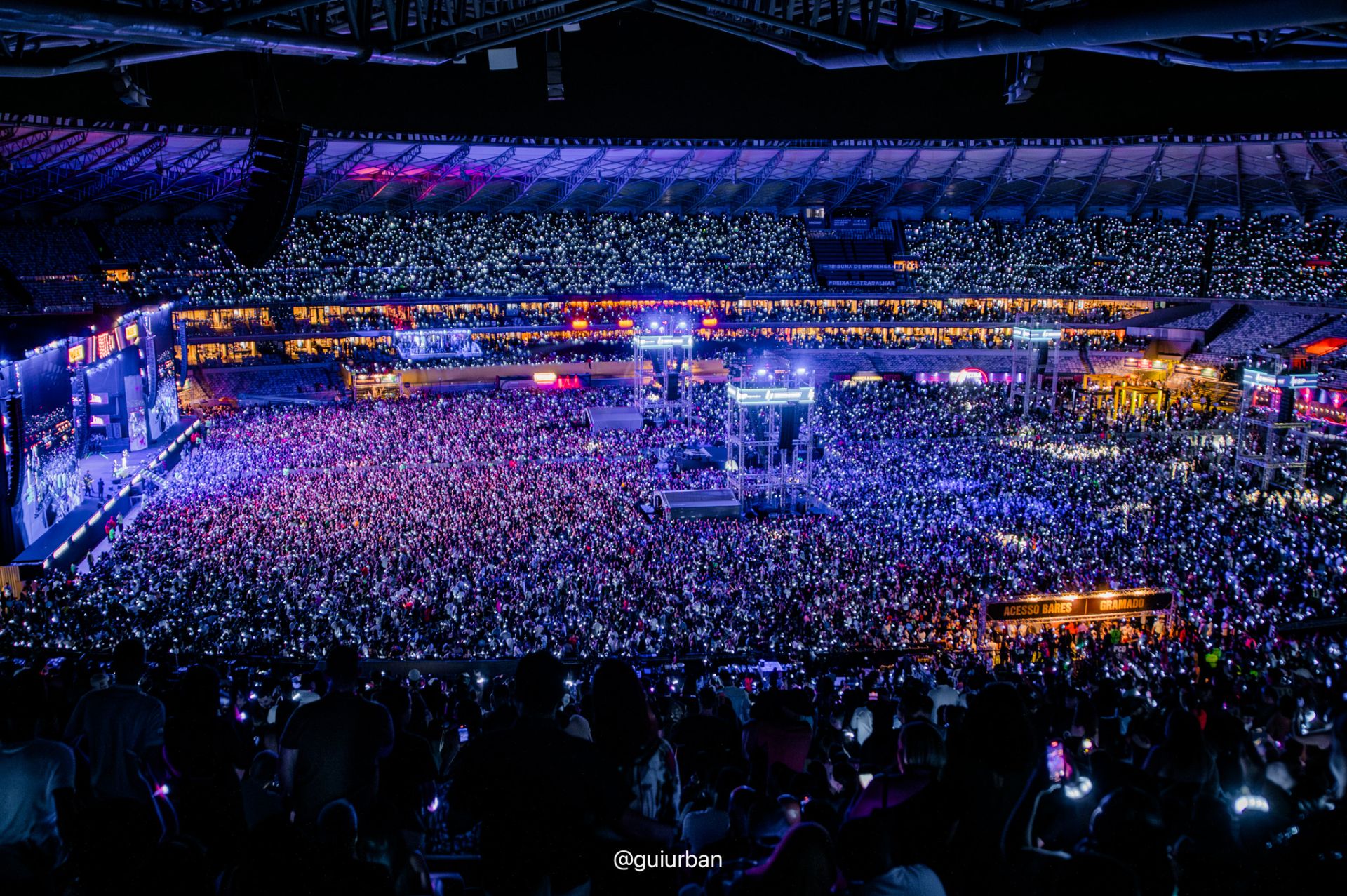
This is the engine behind the unforgettable moments that define LED crowd experiences. When 54,000 fans at a Maluma concert in Medellín see their LED bracelets flash in perfect time with a beat drop, they are experiencing more than just a light show. They are part of a shared biological and emotional rhythm. The light is not just coming from the stage; it is coming from them. It emanates from every individual, creating a feedback loop of energy that washes over the entire stadium.
"The entire audience could become one living light show, perfectly synchronised with the music. It would create moments of unity where artists and fans shared the same experience, allowing everyone to switch off from the outside world and become completely immersed in live music."
This was the core vision behind Xylobands from the very beginning, a vision born from observing the power of the crowd at Glastonbury. The goal was never just to add another visual element, but to harness the power of synchronicity to deepen the connection between artist and audience.
Choreographing Light, Choreographing Emotion
As producers and designers, we are not just lighting a stage; we are lighting a crowd. With radio controlled LED wristbands, the audience itself becomes a canvas. This transforms the creative possibilities and the emotional impact of a show. A sudden plunge into darkness, punctuated by a single colour pulsing from thousands of wrists, can create a moment of breathtaking intimacy in a vast space. A wave of light sweeping from the back of the arena to the stage can build anticipation to a fever pitch.
This is the art of atmospheric design. At events like Greece’s PRIMER Music Festival, we’ve witnessed how dynamic festival wristbands can turn a high-energy DJ set into a fully immersive, collective journey. The technology allows us to create visual narratives that mirror the emotional arc of the performance. We can highlight a specific section of the crowd, create waves of competing colors, or unify everyone in a single, brilliant flash. This is more than just wearable technology; it is a tool for emotional choreography on a massive scale.
Conclusion: The Responsibility of the Unforgettable
Forging these moments of profound connection is the holy grail of live events. It’s what transforms a concert from a string of songs into a lifelong memory, a corporate event from a mandatory attendance into a powerful brand statement. It’s the difference between watching a show and being part of the spectacle.
As creators of immersive events, our job is to design the conditions for these moments to occur. By understanding the psychology of the crowd—the need for agency, the power of synchronicity, and the impact of shared sensory experience—we can move beyond simple entertainment. We can create moments of genuine human connection that resonate long after the lights go down, turning tens of thousands of strangers, for one unforgettable night, into a unified whole. It is in these shared moments that the true power of the live experience is found.