The Pulse of the Crowd: A New Era in Event Safety and Analytics
The Unseen Data Stream
In the world of large-scale events, from music festivals to international sporting competitions, the primary focus is always on the experience. The lights, the sound, the collective energy of thousands of people sharing a single moment—these are the elements that create lasting memories. Yet, beneath this visible layer of spectacle lies an unseen and increasingly vital current of data. Every movement, every bottleneck, every surge of the crowd tells a story. The challenge for event producers and safety officers has always been how to read and react to that story in real time.
Traditionally, crowd management has been a reactive discipline, relying on static infrastructure, security personnel observation, and historical data. While effective to a degree, this approach has inherent limitations. It often identifies problems only after they have begun to emerge. But what if the crowd itself could become a dynamic sensor, providing a live feed of its own density, flow, and sentiment? This is the new frontier of event management, where immersive technology and data analytics converge to create safer, more intelligent environments.
From Spectacle to Sensor
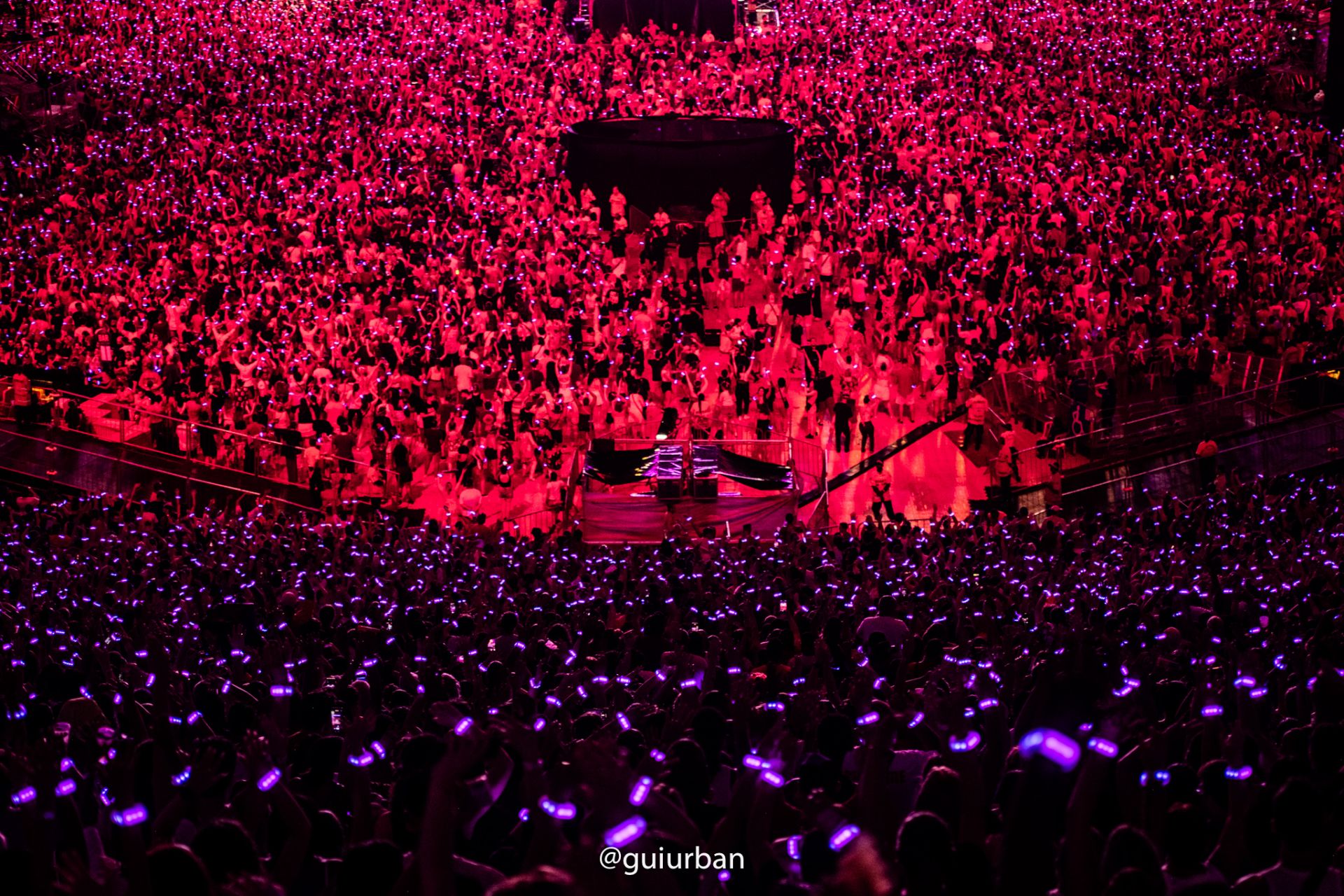
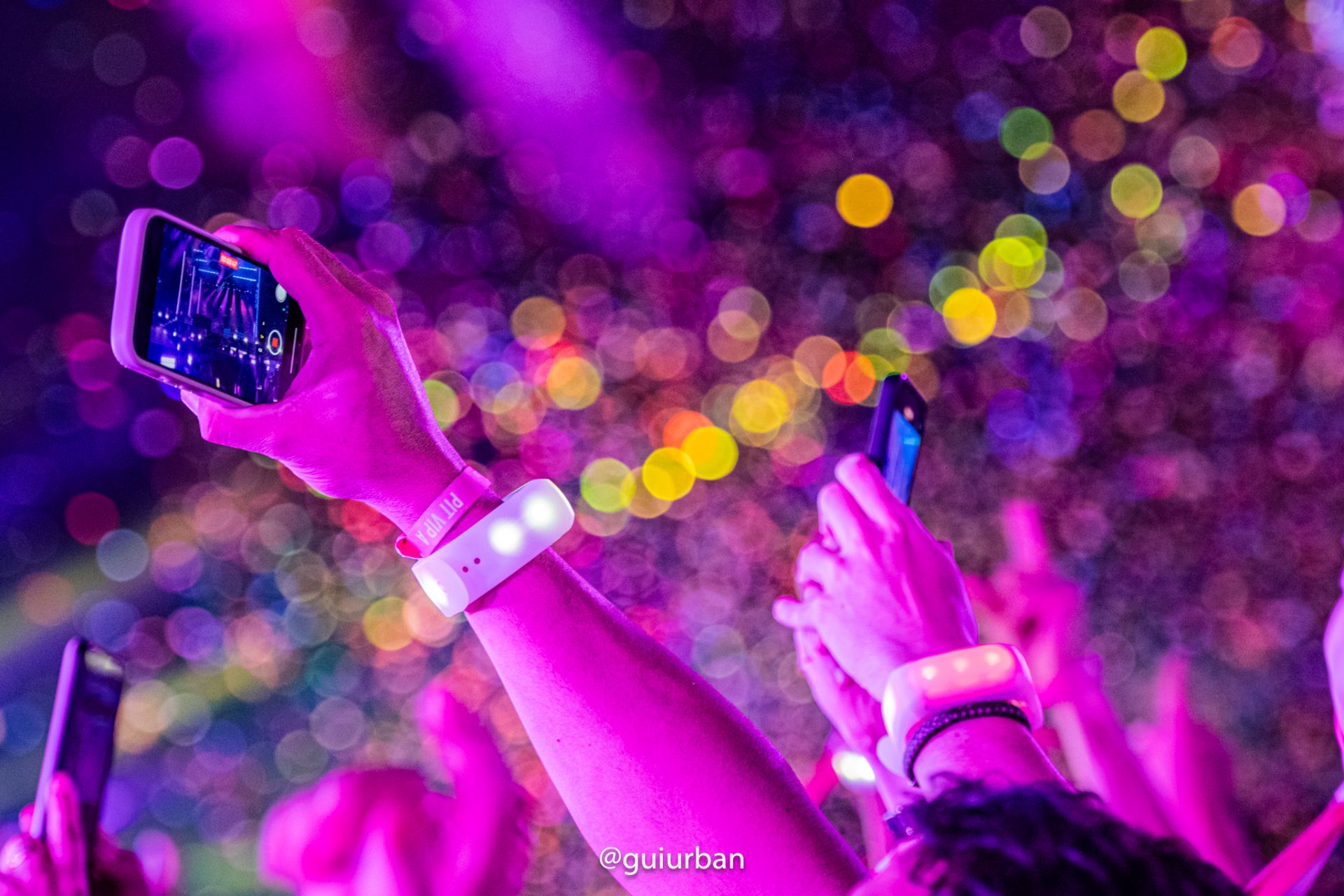
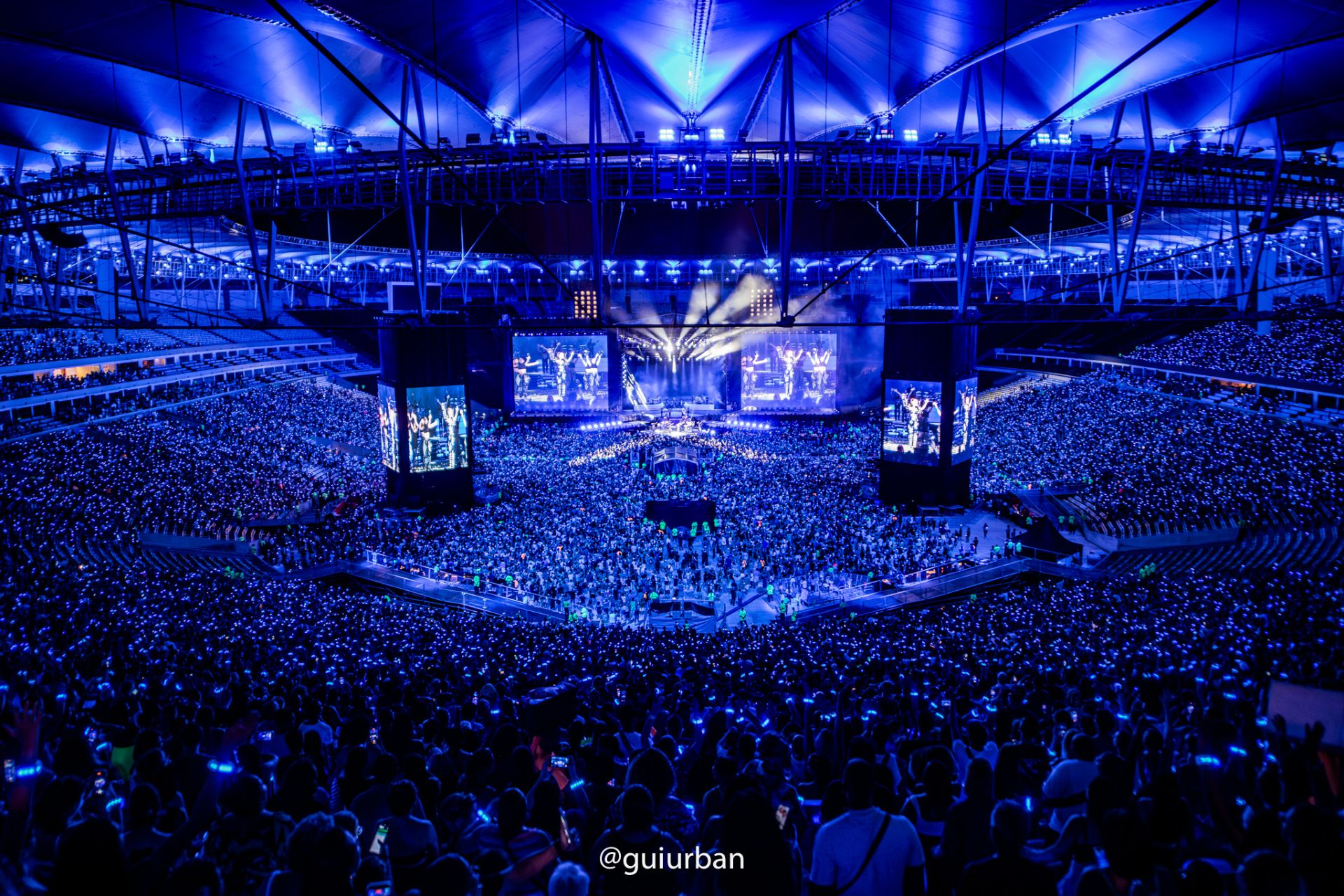
The technology of wearable LED devices, such as the Xylobands that have become synonymous with artists like Coldplay and global events like the Formula One 75th Anniversary, was initially designed for spectacle. Its purpose was to unify a crowd, transforming tens of thousands of individuals into a single, pulsating canvas of light. By creating moments of shared visual experience, LED wristbands forge a powerful sense of connection and immersion.
However, the very network that controls the light show holds a secondary, powerful potential. The same radio-controlled infrastructure used to trigger breathtaking visual cues can also be leveraged to gather anonymised spatial data. Think of it not as tracking individuals, but as monitoring the density and flow of the collective organism. This is the core principle behind using Immersive Event Technology for crowd analytics.
"When you can see how the crowd is distributed in real time, you move from reacting to anticipating," explains a leading event safety strategist. "It’s about understanding the pulse of the entire venue, not just isolated pockets."
Key Applications in Real-Time Crowd Analytics:
- Dynamic Density Mapping: By triangulating signals from LED wearables, event command centers can generate a live heat map of the venue. This allows for the instant identification of dangerously overcrowded areas or unexpected bottlenecks, enabling security to redirect foot traffic or open new access routes before a crush situation develops.
- Flow Analysis and Egress Optimisation: The end of an event presents one of the biggest safety challenges. Analysing the movement patterns of thousands of attendees as they exit allows organisers to identify inefficient egress points. Over time, this data can inform better venue design and signage, ensuring a smoother, safer departure for everyone. This is crucial for venues like London's O2 Arena, which has hosted packed-out shows for artists like Wizkid.
- Zone-Specific Communication: In an emergency, clear and targeted communication is critical. A system that understands crowd distribution can be used to send localised instructions. For example, wristbands in a specific sector could be made to flash a unique colour, directing those attendees toward the safest exit, while other sectors receive different signals, preventing a mass rush to a single point.
The Balance of Safety and Privacy
The conversation around crowd analytics inevitably and rightly brings up the issue of privacy. It is essential to draw a clear line between monitoring collective patterns and tracking individual attendees. The goal is not to know where a specific person is, but to understand the density and movement of groups. Reputable systems, including the technology behind Xylobands, are built on the principle of anonymisation. The data points are aggregated signals, not personal identifiers. They provide the "what" and "where" of crowd behaviour on a macro level, without ever needing to know the "who."
This approach ensures that the immense safety benefits of crowd analytics can be realised without infringing on personal privacy. It’s about enhancing security for everyone, creating an environment where attendees can lose themselves in the experience, confident that a smart, responsive system is working silently in the background to keep them safe.
The Future of Immersive, Intelligent Events
The integration of crowd analytics into LED crowd experiences represents a paradigm shift. Event producers are no longer just choreographers of light and sound; they are also becoming managers of complex, dynamic systems. This technology provides a powerful new tool to uphold their most fundamental responsibility: the duty of care to every single attendee.
From music festivals like PRIMER in Greece to major broadcast events, the ability to make data-informed decisions in the moment is redefining best practices for event safety. The same Radio Controlled LED Wristbands that paint the stadium in light also provide the crucial data points for a safer tomorrow. As this technology evolves, we will see smarter venue designs, more efficient crowd management strategies, and a new standard of safety at mass gatherings worldwide. The light show has become more than just a spectacle; it’s now a vital part of the unseen architecture of event safety.