The Sensory Canvas: Designing More Inclusive and Accessible Live Events
The Unspoken Contract of Live Events
As event producers, tour managers, and brand marketers, we operate on an unspoken contract with our audiences. They give us their time and attention, and in return, we promise them an experience—a departure from the everyday, a moment of connection, a memory. For decades, the toolkit for delivering this experience has been primarily auditory and visual. We craft the perfect setlist, design stunning video content, and mix impeccable sound. But what if that toolkit is inherently limited? What if the very tools we use to create spectacle inadvertently exclude a portion of our audience?
The conversation around accessibility in live entertainment has often, and rightly, centered on physical access: ramps, accessible seating, and clear pathways. These are non-negotiable fundamentals. But a new frontier of inclusivity is emerging, one that considers the sensory experience. It asks a more profound question: how do we design events that welcome and engage individuals with diverse sensory needs, including those who are deaf, hard of hearing, or on the neurodiversity spectrum?
Beyond Sound: The Rise of the Multi-Sensory Experience
The answer lies in expanding our creative and technical palettes. By embracing Immersive Event Technology, we can move beyond a singular reliance on sound and light to create richer, more layered experiences that offer multiple points of engagement. This isn’t about diminishing the traditional elements but augmenting them, creating a more robust and resilient experiential design.
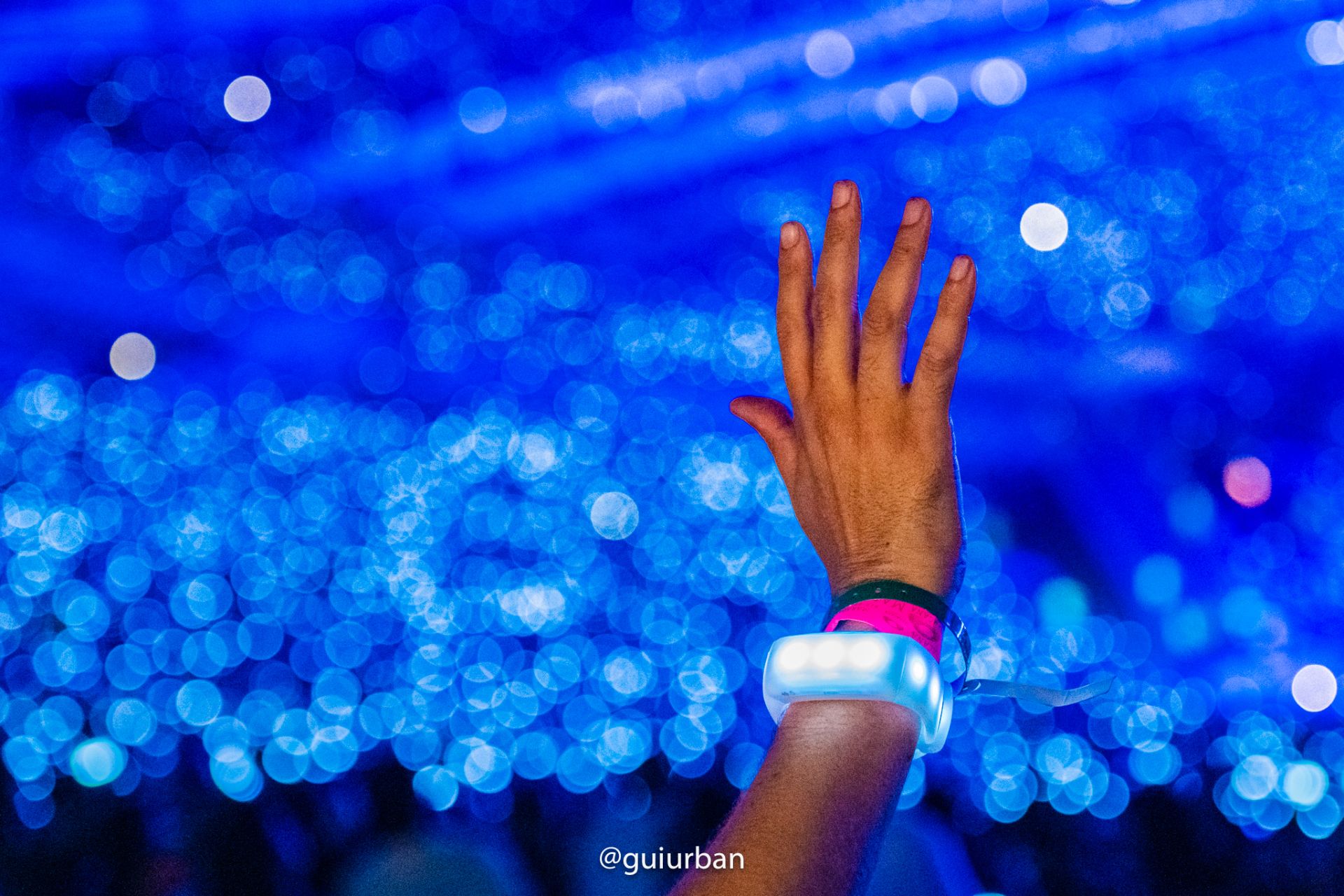
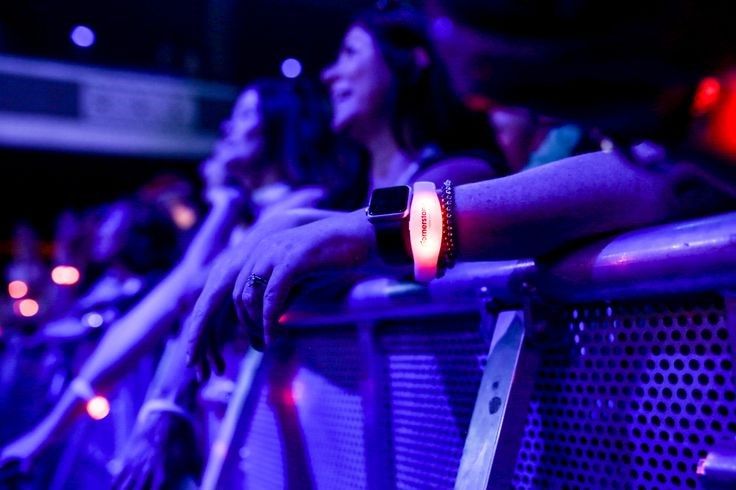
Imagine a music festival. For many, the quintessential experience is defined by the thunder of the bass and the roar of the crowd. But for an attendee who is deaf or hard of hearing, much of that primary experience is lost. Now, imagine that same festival where every audience member is wearing a Radio Controlled LED Wristband. During a bass drop, the wristbands don't just light up—they pulse with a powerful, haptic vibration. A soaring guitar solo is translated into a wave of brilliant color washing across the audience. The rhythm is no longer just heard; it’s felt and seen. Suddenly, the music becomes a physical, visual language, accessible in a new and profound way.
This isn’t a futuristic concept; it's the reality of today's LED Crowd Experiences. Technology like Xylobands allows us to translate auditory information into visual and kinesthetic cues, creating a more universally understood language of light and rhythm.
Light as a Language of Inclusion
The power of light in event design is its versatility. It can be a spotlight, a strobe, or a gentle wash of color. In the context of inclusive design, it can also be a powerful communication tool.
1. Visualizing Rhythm and Tempo:
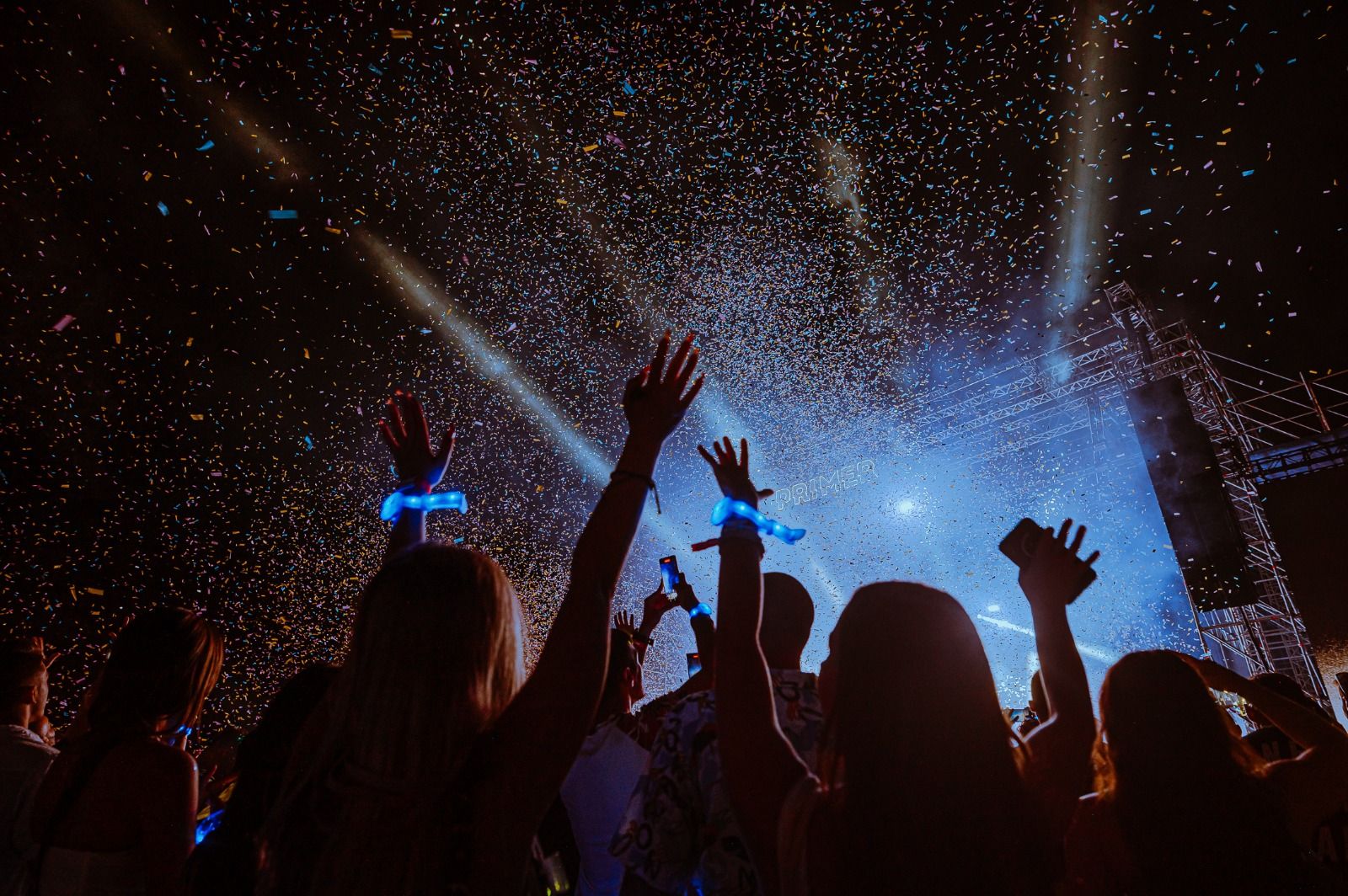
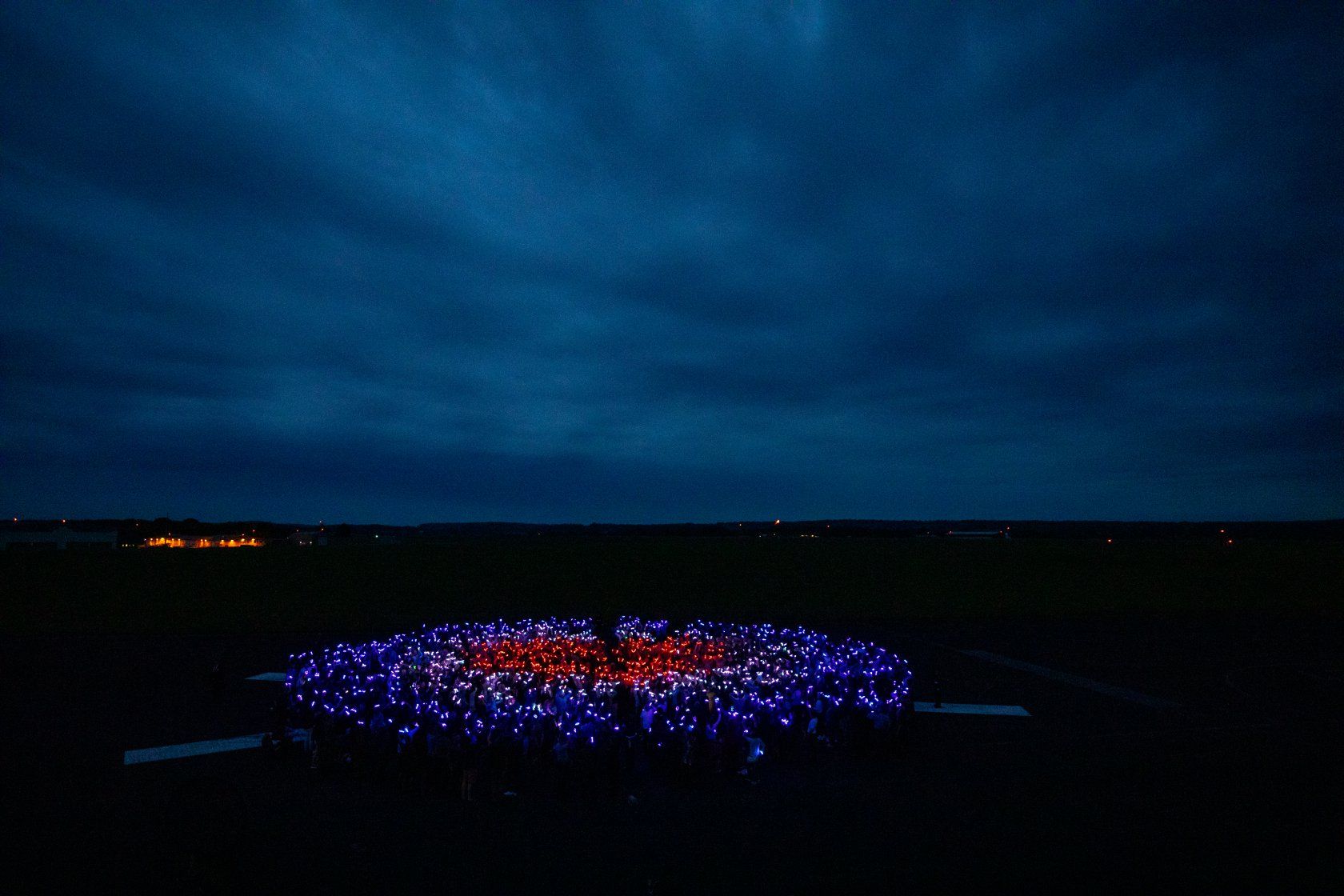
For music-driven events, from concerts to Festival Wristbands lighting up fields like at Greece's PRIMER Music Festival, synchronizing light to music is key. For a hearing-impaired individual, seeing the entire crowd illuminate in perfect time with the beat isn’t just a neat effect—it’s a way to participate in the collective rhythm of the show. It’s a visual representation of the shared energy that a hearing audience takes for granted. This synchronization, whether on Coldplay Xylobands during a world tour or at a high-energy corporate launch, transforms a passive audience into an active, unified canvas.
2. Enhancing Safety and Wayfinding:
Large-scale events can be disorienting, particularly for individuals with sensory processing disorders or anxiety. Abrupt, overwhelming stimuli can be a significant barrier to entry. Intelligent lighting systems can be used to create a more controlled and predictable environment. For instance, using color-coded light pathways on the floor or via LED Lanyards can guide attendees to different zones, restrooms, or quiet spaces without relying on traditional signage, which can be lost in a dense crowd. During an emergency, a venue-wide shift in the color of all Wearable LED Technology can provide an immediate, non-verbal cue to follow specific instructions, creating a calmer and more effective evacuation protocol.
3. Creating Sensory-Friendly "Zoning":
The concept of a "one-size-fits-all" experience is outdated. Inclusive design recognizes the need for variety. Not every moment of a three-hour concert or all-day festival needs to be at maximum intensity. LED Event Technology allows for nuanced control, enabling designers to create "zones" of sensory experience. A main stage might feature high-energy, pulsing light shows, while a designated "chill-out" zone could use slow, calming color fades and gentle ambient patterns on LED Orbs. This gives attendees the agency to self-regulate their sensory input, allowing them to engage with the event on their own terms without having to leave the venue entirely.
Case Study: The Broadcaster's Responsibility
This philosophy extends beyond live-only audiences. When an event is broadcast, as we’ve seen in our collaborations with ITV on shows like Beat The Chasers, the audience becomes twofold: the people in the room and the millions watching at home. Inclusive design must account for both. The lighting in the studio—often powered by hundreds of individual LED Bracelets on audience members—is designed not just for the live spectacle but for the camera. It must be vibrant without being jarring, clear without being overwhelming. It translates the energy of the live studio to the viewer at home, ensuring the excitement is communicated effectively across different mediums and to different audiences, regardless of how they are experiencing the event.
The Future is Intentional Design
Building more inclusive and accessible experiences is not an afterthought or a compliance checkbox; it is a core principle of good design. It forces us to be more creative, more intentional, and more empathetic in our work. It challenges us to think beyond the conventional and to leverage technology not just for spectacle, but for connection.
By embracing tools like Custom LED Wristbands and integrated lighting systems, we can begin to design not for a monolithic "average" attendee, but for a rich and diverse spectrum of human experience. We can build events where light doesn’t just illuminate a stage, but opens a door. The result is not only a more inclusive event, but a more powerful and memorable one for everyone. We create a space where the unspoken contract is fulfilled in its entirety—where every single person feels not only welcomed, but truly part of the show.