Signal in the Noise: Crowd Analytics and the Future of Event Safety
The Unseen Pulse of the Crowd
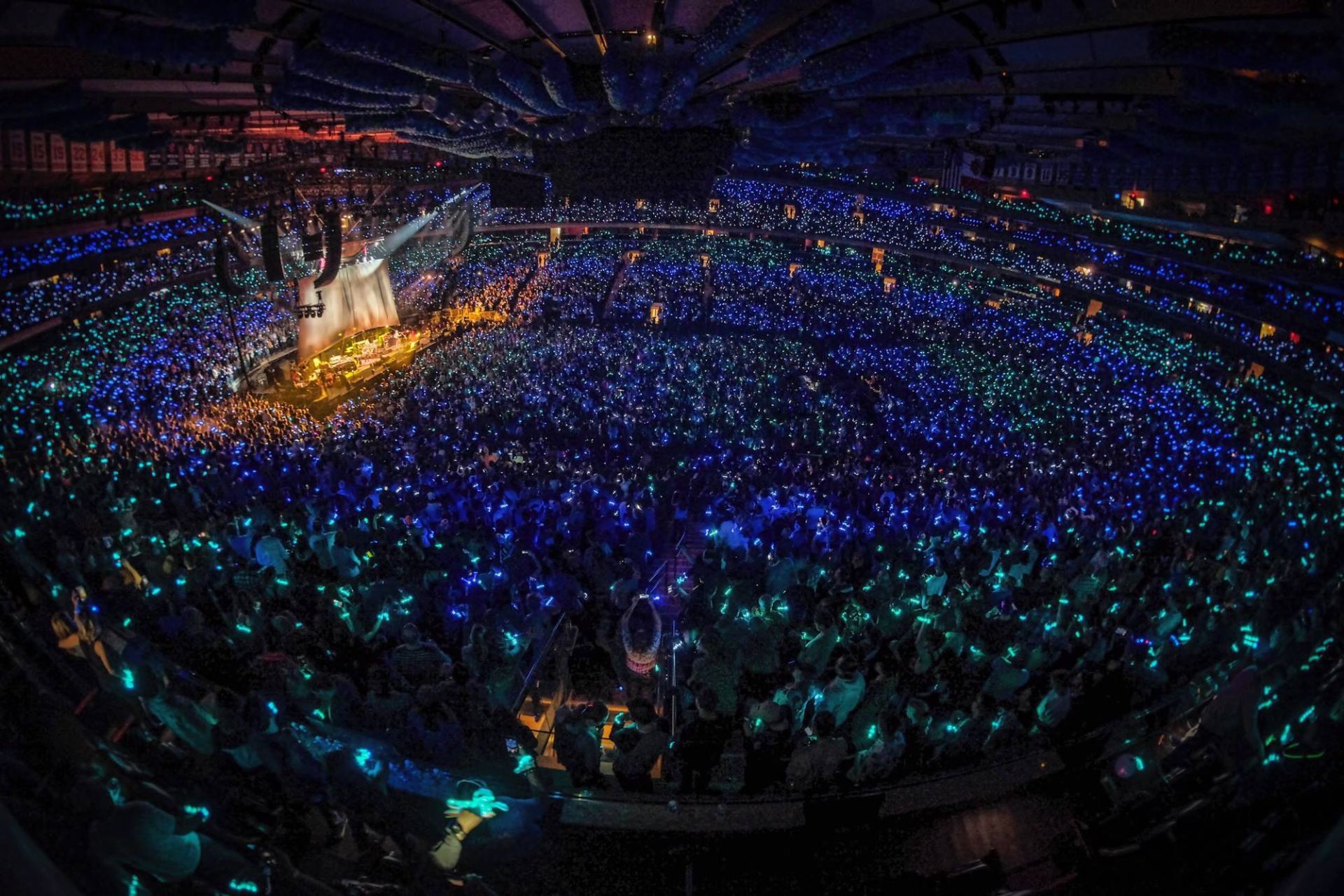
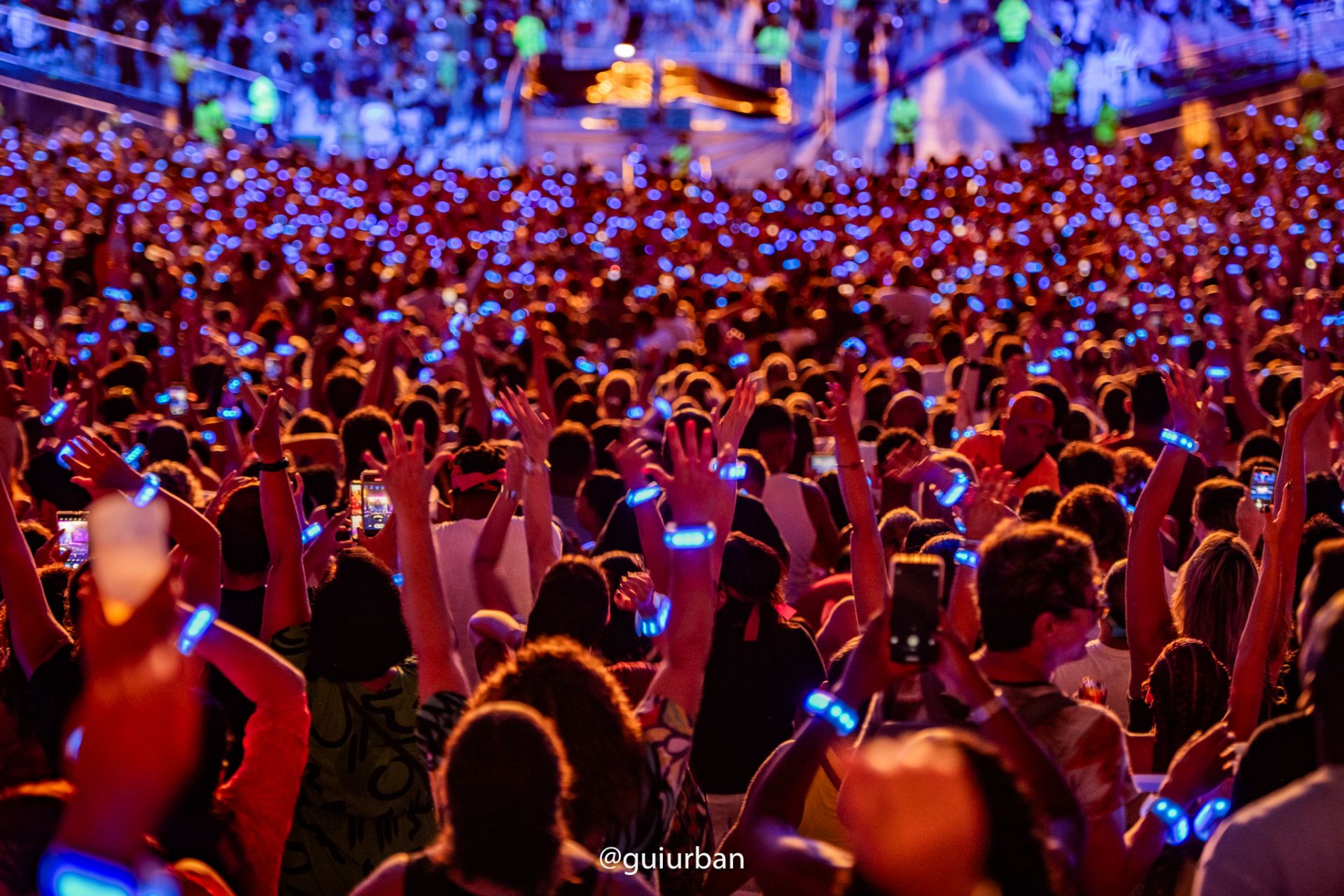
Picture 50,000 people in a stadium, their faces turned to the stage. As the first chord strikes, 50,000 points of light flash in perfect unison. For a moment, the crowd ceases to be a collection of individuals and becomes a single, living entity—a sentient sea of light and energy. This is the magic of modern Immersive Events, a spectacle powered by technology that unifies tens of thousands of strangers into one collective experience. But what if that same technology could do more? What if, hidden within that synchronized flash of light, there was a deeper signal? A signal that could tell us about the safety, behaviour, and engagement of the audience itself.
For decades, crowd management has relied on a combination of analog observation and static infrastructure. Security personnel, CCTV cameras, and physical barriers are the traditional tools of the trade. While essential, they provide an incomplete picture. They see the crowd from the outside in, reacting to incidents as they become visible. But in the dense, dynamic environment of a mass gathering, a problem can escalate from a minor pressure point to a serious safety risk in minutes. The challenge for event producers and safety officers has always been to see *into* the crowd—to understand its internal dynamics in real time.
From Spectacle to Sensor Network
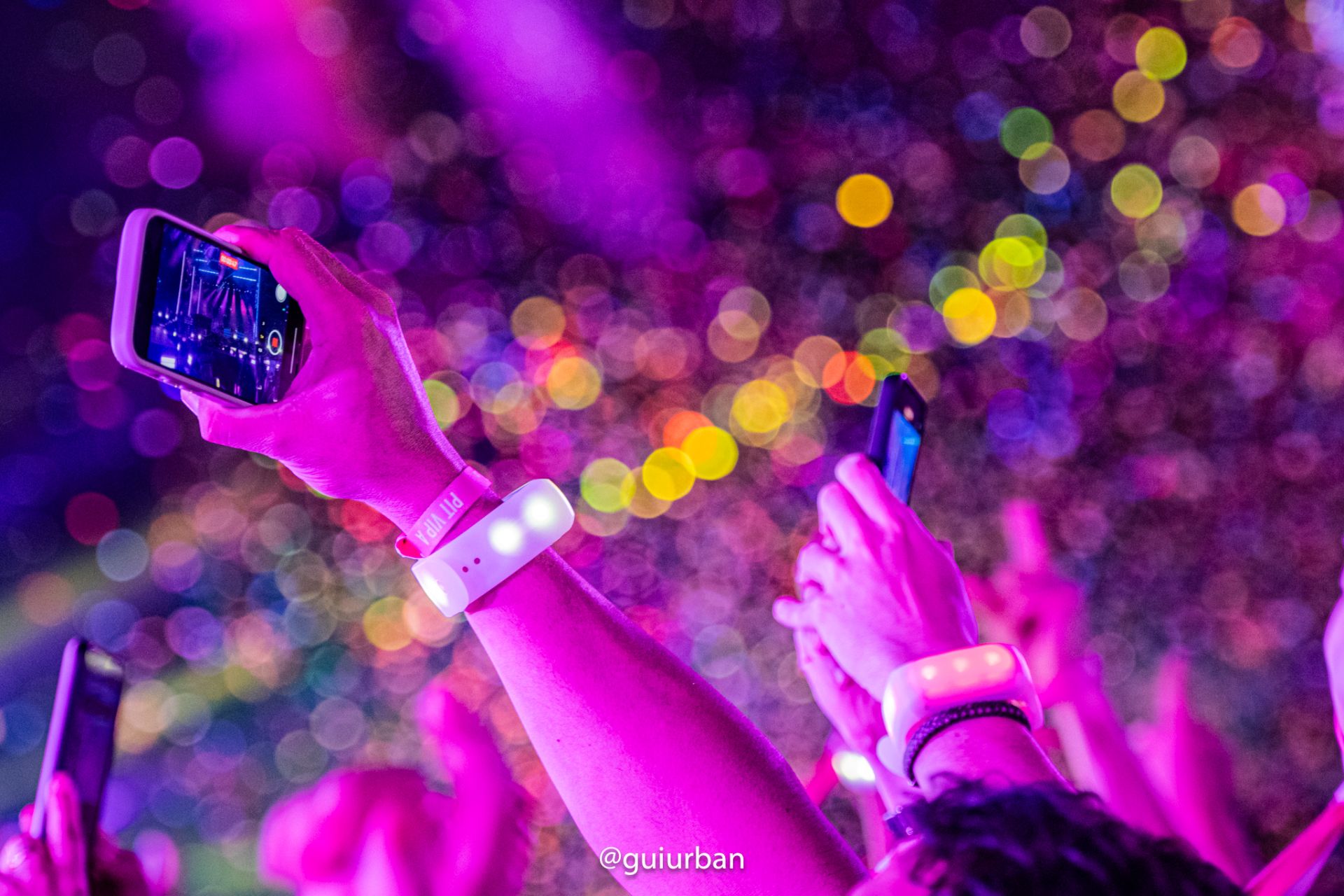
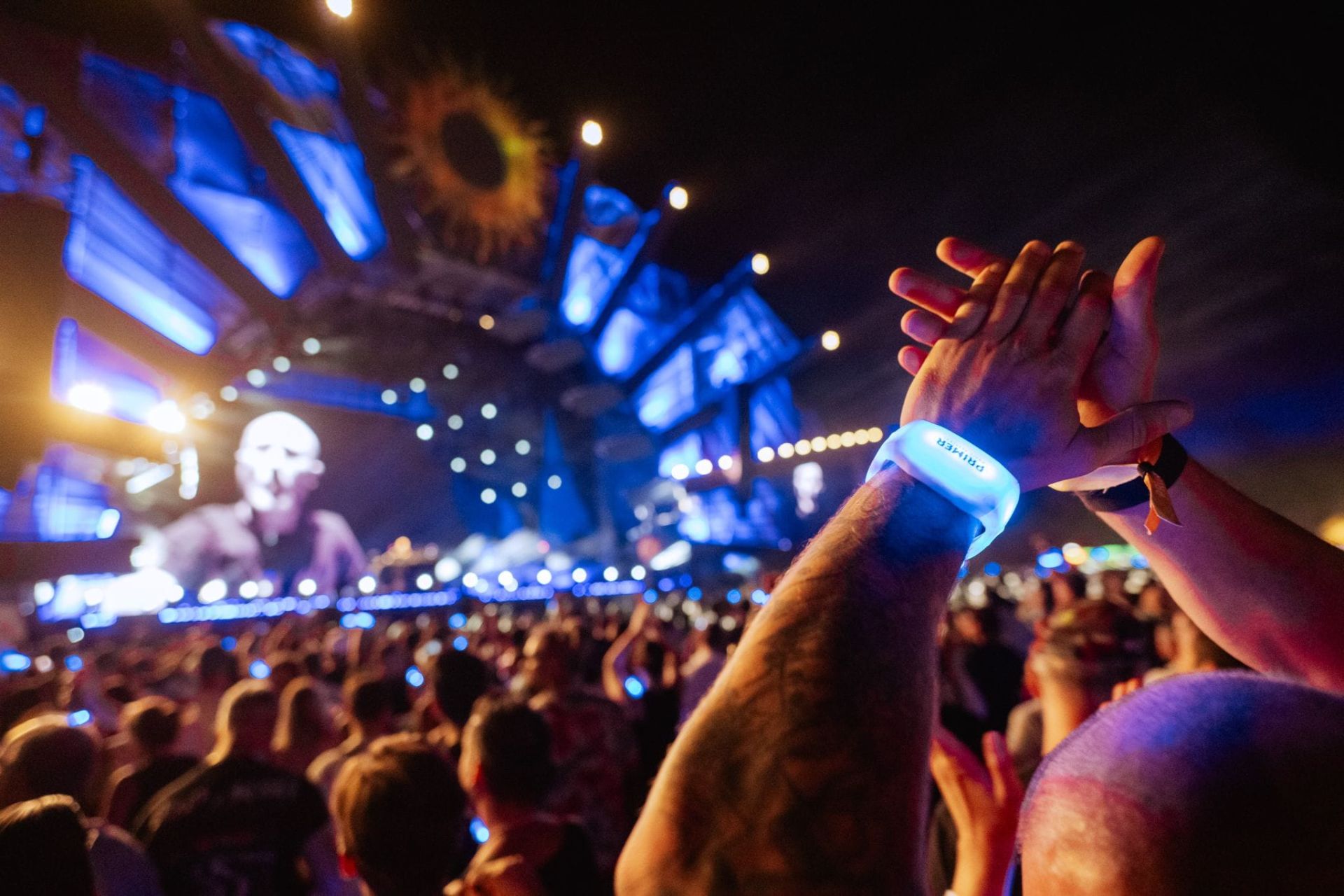
This is where Wearable LED Technology is poised to trigger a paradigm shift. The millions of LED Wristbands and LED Lanyards deployed at concerts, festivals, and sporting events around the world already form a vast, ad-hoc network. At Xylobands, we built this network to create stunning, synchronized light shows—painting on a canvas the size of a stadium, as seen at events for global artists like Maluma or at massive celebrations like Formula One's 75th anniversary. The robust RF (Radio Frequency) control systems that allow a single operator to command every device simultaneously are the invisible engine behind these LED Crowd Experiences.
The next evolution of this technology is to turn this one-way broadcast into a two-way conversation. By enabling the wristbands to send data back to a central hub, they transform from passive receivers of light into active nodes in a powerful sensory network.
Suddenly, every member of the audience becomes a data point. Not in an invasive, personal way, but as an anonymous contributor to a live, dynamic map of the entire event space. This isn’t about tracking individuals; it’s about understanding the collective pulse of the crowd. The implications for safety, security, and event design are profound.
Real-Time Safety and Crowd Intelligence
Density Mapping and Crush Prevention
One of the greatest risks at any mass gathering is uncontrolled crowd density. By analyzing the signal strength and relative proximity of thousands of Radio Controlled LED Wristbands, a system can generate a live heat map of the audience. Event staff in a central control room could see, in real time, where pressure points are forming. An area that glows from yellow to orange to red on a screen could signify a dangerous surge or crush long before it becomes a crisis visible to security on the ground. This allows for proactive intervention: opening new egress lanes, deploying stewards to guide flow, or using venue screens to request that people move to less congested areas.
Emergency Response and Egress
In a major emergency, clear and rapid communication is critical. Imagine being able to send targeted instructions directly to the audience via their wristbands. A command from the control desk could make all wristbands in a specific sector flash a designated color, with a corresponding message on venue screens: “Zone C, please use Exit 4.” In a smoke-filled or chaotic environment, a simple, intuitive light-based signal could be a literal lifesaver. Furthermore, a feature could be built in to allow an individual to signal for help, turning their wristband into a personal beacon that communicates their location to nearby staff for rapid assistance.
The Analytics of Atmosphere
Beyond the critical applications in safety, this data provides an unprecedented level of insight for event producers, artists, and brand sponsors. The same system that monitors for safety risks can also measure engagement.
Which song in a set generates the most physical energy from the audience? Do attendees at a music festival, like Greece’s Primer, engage more with the main stage or the experiential zones scattered around the site? For Corporate Event Activations, this is invaluable. A brand could measure, in aggregate, how many people visited their sponsored area, how long they stayed, and how their lighting and sound design influenced crowd flow and dwell time. This moves beyond counting turnstile clicks and provides qualitative data on the audience's actual experience.
This data-driven approach allows for empirical A/B testing of creative choices. A lighting designer could deploy two different visual effects in separate audience sections during a show and measure which one elicits a stronger reaction. The producer of a multi-day festival could analyze data from day one to make operational adjustments—rerouting foot traffic, repositioning vendors, or changing stage schedules—to improve the experience for day two.
The Ethical Framework for a Smarter Crowd
The prospect of a data-rich event environment naturally raises questions about privacy. It is crucial that these systems are built on a foundation of anonymity and trust. The value lies in the aggregated, anonymized data—the patterns and flows of the collective, not the movements of any single person. The goal is to make events safer, more immersive, and more responsive, not to create a surveillance state in a stadium. When handled ethically, this technology empowers the audience and the event producer alike, creating a partnership that enhances the experience for everyone.
The journey of Xylobands began with a simple idea inspired by a Coldplay concert: to make the audience part of the show. We turned the crowd into a canvas of light. Now, we stand on the cusp of the next great leap: listening to the canvas. By understanding the signal in the noise, we can build a future of live events that are not only more spectacular, but safer, smarter, and more deeply connected than ever before.