Solving the Two-Audience Problem: Engineering Light for the Studio and the Screen
The Unseen Duality of the Modern Broadcast
A television studio is a space of inherent duality. It is simultaneously an intimate live venue and a global broadcast stage; a closed set and a window to the world. For event producers and showrunners, this presents a unique and compelling challenge: how do you create an electric, palpable atmosphere for the few hundred people in the room, and ensure that same energy translates flawlessly through a camera lens to millions watching at home? This is the Two-Audience Problem.
It’s a challenge we at Xylobands have helped broadcasters like ITV, and producers of global spectacles like The Masked Singer and Beat The Chasers, solve for years. The solution lies not in compromise, but in a unified design philosophy powered by Immersive Event Technology. It requires engineering an experience that is equally breathtaking to the human eye and the camera sensor, transforming the live audience from passive spectators into a dynamic, living element of the show itself.
The Camera Sees a Different World
The first step in solving the Two-Audience Problem is acknowledging a fundamental technical truth: the broadcast camera does not see light the way our eyes do. The human cornea and retina are incredibly forgiving, adapting to shifts in brightness and color with seamless ease. A high-end digital camera sensor, by contrast, is a precise and demanding instrument.
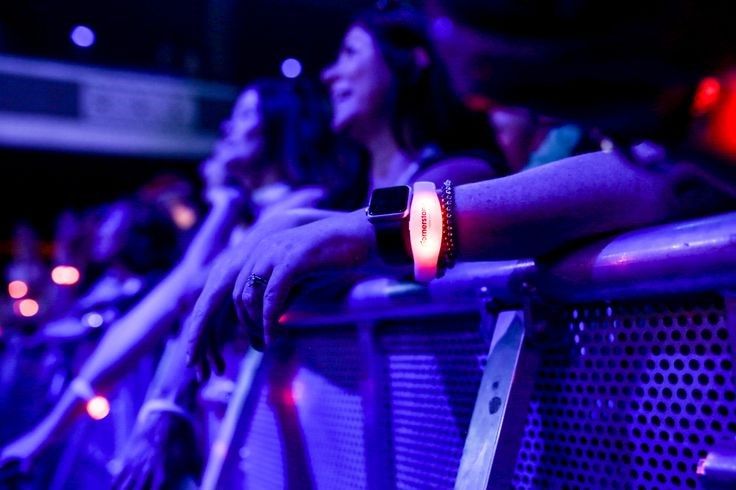
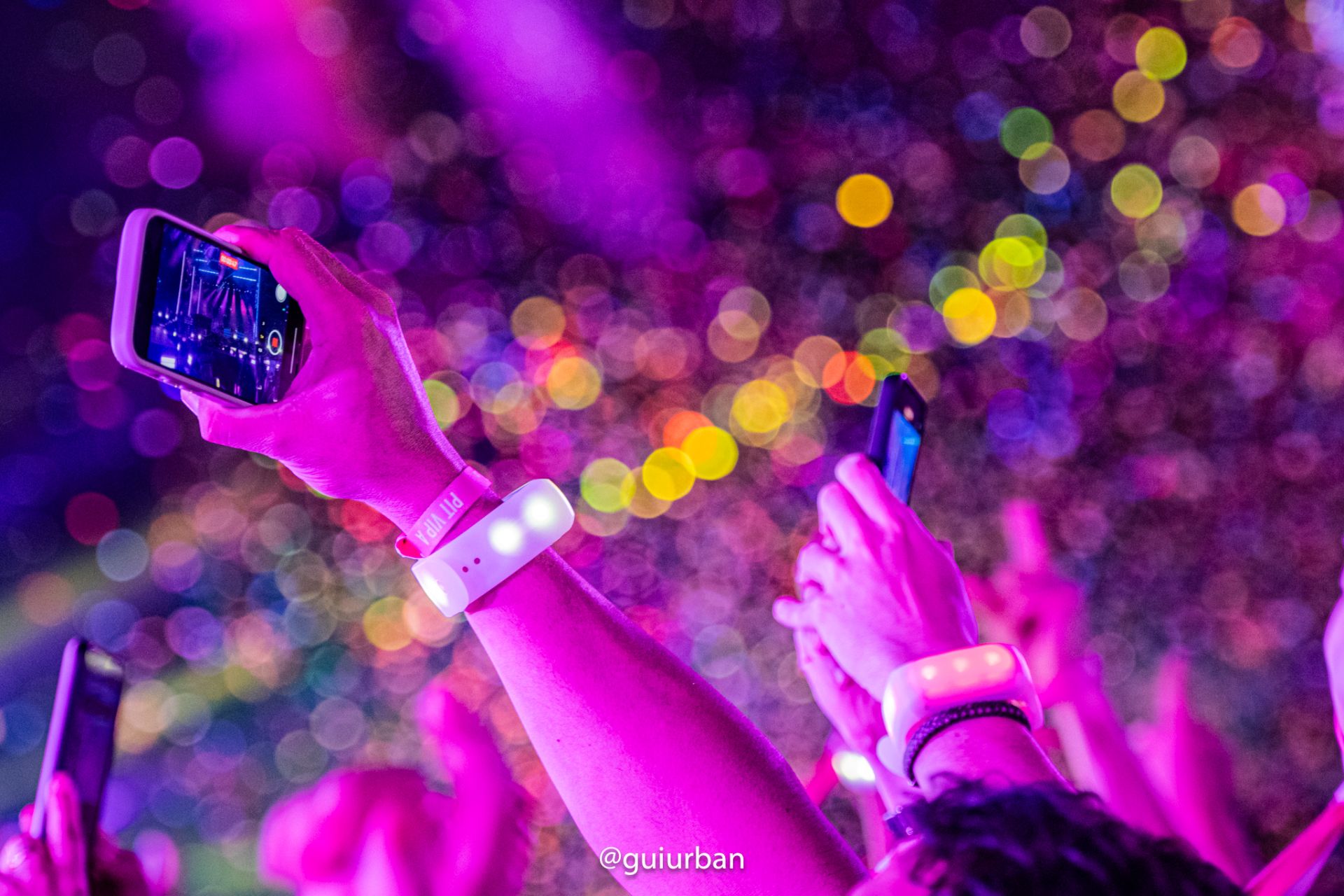
Issues that are imperceptible to a live viewer can ruin a shot for the broadcast director. Unmanaged flicker from inferior light sources, inconsistent color temperatures that make skin tones look unnatural, or brightness levels that blow out highlights can compromise the visual integrity of a multi-million-dollar production. This is why our LED Event Technology is engineered for the rigors of broadcast. Our Radio Controlled LED Wristbands and other wearables are designed to be flicker-free even under high-speed camera work, with calibrated phosphors that ensure true, consistent color reproduction—from the deepest reds to the most brilliant whites. The light must be perfect not just for the person wearing it, but for the millions watching them.
The Audience as an Extension of the Set
In a traditional studio taping, the audience is often a sea of dark, anonymous silhouettes. They react, they applaud, but visually, they are largely static. We see them not as a passive element, but as a vast, kinetic canvas waiting to be activated. By equipping every audience member with a synchronized LED device, we can turn those static silhouettes into a sentient, responsive backdrop—an extension of the lighting designer’s vision.
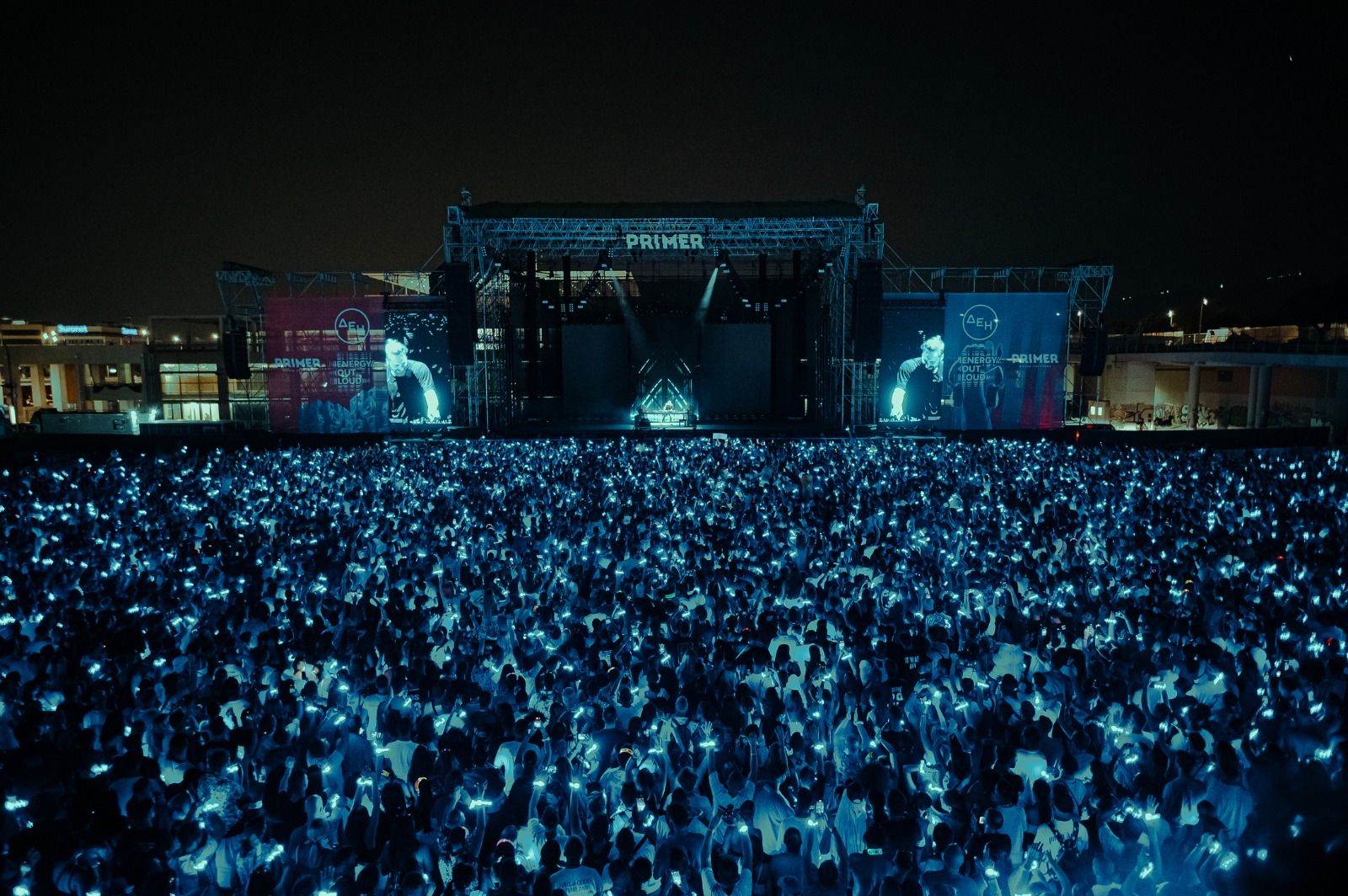
Suddenly, the crowd isn’t just watching the show; they are an integral part of its visual architecture. For a high-stakes quiz show, a wave of pulsing red light can sweep across the studio to signify time running out, creating a palpable tension that translates directly to the screen. On a celebrity talent show like The Masked Singer, a dramatic reveal can be punctuated by a unified blast of gold light, making the entire studio audience part of the climactic moment. This is the essence of creating powerful LED Crowd Experiences; it transforms hundreds of individuals into a single, emotional entity.
Synchronicity and Storytelling: From Tension to Triumph
The true power of this technology is unlocked through narrative choreography. Light is a storytelling tool. When precisely synchronized with the show’s script and key moments, it elevates the entire production. This is made possible through robust control systems—RF (Radio Frequency) and DMX—that integrate directly into a show’s production desk, allowing a lighting director to "play" the audience like an instrument.
Imagine the final moments of a championship match, like the Davis Cup. The tension is immense. The wristbands on every fan pulse with a slow, anxious heartbeat. The moment of victory hits, and the entire arena erupts in a flash of triumphant, strobing light in the winning team’s colors. That shared, visceral experience is felt by everyone in the stands, and it creates an explosive visual for the broadcast that underscores the emotional peak of the event.
This level of control turns Wearable LED Technology from a novelty into a sophisticated narrative device. The light tells the story, guiding the emotional arc of both the live and broadcast audience in perfect unison.
Beyond the Studio: Immersive Technology in Corporate Storytelling
The principles of the Two-Audience Problem extend far beyond television. High-stakes corporate events, from major product launches for brands like Samsung to global anniversary celebrations like Formula One’s 75th, are increasingly hybrid experiences. The goal is to create compelling Corporate Event Activations that resonate with in-person VIPs and a global online viewership.
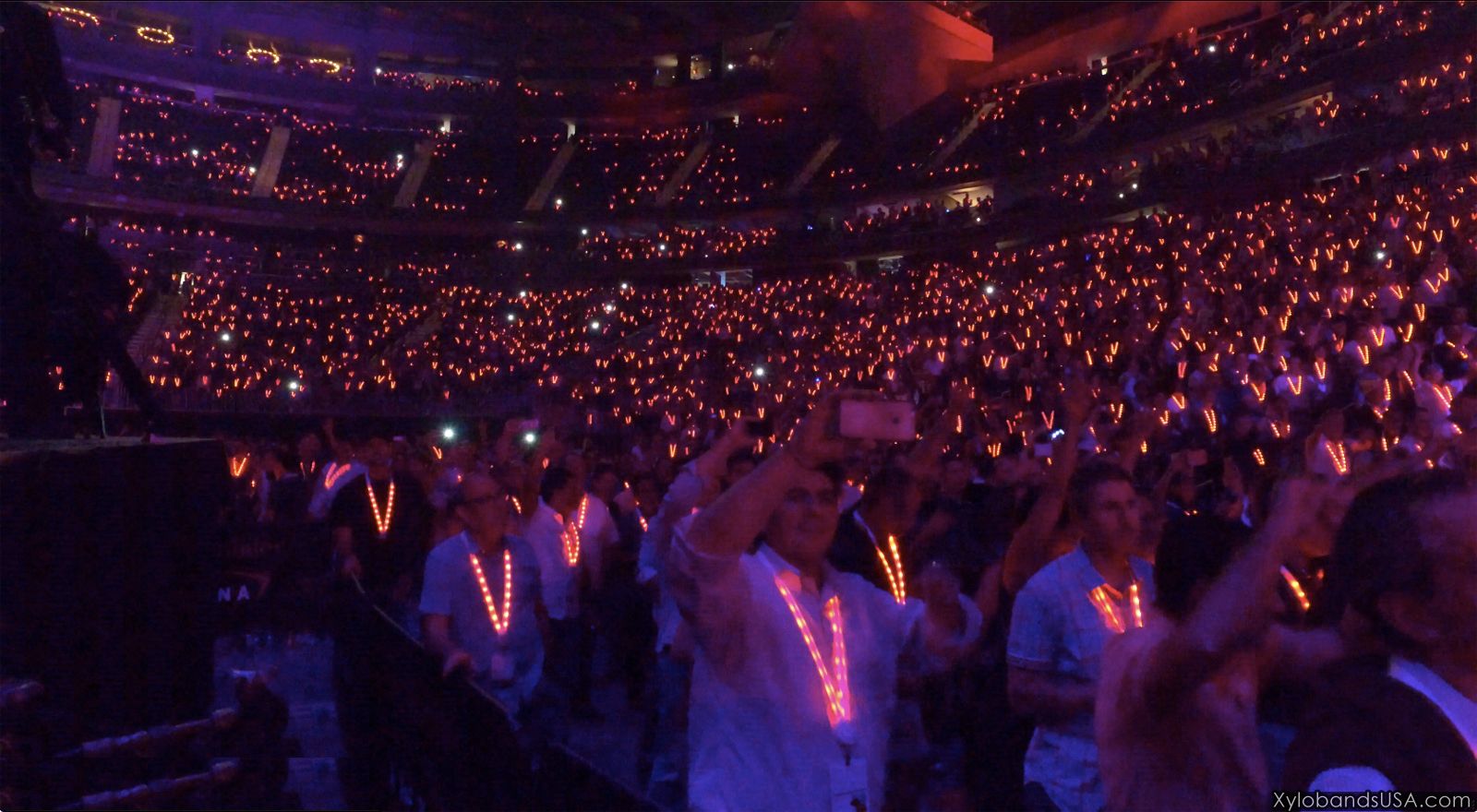
At the F1 75 celebration, for instance, we deployed custom LED Lanyards—The Xylo Pendant—that were branded for each Formula One team and hospitality tier. This not only created a sense of identity for the live attendees but allowed the creative team to design lighting effects that visually segmented the crowd, creating stunning, brand-aligned mosaics of light for the broadcast. It’s a strategy that turns every attendee into a brand advocate and a pixel in a larger masterpiece.
A Unified Field of Experience
The challenge of designing for two distinct audiences—one in the room, one on the screen—is ultimately solved by refusing to prioritize one over the other. By deploying technology that serves both the physiological needs of the human eye and the technical demands of the camera, a singular, unified experience can be achieved.
When the audience becomes the set, and light becomes the storyteller, the division between the live event and the broadcast disappears. You are left with one story, one canvas, and one unforgettable moment shared by everyone, everywhere. The future of Immersive Events isn’t just about making things brighter; it’s about creating a deeper, more meaningful connection between the moment and the masses.