The Spectacle of Sport: Choreographing the Modern Half-Time Show
The Evolution of the Half-Time Show
The roar of the crowd, the athleticism on the field, the drama of the last second—these are the elements of great sport. But in the modern era, the spectacle extends far beyond the game itself. It’s in the opening ceremonies, the victory parades, and most notably, the half-time show. Once a simple intermission, it has transformed into a high-stakes, broadcast-centric performance demanding the same level of precision and impact as the main event.
For event producers and choreographers, the challenge is immense. How do you captivate a stadium of tens of thousands while also delivering a compelling experience for the millions watching at home? The answer lies in a new kind of choreography—one that treats the entire arena, including the audience, as a single, dynamic canvas.
Beyond the Stage: Lighting the Crowd
Traditional stage lighting is fundamental, but its reach is limited. It illuminates the performers, but often leaves the audience in shadow. This creates a passive viewing experience, a clear division between the show and the spectators. To create truly immersive events, we must bridge this gap. This is where wearable LED technology comes into play.
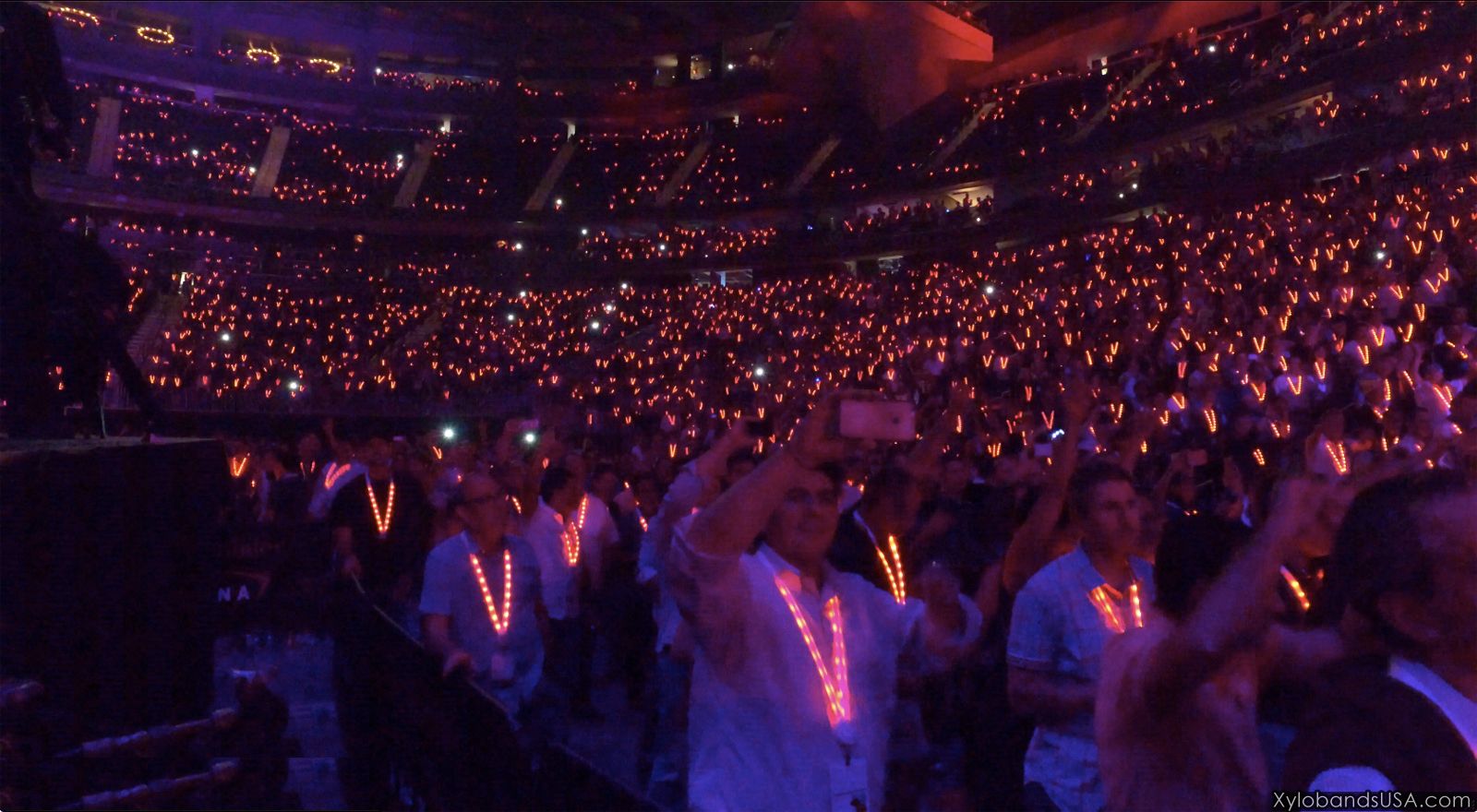
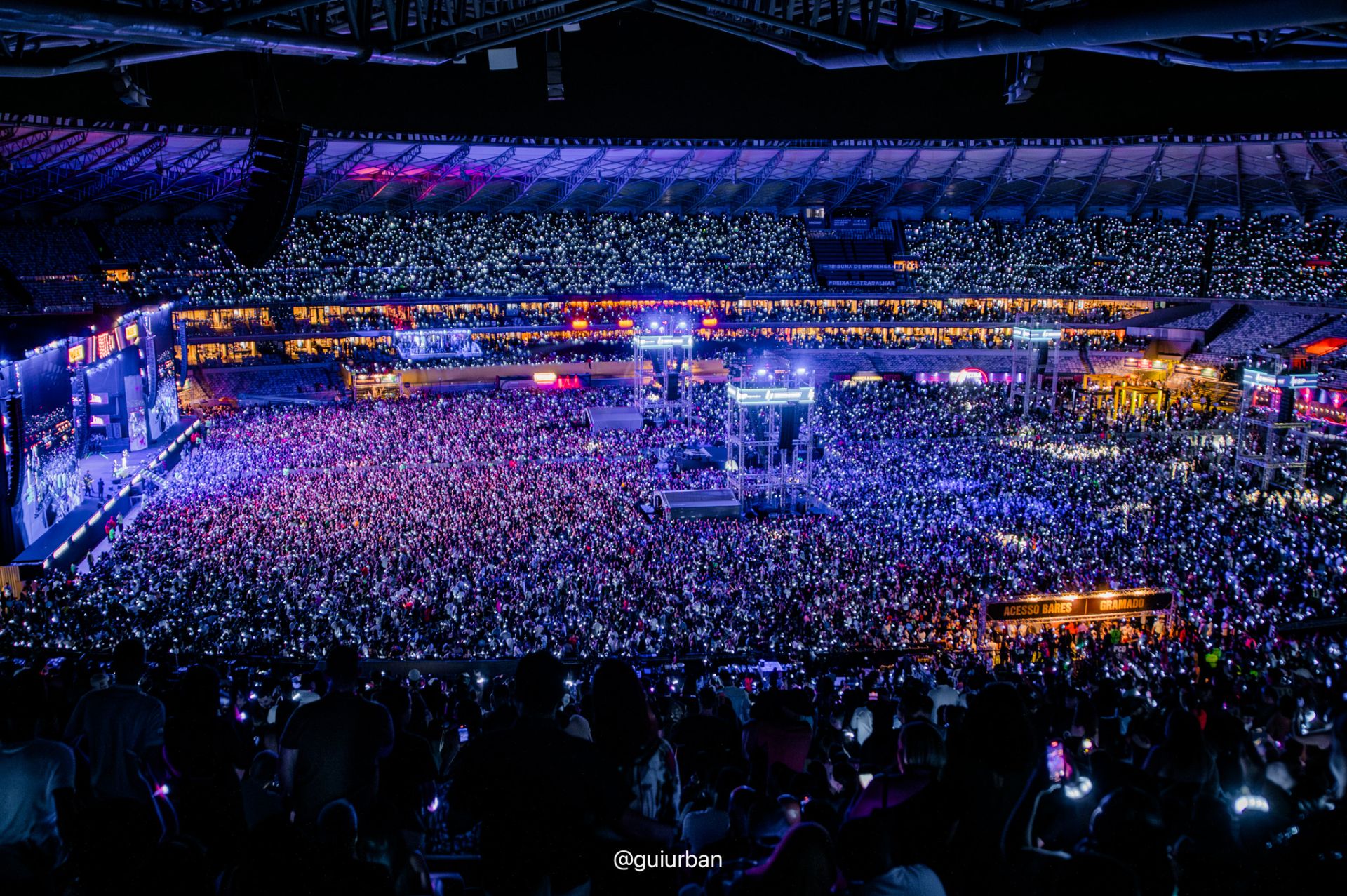
Imagine a stadium plunged into darkness. A solo artist begins to sing, and as the first chorus hits, 50,000 wrists light up in perfect sync, pulsing with the beat. Suddenly, the crowd is no longer just watching the show; they *are* the show. This is the power of turning spectators into a living, breathing light installation.
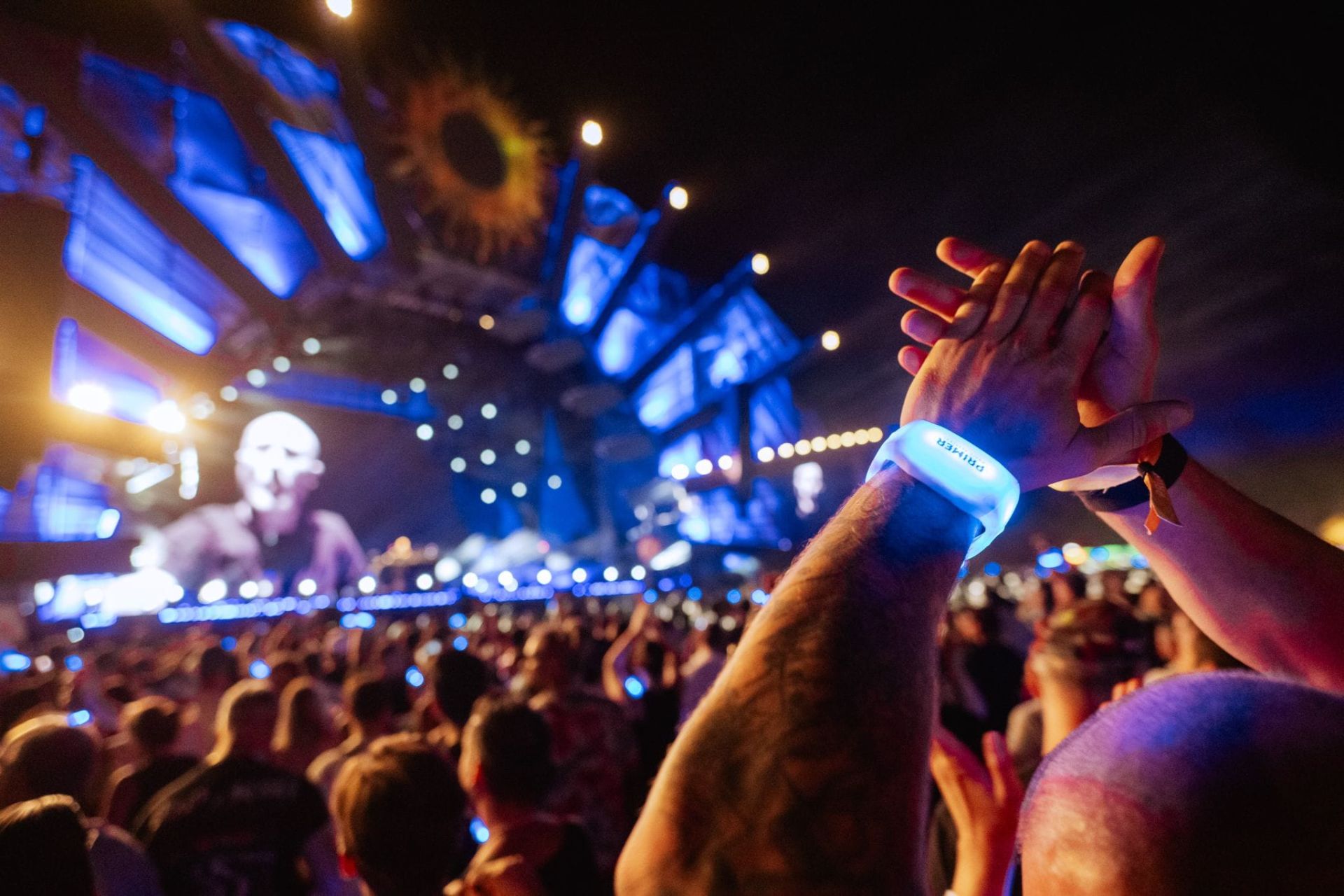
This technology, which we pioneered with Coldplay on their Mylo Xyloto tour, has fundamentally changed the toolkit for live production. Our radio controlled LED wristbands allow for complex, real-time control over the entire audience, enabling designers to paint with light on a grand scale. We’ve seen this applied with incredible impact at global sporting events like the Davis Cup, Formula One, and the FIFA World Cup, where the audience becomes an integral part of the televised spectacle.
Choreography on a Grand Scale
When the audience becomes part of the lighting design, the possibilities for choreography expand exponentially. It’s no longer just about the movement of dancers on a stage; it’s about the movement of light across an entire stadium.
Key Choreographic Techniques:
- Synchronised Pulses: The entire crowd illuminates in unison, creating a powerful moment of unity that accentuates a key musical hit or dramatic pause.
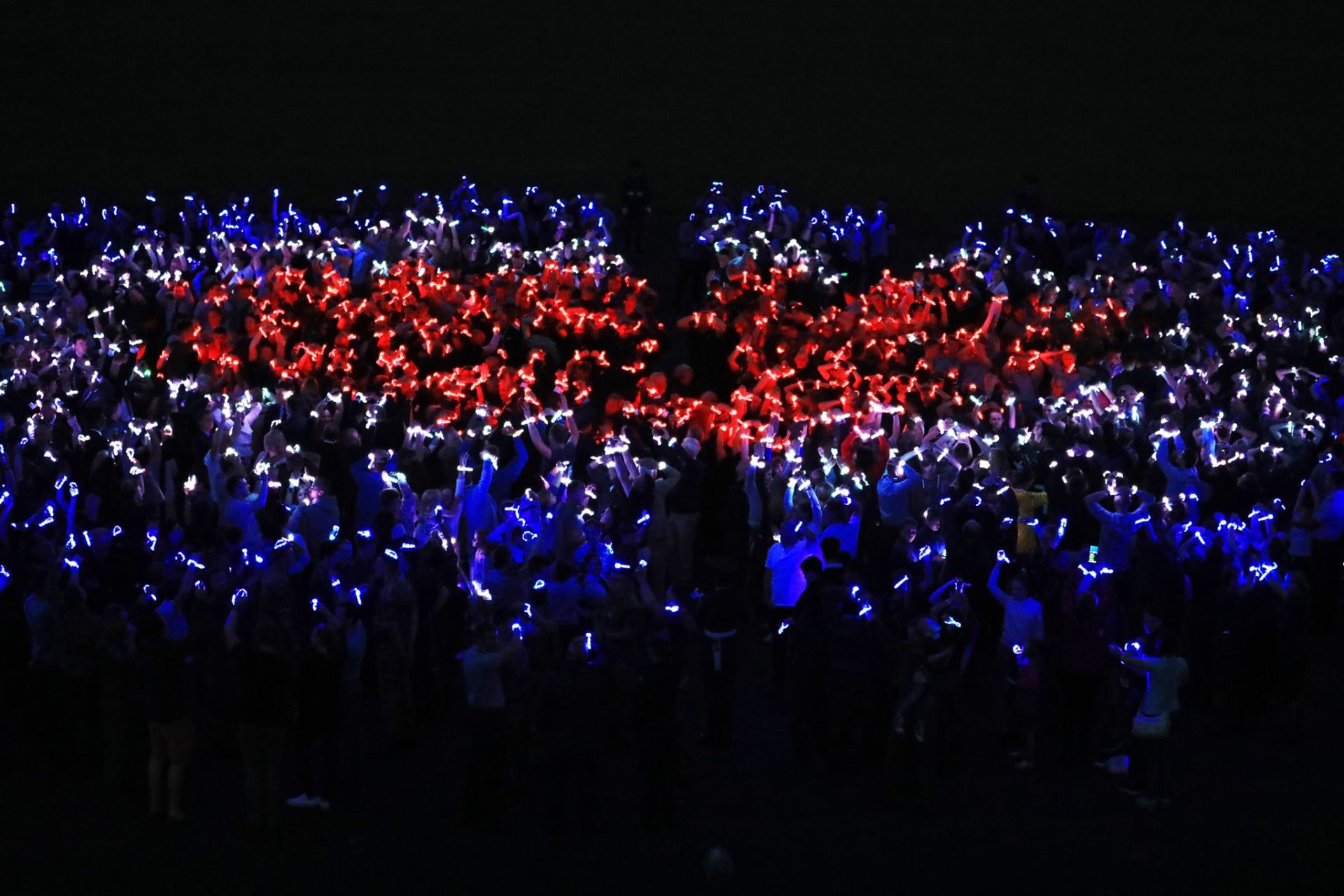
- Zoned Effects: By dividing the stadium into zones, designers can create waves of light, alternating colours for competing teams, or spelling out words and logos across the stands. This was used to great effect at a Formula One event, where custom LED Lanyards helped differentiate teams and create dynamic, brand-specific effects.
- Organic Patterns: A slow fade or a gentle sparkle effect can transform the atmosphere from high-energy excitement to a moment of quiet reflection, guiding the emotional arc of the performance.
- Audience Interaction: At events like ITV’s ‘Beat The Chasers’, specific sections of the audience can be lit to indicate answers or build tension, making the crowd an active participant in the broadcast.
These are not pre-programmed sequences running on a loop. They are dynamic, responsive elements controlled live by a technician, just like any other lighting instrument. This allows for improvisation and perfect synchronisation with the live performance, ensuring the LED crowd experiences feel authentic and electric.
The Broadcast Imperative: Designing for Two Audiences
A modern half-time show has two audiences: the people in the seats and the millions watching on screens around the world. A successful production must cater to both. While the energy of the live crowd is paramount, the visual narrative captured by the camera is what defines the event for the global audience.
Integrating the crowd into the lighting design provides broadcast directors with breathtaking wide-angle shots that are impossible to achieve otherwise. Aerial cameras can capture the full scale of the spectacle, showing intricate patterns of light washing over tens of thousands of people. These images are not just visually stunning; they communicate a sense of scale and shared experience that resonates deeply with viewers at home. It turns a great performance into a landmark cultural moment, as seen in global broadcasts for artists like Maluma and Wizkid, where the illuminated crowd became a defining image of the show.
The Future of Sports Spectacle
As technology continues to evolve, so will the art of the half-time show. The focus will increasingly be on creating cohesive, 360-degree environments where the lines between performer, audience, and venue are blurred. From custom LED wristbands that carry sponsor branding to LED orbs that can be deployed across the field, the tools for creating immersive event technology are becoming more sophisticated and accessible.
The goal is no longer just to entertain the crowd during a break in play. The goal is to create a standalone spectacle that enhances the brand of the league, captivates a global broadcast audience, and leaves every single person—in the stadium or on their sofa—feeling like they were part of something unforgettable. In the modern sports arena, the game is only half the story.