Beyond the Proscenium: Modern Principles of Stadium and Arena Lighting Design
The Architecture of Atmosphere
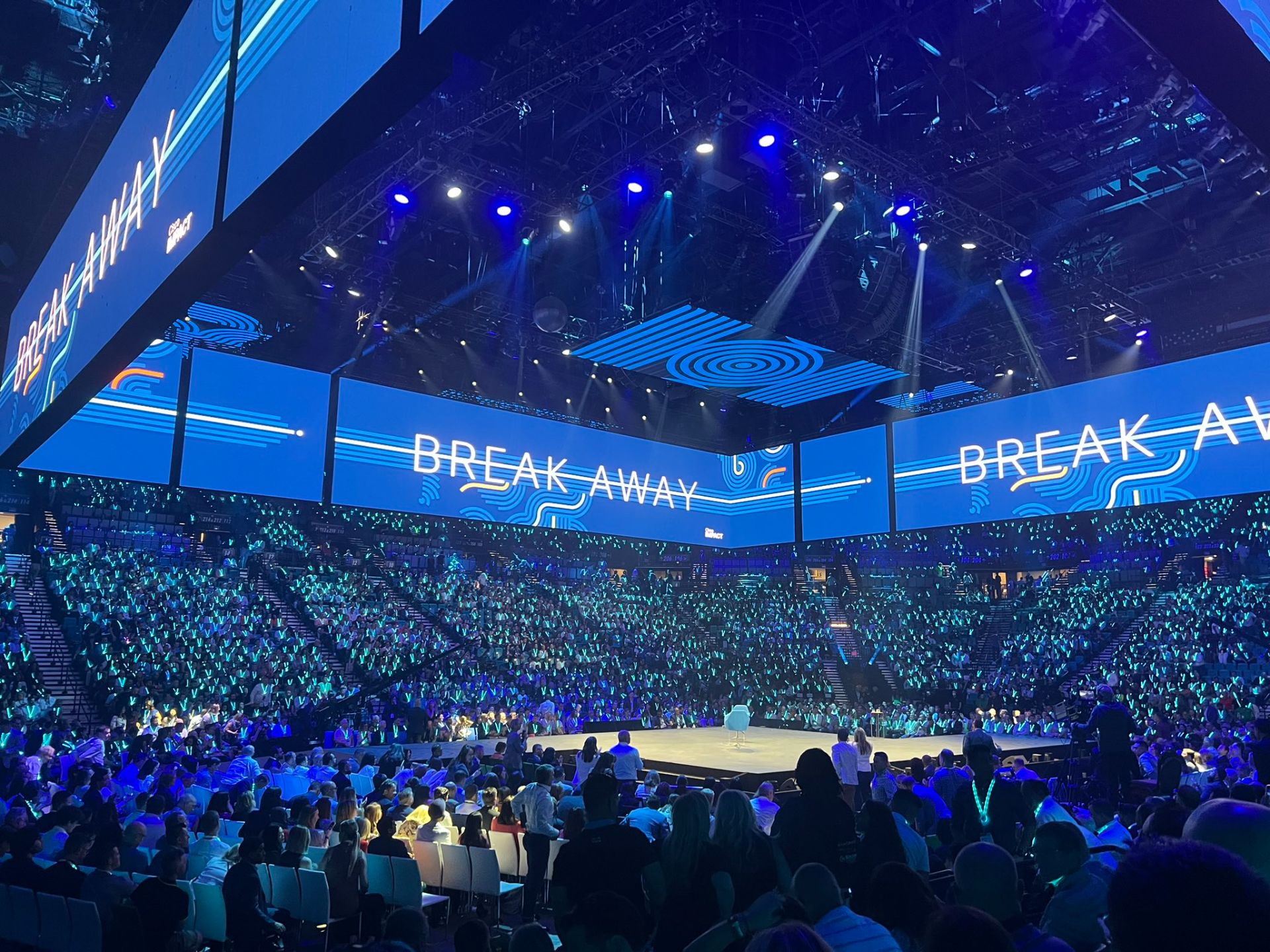
The first challenge in lighting a stadium or an arena is its sheer scale. Unlike a theatre, where the proscenium arch frames the action, an arena is a vast, open volume of space. A lighting designer’s initial task is not merely to illuminate the performers, but to sculpt the void itself. This is an architectural undertaking, where light is the raw material used to build—and rebuild—the environment from moment to moment.
In this context, light has three masters: the stage, the audience, and the air in between. Beams of light become kinetic sculptures, carving through the haze and defining the verticality of the space. The truss and rigging design isn’t just a support structure; it’s the skeleton of a temporary cathedral of light. The design must account for extreme viewing angles, from the front row to the highest seats at the back, ensuring every single attendee has a visually compelling experience. This "in-the-round" reality of modern touring means the show can no longer be a one-sided conversation; it must be a 360-degree spectacle.
Extending the Stage: The Audience as Canvas
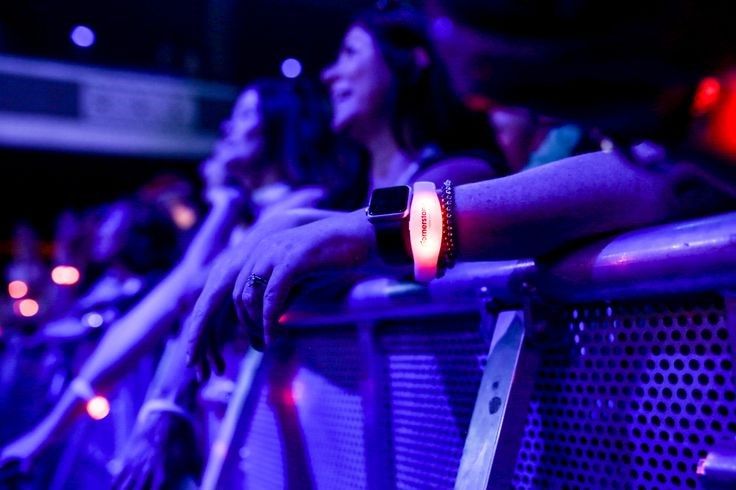
Perhaps the most significant shift in modern tour lighting is the redefinition of the audience’s role. For decades, the crowd was a passive observer shrouded in darkness. Today, they are the set. This is the principle that drove the invention of Xylobands, an idea born from a desire to unite the artist and audience into a single entity during a Coldplay performance.
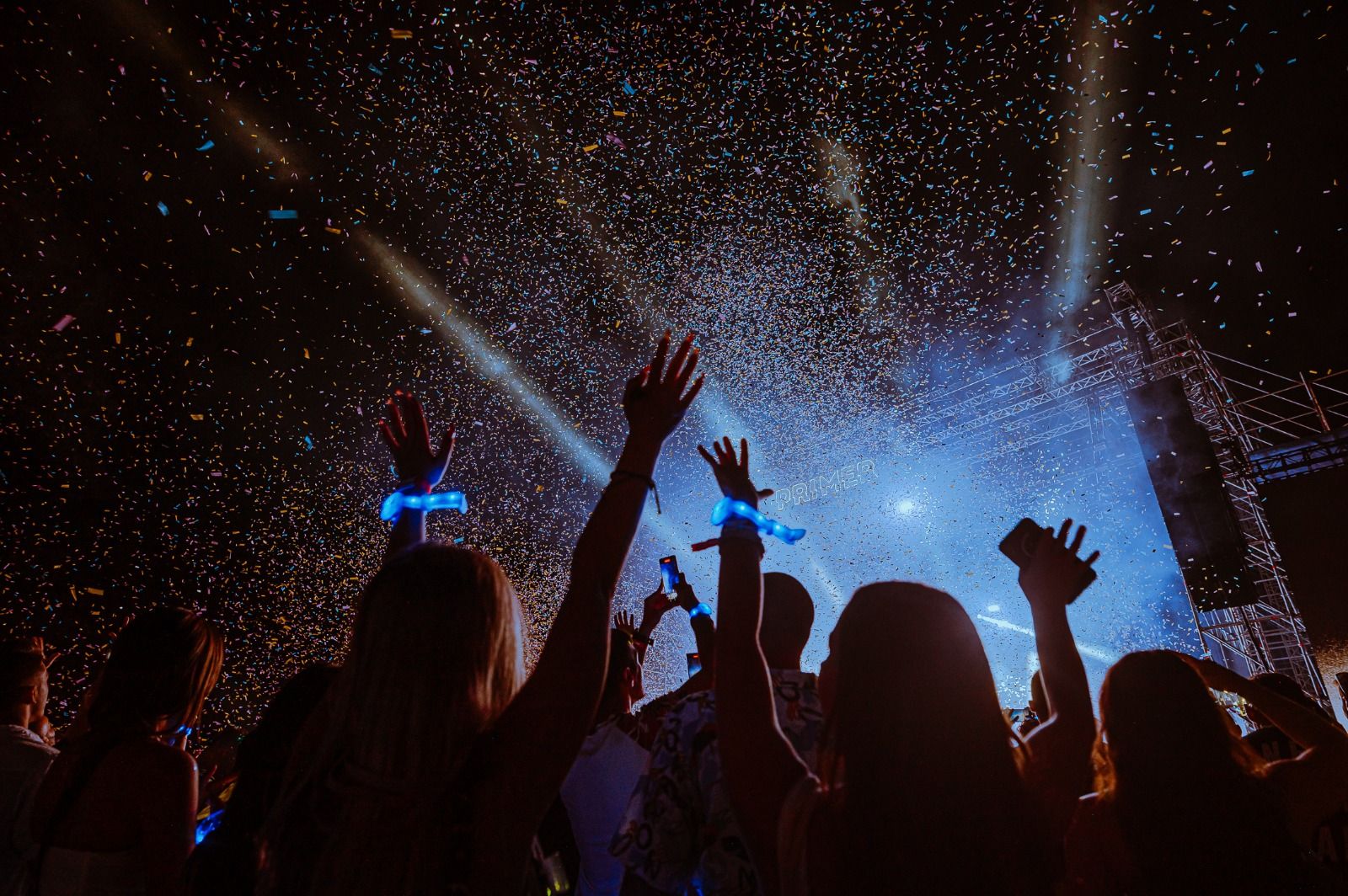
By transforming every audience member into a pixel, Wearable LED Technology shatters the boundary between the stage and the seats. The show is no longer something you just watch; it’s something you are a part of. This fundamental change is powered by Radio Controlled LED Wristbands, which allow a designer to paint with light across the entire stadium bowl. Suddenly, a chorus can sweep across 50,000 people in a wave of synchronized color. A beat drop can trigger a strobing pulse that emanates from the crowd itself, reflecting the collective energy back at the stage.
These are not random flashes of light; they are meticulously choreographed LED Crowd Experiences. As seen on colossal tours like those for Maluma or Diljit Dosanjh, this technology allows designers to create moments of profound unity. The vastness of the arena, once a challenge, becomes the greatest asset—a living, breathing canvas for Immersive Events.
Choreographing the Signal: The Art of Control
With tens of thousands of individual light sources in play, control is paramount. The magic lies in the perfect synchronization that makes it all appear as a single, cohesive gesture. This is the domain of sophisticated control systems that integrate the stage lighting, video content, and the audience’s LED Bands into one seamless ecosystem.
A lighting director at this scale is less like a technician and more like a conductor, commanding an orchestra of light. Using powerful RF (Radio Frequency) or DMX-based systems, they can cue vast, complex sequences with the press of a button. They can segment the audience into geometric shapes, create swirling patterns that flow from the stage to the back row, or instantly plunge the entire stadium into a single, unified color. This ability to create macro-level visual statements, while retaining granular control, is at the heart of modern LED Event Technology. It’s a delicate dance between powerful hardware and the creative vision needed to wield it.
Designing for the Lens and the Last Row
In the age of live-streaming and social media, a stadium tour has two audiences: the people in the room and the millions watching at home. A successful lighting design must serve both. A blast of light that feels epic in person might look like a blown-out, overexposed mess on camera. Conversely, a subtle effect that reads beautifully on a 4K screen might be completely lost in the upper decks of an arena.
Designing for the broadcast is now a core principle. This involves careful consideration of color temperatures, brightness levels, and how different effects translate through a lens. This is where audience lighting proves invaluable. Far from being a distraction, a lit audience provides a dynamic, compelling background that gives a sense of scale and energy to the broadcast. Instead of a black void behind the artist, cameras capture a living sea of light and color, adding immense production value.
During a recent broadcasted event for Formula One’s 75th anniversary, custom LED Lanyards were used to segment the crowd and create targeted effects, demonstrating how this technology can transform a live show into a global spectacle, purpose-built for the camera’s eye.
Ultimately, lighting a modern stadium tour is an act of unification. It’s about using technology to create intimacy on a massive scale, turning a cavernous space into a shared emotional experience. It requires an architectural eye, a storyteller’s heart, and a deep understanding of the technologies that make it possible to connect every person in the room. By embracing the audience as part of the canvas, today’s most innovative designers are not just lighting a show; they are illuminating the human connection at its heart.