The Unseen Ballet: Mastering the Global Logistics of Immersive Event Technology
The Moment of Ignition
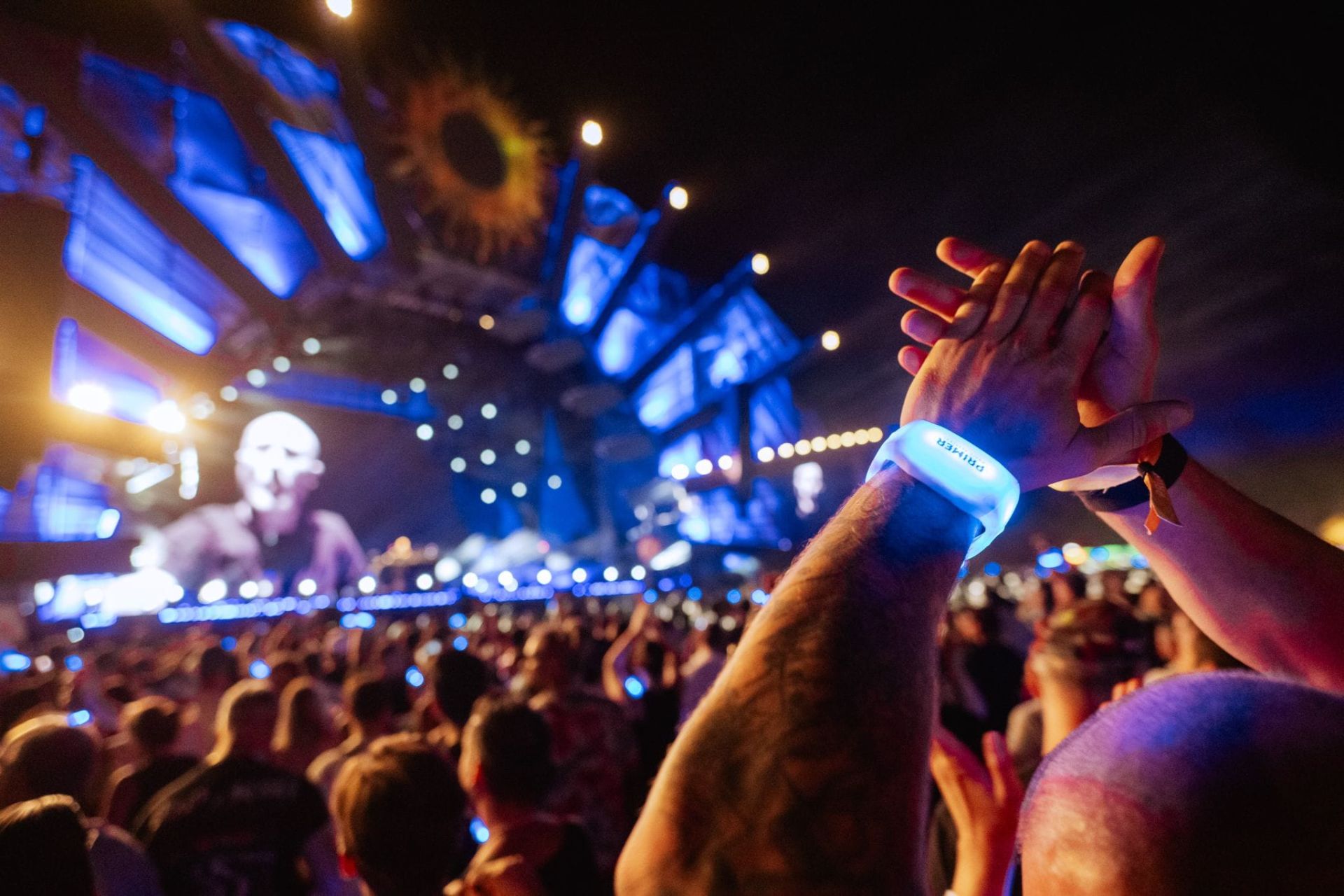
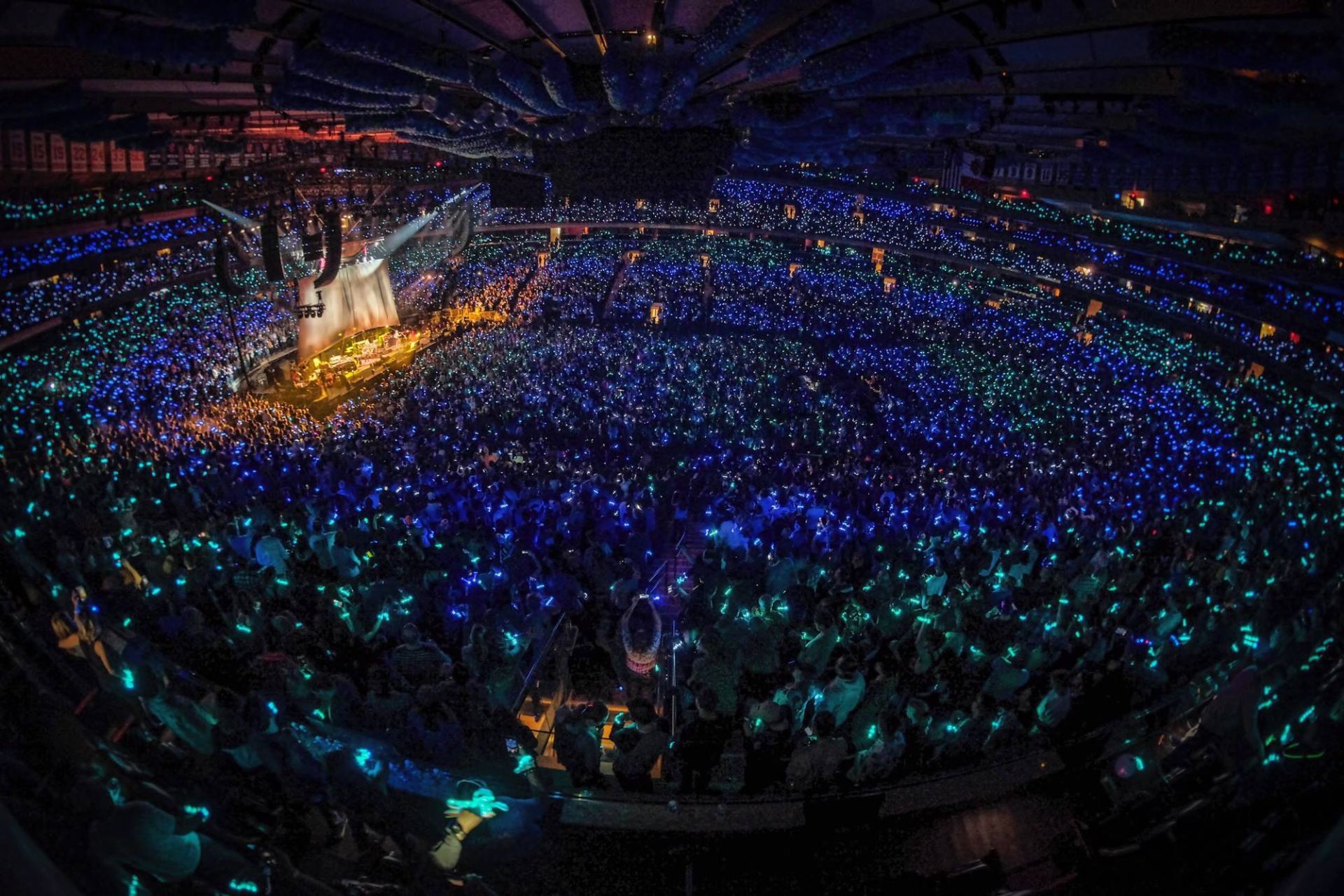
The house lights fall. A wave of anticipation, a collective intake of breath, sweeps across 50,000 people. Then, in a single, synchronized heartbeat, the stadium ignites. Not just with stage lights, but with a galaxy of colours radiating from the wrists of every fan. It’s a moment of pure magic, a seamless fusion of artist, audience, and atmosphere. This is the art of the immersive spectacle.
But this moment, so effortless in its execution, is the final flourish of a far more complex performance: a silent, global ballet of logistics, engineering, and relentless planning. For every two-hour show, there are thousands of hours of unseen work, much of it dedicated to the monumental task of moving highly sophisticated technology across international borders. Before the first note is played, a global operation has already succeeded. This is the world of high-stakes event logistics, where the show begins long before the doors open.
The Global Stage and the Tyranny of Distance
A modern arena tour or major one-off event is a travelling city. The sheer tonnage of steel, cabling, and sensitive electronics is staggering. When you add Immersive Event Technology like Xylobands to the manifest, the complexity multiplies. We’re not just shipping inert stage decking; we’re transporting tens of thousands of pieces of sophisticated, radio-controlled hardware. Each of our LED Bands is a device that must arrive on time, in perfect condition, and ready to perform flawlessly.
Consider the geography. One month, the team might be navigating a multi-night arena run in London for an artist like Wizkid; the next, they’re preparing for a landmark stadium show with Maluma in Medellín, Colombia, or a high-profile brand activation for Formula One. Each location presents a unique set of logistical challenges. Time zones, freight capacity, and local infrastructure are just the opening chords of a complex symphony. The success of these LED Crowd Experiences hinges not on creative brilliance alone, but on a deep, almost obsessive mastery of the physical world and its constraints.
The Carnet is King: A Passport for Your Tech
For the uninitiated, international customs can be a show-stopping bottleneck. You can’t simply box up 30,000 Custom LED Wristbands and send them across the ocean. The key to navigating this labyrinth is the ATA Carnet. In essence, it’s a passport for goods, a document that allows for the temporary importation of equipment without incurring duties or taxes. It’s a critical tool of the trade, but it’s not a magic wand.
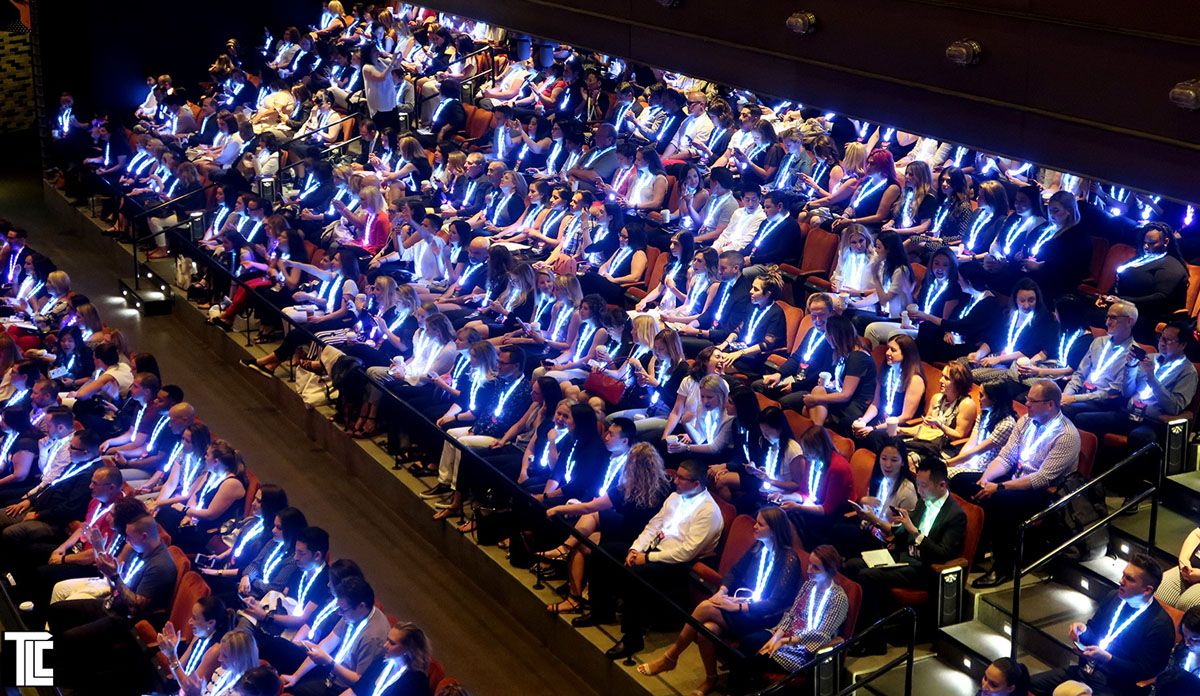
Meticulous documentation is paramount. Every single piece of equipment, from the master transmitter down to the last charging rack, must be catalogued with serial numbers and precise values. A single discrepancy can leave a multi-million-dollar production’s most critical assets sitting in a warehouse, tied up in red tape while the clock ticks down to showtime. This is why experience is non-negotiable. Understanding the specific nuances of customs in dozens of countries is a hard-won expertise. Whether it’s Festival Wristbands for PRIMER in Greece or LED Lanyards for a corporate summit, the paperwork must be as flawless as the final light show.
Beyond the Box: The Human Factor in Global Rollouts
Automated shipping alerts and tracking numbers tell only part of the story. The most powerful asset in global logistics is a network of trusted people on the ground. Having operated in over 70 countries, we’ve learned that there is no substitute for human expertise. These are the freight forwarders who know the local agents, the logistics managers who can anticipate a port strike, and the technical teams who understand how to problem-solve in a language not their own.
This human network is the immune system of a global tour. It’s what turns a potential crisis—a delayed flight, a sudden regulatory change, a damaged crate—into a manageable problem. When you see a sea of Coldplay Xylobands light up a stadium in Rio de Janeiro, you’re not just seeing the result of great technology; you’re seeing the result of a chain of professionals who passed the baton flawlessly across continents.
Fort Knox on Wheels: Protecting the Payload
Wearable LED Technology is, by its nature, both robust and sensitive. It has to be durable enough for a fan to wear for hours, yet it contains the delicate circuitry needed to receive and interpret complex commands. The journey from our labs to the venue is its own endurance test. The equipment travels by air, sea, and road, experiencing fluctuations in temperature, humidity, and atmospheric pressure. It’s handled by countless people and machines along the way.
This is where product design and logistical planning intersect. Our flight cases are custom-engineered to protect their contents not just from impact, but from the environmental rigors of global transit. The internal layout, the charging systems, and the deployment strategy are all refined to minimize risk and maximize efficiency on-site. The reliability of the LED Event Technology itself is the final and most important link in the chain. After a 5,000-mile journey, every single one of those Concert Wristbands has to work, every time.
The Return Journey: The Circle of Responsibility
The show doesn’t end with the encore. In an era of heightened environmental awareness, the discipline of reverse logistics is more critical than ever. Planning for the collection, recycling, and responsible disposal of our products is a fundamental part of our operational design. For multi-night engagements, this often means collecting, cleaning, and resetting tens of thousands of wristbands overnight, as we did for Wizkid’s historic three-night run at The O2 Arena.
This commitment to a circular economy is not just an ethical imperative; it’s a logistical one. It requires a robust on-site presence and a clear plan communicated to the venue and its staff. It completes the lifecycle of the event, ensuring the spectacle leaves behind nothing but memories. It’s the final, and perhaps most important, act in the unseen ballet of global event production.