The Enduring Light: A New Model for Sustainable Event Production
The Afterglow and the Aftermath
The final chord rings out. The house lights come up. A sea of faces, once illuminated by the shared energy of a live performance, now heads for the exits. For the audience, the experience is over, but for the planet, the story has just begun. The single-use cups, the discarded promotional materials, the carbon footprint of travel and power — the environmental cost of live events is a silent headliner we can no longer afford to ignore.
As event producers, tour managers, and brand marketers, we are architects of momentary realities. We build worlds that last for a night, a weekend, a season. But the pressure is mounting to ensure that the magic we create doesn't leave a lasting scar on the environment. The demand for sustainability is no longer a niche concern; it is a fundamental expectation from audiences, artists, and sponsors alike. The challenge is to deliver breathtaking, immersive event technology without compromising our commitment to the planet.
Beyond 'Single-Use': The Power of Durability and Reusability
For too long, the events industry has been built on a linear model of 'take, make, waste.' This is particularly true for many of the elements that make events spectacular. But a shift is underway, moving from a disposable mindset to a circular one. This means designing products and systems with longevity, reusability, and responsible end-of-life management in mind.
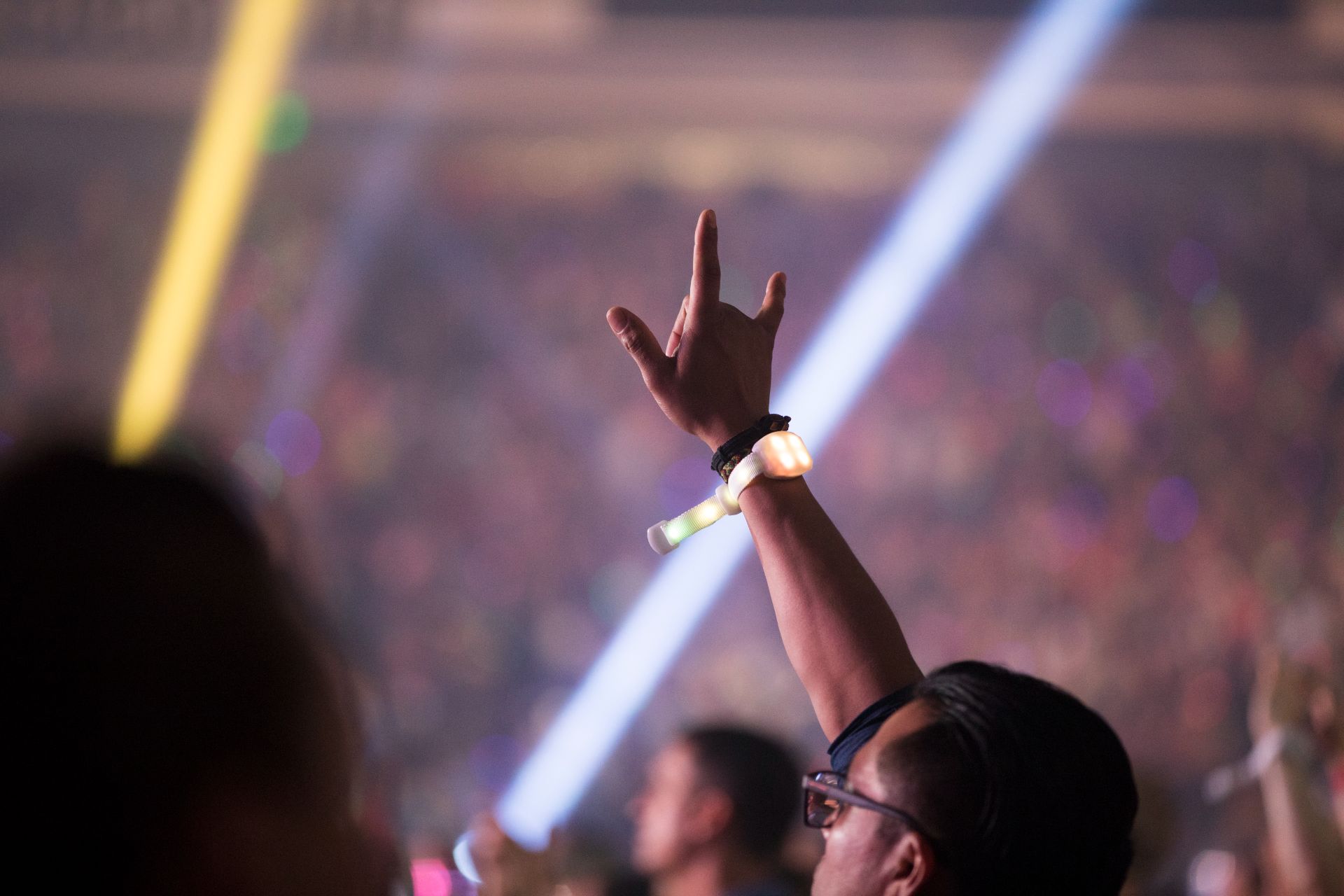
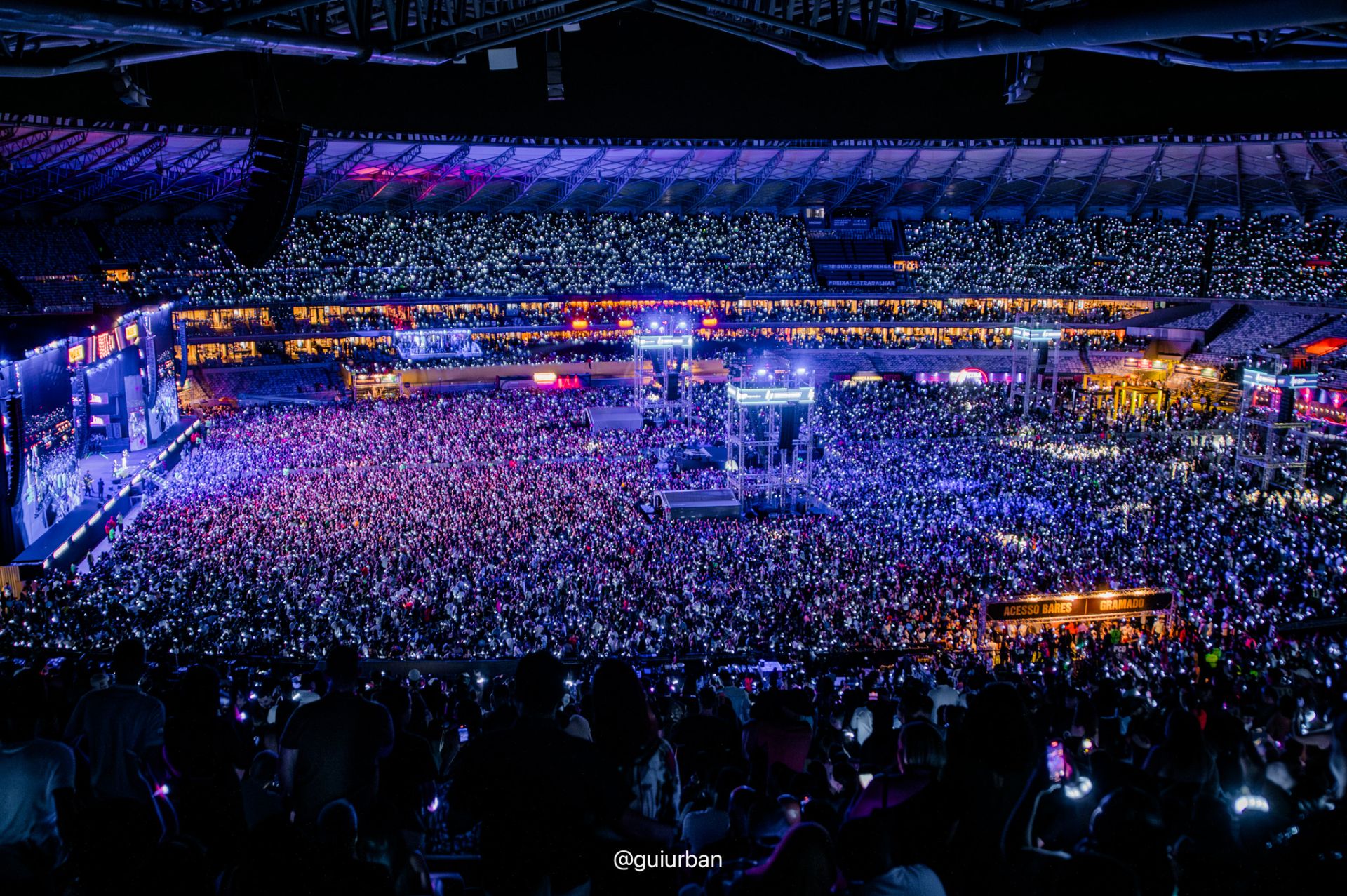
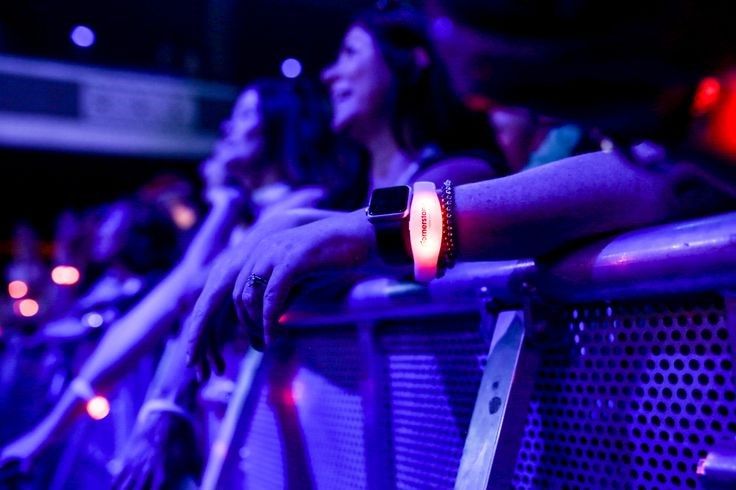
At Xylobands, this philosophy is at the core of our product development. When we pioneered radio controlled LED wristbands, we engineered them not just for a single moment of brilliance, but for a sustained lifecycle. This commitment is demonstrated in projects like Wizkid’s historic three-night, sold-out run at London’s O2 Arena. For all three performances, the same inventory of LED bands was used, collected, topped up, and redeployed. This wasn't an afterthought; it was a deliberate operational strategy that significantly reduced waste without diminishing the spectacular visual experience for each night's audience.
This model proves that high-impact LED crowd experiences and environmental responsibility can, and must, coexist. It’s about designing for durability and planning for reuse from the very beginning.
Key Principles of a Circular Event Model:
- Design for Durability: Creating products that can withstand the rigors of multiple events, from sweaty festival fields to packed arenas.
- Systems for Recovery: Implementing efficient and engaging collection processes that encourage high return rates from audiences.
- Efficient Refurbishment: Streamlining the cleaning, testing, and battery-refreshment process to prepare products for their next deployment.
- Responsible End-of-Life: When a product finally reaches the end of its usable life, having a clear and responsible recycling or disposal plan in place.
The Economic Case for Going Green
The shift towards sustainability isn't just an ethical imperative; it's an economic one. While the initial investment in durable, reusable technology may be higher than for single-use alternatives, the long-term return is significant. By extending the life of each unit, the cost-per-use plummets, delivering far greater value over time. This is the model we’ve seen succeed with major broadcast clients like ITV, where our LED bracelets are used across multiple recordings and series, amortizing the investment and reducing the waste associated with each production.
Furthermore, a strong environmental stance is a powerful brand differentiator. In an era of conscious consumerism, audiences and corporate partners are increasingly drawn to events and brands that reflect their own values. Demonstrating a genuine commitment to sustainability can enhance reputation, attract sponsorship, and build deeper loyalty with your audience. It transforms your environmental policy from a line item in a report to a visible, marketable asset.
Lighting the Path Forward
Creating truly sustainable events requires a holistic approach. It’s about more than just recycling bins; it’s about a fundamental re-evaluation of our supply chains, our operational habits, and our relationship with the materials we use. It involves asking tough questions at every stage of the production process:
- Can this be reused or repurposed?
- What is the most energy-efficient way to power this experience?
- How can we minimize the carbon footprint of our logistics?
- How can we make collection and recycling an integral, even enjoyable, part of the audience experience?
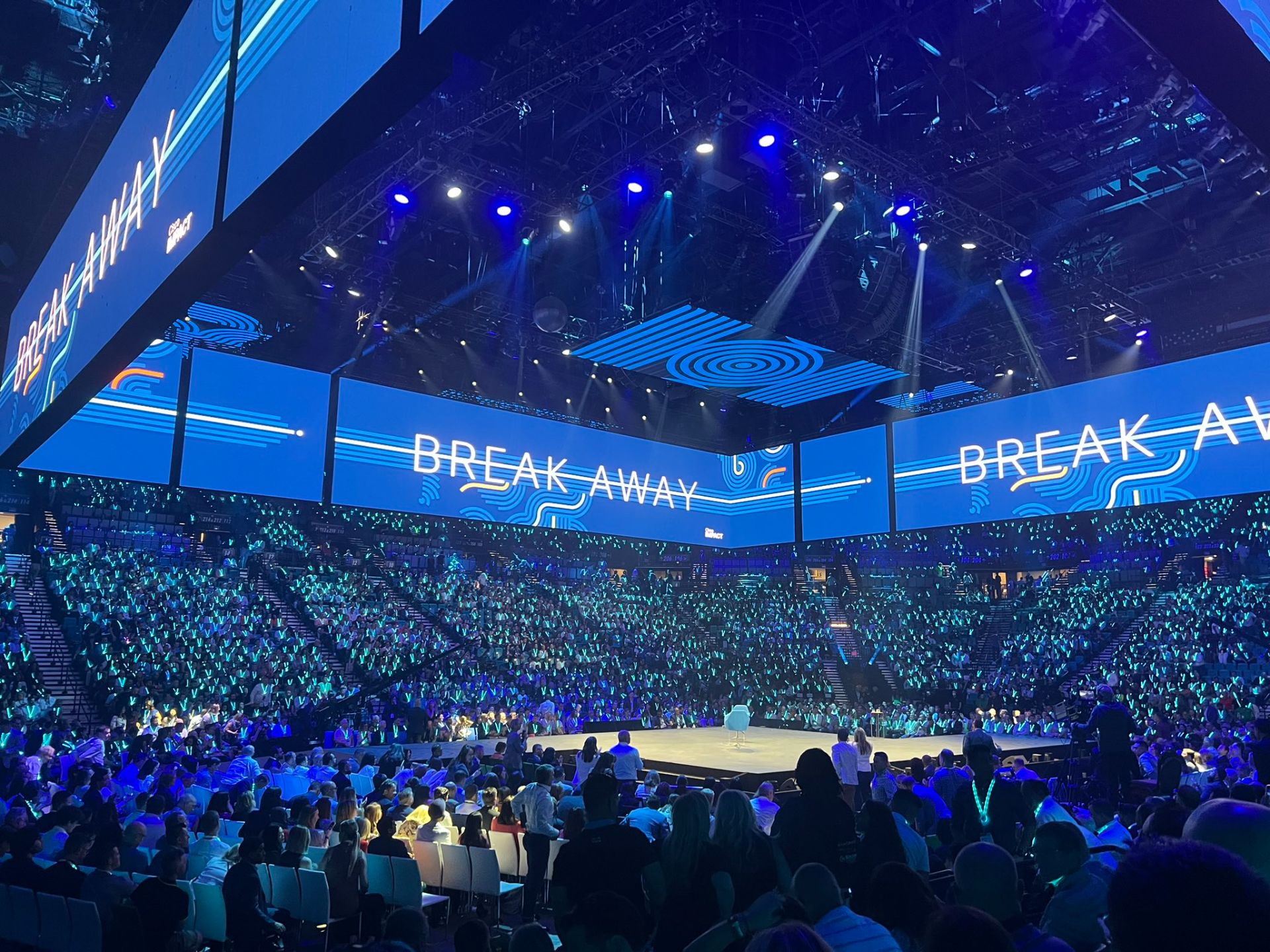
From the reusable LED lanyards at a major sporting event like Formula One to the multi-night reuse of concert wristbands on a world tour, the technology for more responsible immersive events exists today. The future of live experiences depends on our collective will to adopt it. The spectacle can no longer be fleeting. It must be enduring, not only in the memories of the audience but in the positive legacy we leave behind. The most brilliant light is the one that doesn't burn out, but is ready to shine again.