The Enduring Light: A New Model for Sustainable Event Production
The Roar and the Remainder
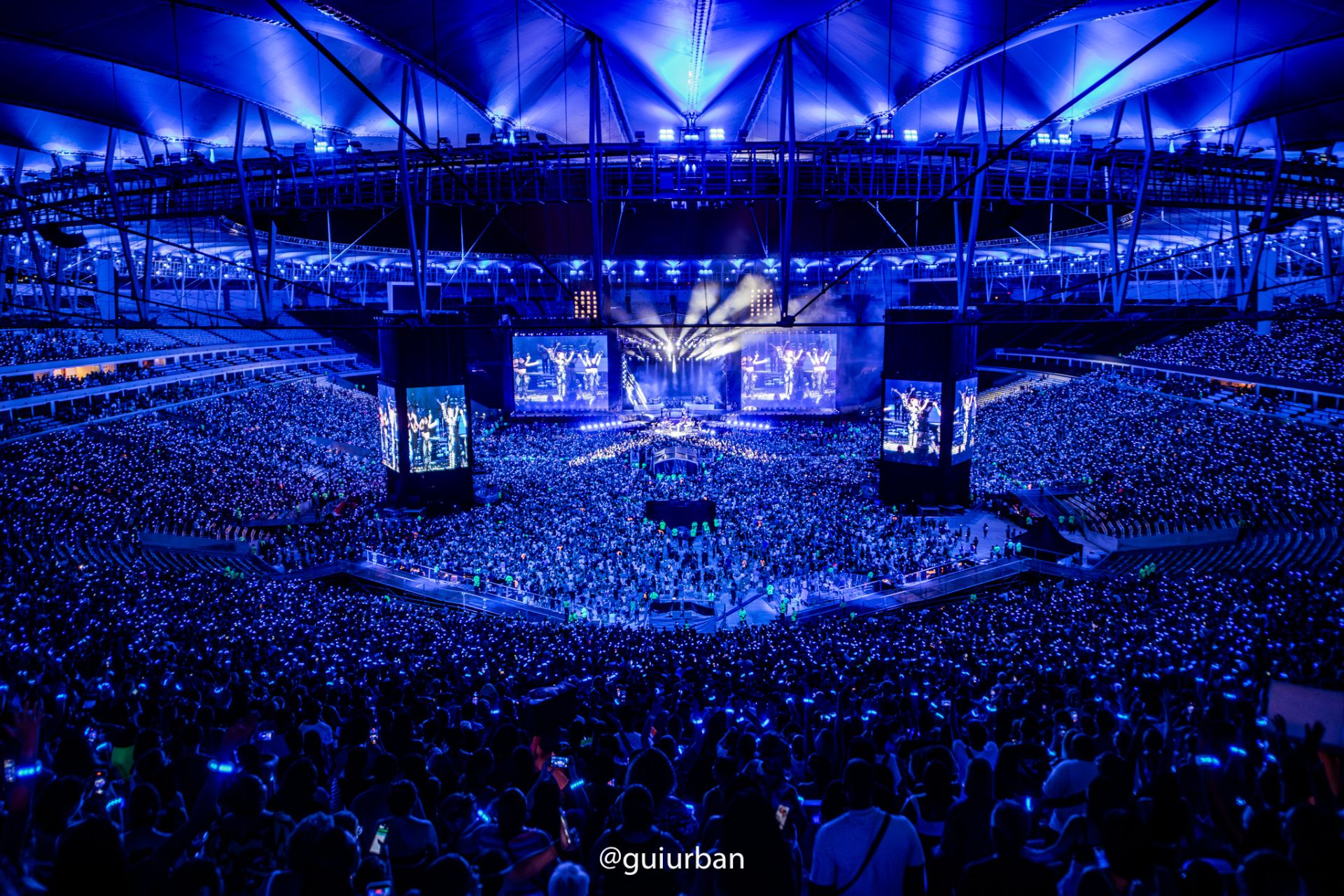
The roar of the crowd, the wash of light, the shared energy of a live show — these are the moments that define our industry. But what about the morning after? As the last truck rolls out and the stands fall silent, what remains? For decades, the live events sector has operated on a linear model: produce, perform, dispose. It’s a model that has created countless unforgettable nights, but it’s also generating a growing mountain of waste. From single-use plastics to discarded set pieces, the environmental footprint of our industry is no longer a footnote; it’s a headline act we can’t afford to ignore.
The conversation around sustainability in live events is shifting from a “nice-to-have” to a core operational principle. Event producers, tour managers, and brand marketers are increasingly facing a dual mandate: deliver breathtaking spectacles while demonstrating tangible environmental responsibility. This isn’t just about public perception; it’s about future-proofing our industry for a world with finite resources and heightened ecological awareness.
Beyond Recycling: Designing for a Circular Lifecycle
True sustainability in event production goes beyond placing a few recycling bins around a venue. It requires a fundamental shift in thinking, moving from a linear “take-make-waste” model to a circular one. This means designing experiences, products, and logistical chains with the entire lifecycle in mind. At Xylobands, this philosophy is embedded in our R&D process.
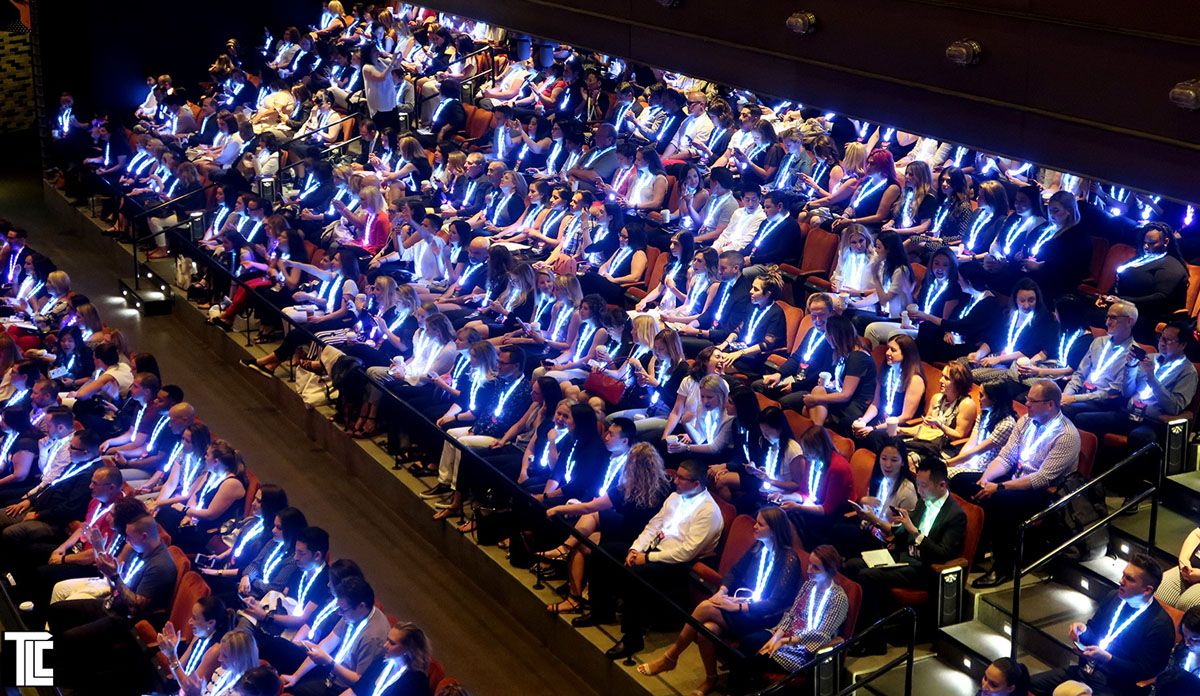
Our work is centered on creating durable, reusable wearable LED technology. The goal is to maximize the life of every wristband, lanyard, and orb we produce. For many of our clients, particularly in the corporate event space and for broadcast studio audiences, our products are used, collected, refurbished, and redeployed dozens of times. This is the circular economy in action.
Consider the production of a show like ITV’s Beat The Chasers UK. A fixed studio environment is a perfect use case for a reusable system. The same set of LED bracelets can be used for every episode of a series, collected from the audience after each recording, and reprogrammed for the next. This simple logistical step eliminates thousands of items from the waste stream over the course of a season.
The Logistics of Reusability
Implementing a reusable model at scale requires robust logistical planning. It’s not just about making a durable product; it’s about creating a system for its return, refurbishment, and redistribution.
- Collection Strategy: The process begins with a clear and efficient collection plan. This involves dedicated bins, trained staff, and clear messaging to the audience about the importance of returning their LED bands.
- Refurbishment and Testing: Once collected, each unit undergoes a rigorous testing and refurbishment process. This includes battery checks, electronics diagnostics, and sanitation to ensure they are ready for the next show.
- Intelligent Redeployment: A smart inventory system allows us to manage and redeploy assets efficiently, ensuring that products are used to their maximum potential before being retired.
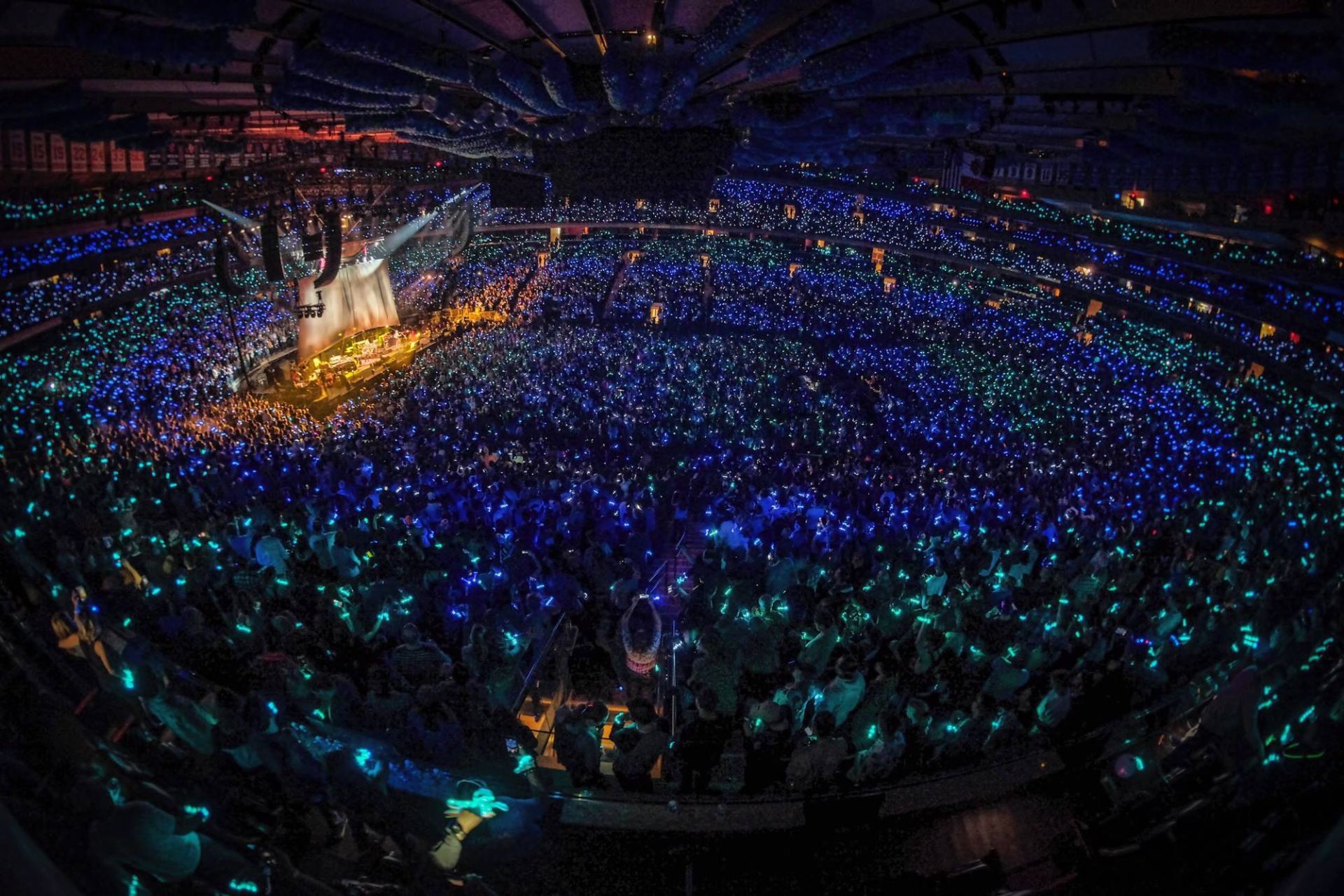
This model was put to the test during Wizkid’s historic three-night, sold-out run at London’s O2 Arena. For all three shows, Xylobands were reused, topped up as needed, and responsibly managed. This approach not only reduced waste but also ensured a consistent, high-quality experience for every audience member across the entire run.
Case Study: The Multi-Show Mandate
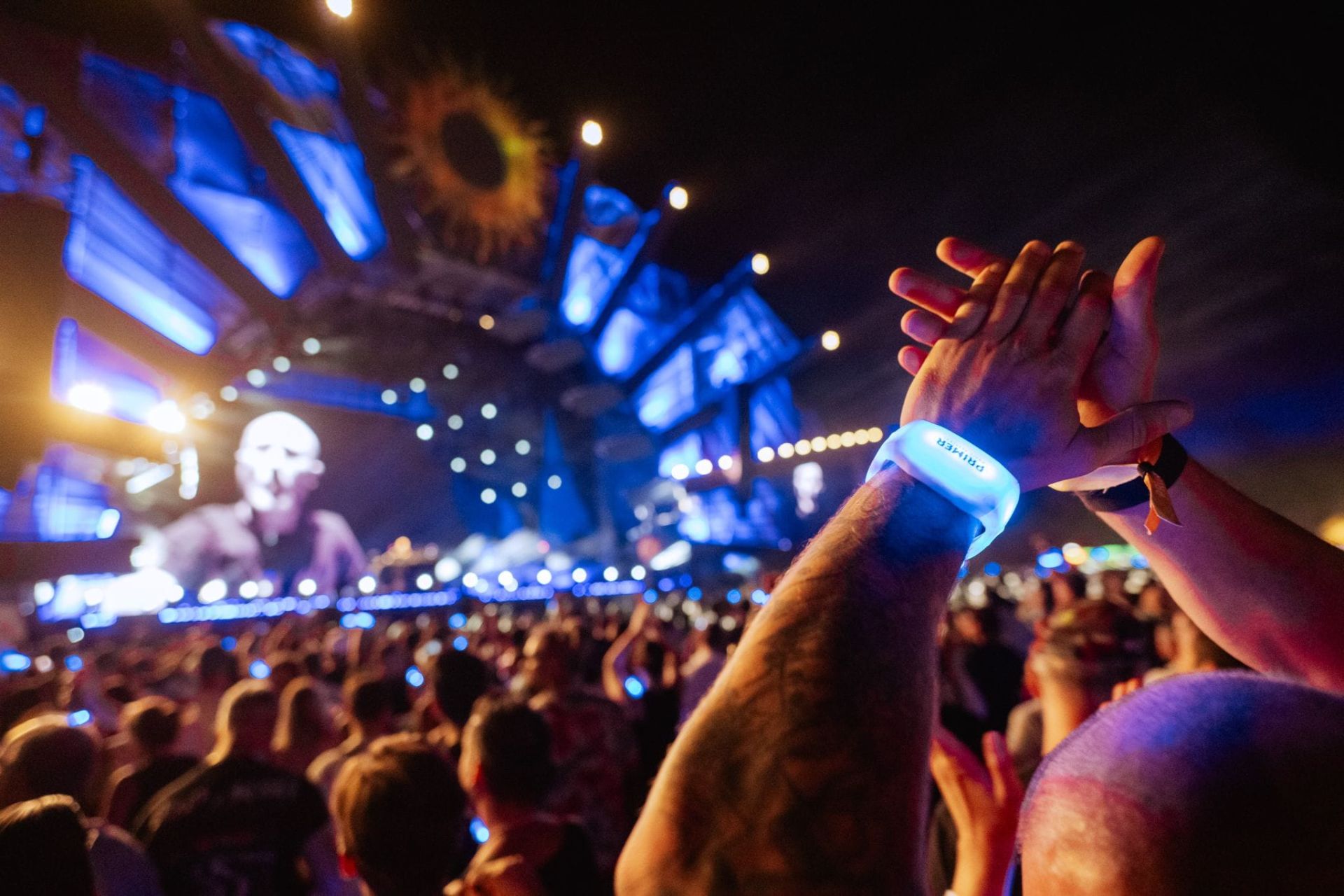
The music festival circuit presents a unique challenge and opportunity for sustainable practices. Events like PRIMER Music Festival in Greece showcase how immersive event technology can be deployed responsibly across multi-year engagements. By planning for reuse from the outset, festival organizers and technology partners can significantly reduce their environmental impact year over year.
When the same festival wristbands can be used for a 2023 edition and then again for a 2025 edition, the resource saving is immense. It transforms the product from a disposable memento into a piece of enduring event infrastructure. This is the future of LED crowd experiences — spectacular, engaging, and sustainable.
The Artist and Audience as Partners in Sustainability
The success of any sustainability initiative ultimately depends on buy-in from everyone in the ecosystem, from the headline artist to the fan in the last row. When artists champion reusability and audiences participate in collection efforts, the impact is magnified. The shared experience of the light show itself — a moment of mass unity — becomes a platform for a shared commitment to responsibility.
The narrative of sustainability is no longer one of sacrifice, but one of innovation. It’s about creating smarter, more efficient, and ultimately more impactful experiences.
As we continue to push the boundaries of immersive events, the principles of circular design and responsible production must be our guide. The goal is not just to create a momentary spectacle, but to build an enduring legacy — one that entertains, inspires, and respects the planet it calls home. The enduring light of a truly great show shouldn't be the glow of a landfill; it should be the memory of a shared experience, produced with purpose and care.