The Second Law: How Sustainable Innovation Shapes the Live Events Industry
The First Law and The Second Law
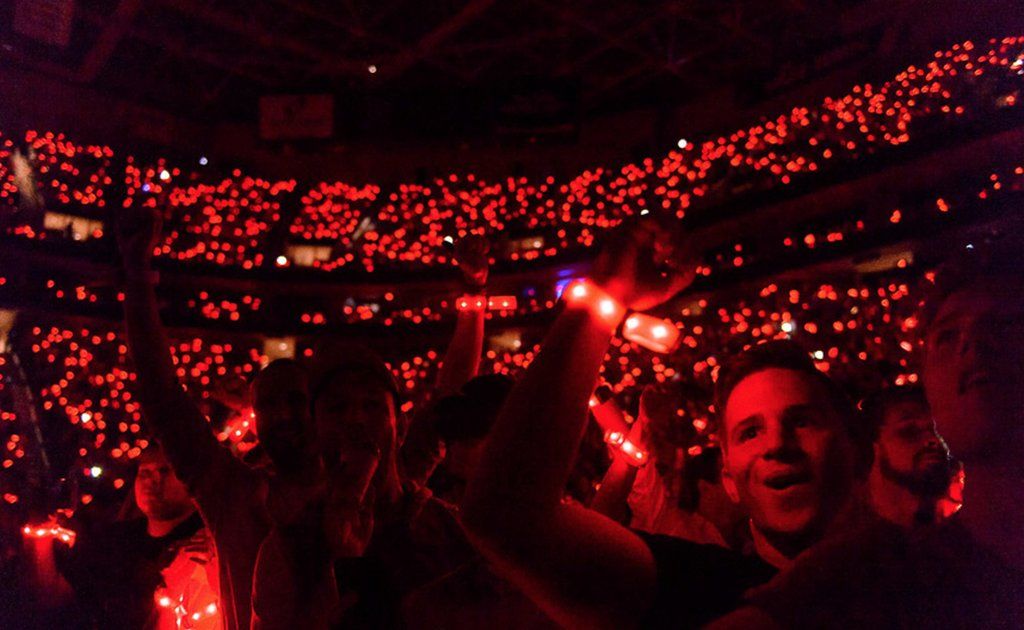
In the world of live experience design, there are two laws of innovation. The first is the one we all know: the flash of inspiration, the bold idea, the relentless pursuit of the next big thing. It’s the law that fuels our industry, powering everything from garage startups to global tours. It’s the story of a single idea at a festival—watching Coldplay perform and imagining the audience as a canvas of light—that sparked the creation of Xylobands.
But there is a second, less glamorous law. It’s the law of sustainability, of iteration, of patient R&D. It dictates that a brilliant idea is only as good as its ability to be reliably executed, scaled globally, and continuously improved. The first law creates the spectacle; the second ensures it happens flawlessly, night after night, in any venue on earth. This is where the real work of innovation happens: not in the initial spark, but in the steady, focused effort to refine and perfect.
Beyond the ‘Eureka’ Moment
The ‘eureka’ moment is a powerful myth, but it’s a misleading one. True innovation isn’t a lightning strike; it’s a controlled burn. It’s the painstaking process of transforming a groundbreaking concept into a robust, road-tested piece of technology. For us, the idea of LED crowd experiences was just the beginning. The real challenge was building the ecosystem to support it.
This meant engineering hardware that could survive the rigors of a world tour, developing software that could control 100,000 devices with zero-fail reliability, and creating logistical systems to deploy and retrieve millions of units across dozens of countries. It required building a culture where R&D wasn’t a department, but a mindset—a continuous loop of feedback, testing, and improvement involving everyone from our engineers to the on-the-ground technicians.
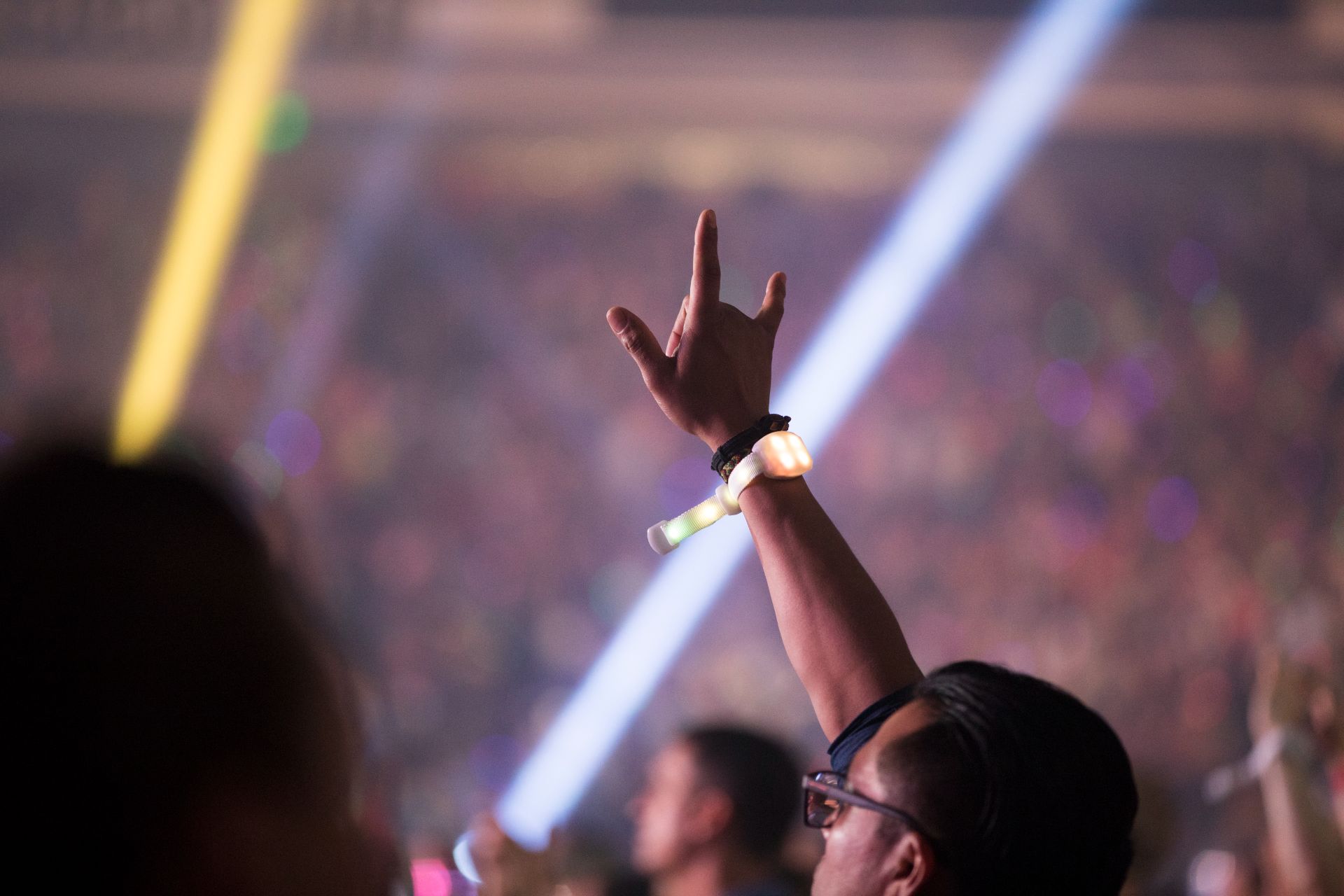
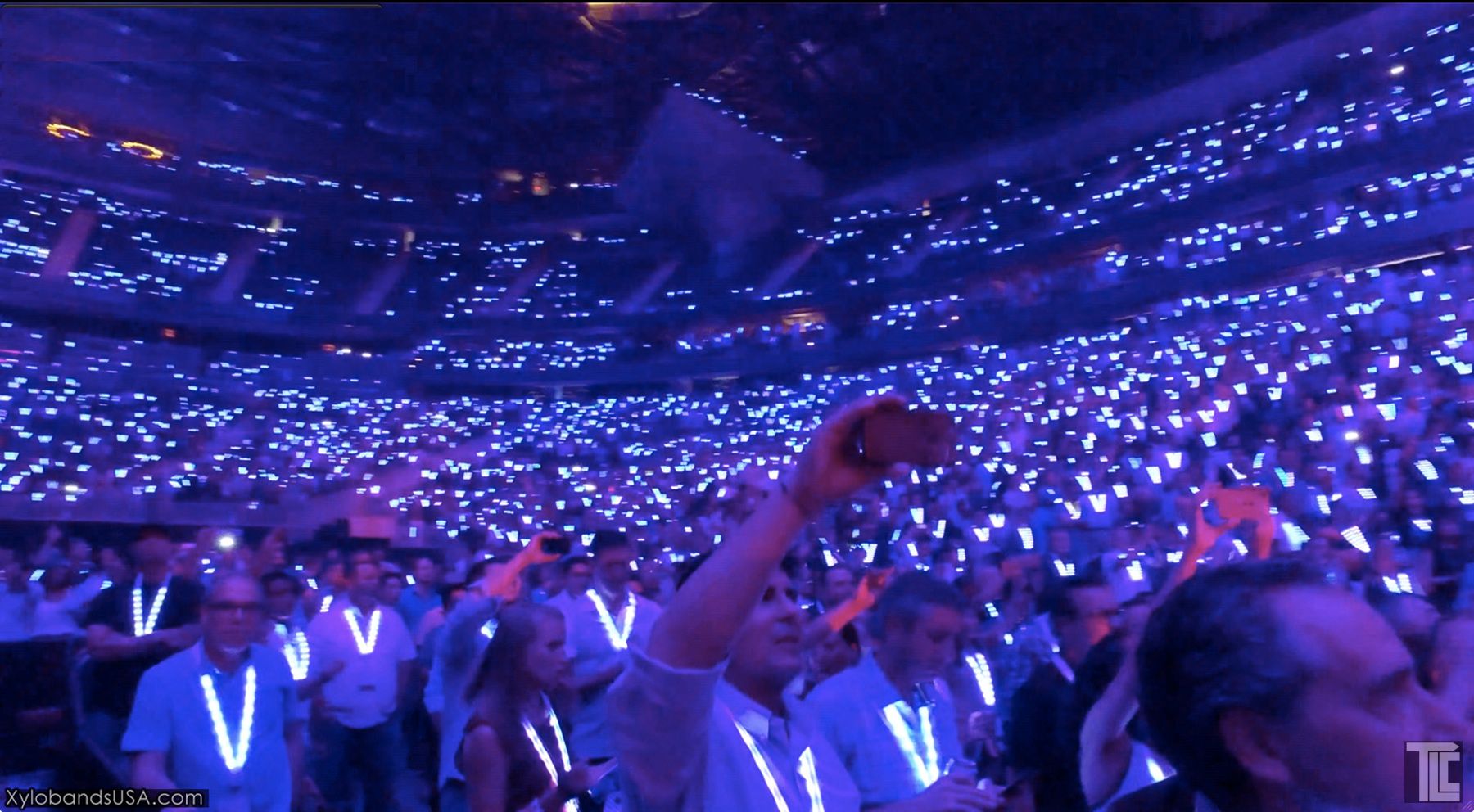
Consider the evolution from a simple, single-use wristband to a sophisticated ecosystem of wearable LED technology. Our product line now includes not just our classic LED bands but also reusable models, custom shapes like the pendants for the Formula One 75th Anniversary, and even advanced LED lanyards. Each new product isn’t a reinvention, but an evolution—a direct response to the real-world needs of our clients and the creative ambitions of artists and producers.
The Lab and The Field: A Symbiotic Relationship
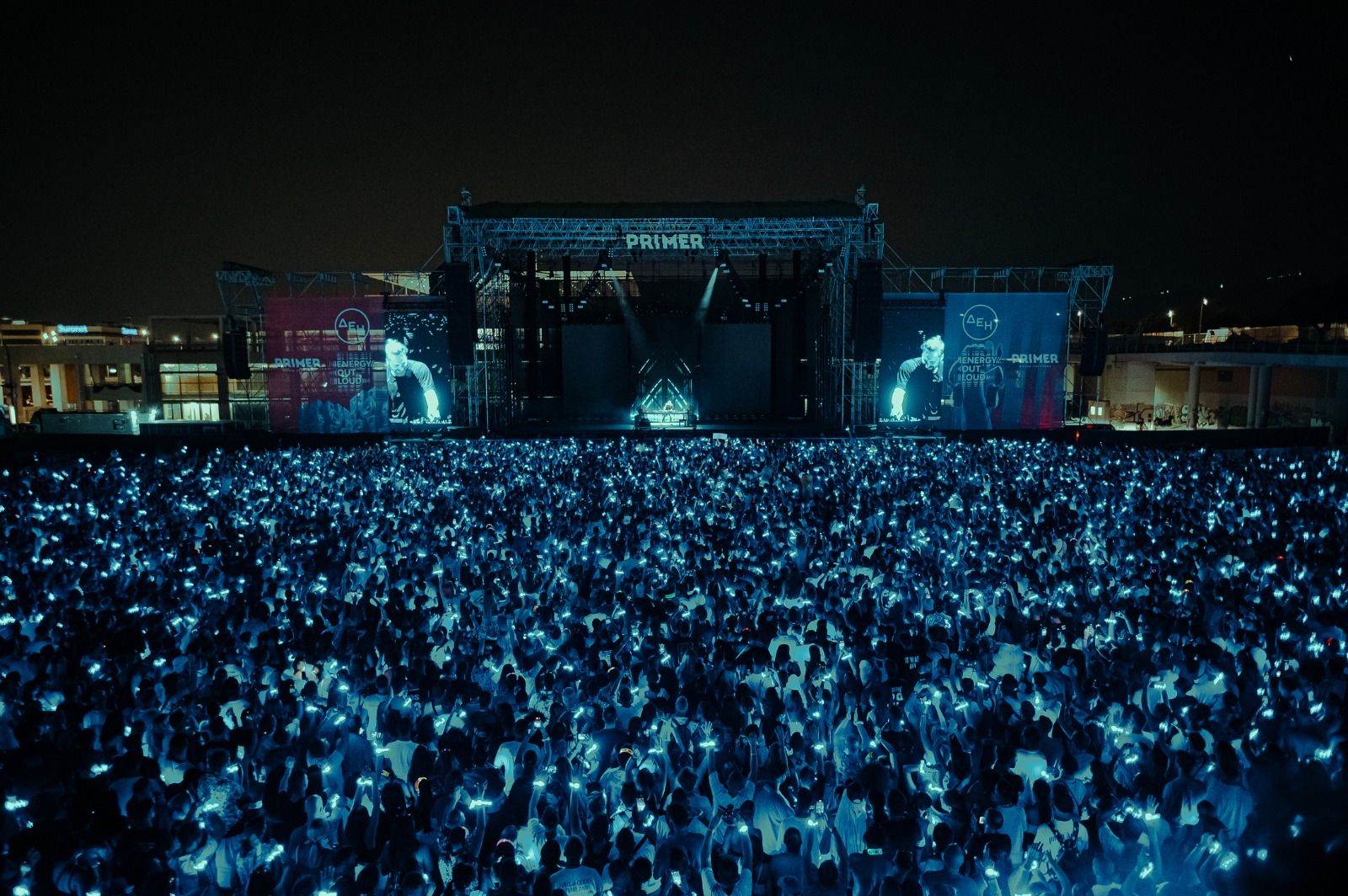
An R&D culture can’t thrive in a vacuum. The lab is essential for focused development, but the field is where theories are tested against reality. The feedback from a tour manager in Tokyo, a broadcast director at ITV, or a festival organizer at Greece’s PRIMER Music Festival is the most valuable data we can collect. This information flows directly back to our design and engineering teams, informing the next generation of our technology.
"The field is the ultimate proving ground. A concept that works perfectly in a controlled lab environment is meaningless if it can’t withstand the chaos of a live festival or the immense pressure of a global broadcast."
This symbiotic relationship allows us to solve problems our clients haven’t even anticipated yet. For example, the need for camera-friendly lighting in broadcast environments led to specific engineering challenges around flicker rates, color saturation, and brightness control. The solution wasn’t a brand-new product, but a refinement of our existing radio-controlled LED wristband system, optimized for the exacting standards of high-definition cameras. This focus on broadcast-ready tech has made us an essential partner for clients like ITV, where the at-home audience experience is just as important as the one in the studio.
Case Study in Evolution: From Arena to Global Broadcast
When an artist like Maluma performs for 54,000 fans in his hometown of Medellín, with the show being streamed live to 240 countries, the technology has to serve two audiences simultaneously. The lighting must create an electric atmosphere for the people in the stadium while also translating powerfully to the screen. This is not a happy accident; it’s the result of years of iterative R&D.
Our work on tours for artists like Wizkid, who sold out three nights at the O2 Arena, provided crucial insights into high-density RF environments and the logistics of reuse and recycling. Each event, from a corporate activation for Audi to the Davis Cup finals, becomes a real-world R&D project, pushing our systems to be more efficient, more reliable, and more creatively versatile.
Building a Culture of Perpetual Beta
The most innovative companies operate in a state of “perpetual beta.” They understand that no product is ever truly finished. There is always room for improvement, a new feature to add, a process to streamline. This requires a deep-seated institutional humility—the willingness to accept that today’s best solution is just a stepping stone to tomorrow’s.
This philosophy is the engine behind the most compelling immersive events. It’s what allows brands to create deeper connections through corporate event activations and what gives artists new tools to tell their stories. The simple concert wristbands that debuted on Coldplay’s Mylo Xyloto tour have become a sophisticated platform for creating collective experiences, a testament to the power of the second law.
Ultimately, innovation isn’t about chasing trends. It’s about building a foundation so strong that it can support the weight of any creative vision. It’s about understanding that the flash of light is temporary, but the system that creates it must be permanent. In the fast-moving world of live events, it’s the patient, methodical, and relentless pursuit of perfection that truly lights the way forward.