The Sustainable Spectacle: A New Blueprint for Reusable Event Technology
The Morning After the Spectacle
The roar of the crowd, the wash of light, the shared pulse of thousands of people moving as one — these are the moments we live for in the live events industry. It’s the magic we chase, the spectacle we build. But what about the morning after? When the lights come up, the last of the trucks roll out, and the silence descends upon an empty field or arena, what is left behind? For too long, the answer has been a landscape of single-use plastics and disposable materials, a hangover from a culture of convenience that our industry can no longer afford.
The conversation around sustainability in live events has moved from a fringe concern to a central operational imperative. Audiences are more environmentally conscious than ever, and brands, artists, and producers are under increasing pressure to demonstrate genuine environmental stewardship. The challenge is immense: how do we deliver the awe-inspiring, technologically advanced productions our audiences demand while simultaneously reducing our ecological footprint? The answer lies not in scaling back the spectacle, but in revolutionizing the tools and systems that create it.
From Disposable to Deployable: The Case for Reusability
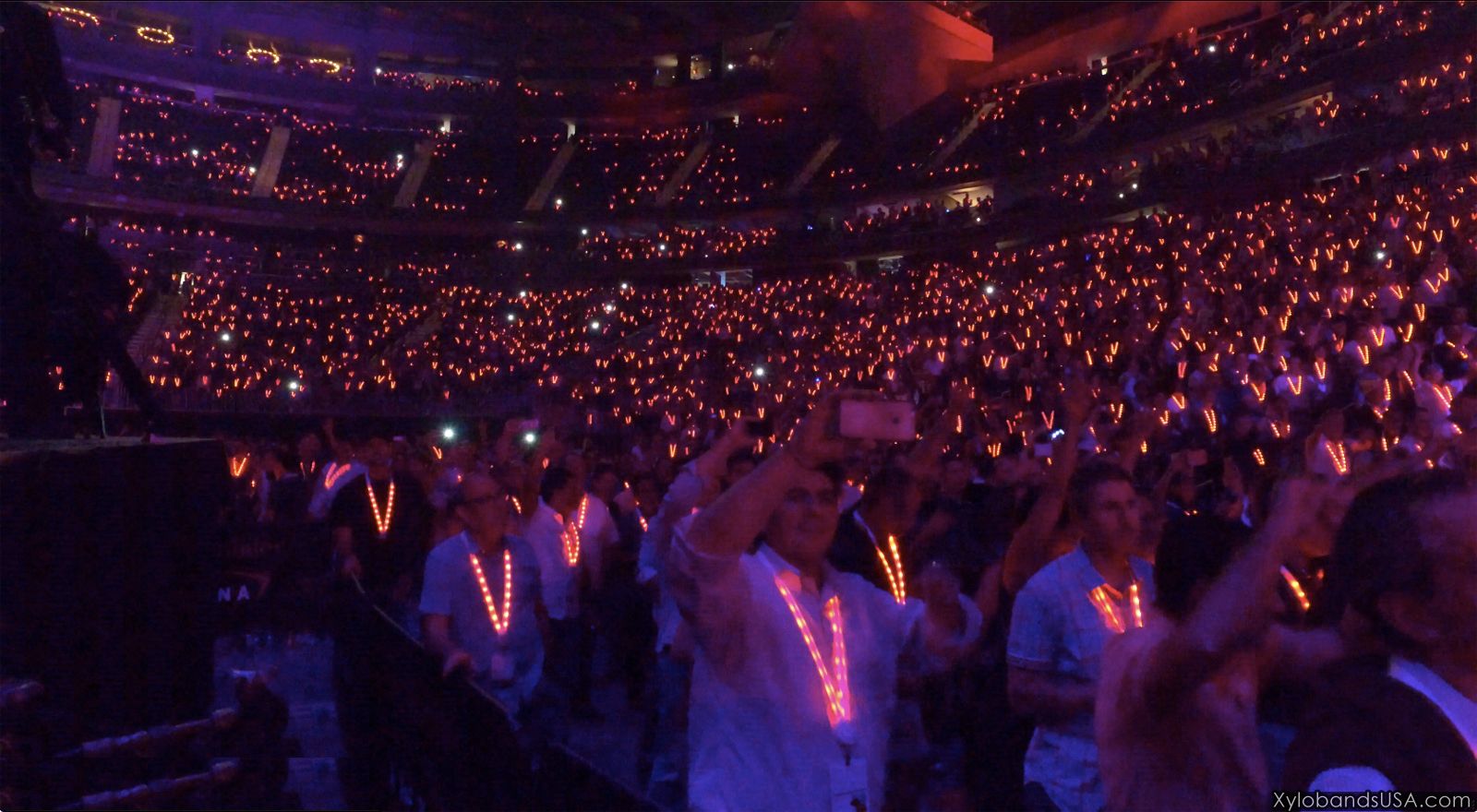
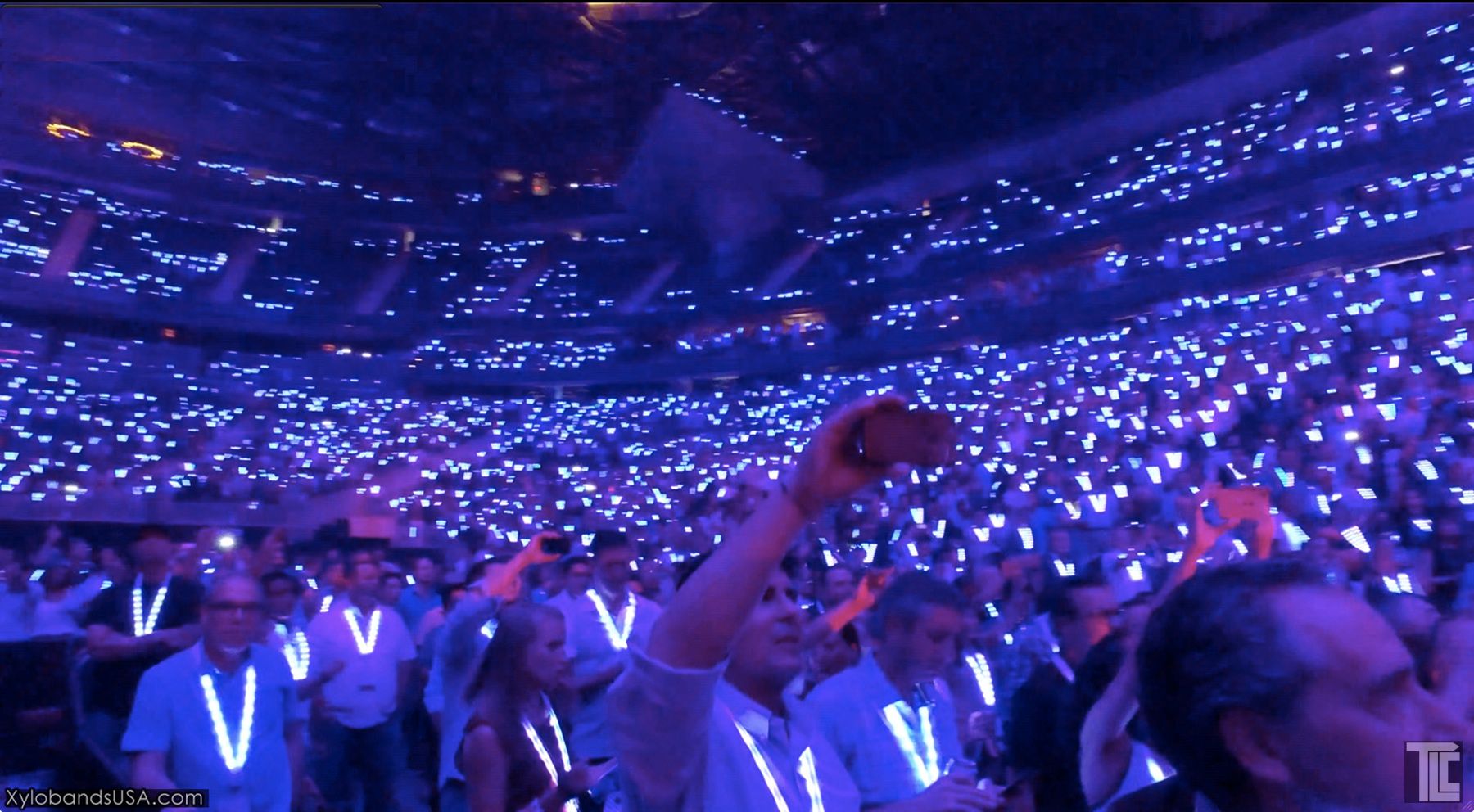
The concept of a circular economy — where products are designed for durability, reuse, and eventual recycling — offers a powerful blueprint for the future of event production. At Xylobands, this is a principle we have been putting into practice for years. While the image of a crowd illuminated by thousands of LED wristbands is one of ephemeral magic, the technology behind it is built for the long haul.
Consider our work with the artist Wizkid for his historic three-night, sold-out run at London's O2 Arena. The brief was simple: create an electrifying visual experience for every show. The execution, however, involved a carefully planned sustainable loop. For all three nights, the same inventory of Xylobands was used. After each performance, our teams collected, sanitised, and reset the wristbands, readying them for the next night's audience. This wasn’t just a cost-saving measure; it was a deliberate operational choice to minimise waste without compromising the quality of the LED experiences.
This model of "collect, refurbish, redeploy" is central to a new, more responsible way of thinking about immersive event technology. It moves us away from a linear model of produce-use-discard and towards a circular one where assets are managed, maintained, and reused across multiple events, tours, and seasons.
Key Components of a Reusable Tech Ecosystem:
- Durable by Design: Hardware, from wearable LED technology to control units, must be engineered for longevity. This means robust casings, high-quality components, and designs that allow for easy repair and refurbishment.
- Logistical Mastery: A successful reuse model depends on world-class logistics. It requires meticulous inventory management, efficient collection systems post-event, and a global network capable of moving assets from one production to the next securely and on time.
- Data-Driven Refurbishment: Understanding the lifecycle of each unit is key. By tracking usage, battery life, and performance, we can proactively manage maintenance schedules, ensuring that every wristband or lanyard sent out meets the same high standard as a brand-new one.
Scaling Sustainability: From Arenas to Festivals
The reusability model is not limited to contained arena shows. It is being successfully scaled for large, multi-day events like music festivals. For events like the PRIMER Music Festival in Greece, our teams deploy thousands of festival wristbands that are collected and serviced for reuse. The same principles apply, but the operational complexity is magnified. It requires strategic placement of collection points, clear communication to attendees, and an on-site team dedicated to maximising the retrieval rate.
This approach transforms attendees from passive consumers into active participants in the event’s sustainability mission. The simple act of dropping a wristband into a designated bin becomes a moment of shared responsibility, a collective contribution to a greener event.
“The future of live events isn’t just about creating bigger and brighter moments. It’s about creating smarter, more sustainable systems that allow us to deliver those moments responsibly, again and again.”
The Economic and Brand Benefits of Going Green
Beyond the clear environmental benefits, a commitment to reusability and sustainability is simply good business. For event producers, leveraging a rental and reuse model for technology like radio controlled LED wristbands can be more efficient than purchasing and managing an inventory of their own. It removes the burden of storage, maintenance, and eventual disposal.
For brands and artists, it’s a powerful story. In an era of conscious consumerism, demonstrating a tangible commitment to sustainability builds immense brand equity. It shows an alignment of values with the audience, deepening the connection beyond the performance itself. When an artist like Coldplay, whose early adoption of Xylobands helped define the modern era of LED crowd experiences, also champions environmental causes, it sends a powerful message that resonates globally.
The Way Forward: A Shared Responsibility
Creating a truly sustainable future for the live events industry requires a collective effort. It demands innovation from technology providers, commitment from artists and producers, and participation from audiences. It means rethinking our processes, from the initial design of a product like an LED lanyard or orb to its end-of-life recycling.
At Xylobands, we are committed to pushing the boundaries of what’s possible, not just in creating spectacular immersive events, but in pioneering the systems that make them sustainable. The glow of ten thousand lights in a darkened stadium is a powerful symbol of connection and shared experience. Our goal is to ensure that the light doesn’t fade when the show is over, but instead represents a brighter, cleaner, and more responsible future for us all.