The Art of the Arena: Choreographing Light for Modern Sports Entertainment
From Spectacle to Main Event: The Evolution of the Halftime Show
For decades, the halftime show was a pleasant diversion—an interlude in the main drama of the sporting event. Marching bands, local performance troupes, and later, major music acts filled the twenty-minute slot. But in the modern era of sports entertainment, the halftime show is no longer just a break in the action; it has become a headline event in its own right, a globally broadcast cultural moment where the stakes are as high as the final score.
This transformation has been driven by a convergence of artist ambition, broadcaster demand, and technological innovation. Today, choreographing a halftime show is a monumental task that extends far beyond the stage. It involves designing a spectacle for two distinct audiences: the roaring crowd inside the stadium and the millions watching at home. This is where the art of crowd choreography and immersive event technology come into play, turning a passive audience into an active, luminous canvas.
The Two-Audience Challenge
Designing a show for a stadium is fundamentally different from designing for a television broadcast. The live audience craves raw energy, scale, and a sense of direct participation. The broadcast audience, however, experiences the show through a carefully curated series of camera angles, close-ups, and sweeping aerial shots. A successful production must serve both masters simultaneously.
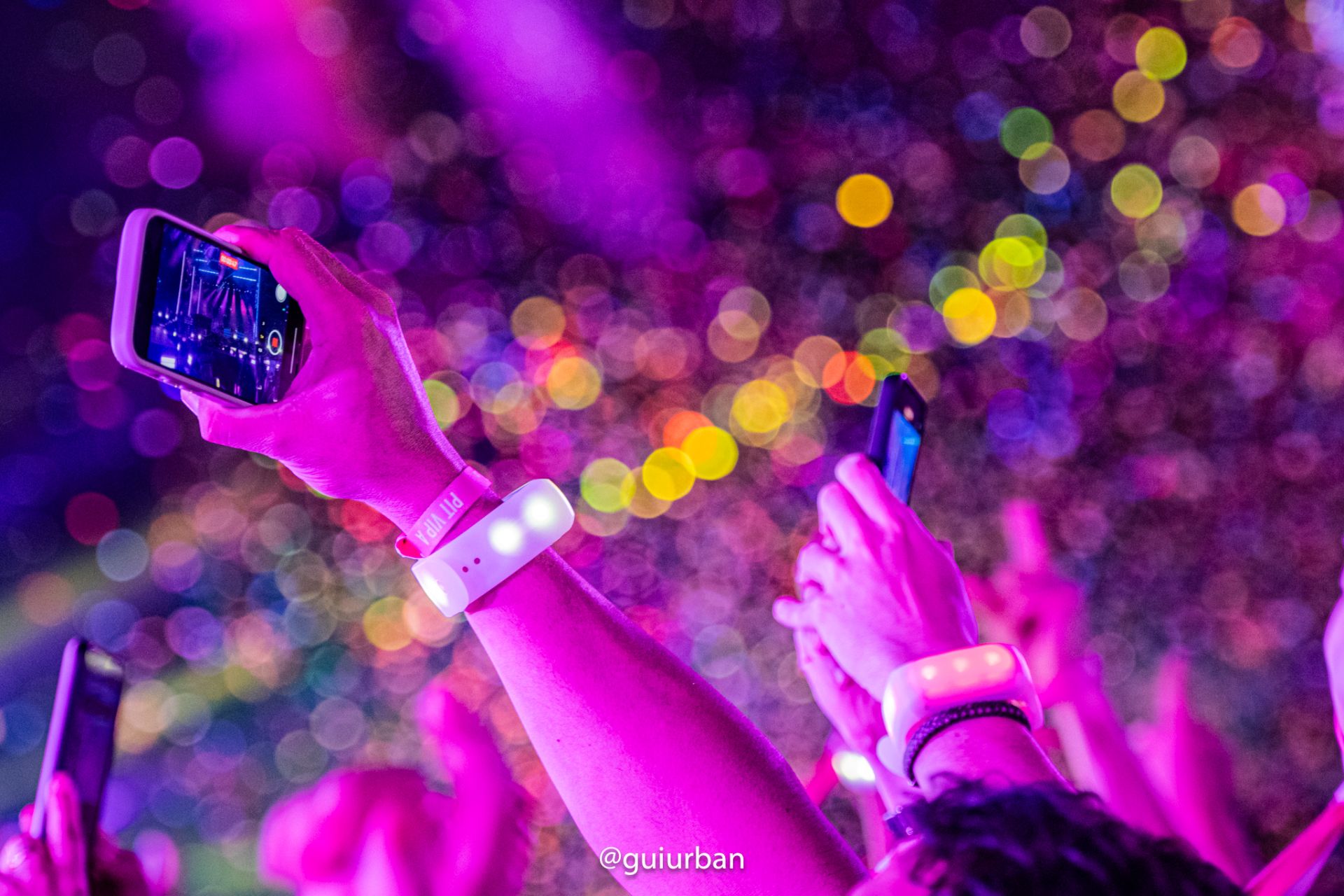
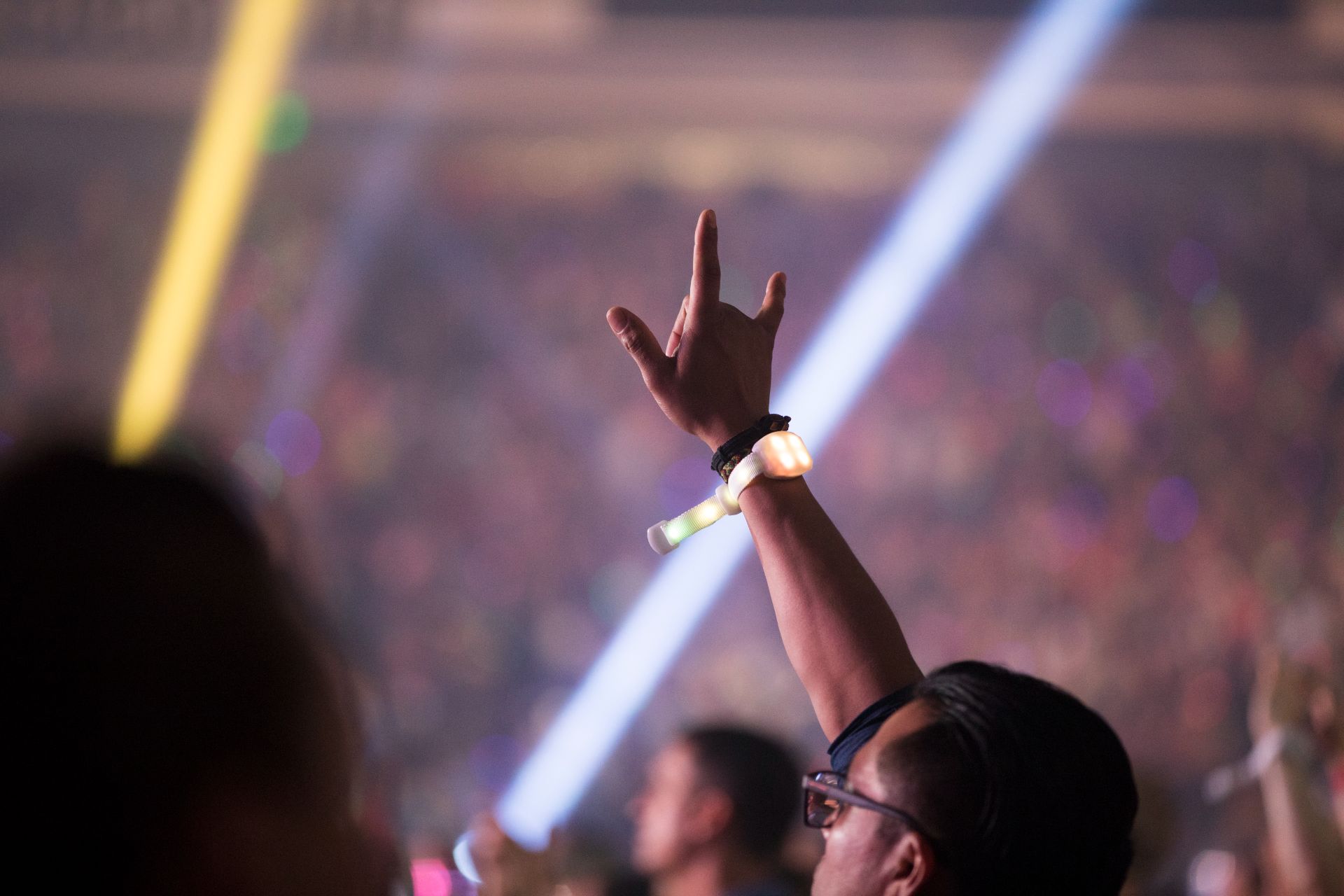
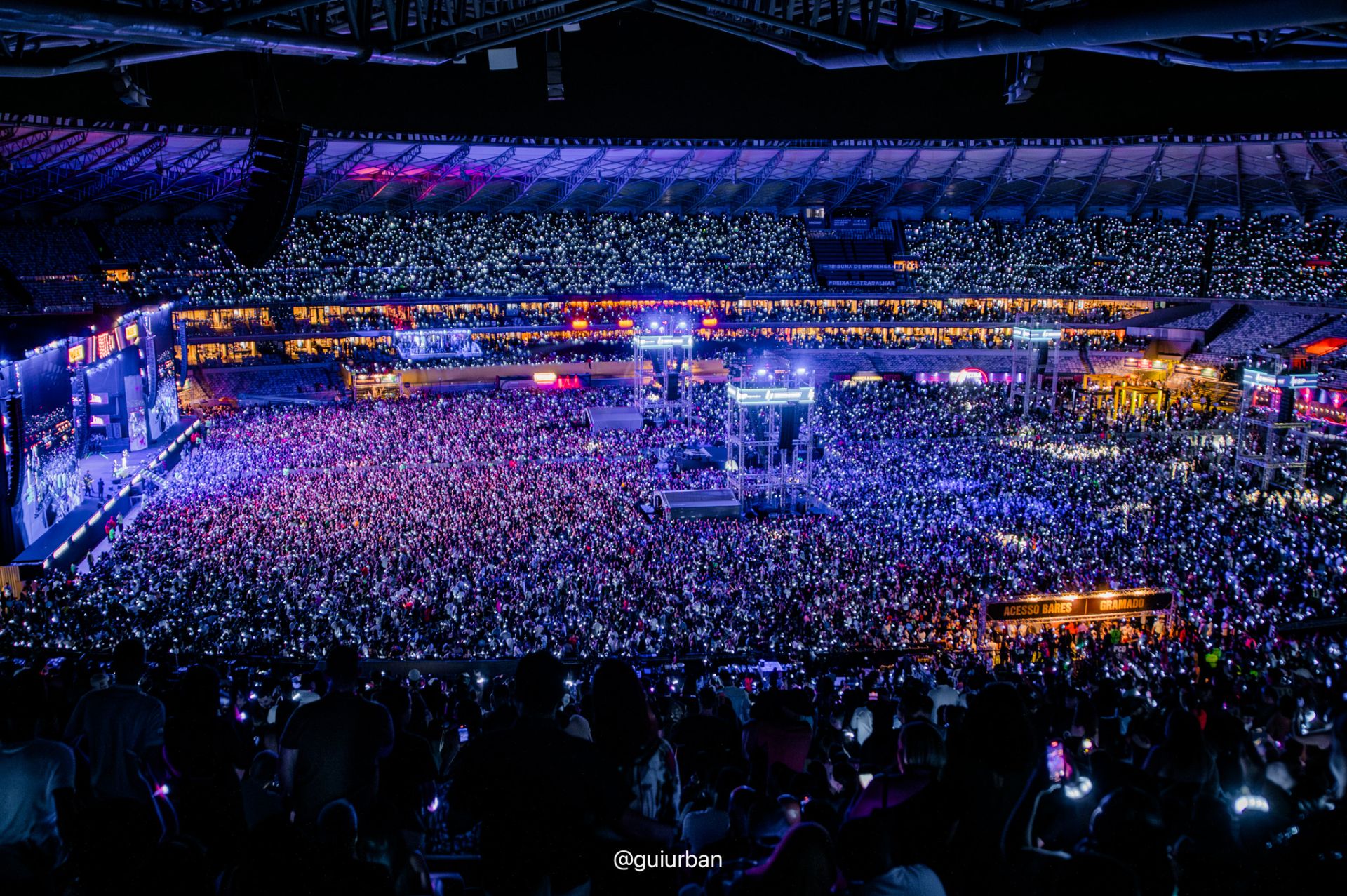
This is where lighting and wearable technology become critical. Traditional stage lighting can create powerful focal points, but it struggles to convey the sheer scale and energy of a stadium-wide event on screen. To bridge this gap, creative directors are increasingly turning the audience itself into a medium. By equipping tens of thousands of fans with radio-controlled LED wristbands, they can paint with light on a truly epic scale, creating visuals that are breathtaking both in person and on camera.
“When you light up an entire stadium, you’re not just putting on a show,” explains a senior lighting designer. “You’re creating a unified field of energy. Every single person becomes a pixel in a larger picture, and that sense of collective participation is incredibly powerful.”
Choreographing the Crowd with Light
The process of integrating an entire stadium of fans into a show’s choreography is a masterclass in technical and creative execution. It begins long before the event, with detailed 3D modeling of the venue.
1. Venue Mapping and Zoning
The first step is to create a digital twin of the stadium. Seating charts are used to divide the audience into hundreds of distinct zones. Each zone can then be controlled independently via a central lighting desk, allowing designers to create complex patterns, color sweeps, and dynamic pulses that flow across the crowd. This meticulous zoning is what allows for the stunning, broadcast-ready visuals, such as displaying a team’s colors or a sponsor’s logo across an entire seating bowl.
2. The Power of RF Technology
At the heart of this experience are robust radio frequency (RF) systems. A network of transmitters is strategically placed throughout the venue to ensure that every single LED wristband or lanyard receives its signal instantaneously. This is a zero-failure environment; a single misfire or delay could compromise the entire visual effect. This is the unseen command that ensures 50,000 individual lights respond as one, perfectly in sync with the music and on-field action.
3. Integrating with the Main Production
The crowd lighting is not an isolated element; it is woven into the fabric of the main show. The lighting director, using software that controls the Xylobands, works in lockstep with the show caller, music director, and broadcast producer. The cues are programmed to the millisecond, synchronizing the wristbands with pyrotechnics, video content on massive screens, and the artist’s performance. Whether it’s a sudden blackout for dramatic effect or a glittering pulse that builds with the musical crescendo, the crowd becomes an extension of the stage itself.
Beyond the Halftime Show
The principles of crowd choreography are not limited to music performances. The same wearable LED technology is transforming the entire fan experience in sports. Imagine the opening ceremony of a tournament like the Davis Cup, where the colors of each nation’s flag sweep across their respective fan sections. Or consider Formula One, where we deployed custom LED lanyards to celebrate its 75th anniversary, immersing fans in the unveiling of new car liveries and creating a stunning visual for the live broadcast.
At Xylobands, we’ve been at the forefront of this evolution since our technology first lit up a global audience with Coldplay. We’ve powered LED crowd experiences for some of the world’s biggest sporting brands, from the FIFA World Cup and the Chicago Blackhawks to major broadcasters like ITV. These experiences underscore a fundamental shift in live events: the audience is no longer just watching the show. They *are* the show.
By turning spectators into a vibrant, living part of the spectacle, LED experiences create deeper engagement, unforgettable memories, and visuals that resonate long after the final whistle. It is the art of the arena, reimagined for a new era of immersive sports entertainment.