The Human Algorithm: Decoding the Psychology of Audience Engagement
The Architecture of Awe
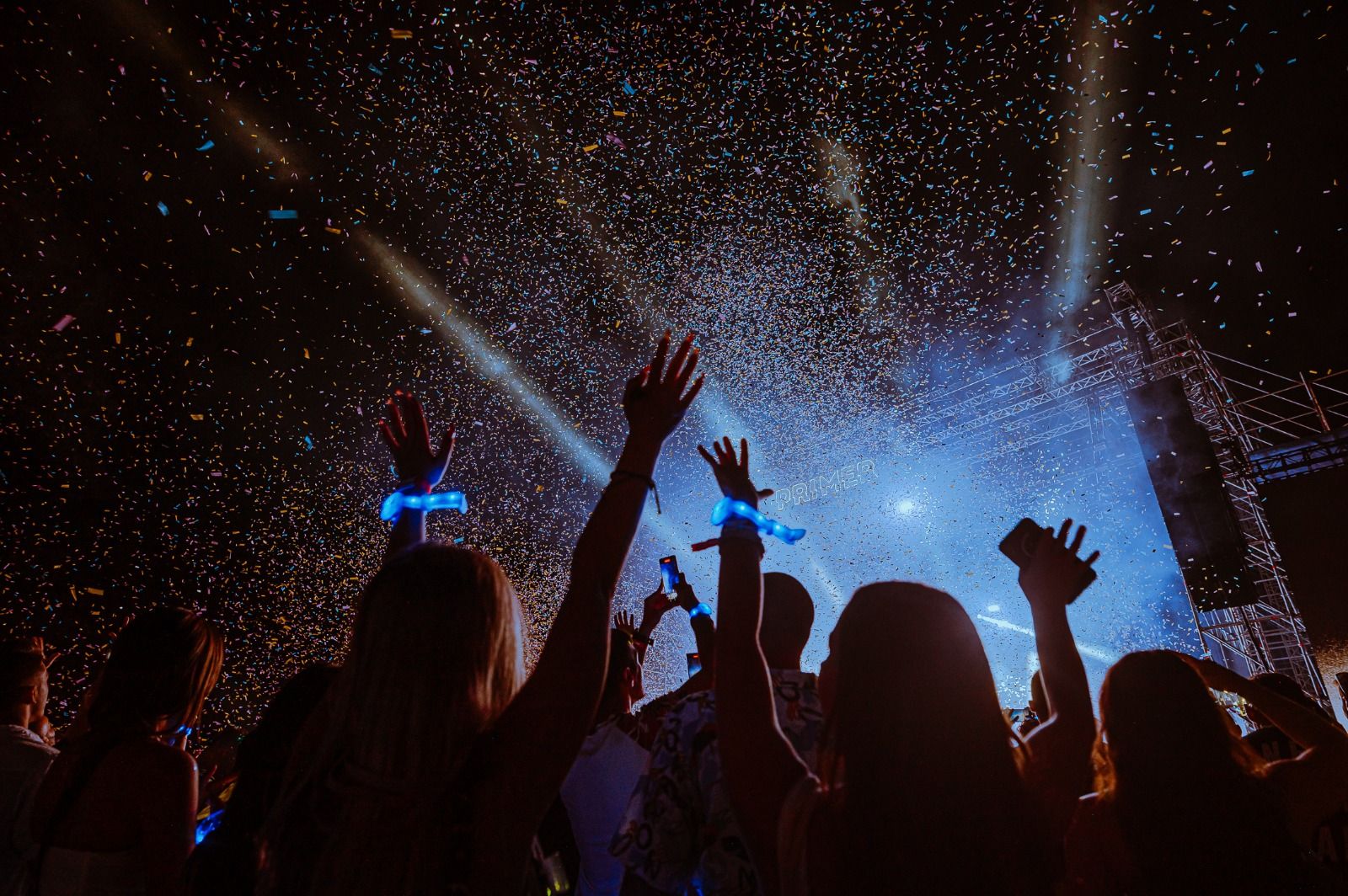
What transforms a gathering of thousands into a single, breathing entity? At the heart of every stadium tour, global broadcast, or festival lies a complex psychological blueprint. Event producers and show designers are, in essence, architects of emotion. We don't just build stages; we build moments of collective effervescence—a sociological concept describing the shared feeling of identity and excitement that emerges when a group of people comes together with a common purpose.
This phenomenon is the lifeblood of live events. It’s the roar that ripples through a stadium, the shared gasp during a breathtaking reveal, and the unified sea of light that turns a disparate crowd into a community. But it doesn't happen by accident. It is meticulously engineered through a deep understanding of human psychology, leveraging triggers that foster connection, identity, and immersion.
From Passive Spectators to Active Participants
The traditional model of live entertainment was built on a fourth wall—a clear separation between the performer and the audience. The crowd’s role was largely passive: to watch, to listen, to applaud. Today, that wall has crumbled. The modern audience doesn't just want to see the show; they want to be the show.
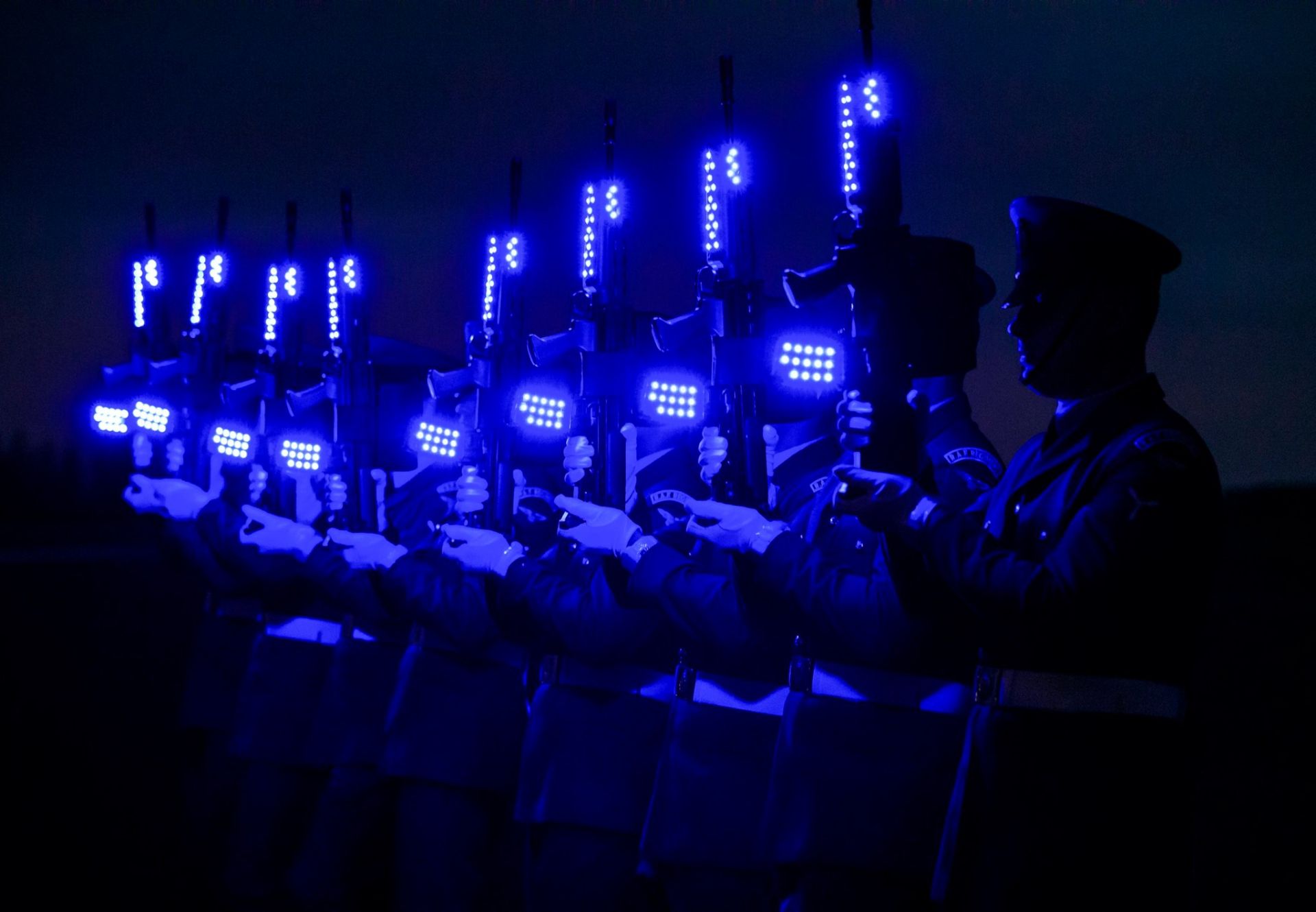
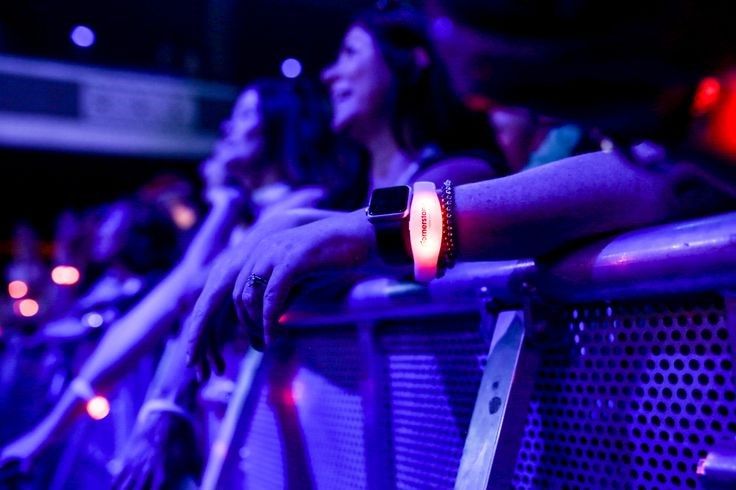
This shift is driven by a fundamental human need for agency and belonging. When an audience member is given a role to play, however small, they are no longer just a consumer of the experience. They become a co-creator. This is the principle behind the global success of Xylobands. By transforming each person into a pixel in a vast, moving canvas of light, we empower them. The LED wristbands become a tool of participation, turning passive observation into active, kinetic involvement.
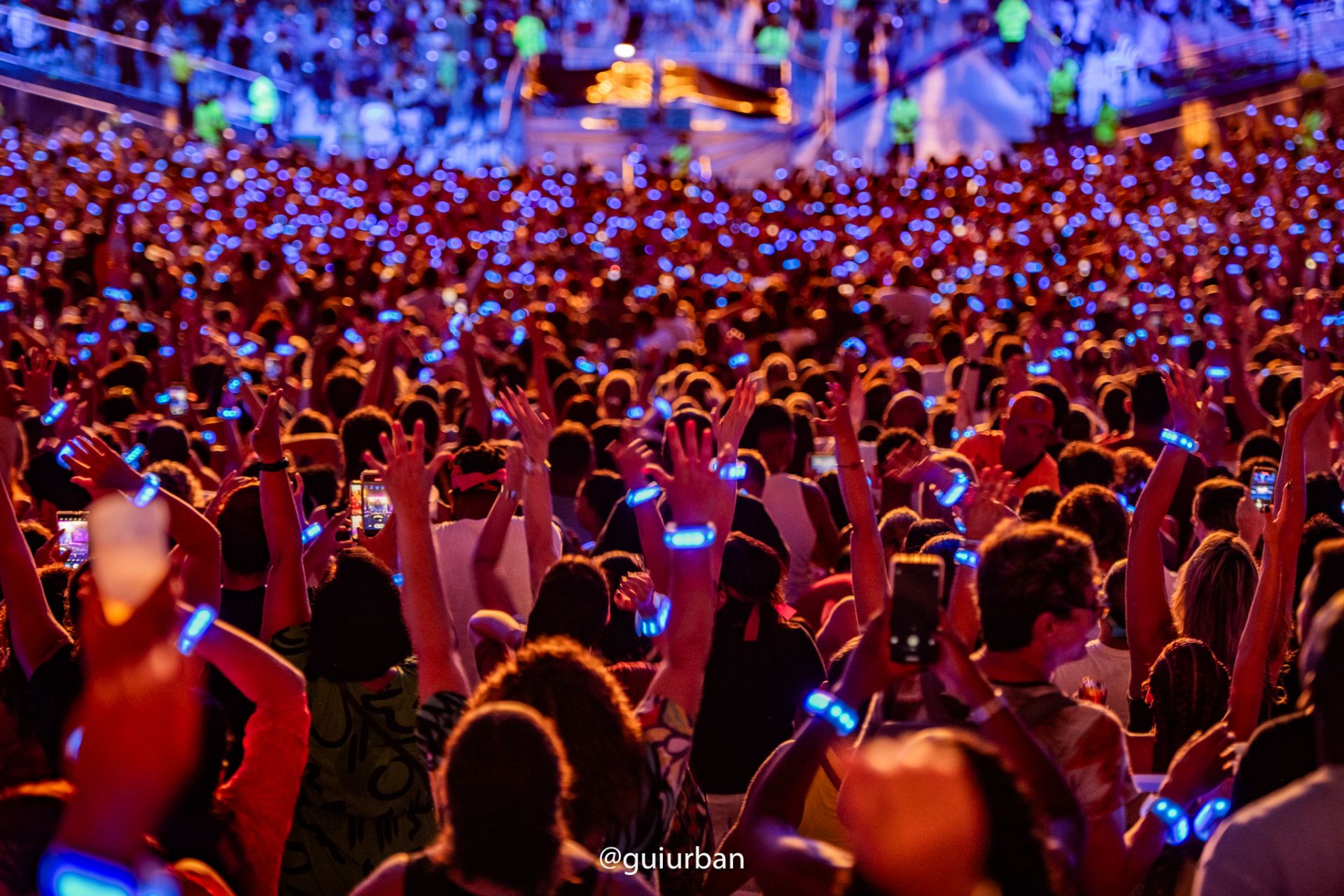
Whether it's 54,000 fans lighting up Medellín for Maluma’s homecoming concert or the crowd at the Davis Cup finals becoming a pulsating display of national colors, the effect is the same: the individual feels seen, and the group feels unified. The spectacle is no longer confined to the stage; it extends to every seat in the house, creating a truly immersive event.
The Psychology of Light and Synchronicity
Light is a powerful, primal tool. It directs our focus, influences our mood, and can even alter our perception of time. When deployed at scale and synchronized across a crowd, its psychological impact is magnified tenfold. The magic lies in synchronicity.
Neuroscience tells us that when humans engage in synchronized activities—like singing, dancing, or in this case, lighting up in unison—our brains release endorphins and we report stronger feelings of social bonding. This is the principle that underpins the success of LED crowd experiences.
- Mirroring and Unity: Seeing thousands of lights blink in perfect time with your own creates a powerful mirroring effect. It’s a visual affirmation that you are part of something larger than yourself. This sense of unity is a core component of the collective joy felt at festivals like Primer Music Festival or during iconic Coldplay Xylobands moments.
- Anticipation and Reward: The controlled release of light builds tension and release. A sudden blackout followed by an explosive chorus of synchronized color triggers a dopamine rush, the brain’s reward system. This is a technique we’ve seen used to incredible effect in corporate event activations and global broadcasts for clients like Formula One, turning brand moments into unforgettable spectacles.
- Narrative Guidance: Light tells a story. It can segment a stadium into competing teams, highlight a key moment on stage, or create waves of color that guide the emotional arc of a performance. Radio controlled LED wristbands give designers an unprecedented level of narrative control over the audience environment.
The Multi-Sensory Imperative
True immersion is a multi-sensory affair. While audio and visuals have long been the pillars of event production, the next frontier is about creating a richer, more textured experience. Wearable LED technology is at the forefront of this movement, bridging the gap between the auditory and the visual, and making the experience tactile.
When an LED wristband on your arm vibrates and flashes in time with a bass drop, the sound is no longer just something you hear; it's something you feel. This sensory linkage deepens the immersion, making the moment more memorable and emotionally resonant.
This principle extends to other forms of LED wearables, such as the LED lanyards and custom pendants used at exclusive events. Each piece of immersive event technology is a touchpoint, a physical token that connects the individual to the collective narrative. It’s an invitation to participate, to belong, and to share in a moment of collective awe.
Conclusion: The Future is a Shared Experience
The psychology of audience engagement is not about manipulation; it’s about facilitation. It’s about understanding the innate human desire for connection and creating environments where that connection can flourish. As technology evolves, our ability to craft these moments becomes more sophisticated, but the underlying principles remain the same.
From the high-energy crowds at a Wizkid concert to the focused atmosphere of a major corporate launch, the goal is to break down barriers and build a temporary tribe. By turning the audience into an instrument, a canvas, and a key part of the story, we don't just create a show. We create a shared memory. We create a feeling. And in the economy of live experiences, feeling is everything.