The Human Cartography: Mapping Crowd Dynamics for Safer Events
The Unseen Pulse of the Plaza
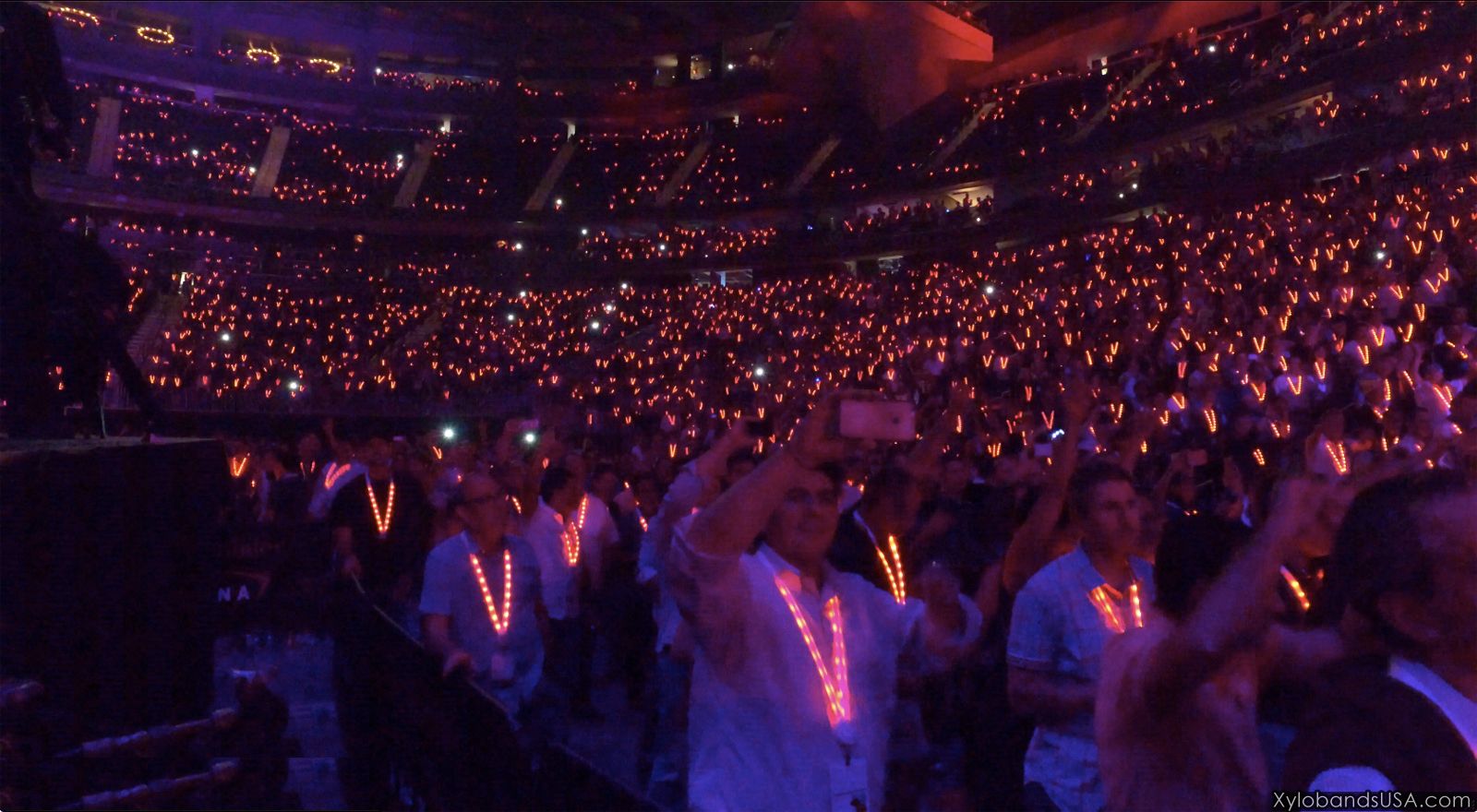
Imagine a stadium, minutes before the headliner appears. Tens of thousands of people, a sprawling city of anticipation, pulsing with a collective energy. From the stage, it’s a breathtaking sea of faces. From a security standpoint, it’s one of the most complex dynamic systems on earth. For decades, the approach to managing these human tides has been one of containment—static barricades, roving security, and watchful eyes in a distant control room. It’s a model built on reaction, a strategy of waiting for a problem to manifest.
But what if we could understand the crowd not as a potential threat to be contained, but as a living organism with its own language? What if we could listen to its subtle shifts in density, flow, and sentiment in real-time? This is the new frontier of event safety, a paradigm shift from reactive control to proactive, data-driven management. It’s a science of understanding the human cartography of mass gatherings, and at its heart lies the smart application of Immersive Event Technology.
From Static Control to Dynamic Intelligence
Traditional crowd management is inherently limited. Physical barriers can create unforeseen bottlenecks, and human observation alone cannot possibly monitor every corner of a festival ground or arena. Security and medical teams often respond to incidents—a dangerous crush, a medical emergency, a security breach—only after they have occurred and been reported. In a crowd of 50,000, like the one at Maluma’s historic Medellín concert, a few minutes’ delay can be the difference between a near-miss and a catastrophe.
Crowd analytics offers a more intelligent path forward. By layering various data sources—ticketing scans, anonymized Wi-Fi data, and sophisticated sensor networks—event producers can build a dynamic, real-time map of the audience. This isn’t about monitoring individuals; it’s about understanding the aggregate. It’s about seeing the event space as a fluid environment, identifying areas of concerning density, predicting traffic flow, and spotting anomalies before they escalate into emergencies.
The Wearable Layer: A Richer Source of Insight
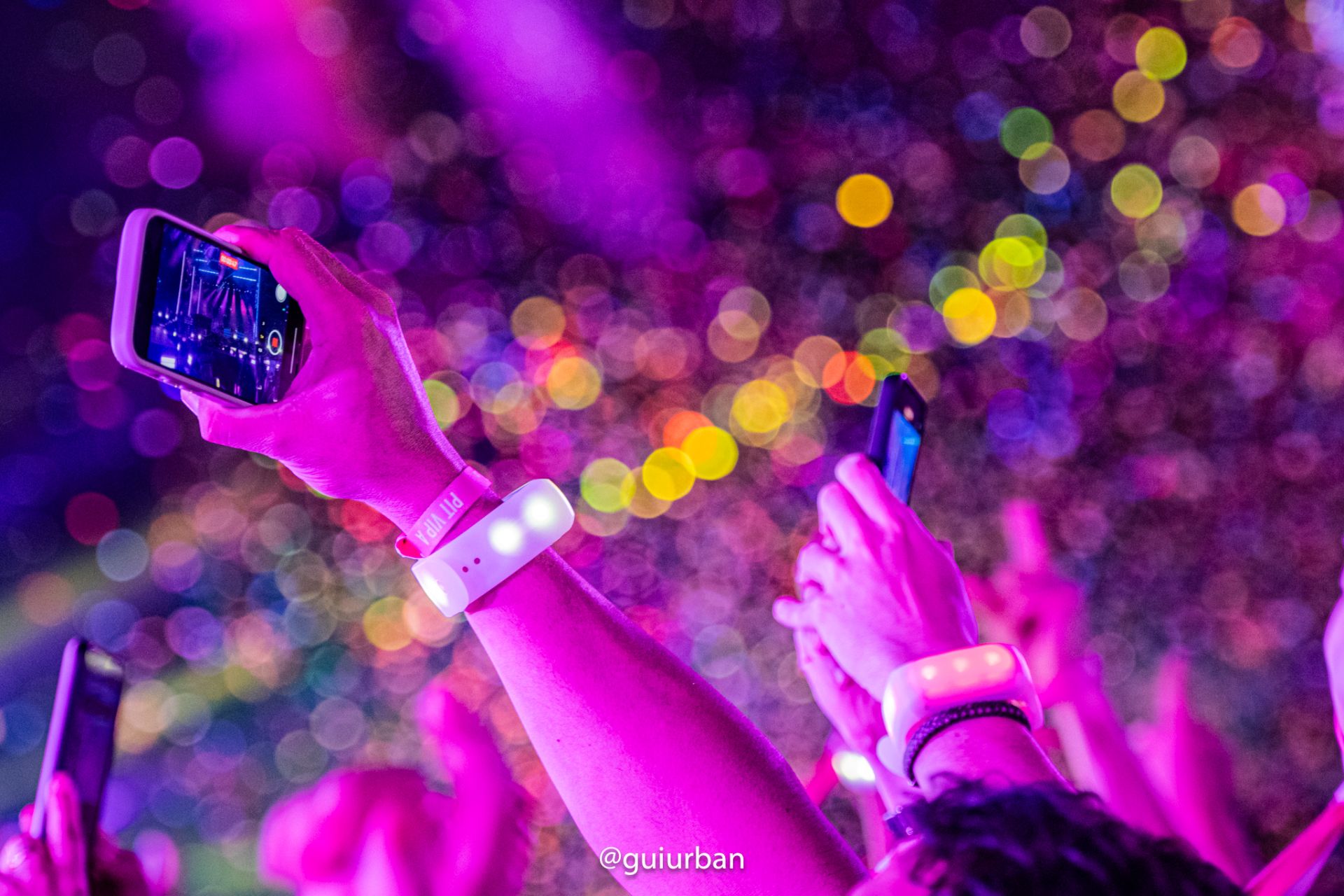
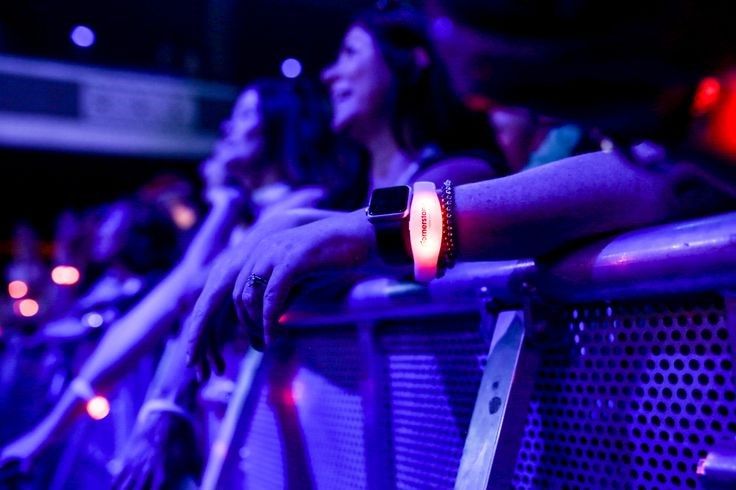
This is where Wearable LED Technology transforms from a spectacular show element into a powerful logistical tool. The same Radio Controlled LED Wristbands that turn an audience into a canvas of light are also nodes in a sophisticated RF network. Every pulse of light, every color change, is a data point. At Xylobands, our system is built on a zonal transmission architecture. This means we can not only send signals to the wristbands but also, in a sense, listen to them.
By monitoring the signal strength and response data from different zones across a venue, operators can gain an incredibly accurate, real-time understanding of crowd distribution. Are people congregating dangerously near a specific stage or exit? Is a VIP area becoming unexpectedly overcrowded? This data provides an immediate, ground-truth layer of intelligence that is far more granular than traditional methods. These LED Bands and LED Lanyards, initially designed for creating breathtaking LED Crowd Experiences, become unseen sentinels, feeding crucial information back to the central command.
From Data to Action: Engineering Safer Spaces
Gathering data is only half the battle. The true innovation lies in turning that data into actionable, life-saving intelligence. The applications are as powerful as they are practical:
- Pre-emptive Alerts: An automated system can flag when crowd density in a specific quadrant exceeds a pre-determined safety threshold, dispatching stewards to the area to encourage dispersal long before a dangerous crush develops.
- Intelligent Egress: During egress—one of the highest-risk phases of any event—understanding real-time flow allows for dynamic signage to redirect crowds away from congested exits and toward under-utilized ones, ensuring a smoother, safer dispersal.
- Emergency Response: In the event of a medical emergency, the system can be used to instantly illuminate the exact section where help is needed, creating a clear beacon for first responders. In a larger evacuation scenario, pathways of light can be created using the wristbands themselves, guiding people to safety in what might otherwise be a dark and confusing environment.
This technology is scalable to any environment, from packed arenas for sporting events like the Davis Cup to sprawling outdoor music gatherings like PRIMER Festival. It’s a system designed to handle the immense logistical challenges of global productions, such as equipping 13,000 fans with custom pendants at the Formula One 75th anniversary, where managing crowd flow was just as critical as the on-track action.
The Sentient Environment: The Future of Live Events
The goal is to create a sentient event space—an environment that is aware of the people within it and can adapt to ensure their safety and enhance their experience. The light show that mesmerizes the audience is simultaneously part of an invisible network that protects them. It’s a seamless integration of art and science, spectacle and safety.
As we continue to push the boundaries of LED Event Technology, we move further away from the blunt instruments of crowd control and closer to a nuanced understanding of crowd science. The future of mass gatherings is not just about creating more immersive and memorable moments. It’s about building smarter, safer, and more responsive environments for everyone. The audience is no longer just a collection of spectators; with the right technology, they are participants in a system that is intelligently and dynamically working to keep them safe.