The Human Element: Mastering the On-Site Rollout of Immersive Event Technology
The Stillness Before the Storm
Hours before the first fan arrives, an arena is a study in potential energy. The air is still, the seats are empty, but the space hums with a quiet, electric anticipation. This is the calm before the crescendo, the silent stage where the technical and human artistry of a modern live production truly begins. For event producers and tour managers, this is the most critical phase: the on-site technical rollout. It’s a process of turning intricate plans into tangible magic, a disciplined ballet of logistics and technology that lays the groundwork for a truly immersive event.
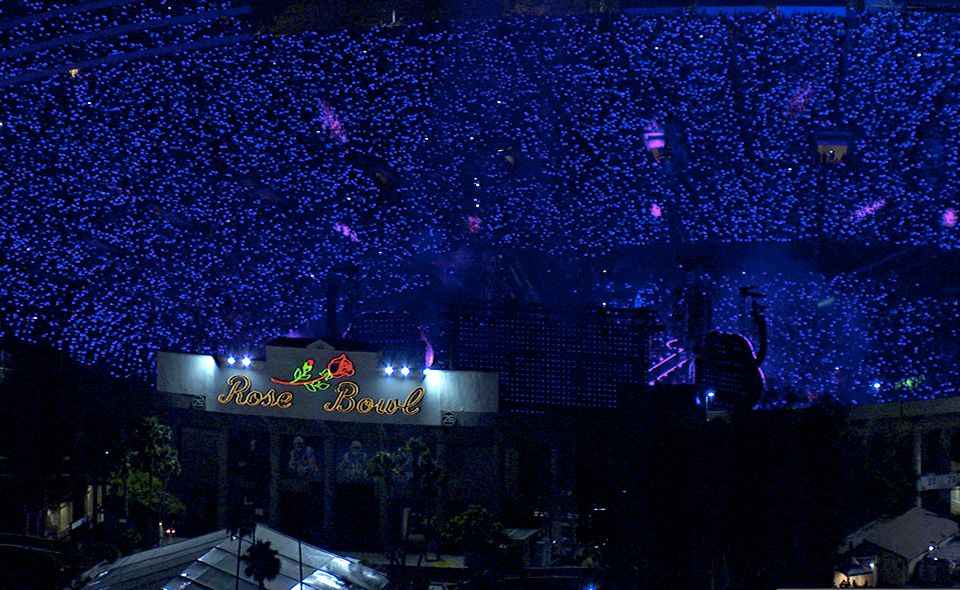
The audience experiences the result—a sudden, synchronized explosion of light across 50,000 wrists—as a single, spontaneous moment. But that moment is the culmination of days of meticulous preparation, a process we have refined over a decade of powering shows for artists like Coldplay, Wizkid, and Maluma. It’s a craft that combines robust hardware with an even more robust human network.
The Blueprint Becomes Reality: System Setup and Signal Integrity
The journey from a warehouse to a full-stadium spectacle begins with the arrival of neatly stacked flight cases. But the contents aren’t just LED Bands; they are a complete ecosystem. The first order of business for our technical teams is establishing the control hub. This involves strategically placing our proprietary radio frequency (RF) transmitters and configuring the control software. It’s a task that requires a deep understanding of the venue’s unique architecture and the physics of RF propagation.
Every venue—from an open-air festival field like Greece's PRIMER Music Festival to a dense steel-and-concrete arena like London's The O2—presents a unique set of challenges. Our technicians conduct a thorough site survey, identifying optimal placement for antennas to ensure flawless signal coverage across every seat, corridor, and hospitality suite. In today's signal-saturated event environments, managing the RF spectrum is a critical discipline. We are not just broadcasting; we are carving out a dedicated, reliable channel for our Radio Controlled LED Wristbands, ensuring our commands cut through the noise without interference.
The Human Network: Strategic Deployment and Distribution
With the technical backbone in place, the focus shifts to the most critical component: the human element. The process of deploying tens of thousands of individual LED Bracelets or LED Lanyards is far more than simple distribution; it's a choreographed execution of a creative lighting plot.
A lighting designer might want to create a pulsing-ring effect from the center of the arena outwards, or have specific blocks of seats flash in team colors during a sporting event like the Davis Cup. These nuanced, location-specific effects are only possible if the correct wristbands are in the correct seats. This is where our specialist “Distro Team” comes in. As we demonstrated at the Formula One 75th-anniversary show, this team is responsible for the physical placement of each device. For that event, we deployed custom Xylo Pendants, and our team meticulously positioned them around the arena based on a detailed map, ensuring that when a cue was fired for a specific Formula 1 team's branding, the correct hospitality sections lit up perfectly.
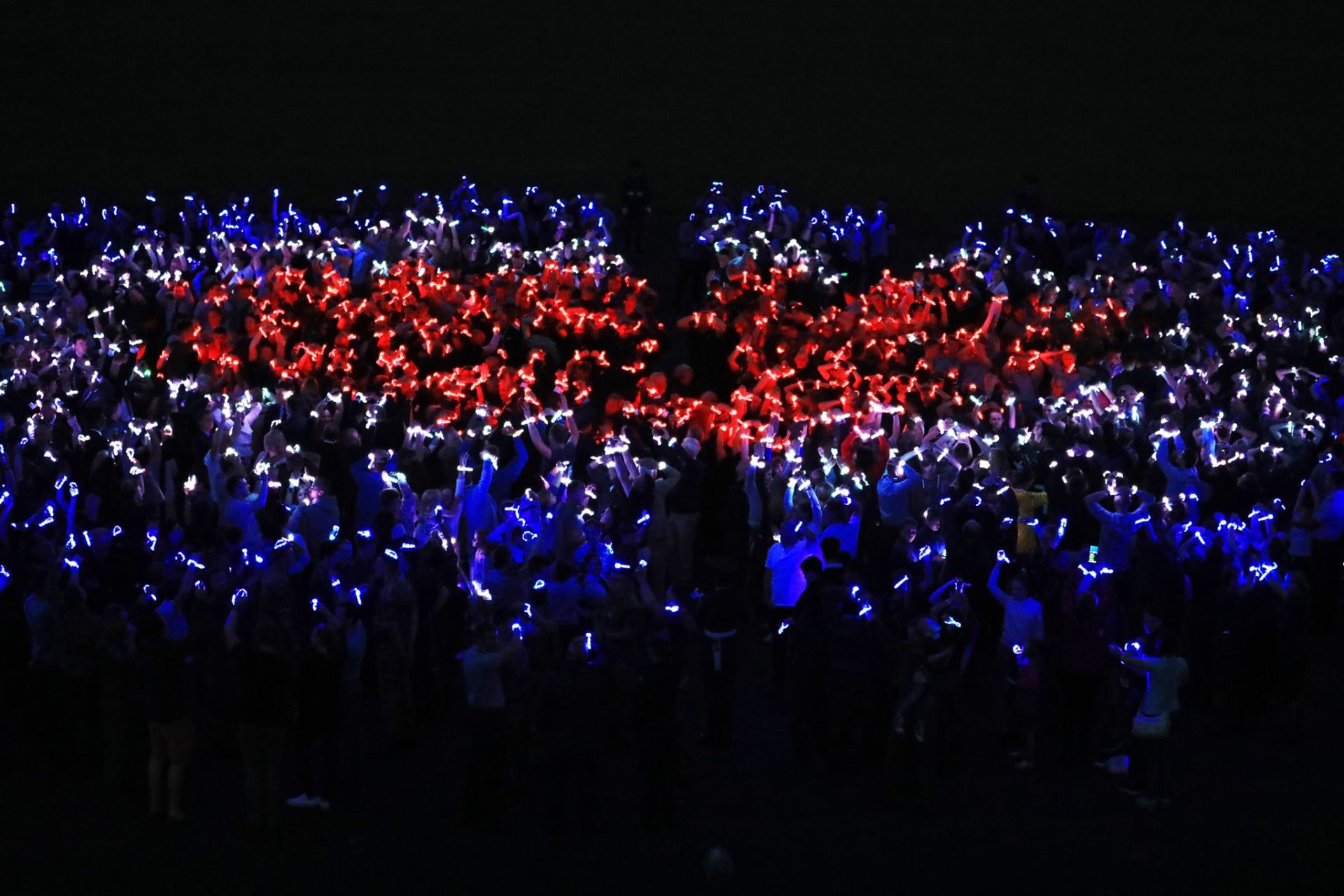
This strategic placement turns the crowd itself into a high-definition video screen. It’s the engine that powers sophisticated LED Crowd Experiences, transforming a passive audience into an active participant in the spectacle. It’s a labor-intensive, detail-obsessed process that is utterly essential for a flawless execution.
From First Cue to Full Power: The Ritual of Testing
Once the system is live and the wearables are deployed, a rigorous testing protocol begins. This is not a simple on/off check. Our technicians run through a comprehensive battery of tests, firing cues to specific zones, testing color accuracy, and measuring response times. They walk the entire venue, from the front row to the highest seats in the back, ensuring every single section responds perfectly to the commands from the control desk.
It’s a methodical process of seeking out and eliminating potential dead spots or signal reflections, ensuring that the Immersive Event Technology delivers a seamless and consistent experience for every single attendee.
This is also the moment of collaboration with the show’s central creative team. Our on-site crew integrates with the production’s lighting and show control departments, mapping our system to their master console. They become a trusted extension of the house team, providing the tools to paint with light on a vast human canvas. This phase solidifies the trust required for high-stakes live events, from world tours to Corporate Event Activations where brand reputation is on the line.
The Invisible Foundation of Spectacle
When the house lights finally go down and the first cue triggers a wave of light that washes over the audience, the work of the rollout team is done. Their success is measured by their invisibility. The technology simply works, connecting the crowd to the artist and to each other in a shared, luminous moment.
From the initial inspiration at Glastonbury that led to the first Coldplay Xylobands, our mission has been to deepen that connection. But fulfilling that mission on a global scale, night after night, relies on this unseen ballet of technical precision and human expertise. The true art of the rollout is a testament to the fact that in the world of massive live spectacles, the most powerful moments are built on a foundation of meticulous, human-led preparation.