The Last Impression: A Blueprint for the Unforgettable Encore
The Encore Paradox: More Than Just Another Song
For decades, the encore has been a staple of live performance. What began as a spontaneous demand for more from an impassioned audience has evolved into a meticulously planned, yet often predictable, part of the show’s architecture. The lights dim, the artist exits, the crowd cheers, the artist returns. It’s a ritual so ingrained in concert culture that its creative potential is frequently overlooked. The encore is not merely an extension of the setlist; it’s the final word, the last emotional imprint left on the audience. It’s the difference between a great show and an unforgettable one.
Designing an encore is a unique craft, balancing the raw energy of a live finale with the precision of a strategic creative decision. It should feel both earned and surprising, a shared moment of catharsis that elevates the entire experience. This is the last memory you will create with your audience—it demands its own design philosophy.
The Architecture of the Final Moment
A truly powerful encore is built on a foundation of narrative and emotional structure. It’s a mini-story in three acts: the exit, the anticipation, and the climax. Too often, the focus is solely on the songs themselves, but the interstitial moments are where the magic is seeded.
Act I: The Strategic Exit
The main set finale should leave the audience at a peak, but with a sense of unfinished business. It should feel like a conclusion, but not the conclusion. This calculated departure creates a vacuum, a space for collective energy to build. The silence and darkness that follow are not dead air; they are the canvas upon which the final act will be painted. The audience’s roar becomes the soundtrack, a testament to the connection forged over the preceding hours.
Act II: The Tension of Anticipation
This is the most potent, and often shortest, act. The shared uncertainty—"Will they come back? What will they play?"—unifies the crowd. The energy in the room is palpable, a mix of hope and demand. This moment is a powerful tool for any artist or producer. It’s a space where technology can be used to subtly build tension. A low, pulsing light, a faint ambient soundscape, or even complete sensory deprivation can heighten the experience, making the return feel like a release.
Act III: The Climax and Release
The return to the stage must be impactful. It’s a payoff for the audience’s emotional investment. Whether it’s an acoustic ballad or a high-energy anthem, the encore’s song choices are critical. But the true masterstroke is in how the performance is augmented. How can this moment be visually and sensorially distinct from the rest of the show?
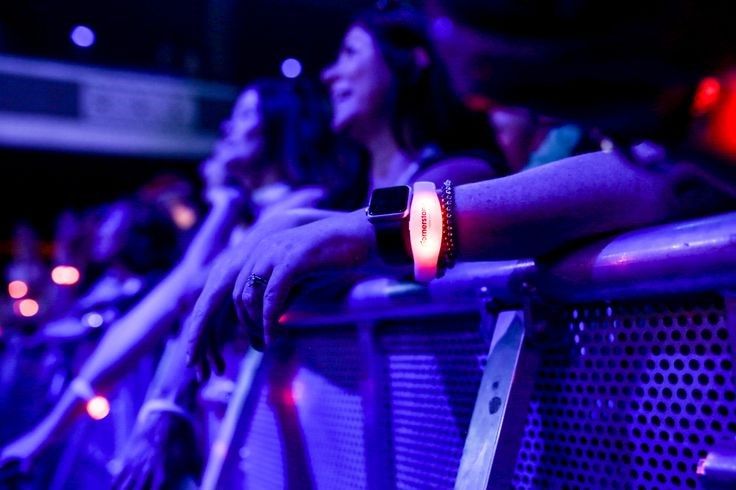
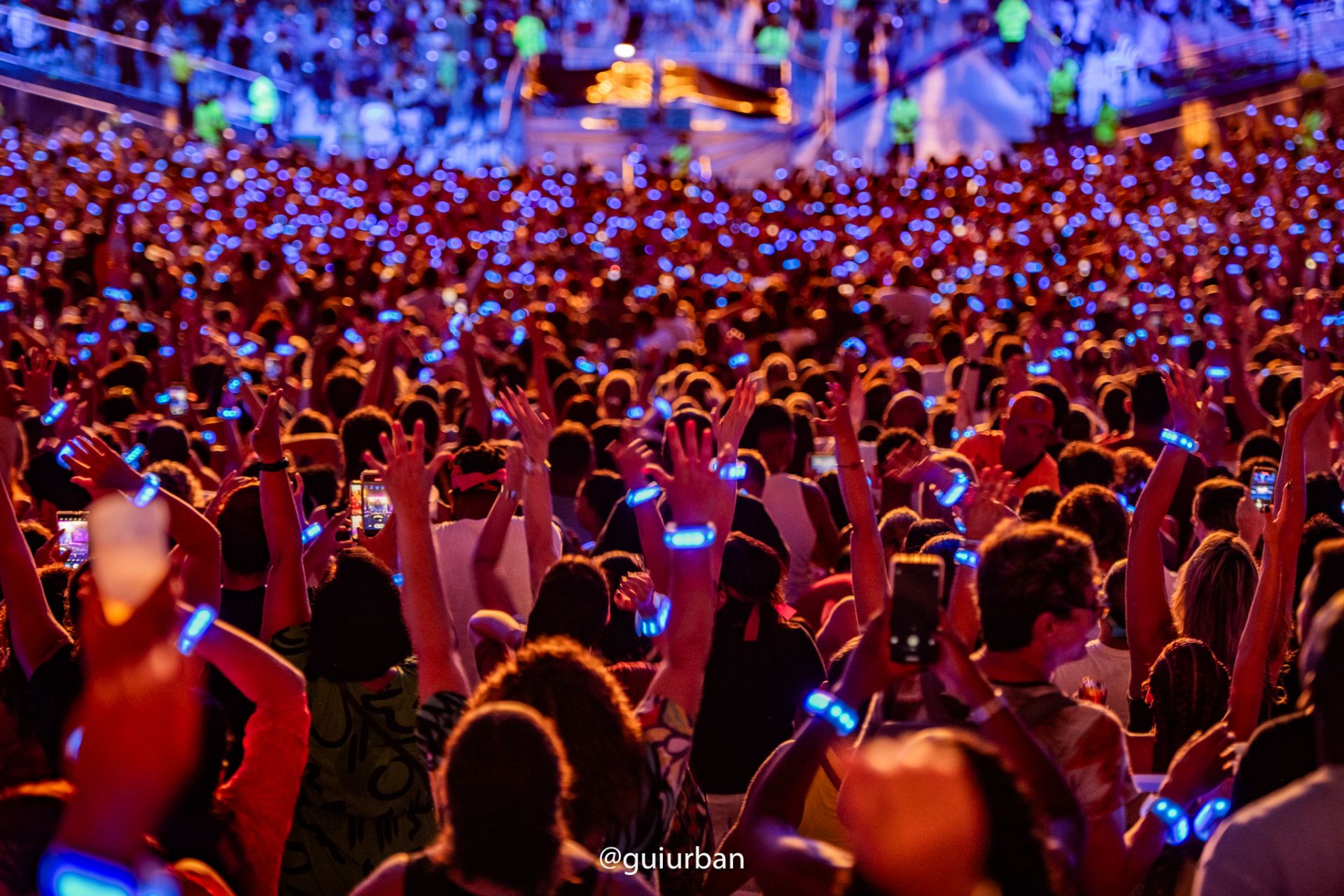
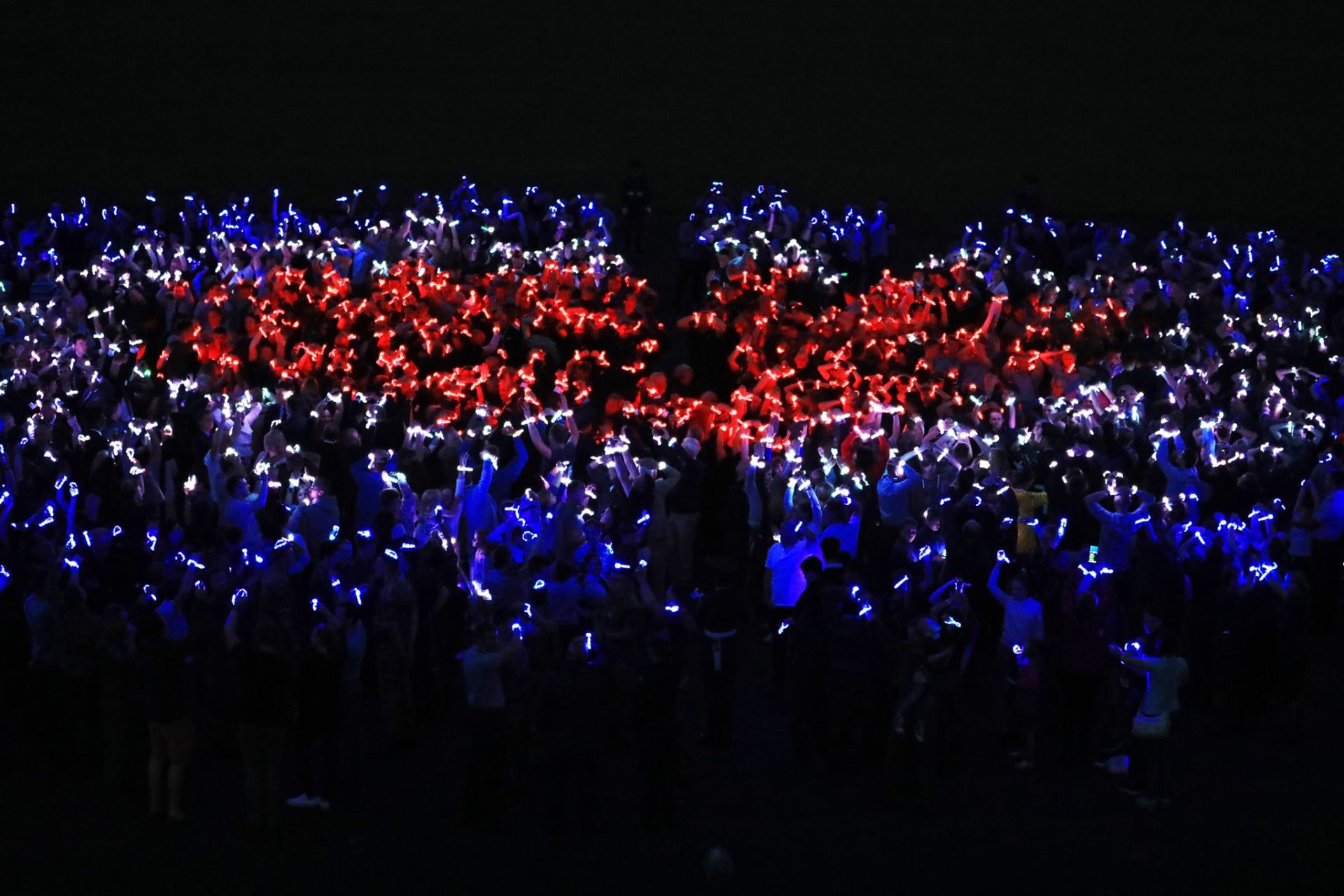
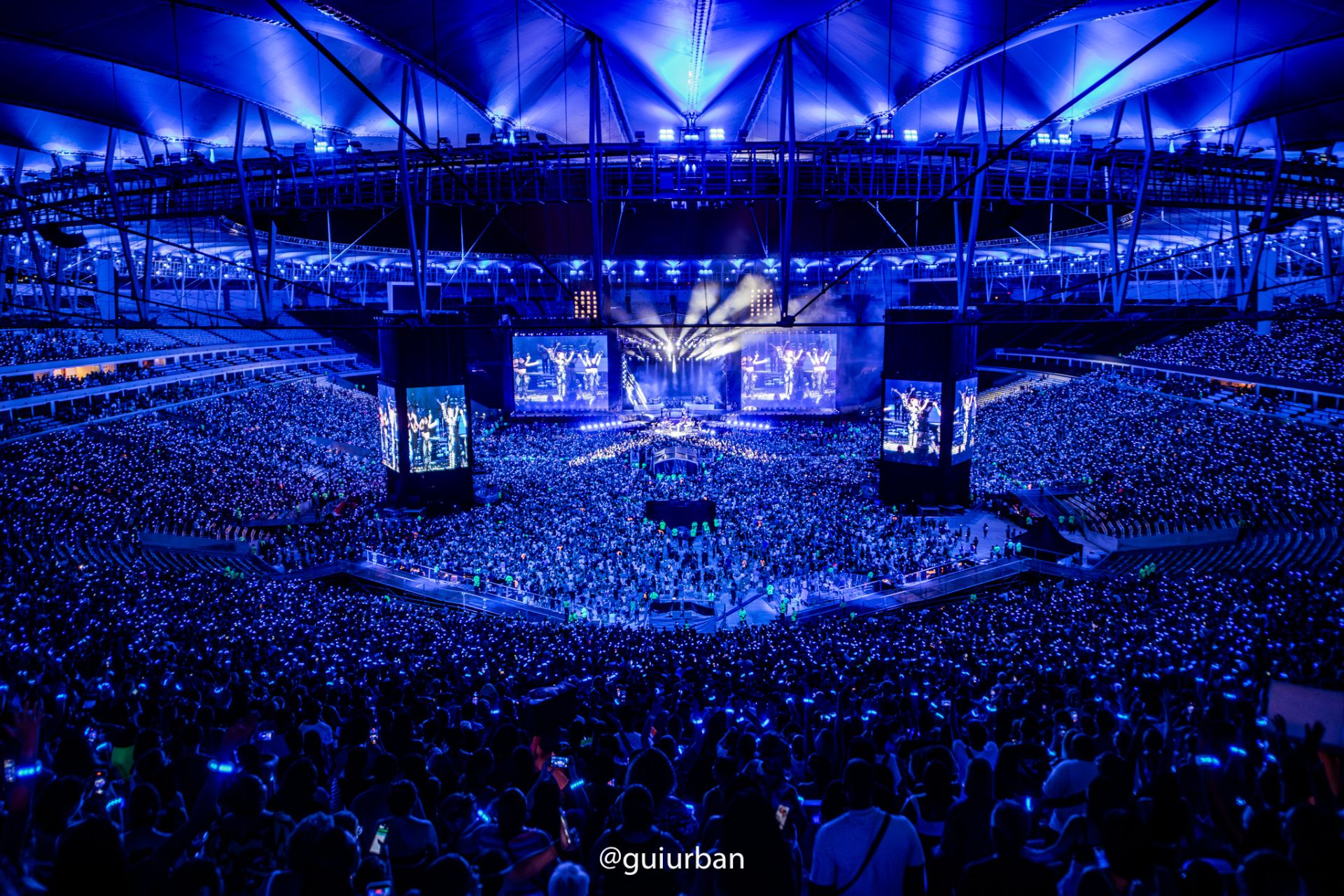
This is where immersive event technology transforms the encore from a musical performance into a collective spectacle. Imagine an entire stadium plunged into darkness, only to erupt in a unified, strobing pulse of light, emanating from the crowd itself. This is the power of turning the audience into the lighting rig. LED wristbands, like the Xylobands that first lit up Coldplay’s Mylo Xyloto tour, allow designers to program the crowd as a single visual entity. The final chord of a rock anthem can trigger a flash of red across 50,000 wrists; a quiet ballad can be accompanied by a gentle, synchronized fade across a sea of people.
Painting with the Crowd: Technology as an Emotional Tool
The encore is the perfect moment to deploy your most impactful technological flourish. By holding back a specific visual effect until the very end, you create a powerful sense of surprise and elevate the final memory. It’s not about technology for its own sake, but about using it to amplify the core emotion of the performance.
Consider the historic three-night, sold-out run by Wizkid at London’s O2 Arena. In those final moments, the energy wasn’t just coming from the stage; it was reflected and magnified by tens of thousands of synchronized LED bracelets. This creates a feedback loop: the artist feels the crowd’s energy, which is visually represented by the light, and the crowd feels a deeper connection to the artist and to each other. They are no longer passive observers but active participants in the show’s climax.
This same principle applies across genres and scales, from massive music festivals like Primer in Greece to high-production corporate events. The goal is to create a singular, shared experience that feels unique to that night. Wearable LED technology offers a versatile palette. You can create sweeping color gradients across a venue, isolate specific sections for a call-and-response effect, or sync light pulses to the most subtle rhythmic details of a song. These are the tools that allow a show designer to make the final act a true masterclass in immersive design.
The Lasting Impression: Beyond the Final Note
The show doesn’t end when the music stops. It ends when the audience walks out the door. The feeling they carry with them is the ultimate measure of success. Did they simply hear a concert, or were they part of an experience? A well-designed encore, one that leverages narrative, suspense, and immersive technology, ensures the latter.
It transforms the audience from spectators into a living, breathing part of the spectacle. It’s the final, powerful statement that turns a fleeting event into a lasting memory. In the craft of live experiences, the last impression is everything. The encore is your chance to make it unforgettable.