The Perpetual Prototype: A Philosophy for R&D in Live Events
The Illusion of Effortless Spectacle
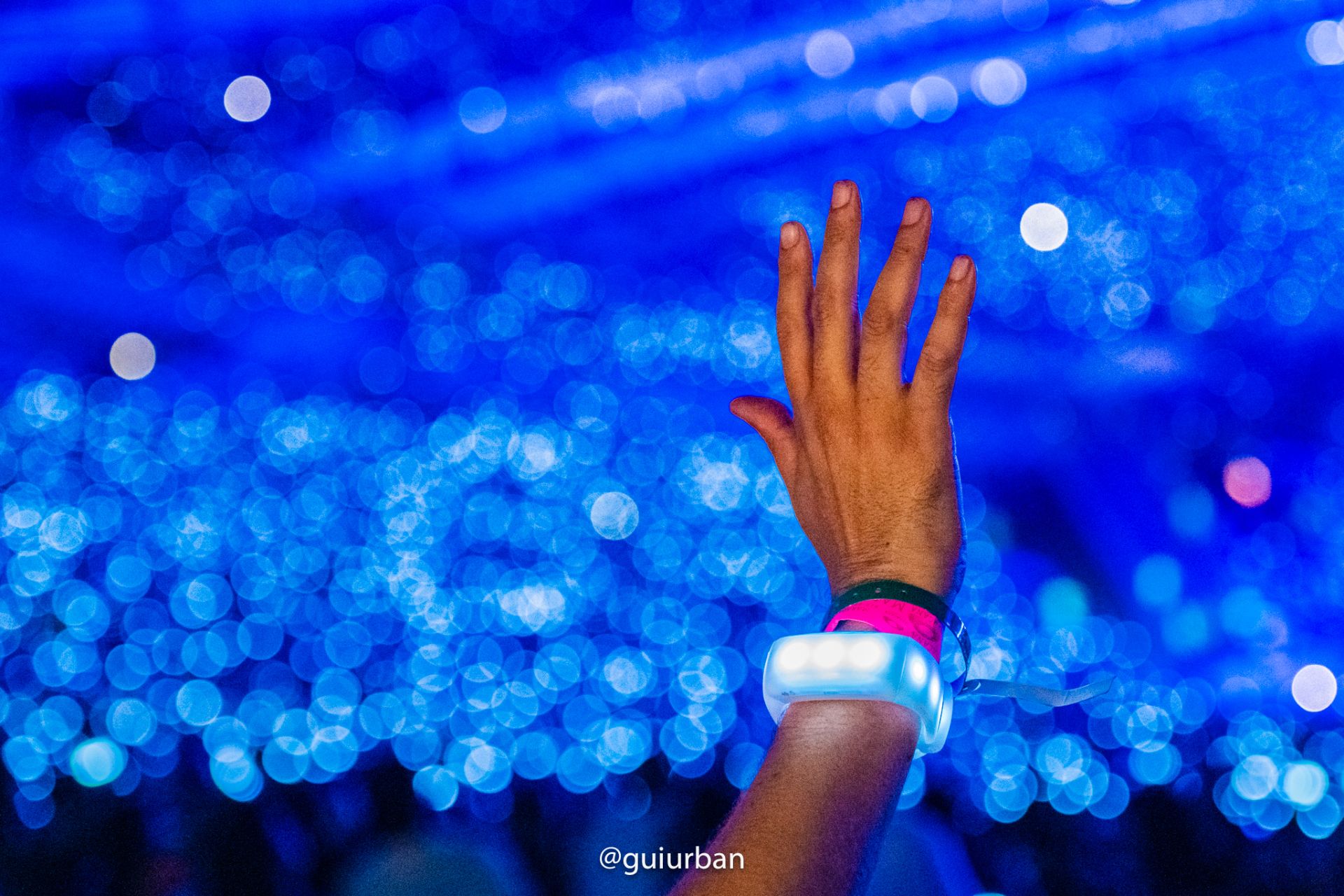
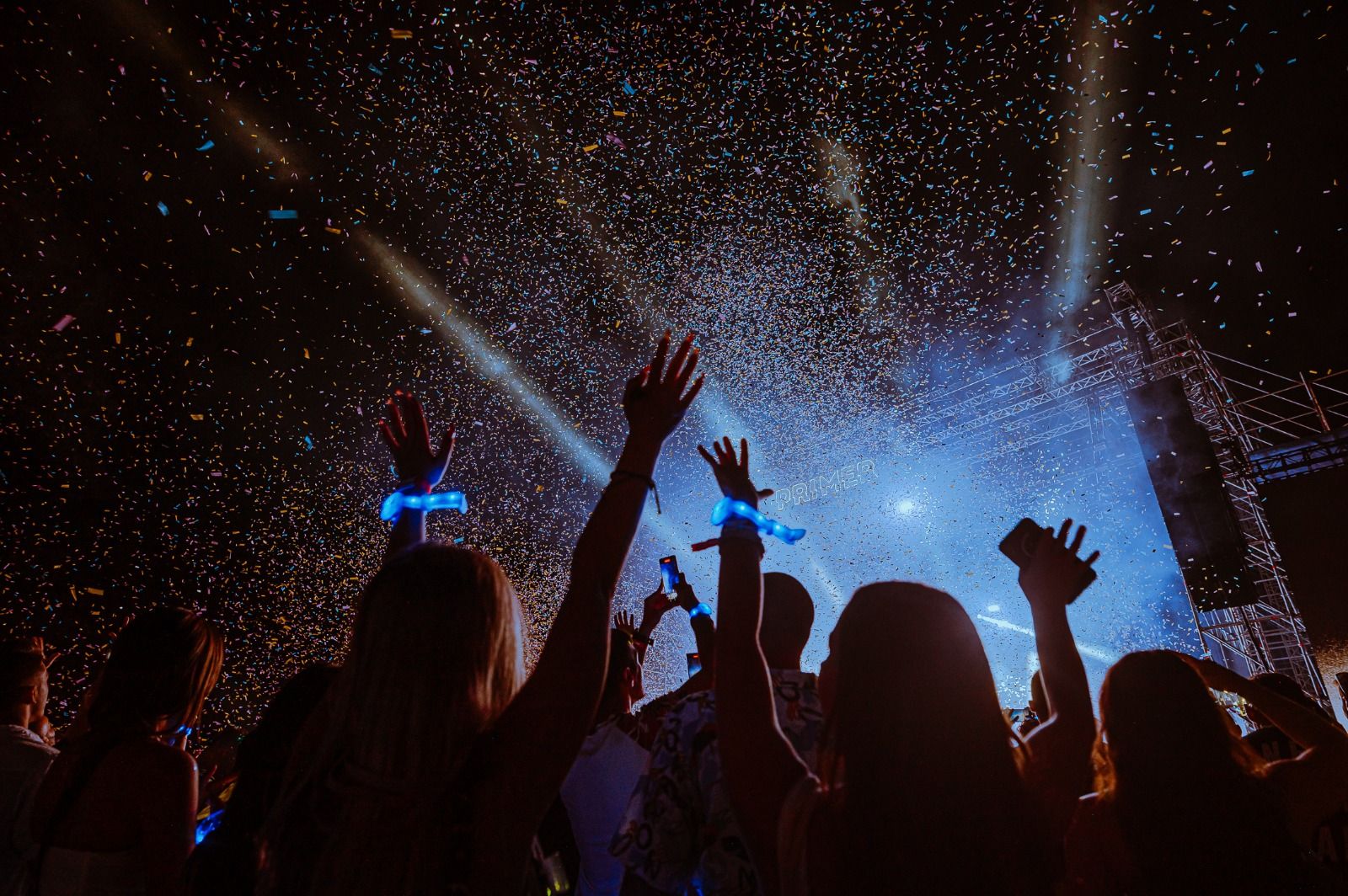
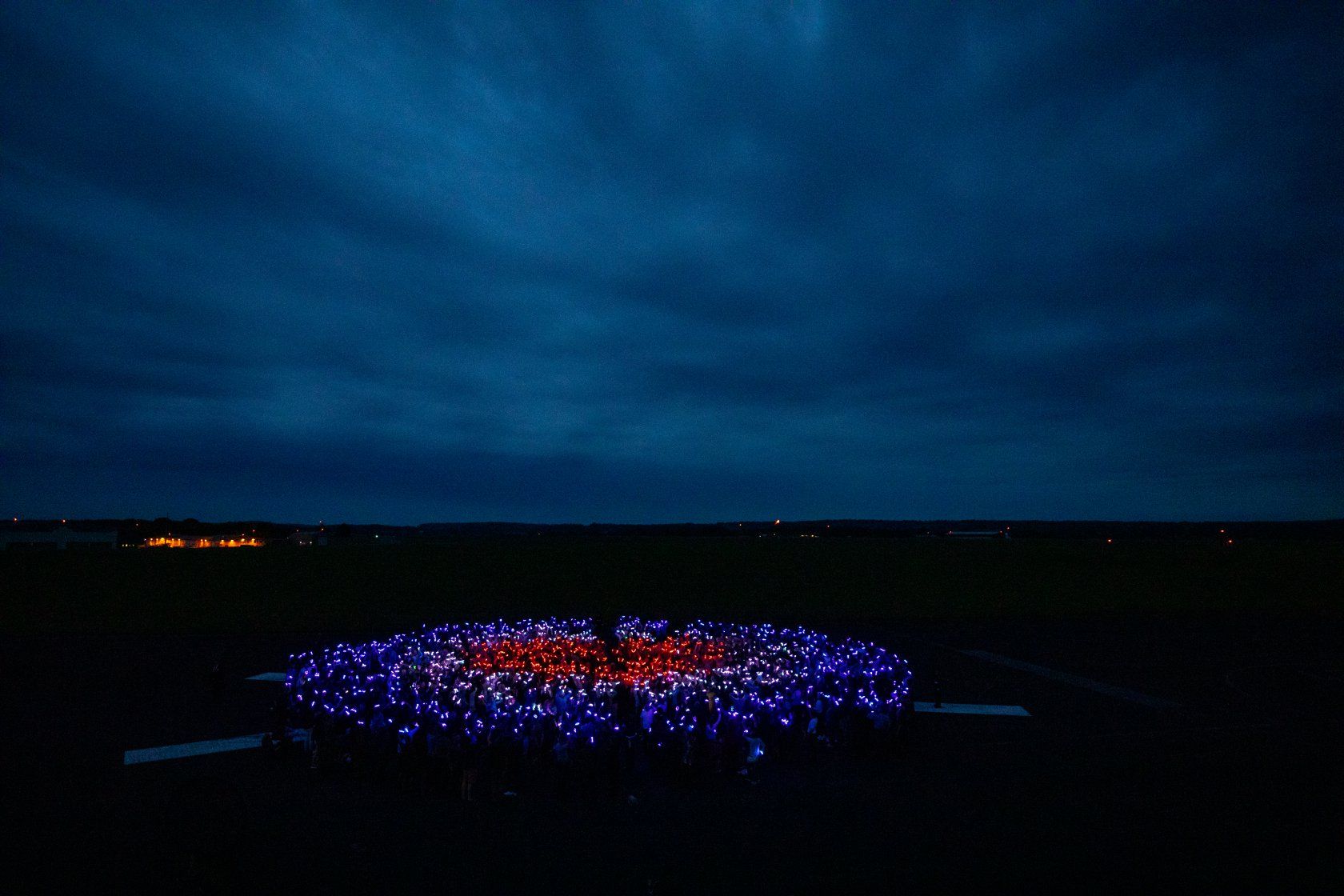
Picture it: a stadium of 50,000 people, plunged into darkness. A single guitar chord rings out, and in the same instant, 50,000 wrists illuminate, pulsing in perfect unison. A wave of colour cascades from the top tier to the floor, painting the entire arena in light. For the fan, the moment is pure magic—a visceral feeling of connection, of being part of something larger than oneself. It feels spontaneous, effortless, almost inevitable.
It is, of course, anything but. The architecture of these moments is not magic, but engineering. It’s the product of a relentless, and often unseen, culture of research and development. It’s a philosophy that treats every successful product not as a finish line, but as a new prototype—a perpetual starting point for what comes next. While the initial spark for Xylobands came from a legendary moment at Glastonbury Festival, a sustainable global technology brand cannot be built on a single flash of inspiration. It must be built on an engine of inquiry, a disciplined process for turning “what if” into “what is.”
Beyond the Eureka Moment
The origin story is well known. Our founder, Jason Regler, envisioned a crowd lit from within while watching Coldplay perform at Glastonbury. That idea, which led to the iconic Coldplay Xylo Band effect on the Mylo Xyloto tour, was a revolution in live production. It reframed the audience from passive spectators into an active, luminous canvas, creating some of the most memorable LED crowd experiences in modern music history.
But what happens after the ‘eureka’ moment? A single brilliant idea doesn’t automatically generate the infrastructure needed to deploy millions of units across 70 countries. It doesn’t solve for the unique radio-frequency challenges of a concrete stadium versus an open-air festival, or the specific lighting needs of a television broadcast versus an arena tour. Sustaining innovation requires a different mindset: a transition from a singular concept to a continuous pipeline of creativity and technical refinement. It requires building a culture where the question is never “Is the product finished?” but rather, “How can it be better? Where can it go next?”
The Three Pipelines of Innovation
At Xylobands, our R&D process flows through three parallel pipelines, each feeding the others. This structure allows us to strengthen our core offerings while simultaneously exploring the frontiers of immersive event technology.
1. Iteration on the Core
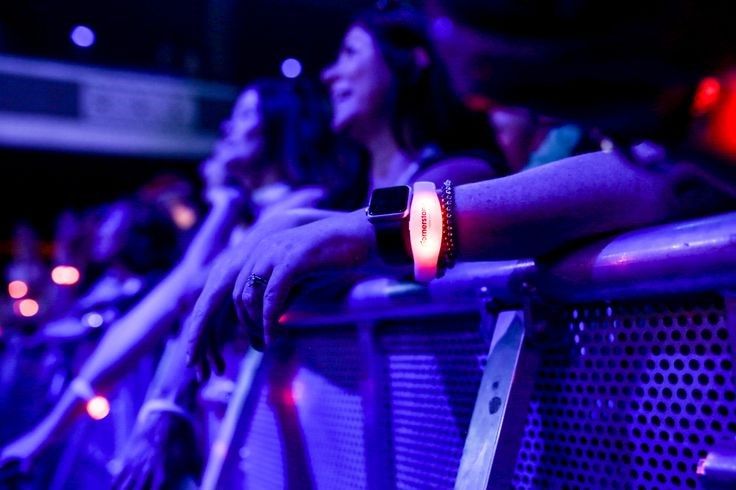
The first pipeline is dedicated to the constant refinement of our foundational technology. The LED wristbands that illuminated Wizkid’s historic, sold-out run at The O2 are generations removed from the first models. Our teams work tirelessly to improve every aspect: battery efficiency, LED brightness and colour fidelity, casing durability, and the reliability of our proprietary remote-control systems. This is the painstaking, incremental work that ensures our radio controlled LED wristbands remain the industry standard for performance and reliability. It involves sourcing better components, refining firmware, and pressure-testing designs to withstand the rigors of global logistics and the energy of a live audience, whether for a single corporate event or a multi-year world tour. This is where products like the Xylo Lux and Xyloband Lite were born—not from a new idea, but from the drive to perfect an existing one.
2. Adaptation for New Canvases
The second pipeline is about adapting our core technology for new applications and environments. The world of live events is not one-size-fits-all. A technology designed for a dark stadium must be re-engineered to have impact in a daylight fan zone or a brightly lit television studio for clients like ITV or The Masked Singer. This pipeline answers the demands of creative partners who come to us with unique challenges.
For example, when Formula 1 needed to celebrate its 75th anniversary, the brief required more than just a wristband. The solution was the Xylo Pendant, a custom-designed wearable LED technology that could be branded for each F1 team and hospitality tier. The deployment of 13,000 pendants at The O2 Arena wasn’t just a matter of manufacturing; it was a complex logistical and creative exercise in adapting our system to serve a different narrative and physical form factor. Whether creating custom LED wristbands for a brand marketer, LED lanyards for corporate event activations, or integrating with broadcast lighting for a global television event, this pipeline is where our technology learns a new language.
3. Speculation on the Future
The third and most abstract pipeline is pure R&D. This is where our team has permission to explore concepts without an immediate client or application. What else can be a pixel? Can we create larger, dispersed elements like LED orbs? How can LED wearables integrate with data to create safer, more personalized experiences? This is the speculative frontier, the home of the true perpetual prototype.
Many concepts built in this pipeline may never become a commercial product. But the process of exploration is invaluable. It builds institutional knowledge, sharpens the skills of our design and engineering teams, and often produces technological breakthroughs that can be folded back into our core products. It’s our commitment to investing in the ‘what if’, ensuring we are not just reacting to the needs of the industry, but actively shaping its future.
A Culture of Inquiry
Underpinning these pipelines is a simple, powerful culture. It’s a culture that champions technical curiosity and destigmatizes "failure," reframing it as essential data acquisition. Every prototype that doesn’t work, every frequency test that fails, every material that doesn’t hold up provides a crucial piece of information that makes the final product stronger.
This relentless process of invention, iteration, and adaptation is the unseen engine powering the spectacle. It’s the quiet, disciplined work that happens months and years before the house lights go down. The goal of all this effort is to create a tool so reliable, so powerful, and so versatile that it disappears, allowing the artist, the producer, and the audience to share a single, unforgettable moment of connection. The ultimate achievement for any piece of LED event technology is for the audience to forget it’s technology at all, and to simply experience the light.