The Sensory Bridge: A New Standard for Inclusive Event Design
The Unseen Barrier to Entry
For decades, the conversation around accessibility in live events has rightly focused on the physical: ramps, accessible seating, and clear pathways. These are the essential foundations of entry, the non-negotiables. But what happens after the ticket is scanned? What about the experience itself? True inclusivity demands we look beyond physical access and consider the sensory experience—the light, the sound, the very atmosphere that defines a live performance.
For a significant portion of the population, the sensory intensity of a concert, festival, or corporate event can be an overwhelming barrier. The very elements designed to create excitement—pyrotechnics, strobing lights, and overwhelming sound pressure levels—can be profoundly alienating for individuals with sensory sensitivities, including those on the autism spectrum, or those with PTSD or anxiety. The challenge for event producers is no longer just about getting people into the venue; it’s about designing an environment where everyone can fully participate without distress.
From Accommodation to Universal Design
The traditional model of accessibility is one of accommodation—providing special zones or alternative options. While well-intentioned, this can inadvertently create a separate, unequal experience. The future lies in universal design, a principle that calls for creating environments that are inherently accessible to all people, without the need for adaptation or specialized design.
In the context of live events, this means re-examining our tools of engagement. How can we create stunning visual and auditory moments that are awe-inspiring without being overwhelming? How do we build sensory bridges that allow every member of the audience to connect with the performance on their own terms?
This is where immersive event technology comes into play, not as a mere spectacle, but as a tool for radical inclusion. Technologies like radio-controlled LED wristbands offer a nuanced and controllable layer of sensory information, transforming the crowd from a passive observer into an active, illuminated part of the show’s fabric.
Light as a Language of Inclusion
Imagine a music festival, not defined by jarring, high-frequency strobes, but by slow, sweeping pulses of color that wash across the audience. Think of a corporate event where networking zones are designated not by intrusive signage, but by subtle, color-coded glows from LED Lanyards, indicating different professional interests or social comfort levels.
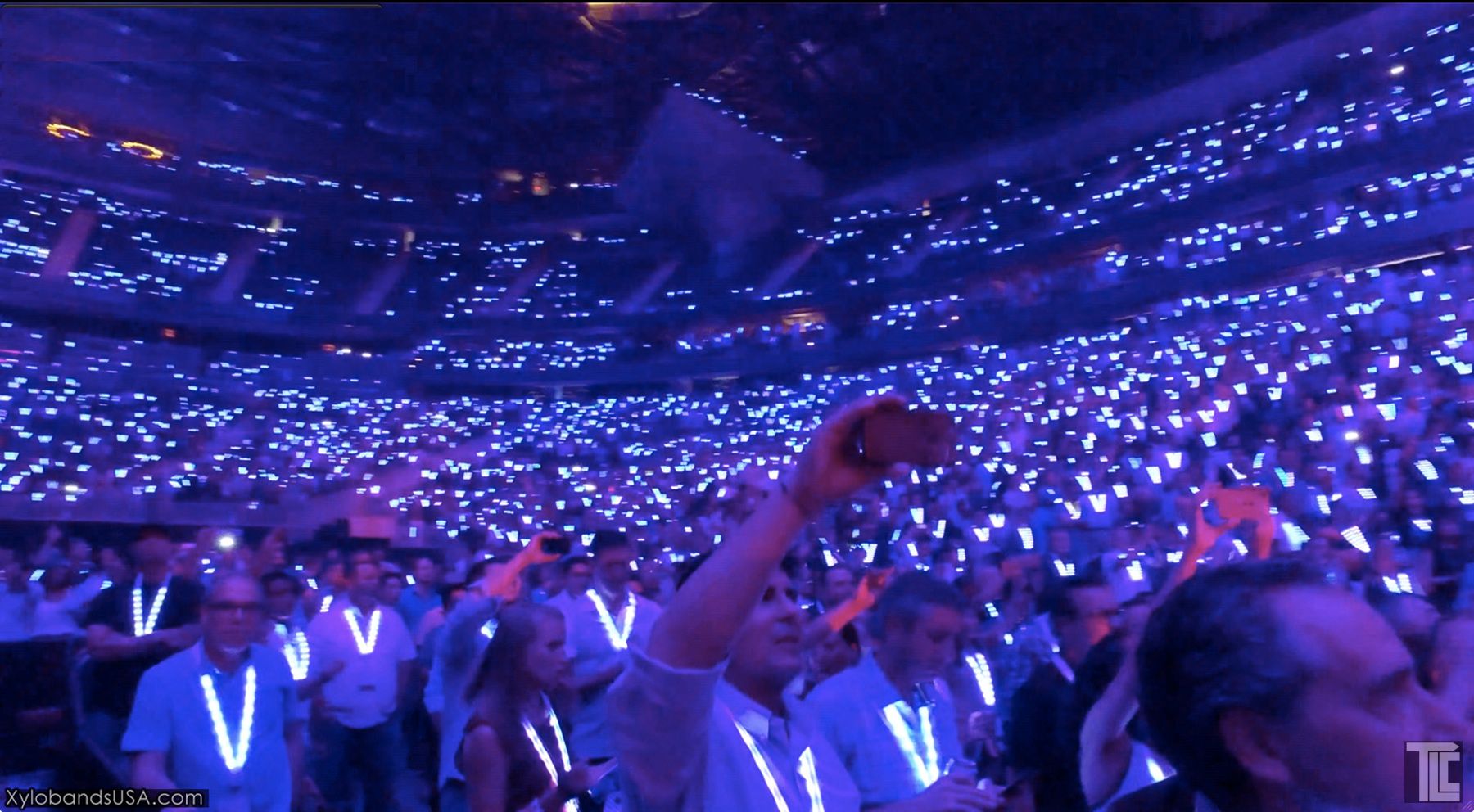
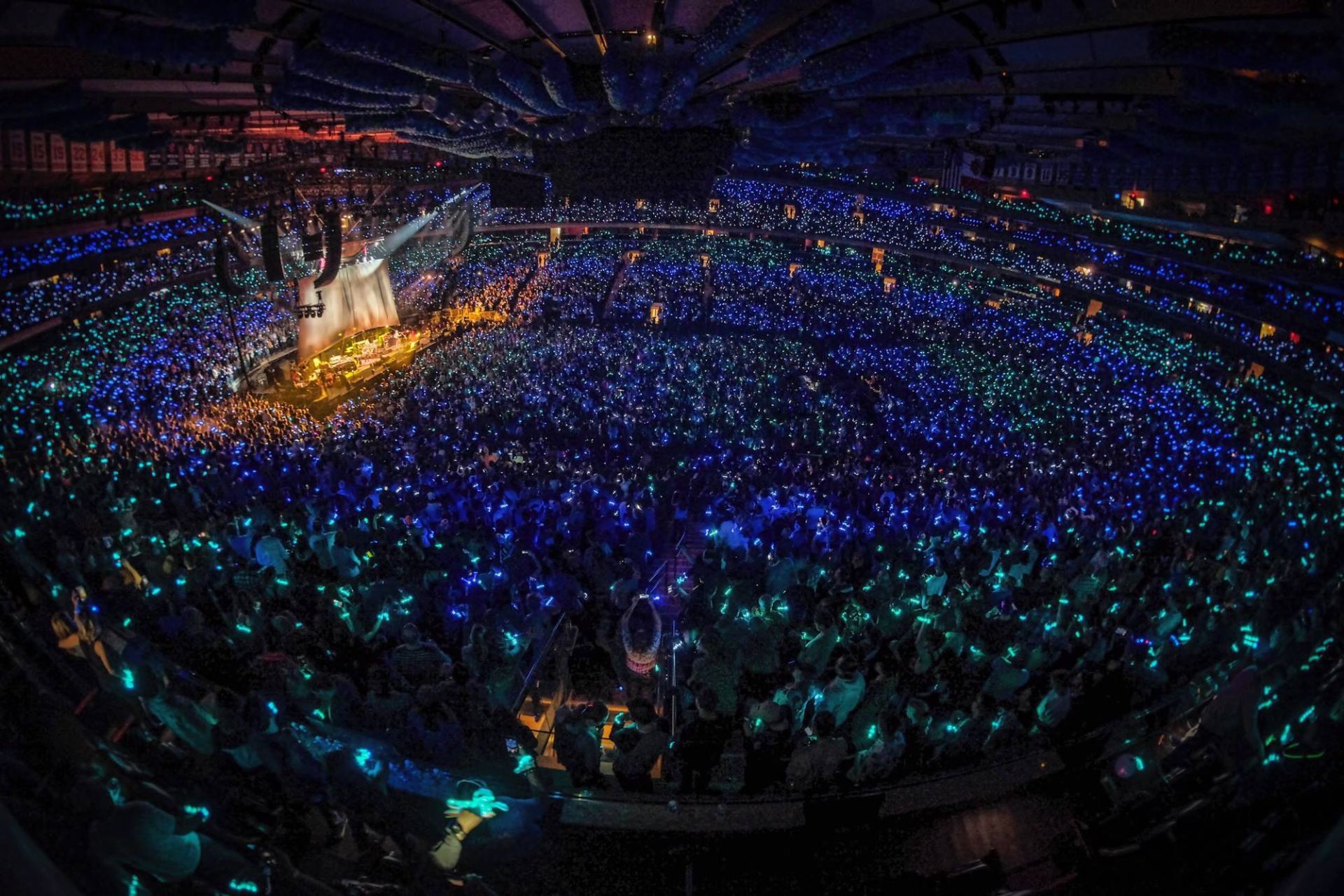
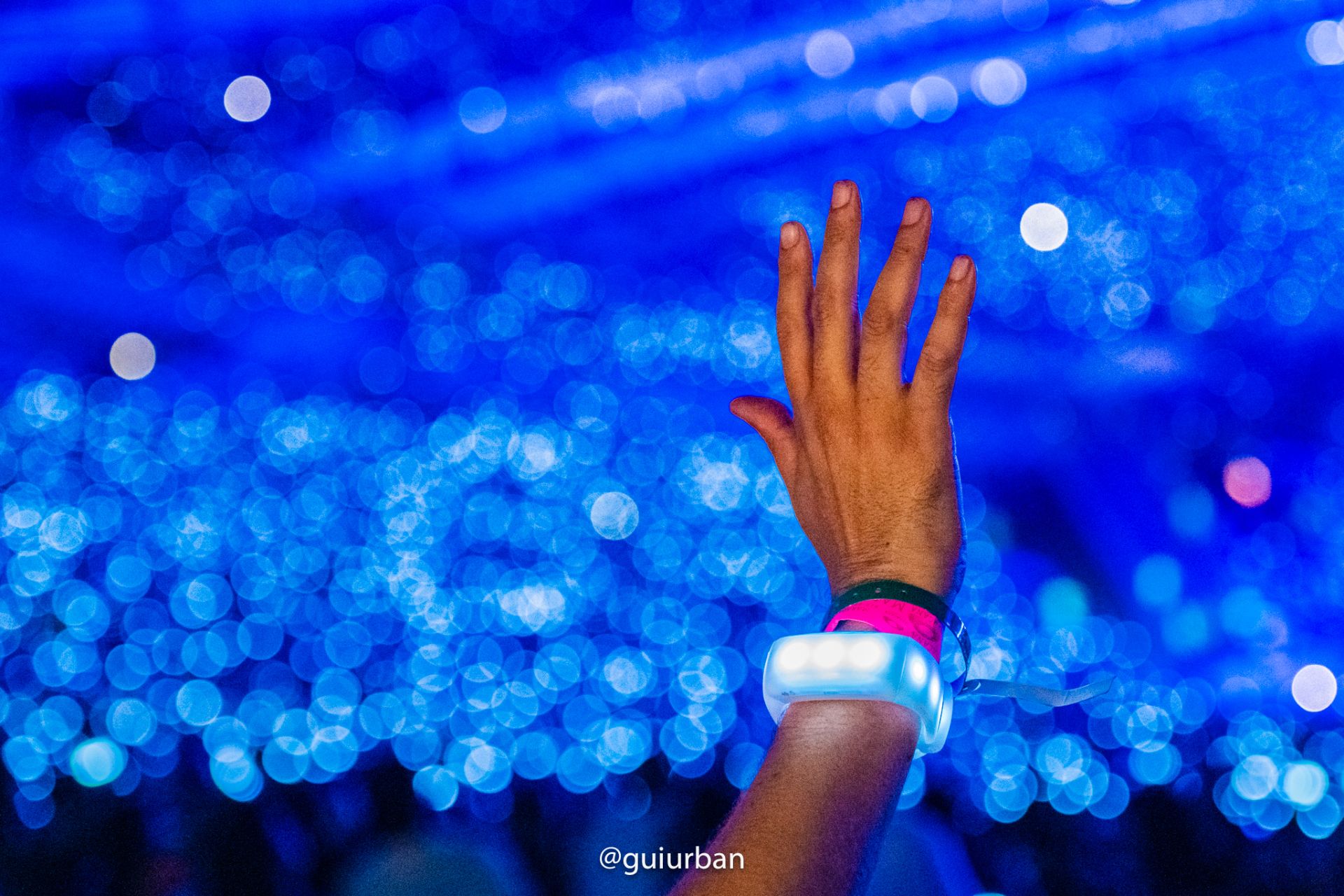
This is the potential of wearable LED technology. For an individual who finds direct eye contact or verbal initiations challenging, a glowing wristband or lanyard can signal a willingness to connect, creating a silent, shared language. For someone who is deaf or hard of hearing, the synchronized pulses of Xylobands can translate the rhythm and emotional arc of the music into a tangible, visual experience, connecting them to the collective energy in a profound new way.
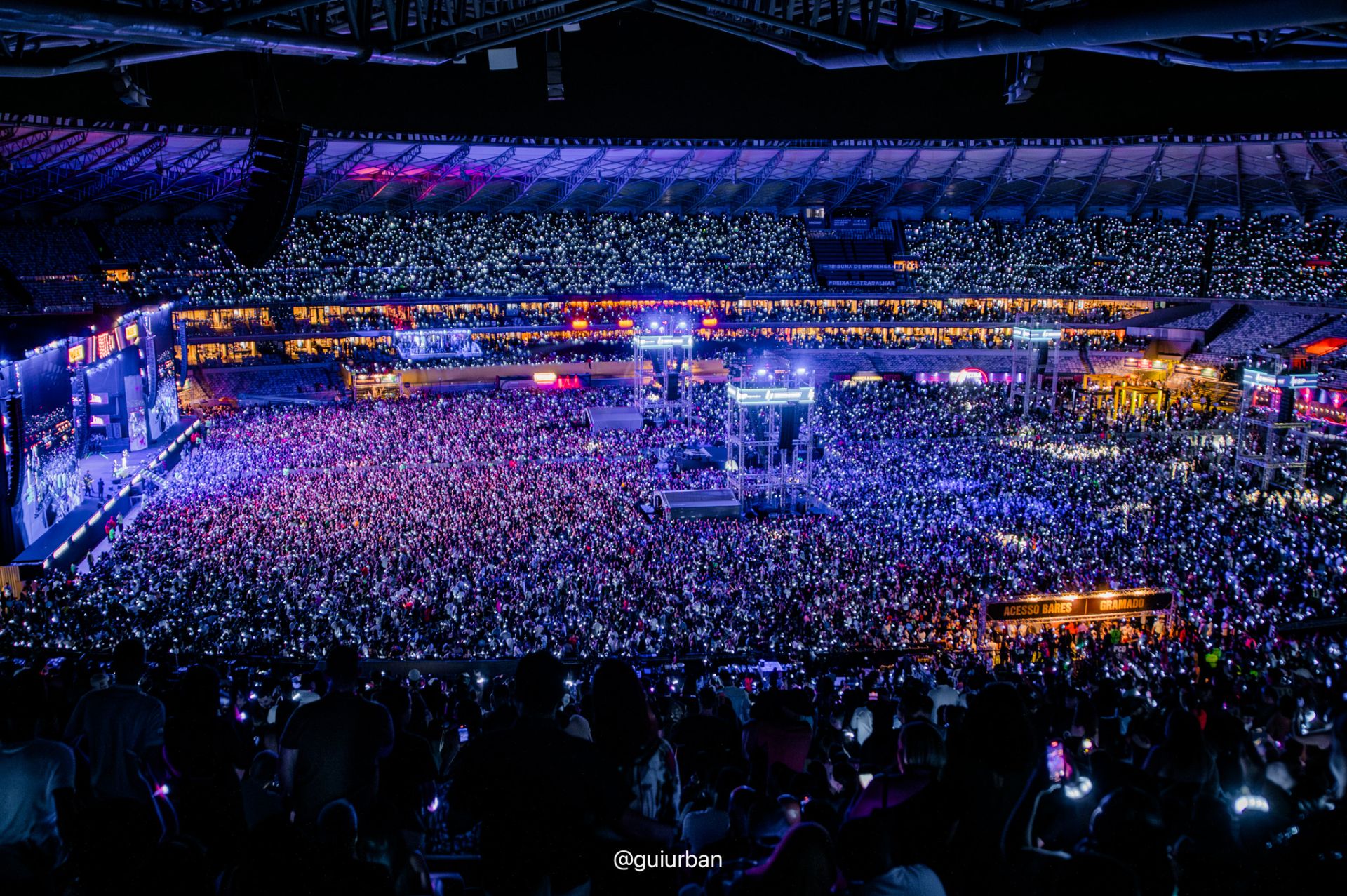
This isn’t about dimming the lights or turning down the volume for everyone. It’s about creating a more dynamic and emotionally intelligent light show. A sudden, intense musical crescendo can be mirrored by a rapid, brilliant flash across thousands of concert wristbands, while a quiet, acoustic moment can be accompanied by a soft, gentle glow. This visual reinforcement of the audio experience provides a vital anchor for those who may struggle to process auditory information alone, making the entire performance more coherent and less overwhelming.
The Multi-Sensory Anchor in a Sea of Stimuli
The beauty of a system like Xylobands is its ability to be both a collective spectacle and a personal experience. It provides a focal point—a single, manageable piece of sensory information that is directly connected to the core of the event. While other lights and sounds might be happening, the light on one’s own wrist is a constant, predictable, and beautiful anchor.
This approach has been validated in broadcast environments like ITV’s game shows, where the technology is used to create clear visual cues for the studio audience, simplifying the complex environment of a television recording. It’s about using light to guide attention and reduce cognitive load. The same principle applies to massive live events. By providing a clear, synchronized visual narrative, we create a more predictable and therefore more comfortable environment. The LED crowd experiences become a tool for psychological comfort as much as for visual excitement.
“Universal design is not about catering to a minority; it’s about creating a superior experience for everyone. When we design for the edges of human experience, the center becomes stronger.”
The Inclusive Future of Live Events
Building more inclusive events is not a compromise; it is an upgrade. It forces us to be more creative, more intentional, and more empathetic in our designs. It pushes us to think beyond the raw power of volume and intensity and to explore the nuances of rhythm, color, and connection.
As event producers, tour managers, and brand marketers, our goal is to create moments of profound human connection. By embracing technologies that offer more granular sensory control, we can expand the circle of participation. We can build events where the power of the shared experience is available to everyone, regardless of their sensory profile. The future of immersive events is not just about being bigger and louder; it’s about being smarter, more thoughtful, and fundamentally more human. It’s about building a sensory bridge, allowing every single person to cross over into a shared world of light and sound.