The Unconventional Architect: Dyslexia and the Creative Edge in Business
The Blueprint Beyond the Text
In the rigid architecture of modern business, conformity is often the default setting. We build processes, systems, and expectations around a linear, text-based model of intelligence. But the most groundbreaking innovations rarely emerge from the center of the blueprint. They are drafted at the edges, sketched out by minds that perceive the world through a different lens. For decades, dyslexia has been framed by its challenges, defined by what it is not. It is time to reframe the narrative and recognize it for what it is: a powerful cognitive engine for creativity, problem-solving, and entrepreneurial vision.
To label dyslexia as a "disability" is to misunderstand its fundamental nature. It is not an absence of ability, but a different distribution of it. While the dyslexic brain may process written language differently, it often demonstrates exceptional strength in areas that are becoming increasingly critical in a rapidly changing economy: visual-spatial reasoning, big-picture thinking, and complex problem-solving. In the world of business and technology, these are not soft skills; they are strategic advantages.
Seeing the World in Three Dimensions
Many dyslexic individuals are inherently visual, three-dimensional thinkers. While a neurotypical mind might see a spreadsheet or a block of text, the dyslexic mind often sees a dynamic system, a structure of interconnected parts. They build models in their heads, run simulations, and deconstruct complex challenges not in words, but in images and patterns.
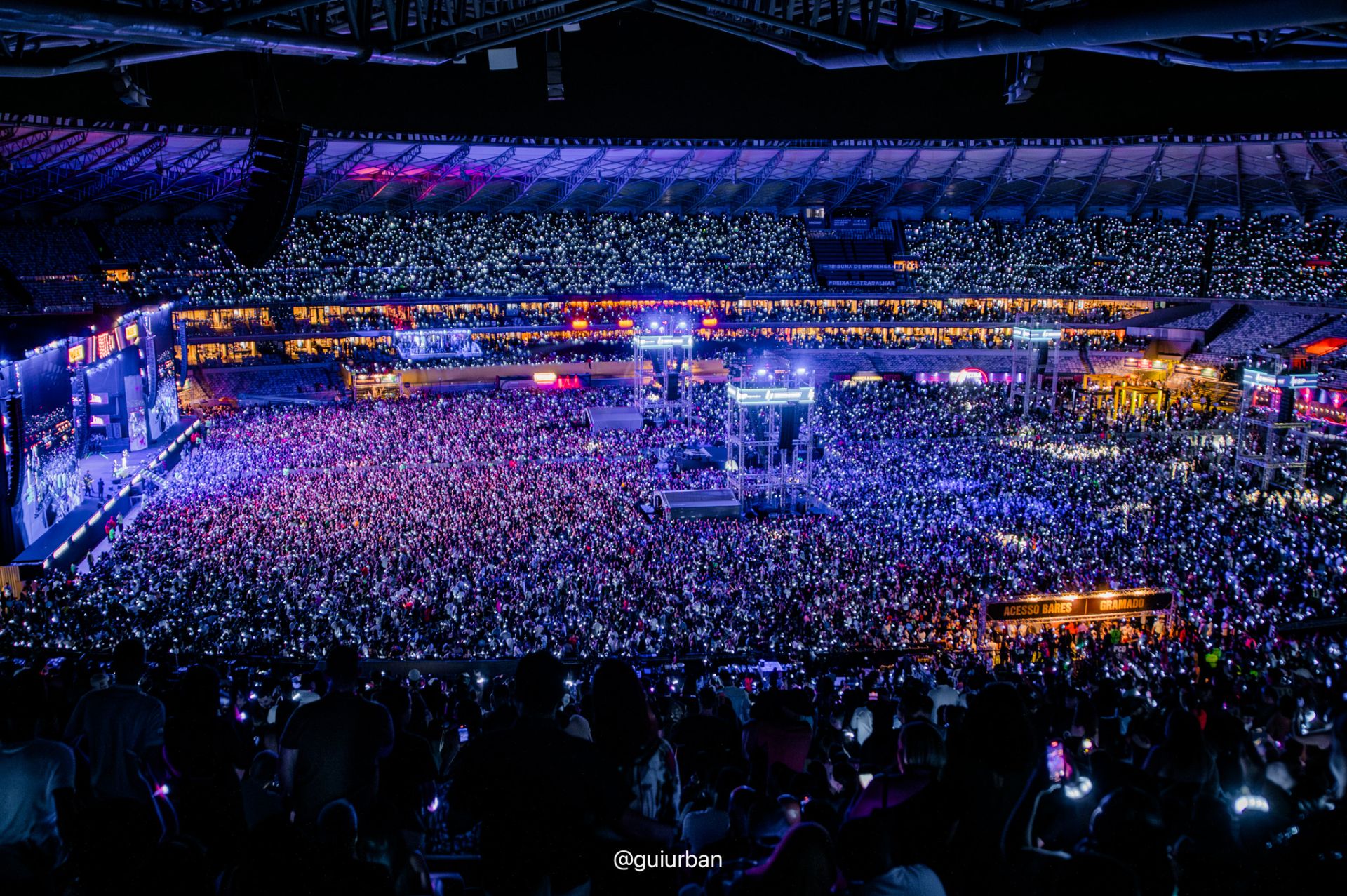
This is the soil from which true innovation grows. Consider the origin of Xylobands. Our founder, Jason Regler, is dyslexic. In 2011, standing in a crowd at Glastonbury Festival, he watched Coldplay perform. As the lyrics “Lights will guide you home” washed over the audience, he didn’t just hear a song; he saw a vision. It wasn’t a linear, incremental thought like, “How can we make phone screens brighter?” Instead, his mind leapt to a fully formed, three-dimensional experience: a sea of people, a living canvas of light, each person becoming a pixel in a show-wide spectacle. He saw the potential for mass-scale LED Crowd Experiences, where technology could unite an audience in a single, immersive moment.
This vision, which led to the iconic Coldplay Xylobands on the Mylo Xyloto tour, wasn't born from a business plan. It was born from a dyslexic mind’s ability to see the unseen connections between music, emotion, and light. It’s a testament to the power of stepping away from the written word and seeing the architectural possibilities of an experience.
The Pattern Finders: Excelling at the Big Picture
Difficulty with the minutiae of text can often foster a compensatory strength: an extraordinary ability to see the big picture. Dyslexic entrepreneurs are often master pattern-finders, capable of spotting trends, connecting disparate ideas, and understanding the complex dynamics of a system, whether it’s a market, a supply chain, or a stadium full of people. While others are focused on the individual trees, the dyslexic leader is often surveying the entire forest, understanding its ecosystem and predicting its future growth.
In the world of Immersive Events, this is an invaluable trait. A truly immersive experience is not a checklist of technical features; it is a seamless journey. It requires an architect who can understand the flow of human emotion, the logistics of deploying Wearable LED Technology across a stadium, and the artistic intent of the performer. It demands a holistic view, a quality of thinking that is second nature to many neurodiverse individuals.
Forged in Friction: The Entrepreneurial Superpower
Navigating a world that is not built for you is a constant exercise in problem-solving. From a young age, many dyslexic people develop a high degree of resilience and an arsenal of unique strategies to overcome obstacles. This daily friction forges the very skills that define a successful entrepreneur: grit, creative thinking, and a willingness to find a different way when the conventional path is blocked.
This mindset doesn’t see failure as an endpoint; it sees it as a data point. It’s a relentless process of iteration and adaptation. When you’ve spent your life finding workarounds to read a textbook or compose an email, finding a new route to market or a novel solution to a technical challenge isn’t daunting—it’s just another Tuesday. This resilience is the unseen engine that powers a startup through its turbulent early years and allows it to scale into a global force.
Building the Future with Different Minds
The story of Xylobands is just one example of a global phenomenon. A significant percentage of entrepreneurs identify as dyslexic, a statistic that should compel every business leader to reconsider their hiring and management strategies. Companies that actively cultivate neurodiversity are not just engaging in a social good; they are making a strategic investment in their own creativity, innovation, and long-term resilience.
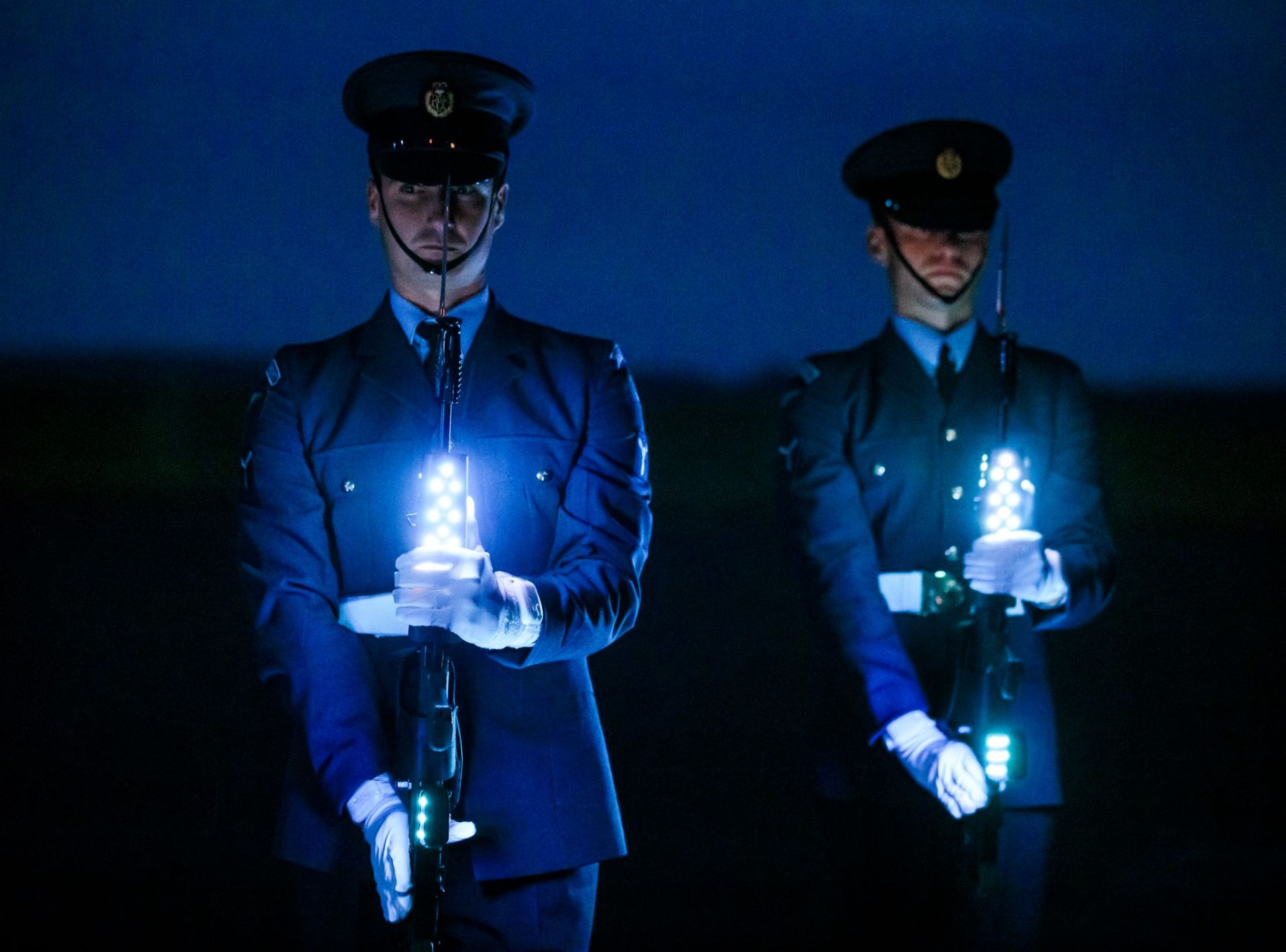
By building teams of different thinkers, we create a richer, more robust creative dialogue. We challenge assumptions and unlock solutions that a homogenous group would never discover. The next frontier of Immersive Event Technology—from Festival Wristbands that measure crowd sentiment to LED Lanyards that guide attendees—will be charted by these unconventional architects. In a world desperate for new ideas, the dyslexic mind isn’t at a disadvantage. It’s the ultimate creative edge.