The Unseen Atlas: A Masterclass in Global Event Logistics
The Silent Pulse of the Spectacle
Before the first chord strikes, before the house lights dim, a silent, intricate ballet is already in motion. It’s a global performance that the audience never sees, yet it’s the foundational pulse of every international concert tour, festival, or broadcast event. This is the world of global logistics—a high-stakes discipline of freight, customs, and coordination that makes the modern live spectacle possible.
For event producers and tour managers, the stage is only the final destination. The true journey involves moving tonnes of highly sensitive equipment across continents, navigating a labyrinth of international regulations, and ensuring that everything from the central lighting rig to the last LED wristband arrives on time, every time. It’s a challenge that demands military-grade precision and an intimate understanding of a world the average fan never considers.
The Carnet: Your Passport for a World of Equipment
At the heart of international touring logistics is the ATA Carnet, often called the "passport for goods." This unassuming document is the linchpin that allows for the temporary importation of professional equipment and merchandise across borders without incurring duties or taxes. Without it, the financial and administrative burden of a multi-country tour would be crippling.
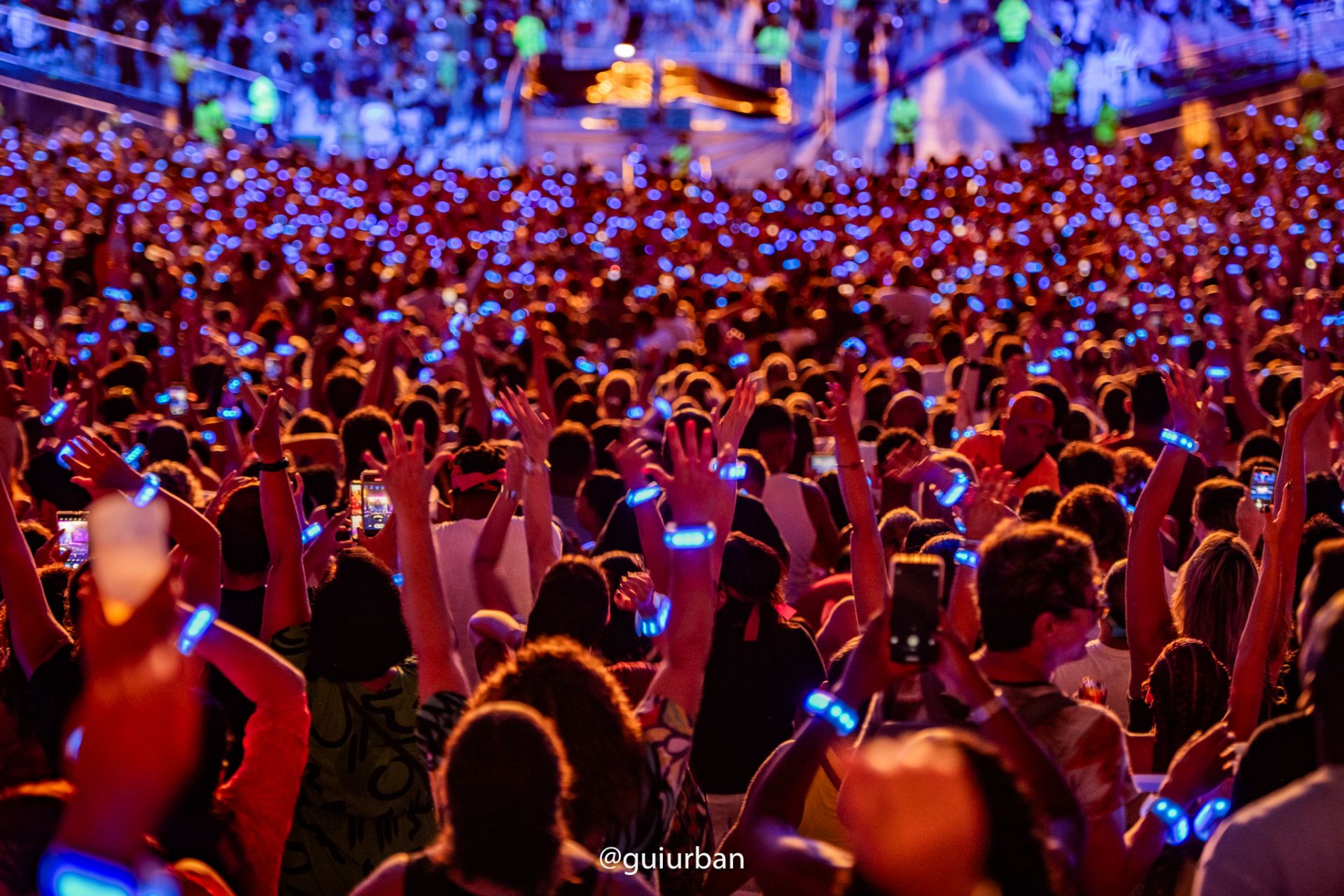
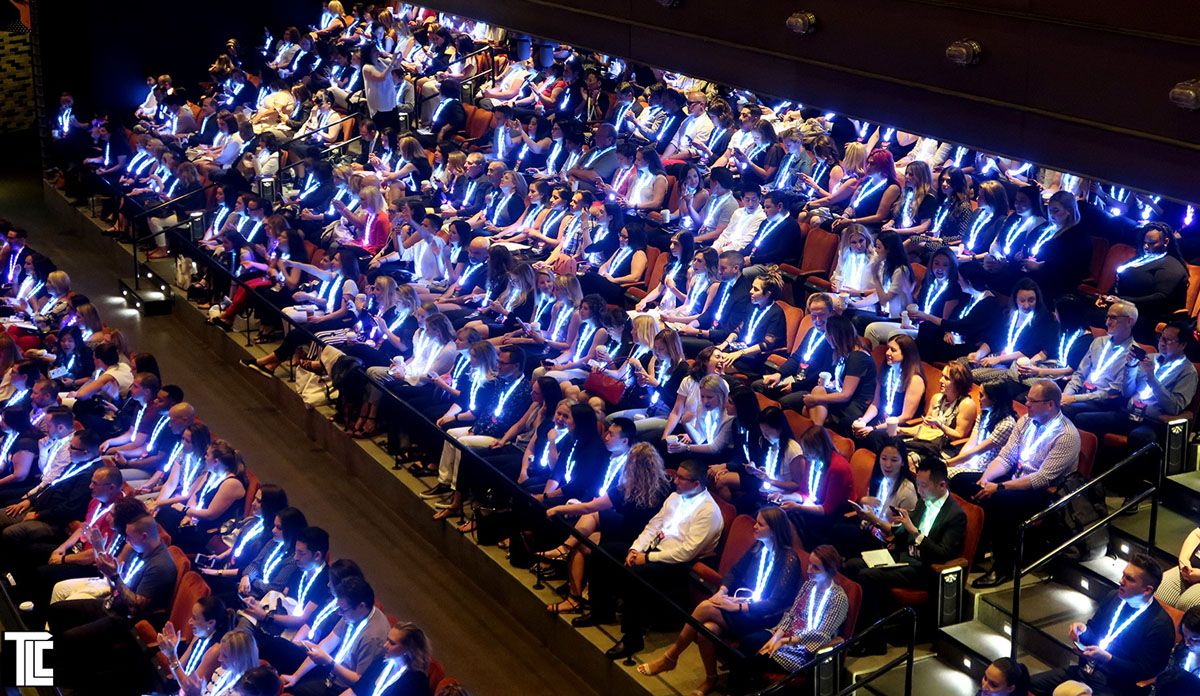
Securing a carnet is a meticulous process. Every single piece of equipment—every flight case, every cable, every processor—must be itemized with serial numbers, weights, and values. A single discrepancy can lead to costly delays, with customs officials in a foreign port having the authority to impound an entire shipment. For a company like Xylobands, which deploys thousands of pieces of wearable LED technology for events from Athens to Las Vegas, managing this inventory is a core operational competency. Our systems, from base stations and transmitters to the individual Xylobands themselves, are cataloged with forensic detail to ensure seamless passage through customs checkpoints worldwide.
The Modality Maze: Air, Sea, and Land
Choosing the right mode of transport is a strategic decision balancing speed, cost, and reliability. Air freight is the fastest and often the only option for tight turnarounds between tour dates. It offers unparalleled speed but comes at a premium and is subject to the inherent limitations of cargo hold dimensions and weight restrictions.
"When you see a tour schedule with shows in London on a Tuesday and Berlin on a Thursday, you are seeing a masterclass in air logistics," says one veteran tour manager. "There is zero margin for error."
Sea freight presents a more economical option for less time-sensitive legs of a tour, or for shipping foundational infrastructure months in advance. It’s the workhorse for moving the sheer volume of staging, barriers, and structural elements. However, it requires long-range planning and introduces risks like port congestion and weather delays.
Ground transportation—fleets of trucks—forms the final and often most complex part of the chain, navigating national road regulations, driver hour limitations, and specific venue load-in protocols. For a massive music festival like Primer in Greece, the logistical effort combines all three modalities, with international DJ equipment arriving by air and foundational production elements potentially staged via sea and land.
The Human Element: The Unsung Heroes of the Road
Beyond the paperwork and transport mechanics lies the most critical component: the people. The logistics managers, freight forwarders, and on-the-ground customs brokers are the unsung heroes of the live events industry. These are the individuals who are on the phone at 3 AM resolving a customs query in a different time zone, who are replotting a trucking route to avoid a sudden border closure, and who have built the personal relationships with officials in ports around the world that can turn a potential disaster into a minor delay.
This network of trust is irreplaceable. When Xylobands technology was used for Maluma’s historic concert in Medellín, streamed to 240 countries, the success of the immersive event technology relied not just on its technical performance, but on a flawless logistics operation that ensured its timely arrival and deployment in Colombia.
The Future: Technology and Sustainability in Logistics
The future of event logistics is being shaped by two powerful forces: technology and sustainability. Advanced tracking systems now offer real-time visibility into a shipment’s journey, allowing production managers to monitor their assets from a single dashboard. This data-driven approach allows for more agile decision-making and proactive problem-solving.
Simultaneously, there is a growing mandate to make this global movement more sustainable. This involves optimizing shipping routes, consolidating cargo to maximize space, and pioneering reusable and recyclable technologies to minimize waste. The conversation is shifting from "get it there" to "get it there responsibly." It’s a new layer of complexity, but a necessary one for an industry that, at its best, inspires and unites.
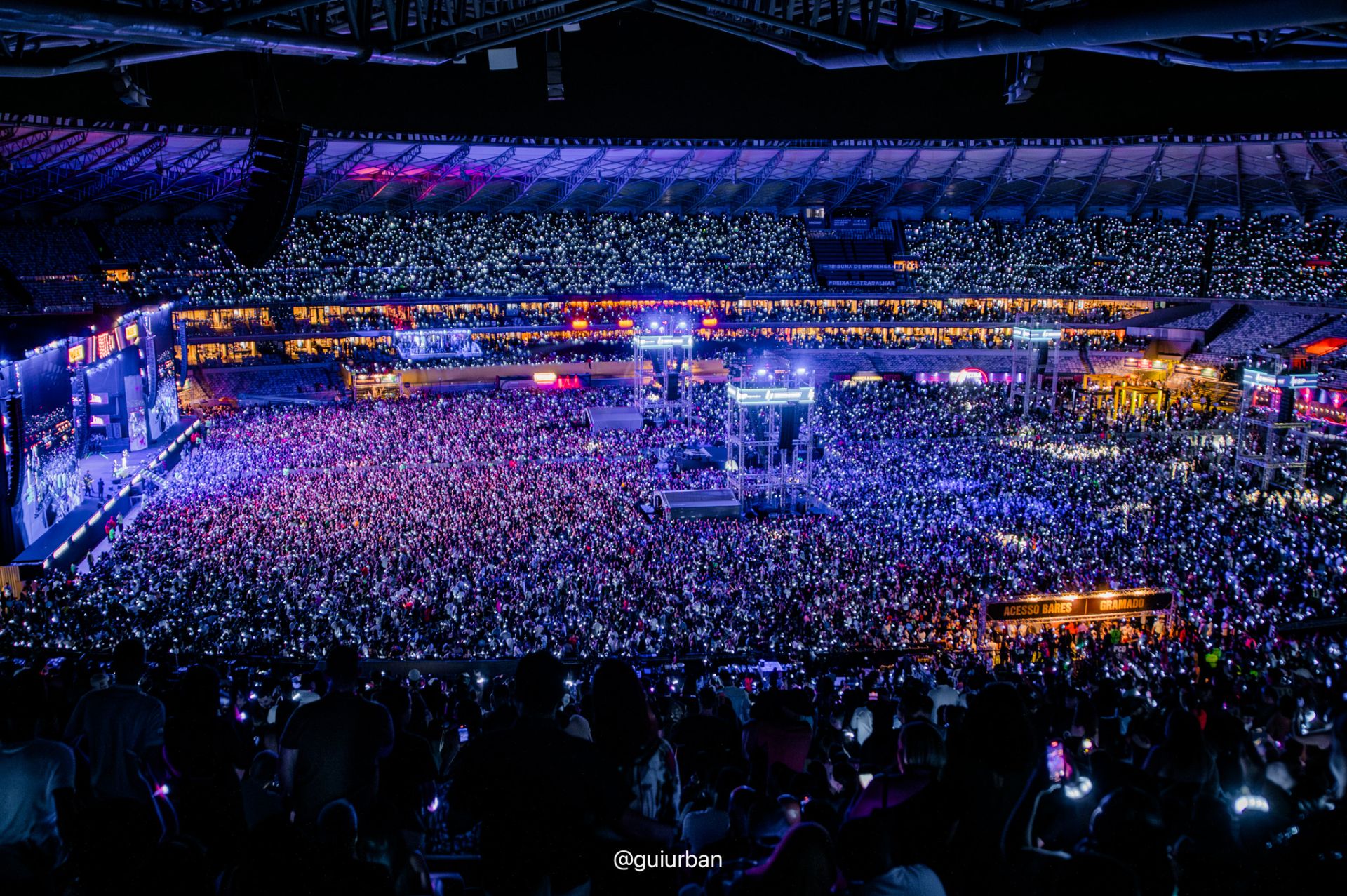
Ultimately, the global logistics of a live event is the unseen atlas upon which the spectacle is built. It’s a world of immense pressure and complexity, navigated by a dedicated few. The next time you find yourself in a stadium, bathed in the light of thousands of synchronized concert wristbands, take a moment to appreciate the incredible journey that made the moment possible.