From The Back Row To The Broadcast: A Unified Field Theory of Tour Lighting
The Immensity of the Blank Canvas
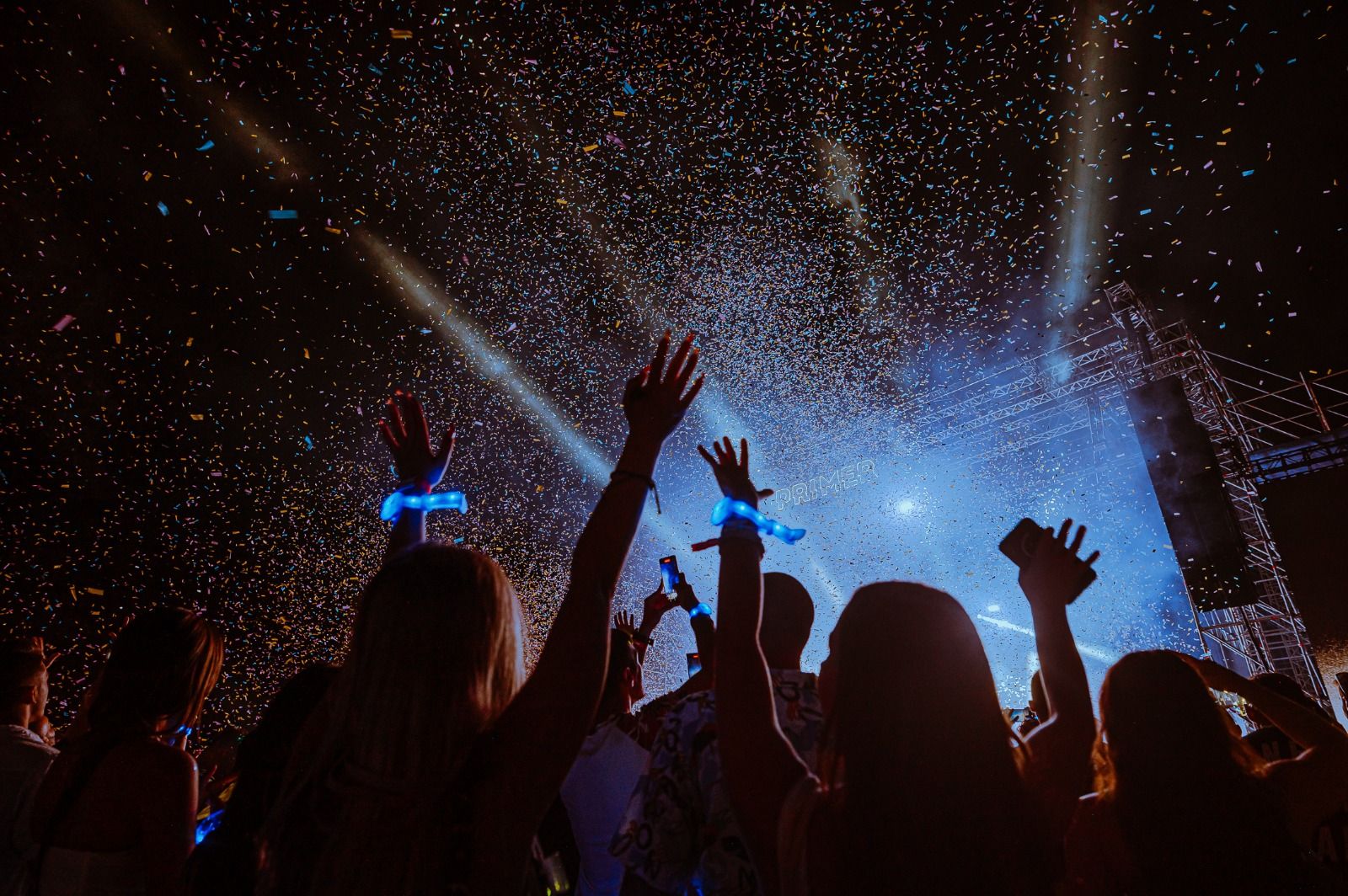
Picture an arena. 50,000 seats. A hollow-ribbed cathedral of steel and concrete, humming with anticipation. This is the modern canvas for the live spectacle. For the tour manager, the lighting designer, the artist, this space represents the ultimate challenge: how do you transform an architectural void into a shared, intimate universe for a single night? How do you make the person in the last row feel as connected as the fan against the barrier?
Historically, the answer was scale. Bigger rigs, brighter beams, louder pyrotechnics—an arms race of sensory overload broadcast from a central stage. But a fundamental shift is underway, a new philosophy that moves beyond mere illumination. It’s a methodology that treats the entire stadium, including the audience itself, as a single, programmable entity. It’s a unified field theory of light, where the spectacle isn’t just something you watch; it’s something you are a part of.
Principle 1: Atomization & Intimacy
The core paradox of the stadium show is delivering a personal experience on a colossal scale. The solution lies in atomizing the light source. Instead of relying solely on massive, centralized lighting rigs, this new philosophy distributes the light across thousands of individual points—namely, the audience members themselves. This is the foundational idea behind Wearable LED Technology.
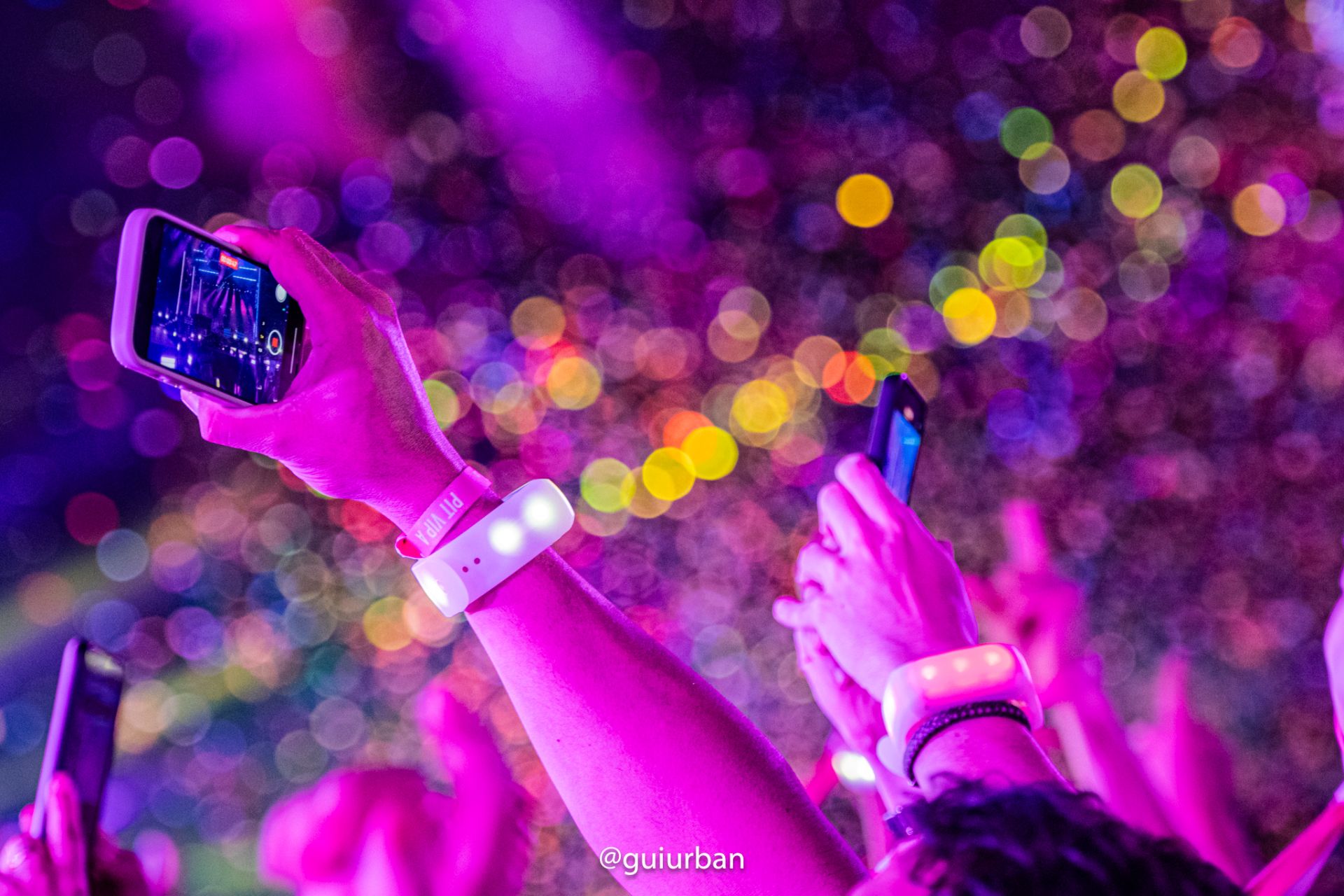
This concept was born from a simple observation at a festival. Watching Coldplay perform "Fix You" at Glastonbury, our director Jason Regler was struck by the line "Lights will guide you home." He envisioned a way to unify the crowd and artist, turning the entire audience into a canvas for the music. The result was the original Coldplay Xylo Band, a technology that has since evolved into a cornerstone of Immersive Event Technology. By giving every individual a radio-controlled light source, you create a direct, personal link to the performance. The light on their wrist is *their* light, reacting in real-time, making them a pixel in a much larger picture.
Principle 2: Unification & The Visual Language of Crowds
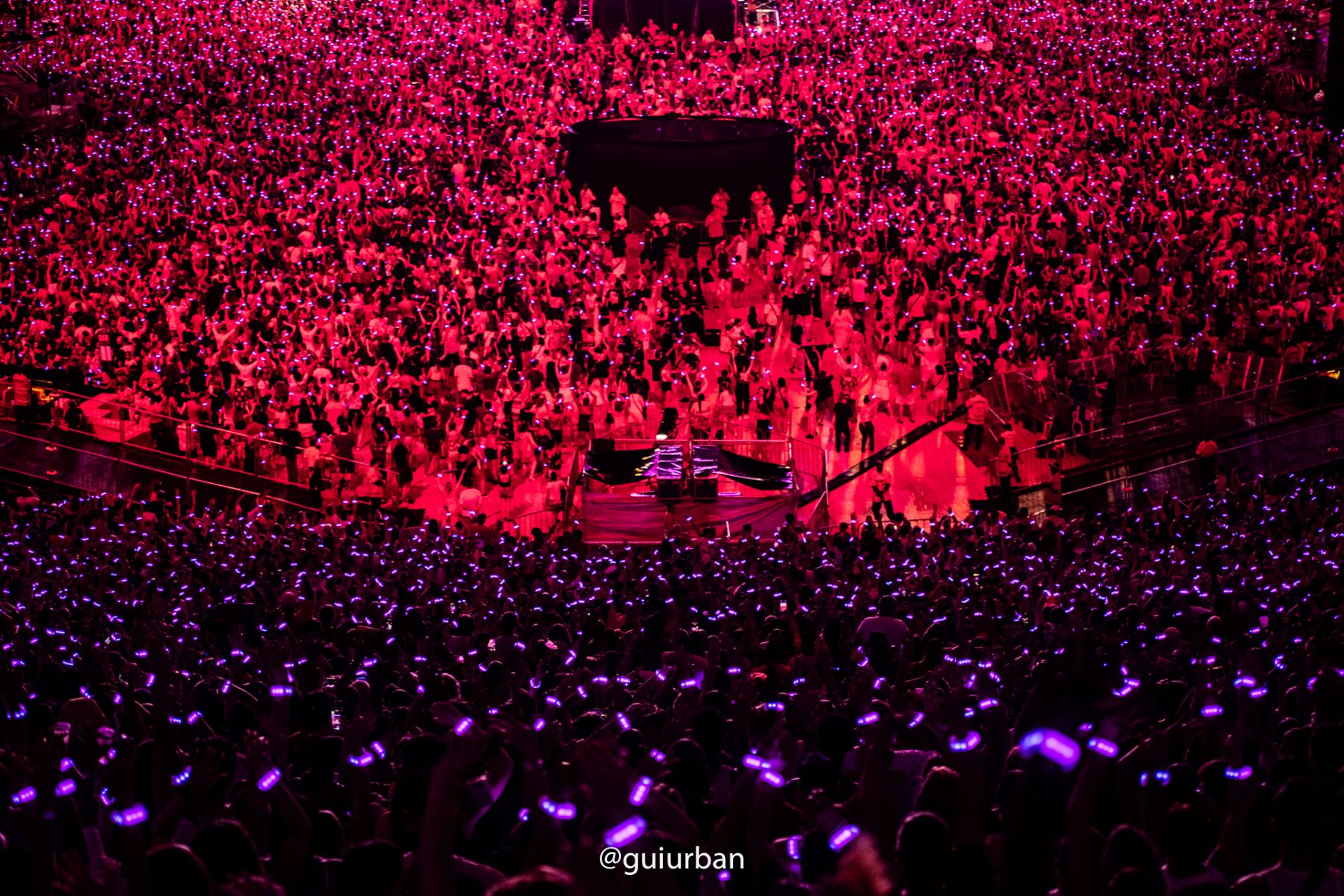
Once you have an atomized canvas, the next principle is unification. How do you make 50,000 individuals feel and act as a single organism? Through the primal, immediate language of synchronized light and color. A sudden pulse of red, a slow wave of blue that washes over the stands, a flickering white that mimics the stars—these are powerful, non-verbal cues that create a profound sense of collective experience.
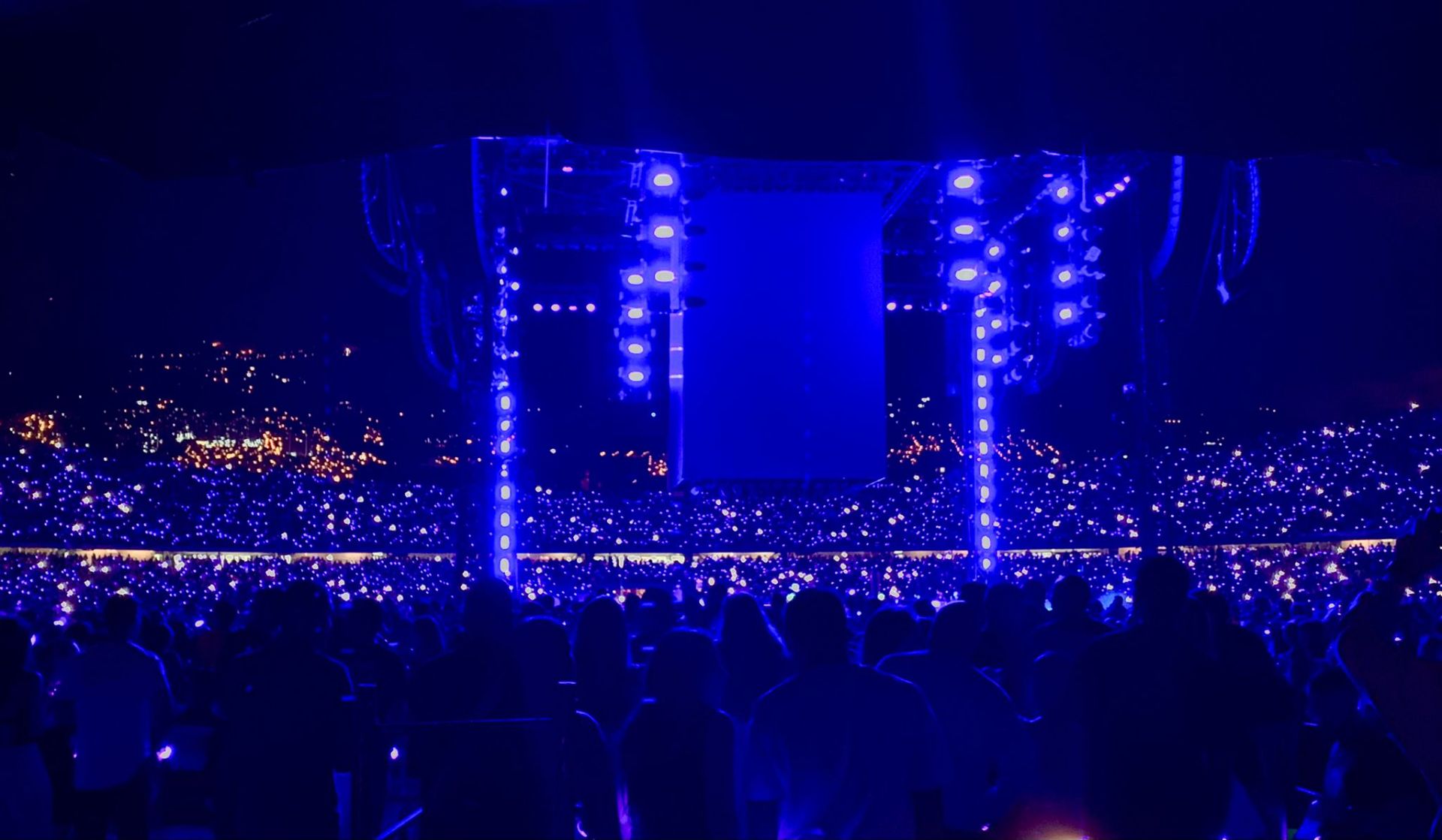
On tours for global superstars like Wizkid, who sold out London’s O2 Arena for three consecutive nights, or Maluma’s historic hometown show for 54,000 people in Medellín, Concert Wristbands become more than just a souvenir. They become the visual heartbeat of the show. Programming a sudden, venue-wide blackout punctuated by a single color, or having the wristbands pulse in time with the kick drum, generates a visceral, shared response. This is the power of Radio Controlled LED Wristbands: they are the technical conduit for mass emotion, translating auditory energy into a stunning visual spectacle that unifies the entire space.
Principle 3: Dynamic Narrative & Audience as the Set
A concert is a story with a beginning, middle, and end. A lighting designer’s job is to score that story visually. With a fully programmable audience, the narrative possibilities expand exponentially. The crowd is no longer a passive observer; they are an active part of the set design, creating LED Crowd Experiences that are unique to that night.
For the F1 75 anniversary event, for instance, we created custom LED Lanyards branded for each team and hospitality level. This allowed the creative team to light up specific sections of the arena, creating dynamic effects based on fan allegiance or show segments—a live, responsive infographic of the audience itself.
This approach allows for incredible creative specificity. You can create a “Punjabi Wave” of light for Diljit Dosanjh’s history-making tours, chase strobes across the audience during a dramatic breakdown, or use stark color contrasts to heighten a moment of musical tension. The technology provides a sophisticated palette, capable of creating subtle gradients, explosive strobes, and complex patterns that elevate the musical and emotional arc of the performance.
Principle 4: Designing for the Broadcast & The Global Canvas
Increasingly, major tours are not just for the people in the room. From Maluma’s show streaming live on Amazon to landmark broadcast events, the modern stadium show is a global media moment. This introduces a second audience: the viewer at home. A lighting design must work for both.
This is where an illuminated audience truly proves its value. For the broadcast director, a sea of dark, anonymous heads is a visual black hole. A crowd lit by thousands of synchronized LED Bands is a stunning visual in its own right. It provides a dynamic, textured backdrop that communicates the scale and energy of the event far more effectively than wide shots of a passive crowd. Close-ups of fans, their faces illuminated by the light on their own wrists, create powerful, emotional moments for the broadcast. It turns the entire venue into a living, breathing set piece, ensuring the spectacle translates powerfully through the lens and onto screens worldwide.
The Unified Field
The future of tour lighting design is not about abandoning the rig, but integrating it into a larger, more holistic system. It’s a philosophy that understands that the most powerful light in the venue isn’t always the one pointed at the stage. By embracing principles of atomization, unification, dynamic narrative, and broadcast design, we can create experiences that are simultaneously vast and deeply personal. We can turn a stadium of strangers into a unified canvas, creating a single, ephemeral organism of light, sound, and shared emotion.