A Universal Canvas: Engineering a New Era of Inclusive Live Events
Beyond the Ramp: Redefining Accessibility as a Shared Experience
For decades, accessibility in live events has been a conversation centered on physical infrastructure: ramps, accessible seating, and compliant restrooms. These are, without question, the non-negotiable foundations of an inclusive space. But they are just that: foundations. True inclusion transcends the physical. It’s about ensuring the core of the experience—the spectacle, the emotion, the collective euphoria—is accessible to every single person in the room, regardless of their sensory or cognitive map of the world.
What if a person who is deaf or hard of hearing could feel the rhythm of the encore? What if someone with sensory processing sensitivities could find an anchor in the beautiful chaos of a festival? This isn’t a hypothetical future. By harnessing the power of light and Wearable LED Technology, event producers are moving beyond compliance and beginning to architect truly multi-sensory, universally accessible moments.
The Monochromatic Spectacle
The traditional live event is a symphony of powerful, often overwhelming, stimuli. It’s a sensory feast, but one that is typically designed for a neurotypical, able-bodied majority. The roar of the crowd, the blast of the speakers, the flash of the strobes—for many, this is the very definition of energy. For others, it can be a barrier.
A sound-driven experience is inherently exclusive for millions of people with hearing impairments. A visually complex and chaotic light show can be disorienting or over-stimulating for attendees on the autism spectrum or those with anxiety. The challenge is not to diminish the spectacle, but to enrich it with intentional, alternative layers of communication. The goal is to create multiple entry points into the same shared moment, allowing each attendee to connect with the experience on their own terms.
Light as a Universal Language
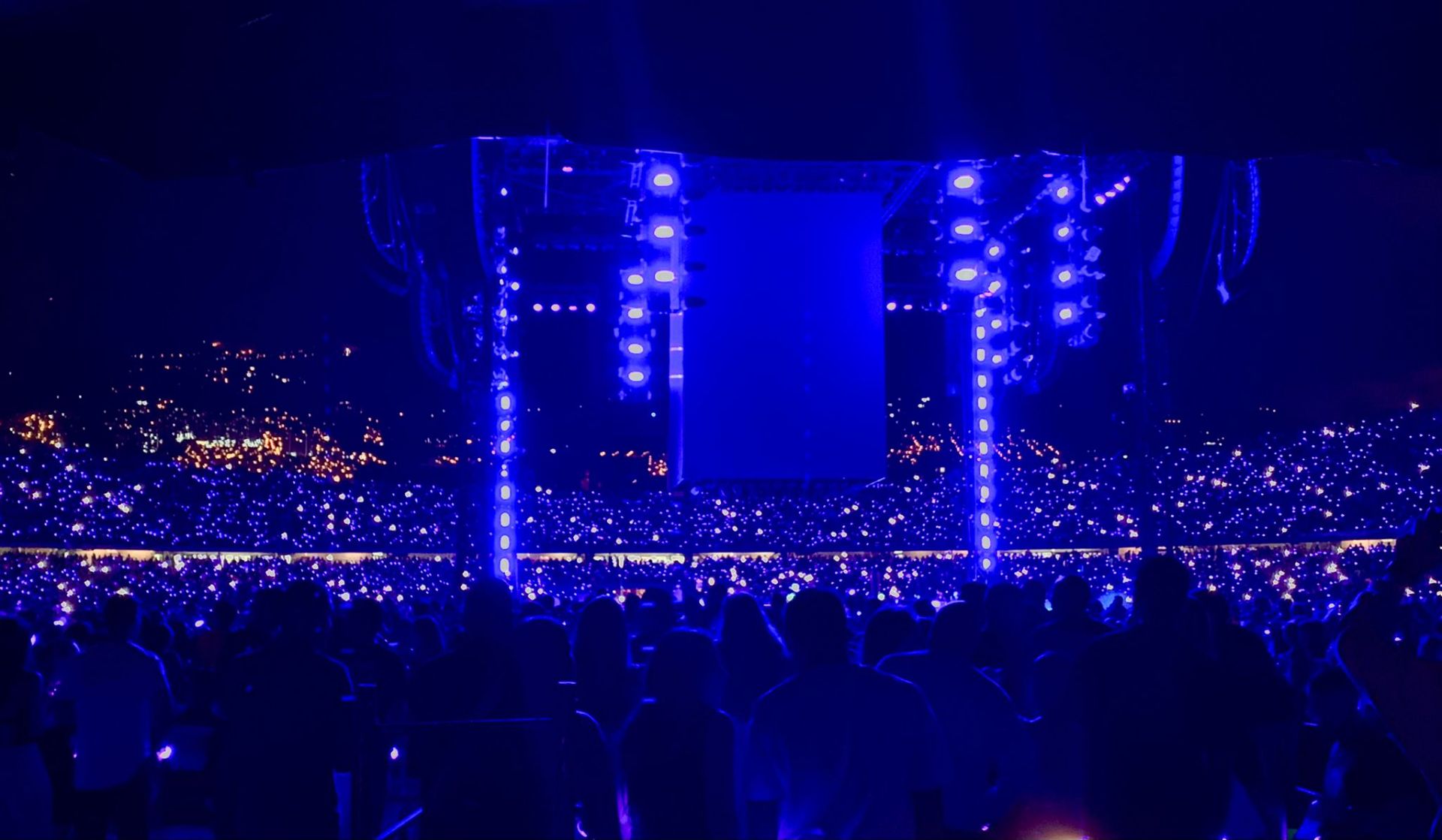
This is where immersive light finds its most profound purpose. More than any other medium, light is a universal language. It communicates emotion, rhythm, and narrative, transcending spoken word and cultural context. Our work at Xylobands was born from this very idea, sparked at a Coldplay performance at Glastonbury. The lyric “Lights will guide you home” inspired a vision: an entire audience transformed into a living, breathing canvas of light. Those original Coldplay Xylobands turned a passive crowd into an active participant in the show’s visual architecture.
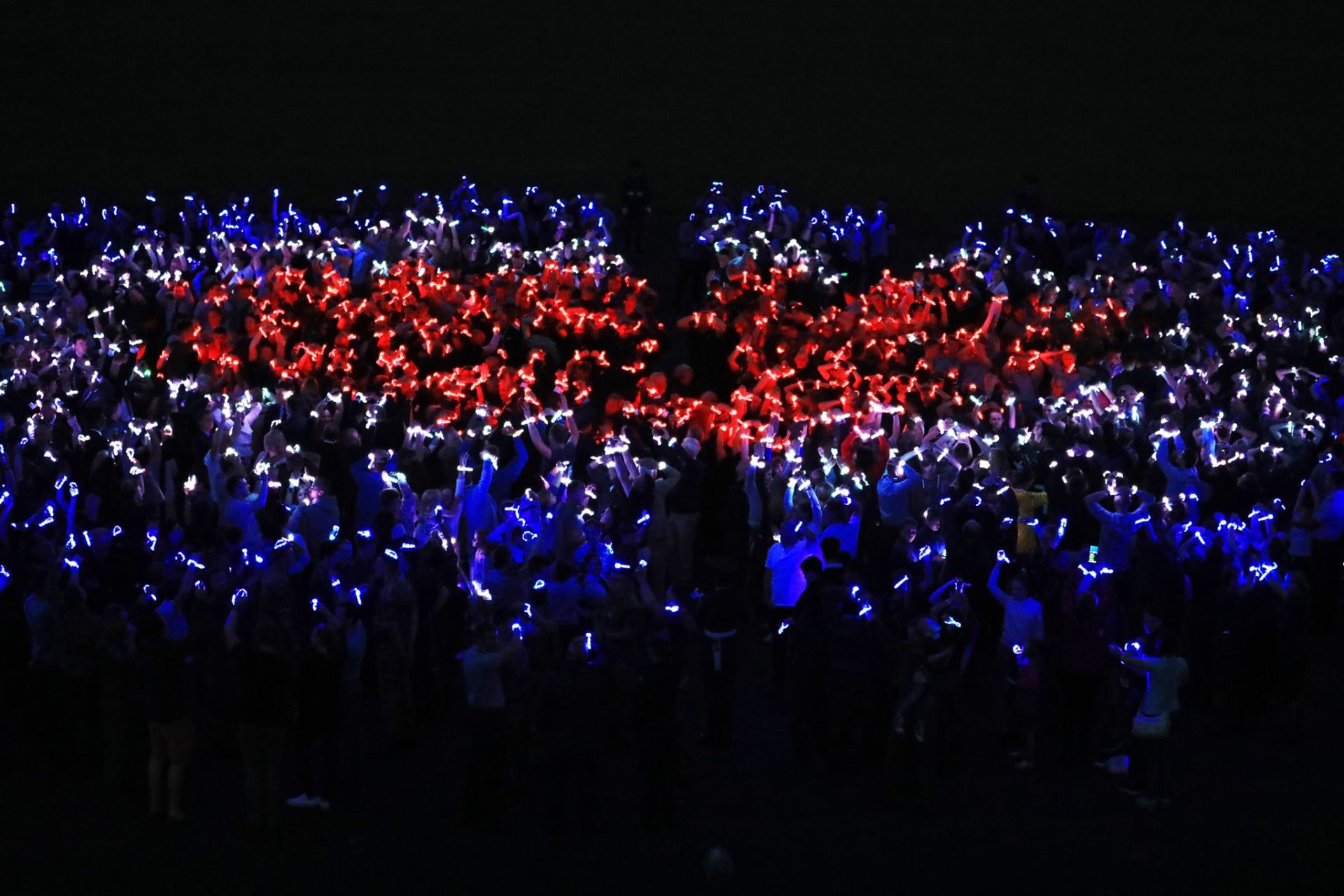
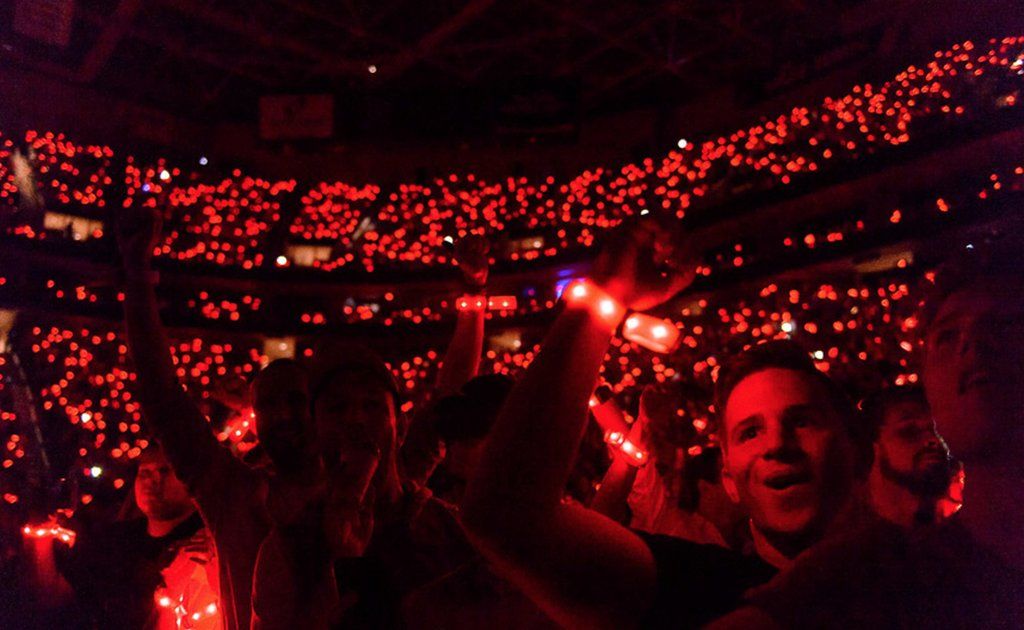
This principle is the key to unlocking a new dimension of accessibility. When an entire stadium is illuminated with Radio Controlled LED Wristbands pulsing in perfect sync with the music, the effect is more than just visual. It’s visceral.
- For the Deaf and Hard of Hearing: The light becomes a tactile extension of the sound. The beat is no longer just an auditory signal; it’s a physical pulse of light on their wrist, a visual rhythm they can see sweeping across thousands of other people. The music becomes a shared physical experience.
- For Cognitive Diversity: For individuals who find loud, unpredictable audio overwhelming, a structured and synchronized light show can be a powerful grounding force. The predictable patterns and collective glow provide a calming visual anchor, reducing anxiety and fostering a sense of connection to the wider group. It transforms a potentially stressful environment into one of shared beauty.
This isn’t just a theory; it’s a core component of modern Immersive Events, from massive global concerts to intimate corporate functions.
Designing Multi-Sensory Touchpoints
Creating these inclusive LED Experiences requires more than just deploying hardware. It demands a new layer of intentionality in creative design and technical production.
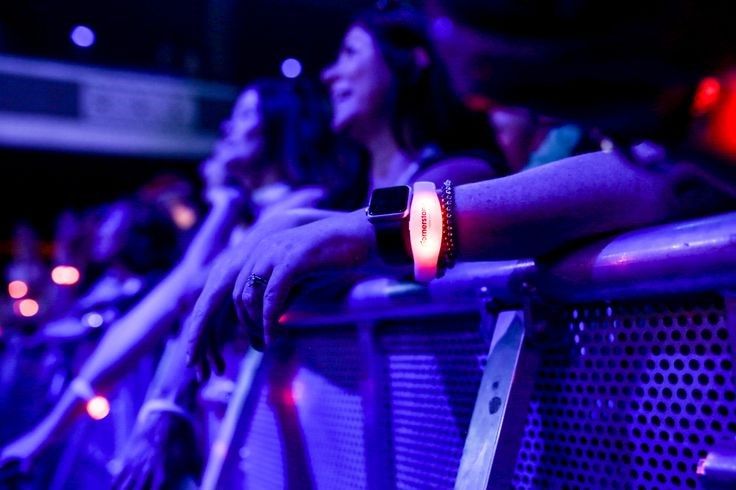
The technology, whether it’s our classic Xylo Bands, customizable LED Lanyards, or even floating LED Orbs, is a set of tools. The magic happens when they’re used to build a multi-sensory narrative. For a high-energy moment, you might use fast-paced, vibrant color changes. For a quiet, emotional ballad, a slow, gentle pulse in a single color can unite the room in a moment of shared intimacy. This is the art of LED Event Technology: painting with light to evoke emotion and tell a story that everyone can understand.
We’ve seen this philosophy applied in countless settings. At Formula One’s 75th-anniversary event, Custom LED Wristbands were used to segment the audience by team and hospitality level, creating waves of color that built a sense of tribal community within the larger spectacle. During Wizkid’s historic, sold-out run at The O2, the wristbands united a diverse, international audience, creating a visual manifestation of a groundbreaking cultural moment. In both cases, the light did more than just decorate the room; it gave each individual a role to play in the collective experience.
The Future Is a More Thoughtful Canvas
As event producers, tour managers, and brand marketers, our job is to create unforgettable moments. The next frontier of that mission is to ensure “unforgettable” is a promise we can make to every single attendee. The conversation around accessibility is evolving from a legal checklist to a creative challenge—and it’s one of the most exciting opportunities in our industry.
By embracing Immersive Event Technology not just as a tool for spectacle but as a bridge for communication, we can design experiences that are richer, deeper, and more profoundly human. We can build a universal canvas where every pulse of light is a word, every color is an emotion, and every person in the crowd, regardless of ability, is part of the story. The lights are not just guiding us home; they are lighting a path for everyone to arrive together.