The Unseen Audience: Lighting the Live Broadcast for Millions
The Dual Mandate of Modern Event Lighting
In the world of live television, the audience isn't just the thousands of people in the room; it's the millions watching from their homes around the globe. This creates a dual mandate for event producers and lighting designers: craft an electrifying atmosphere for the live crowd while delivering a flawless, technically perfect picture for the broadcast. It’s an art form that balances the visceral energy of a live spectacle with the unforgiving precision required by high-definition cameras.
For productions like ITV’s game shows or major sporting events like the Davis Cup, the stakes are immense. Every flicker, every shadow, and every hue is magnified when seen through the lens. The challenge lies in creating a visual experience that translates seamlessly across these two very different viewing environments. What feels immersive and dynamic in person can appear chaotic or poorly lit on screen. Mastering this balance is no longer a luxury—it’s a fundamental requirement of modern event production.
Framing the Feeling: Light as a Storytelling Tool
Broadcast lighting is about more than just illumination; it’s about control and narrative. On screen, light directs the viewer's eye, establishes mood, and builds tension. Think of a show like ITV’s "Beat The Chasers," where light is practically a character in the story. The sharp, focused beams build suspense, while washes of color signal victory or defeat. The lighting isn’t just environmental; it’s a critical part of the show’s dramatic arc.
The key is to create a lighting design that enhances the broadcast without sacrificing the in-person experience. This requires a deep understanding of how cameras interpret light, color temperature, and contrast. Colors that look vibrant to the naked eye can appear oversaturated or washed out on camera. Similarly, dynamic effects that thrill a live audience might cause strobing or banding on screen. The goal is to design a cohesive visual language that speaks to both audiences simultaneously.
"The camera is the most important member of the audience. It’s also the most demanding. Your lighting has to serve the story the camera is telling."
The Audience as a Living Set Piece
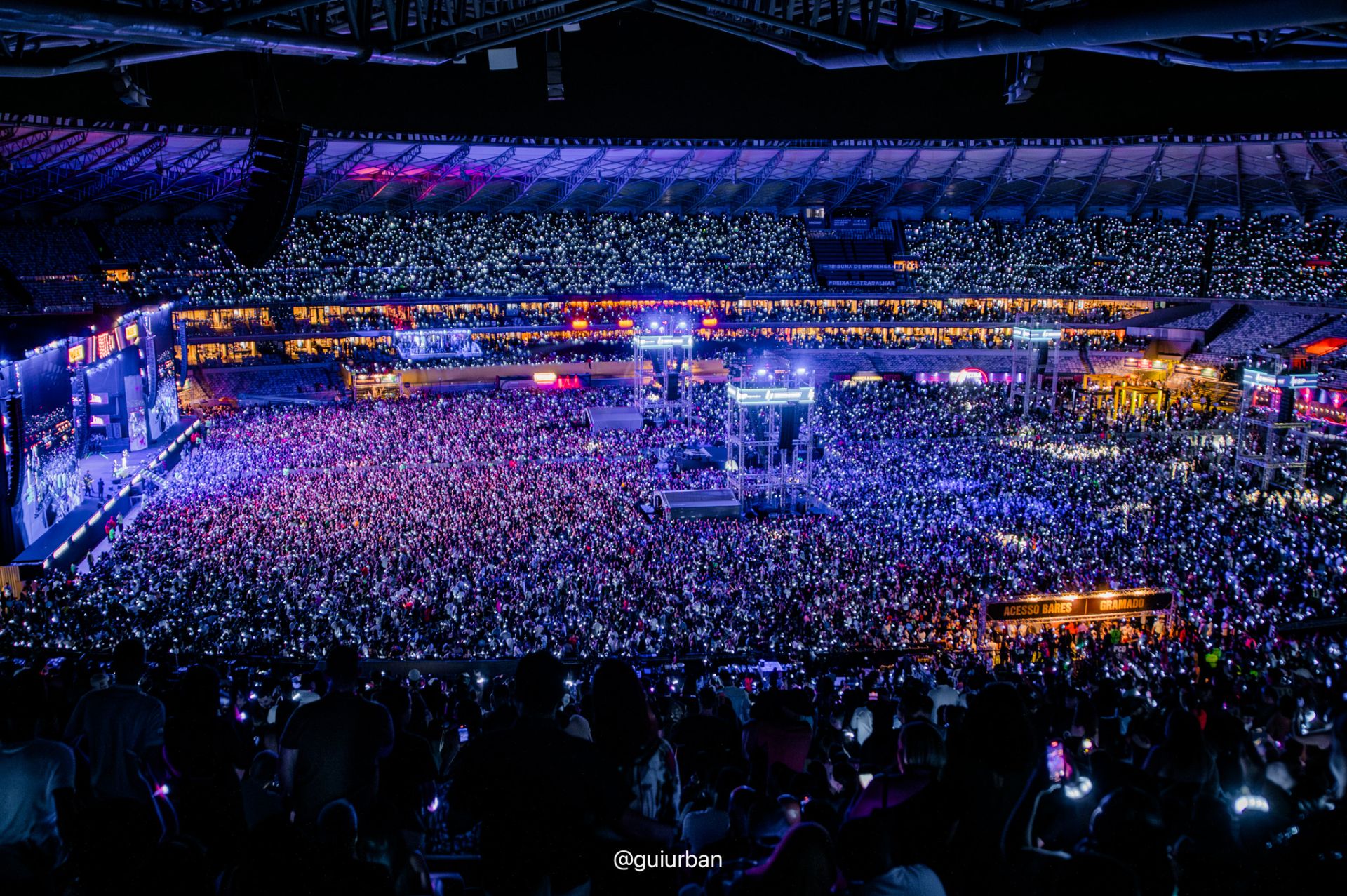
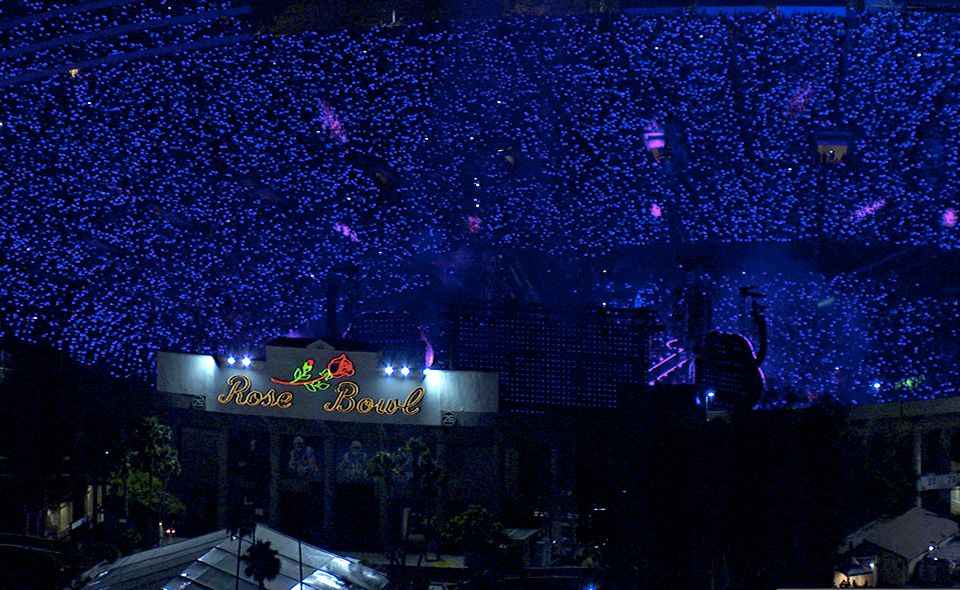
Historically, the live audience was a passive element in a broadcast—a sea of faces in the dark. Today, they are an integral part of the visual spectacle. By incorporating the crowd into the lighting design, producers can extend the set into the stands, creating a 360-degree immersive environment that looks breathtaking on camera. This is where wearable LED technology becomes a game-changer.
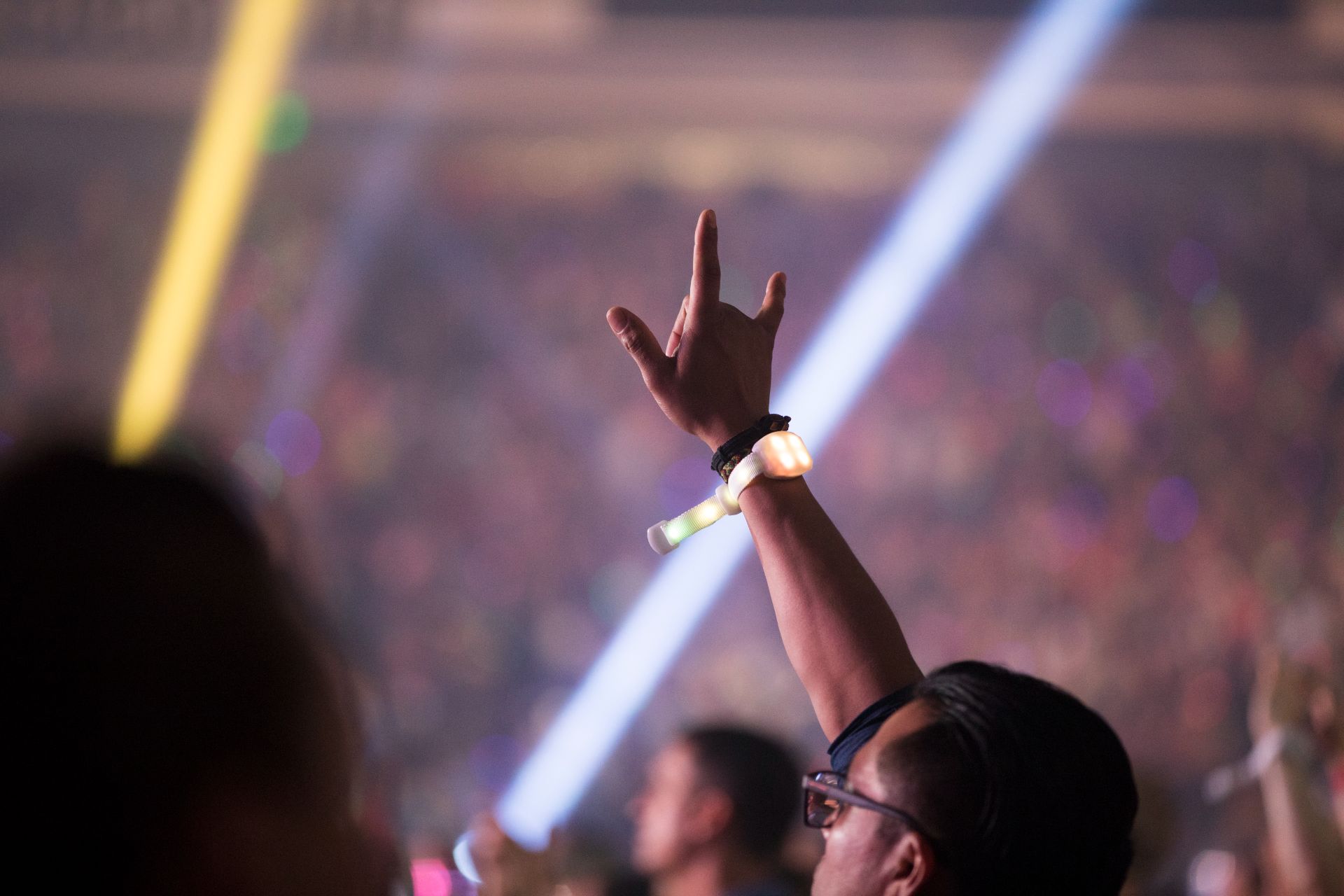
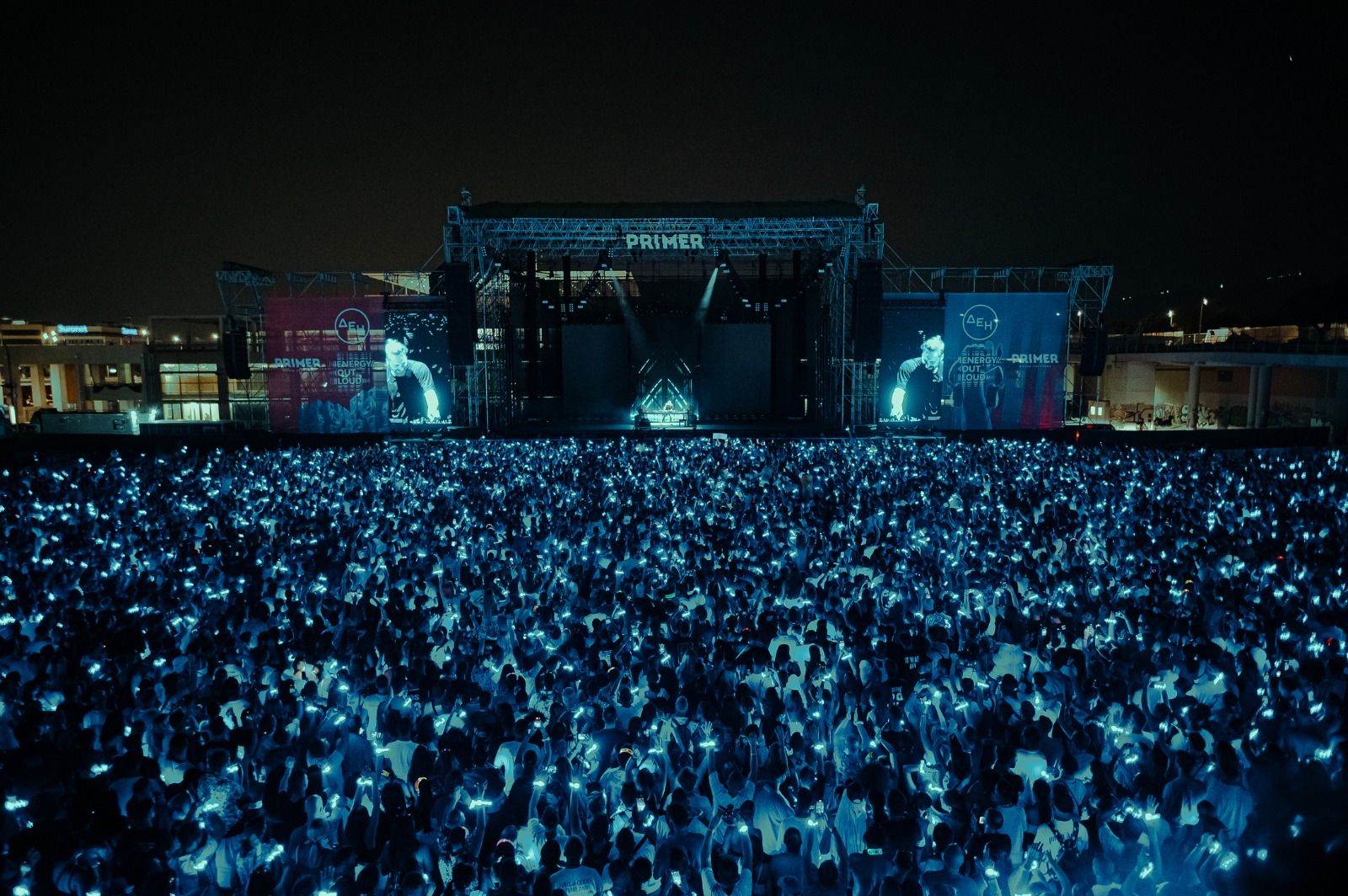
By turning each audience member into a pixel in a larger canvas, radio controlled LED wristbands and lanyards transform the crowd into a dynamic, living light show. This technology offers an unparalleled level of creative control, allowing designers to:
- Create large-scale visual effects: Imagine an entire stadium pulsing in sync with a winning point or a live musical performance. At events like Maluma’s historic Medellín concert, which was streamed to over 240 countries, turning 54,000 fans into part of the light show creates a spectacle that feels immense and unified on screen.
- Segment and highlight the audience: Designers can isolate specific sections, creating waves of color, spelling out words, or highlighting team colors during a sporting event. This adds a layer of visual sophistication that traditional lighting cannot replicate.
- Enhance broadcast graphics: The light from the crowd can be synchronized with on-screen graphics and branding, creating a cohesive and powerful visual identity for the broadcast.
This approach transforms the audience from spectators into active participants in the spectacle, generating the kind of compelling visual content that defines modern immersive events.
The Technical Execution of a Camera-Ready Crowd
Integrating an audience lighting system into a live broadcast is a complex technical endeavor. It’s not just about handing out wristbands; it’s about flawless execution under the pressure of a live television schedule. The system must be robust, reliable, and perfectly synchronized with the broadcast workflow.
At Xylobands, our work with clients like ITV, Formula One, and the Eurovision Song Contest has refined this process into a science. Here’s what it entails:
1. Understanding Camera Specifications
Our technology is designed to be camera-friendly. We work with broadcast directors to ensure the light emitted by our LED bands has the right frequency and intensity to prevent flicker or banding on screen. The color palettes are calibrated to render accurately, ensuring brand colors and creative designs look exactly as intended in the final broadcast.
2. Precision Control and Integration
Our systems integrate directly with the production’s lighting and timecode infrastructure. This allows a single operator to control thousands of devices with split-second accuracy, ensuring the audience lighting is perfectly cued with every camera cut, musical beat, or dramatic moment. This was critical for the F1 75th anniversary show, a live broadcast event where our custom LED Lanyards were integral to the visual storytelling.
3. Strategic Deployment
For a broadcast, the placement of wristbands is a deliberate act of design. It’s not random; it’s a carefully planned distribution that allows for the creation of specific visual effects. Whether creating a national flag in the stands at the Davis Cup or a pulsating mosaic of color during a concert, the layout is mapped and executed with precision.
The Future of Broadcast Spectacle
As the line between live and broadcast events continues to blur, the audience will play an increasingly central role in the visual narrative. The ability to transform a crowd into a responsive, illuminated canvas offers limitless creative potential. It elevates the production value of any broadcast, creating unforgettable moments of collective energy that resonate just as powerfully through a screen as they do in person.
For producers, tour managers, and brand marketers, harnessing this technology is about more than creating a light show. It’s about building deeper engagement, extending the brand story, and crafting a broadcast spectacle that captures the undivided attention of the unseen audience at home. The camera is always watching; it’s time to give it a show it will never forget.