The Unseen Engine: How a Culture of R&D Powers Live Spectacle
The Birth of an Idea is Never the Finish Line
Every transformative technology begins with a spark. For Xylobands, it was a lyric, a moment of collective energy at Glastonbury, and a vision for turning a passive crowd into a living, breathing canvas of light. But that spark, the celebrated genesis of the Coldplay Xylo Band phenomenon, is not the end of the story. It’s the beginning of a much deeper, more disciplined narrative: the story of a culture built on perpetual research and development.
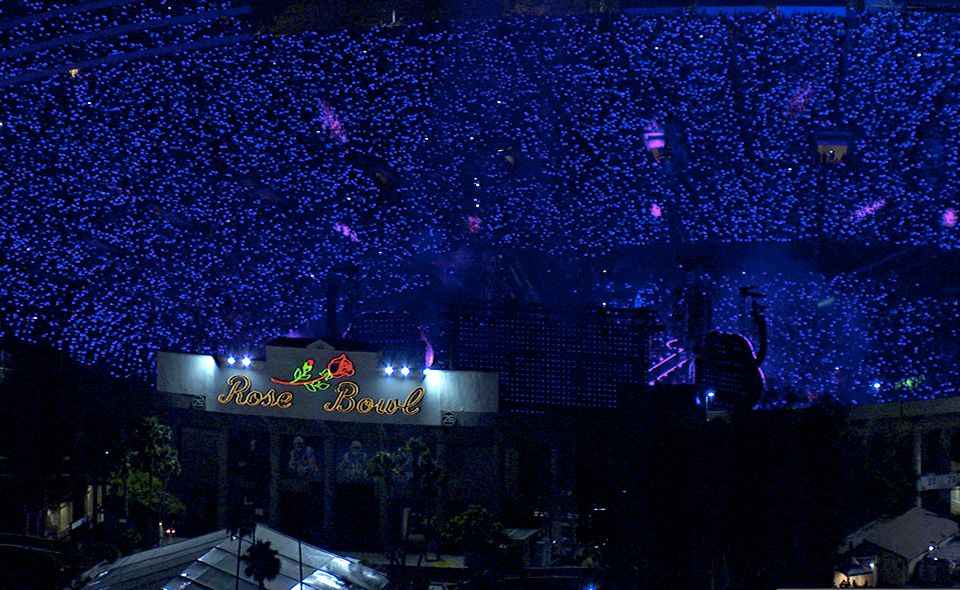
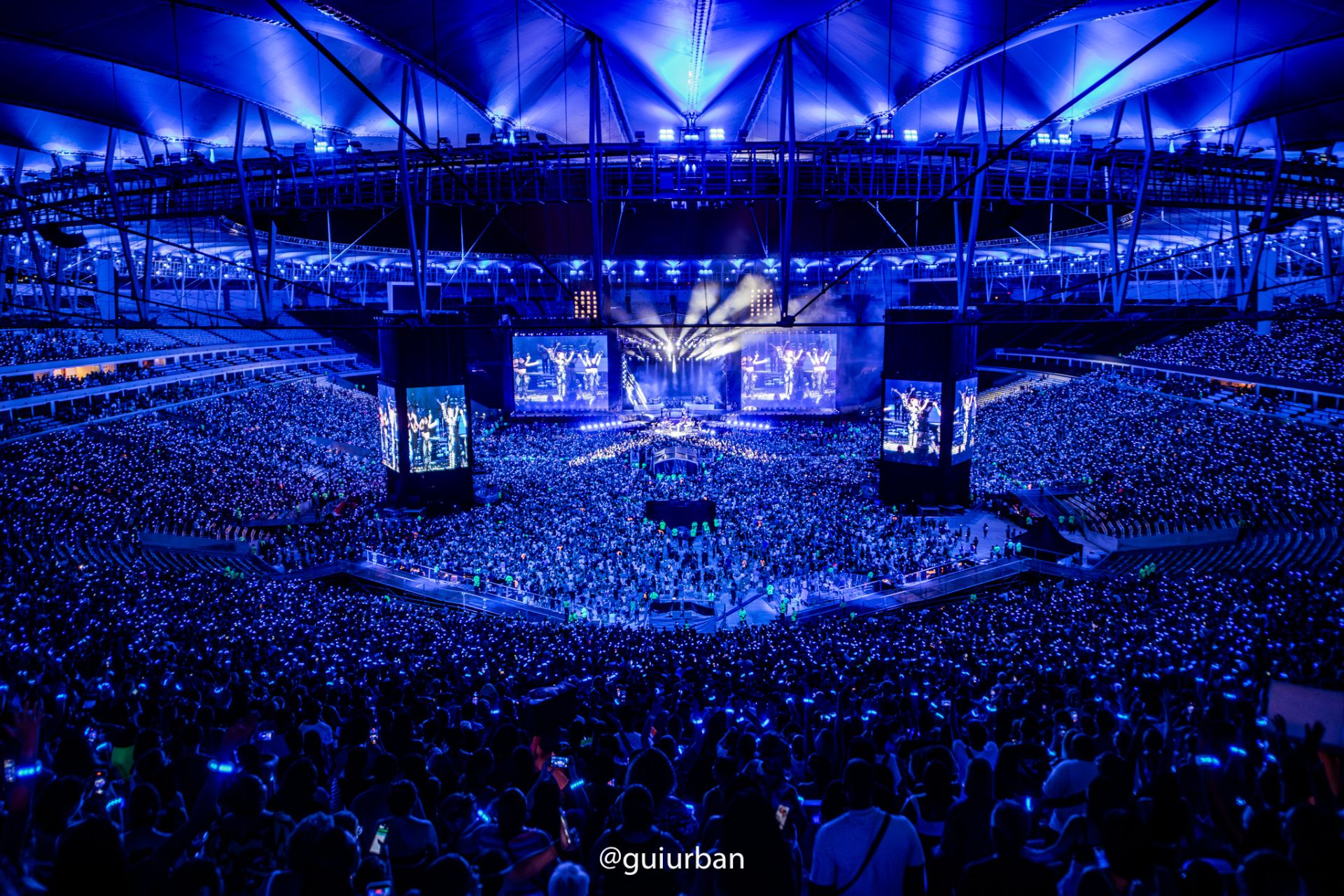
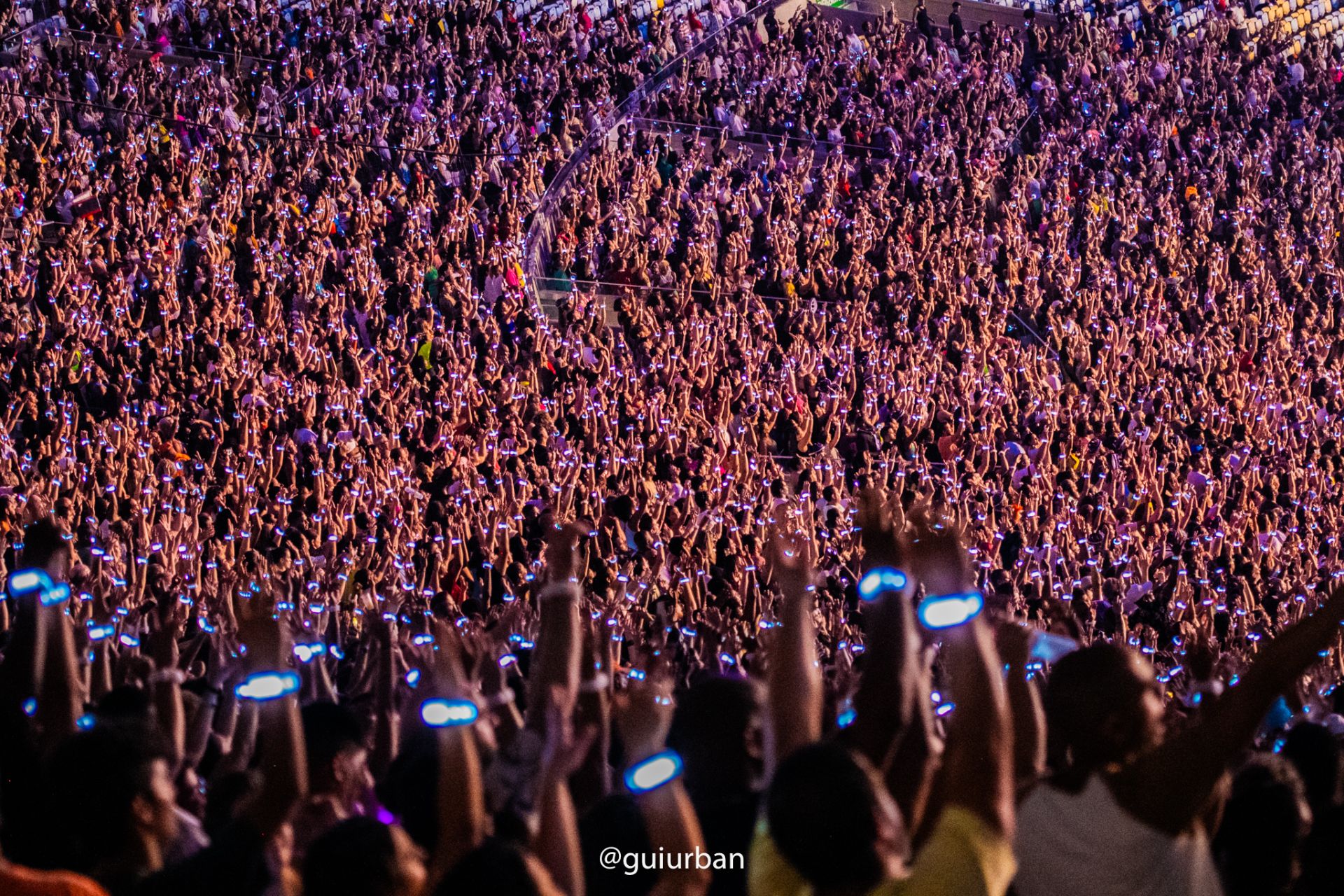
In the world of live events, technology is the silent partner to spectacle. It’s the unseen architecture that supports the artist’s vision and turns a performance into a multi-sensory, collective experience. While the audience sees the seamless execution—the perfectly synchronised flash of 50,000 LED Bracelets during a stadium show encore—they don’t see the years of iteration, the failed prototypes, the relentless refinement of software, hardware, and radio-frequency protocols. This is the unseen engine of innovation, and it’s where the future of immersive events is forged.
From the Garage to the Global Stage
The journey from a single concept to a global standard in LED crowd experiences is not accidental. It’s a deliberate process of constant questioning and reinvention. The first Xylobands, debuted on the Mylo Xyloto tour, were revolutionary. But they were also just the beginning. The demands of the industry—and our own ambition—required us to do more.
How do we increase battery life for longer shows? How can we expand the radio-frequency range for massive stadium deployments like the Davis Cup or a Wizkid concert at The O2? How do we create custom form factors, like the LED Lanyards for Formula One’s 75th-anniversary celebration, that integrate brand identity directly into the technology?
"Innovation in our world isn't about a single eureka moment. It’s a thousand small, persistent steps forward, driven by the needs of our clients and the creative ambitions of artists. Every event is a new R&D opportunity."
This commitment to evolution has led to a diverse ecosystem of wearable LED technology. From our classic concert wristbands to advanced products with multi-zone control and pixel mapping capabilities, each new product is an answer to a new challenge. This is how you move from a singular product to a comprehensive platform for LED event technology.
The Three Pillars of Live-Event R&D
A thriving R&D culture in the high-stakes environment of live production rests on three core pillars: technical capability, creative application, and logistical mastery.
1. Technical Capability: The Art of the Possible
This is the foundation. It’s about pushing the physical and digital boundaries of the technology itself. Our engineers are constantly exploring new LED efficiencies, more robust RF transmitters, and more sophisticated software for programming light shows. This involves:
- Signal Integrity: Ensuring that in a stadium filled with 80,000 people, every single one of our radio controlled LED wristbands receives its cue instantly and flawlessly, battling immense signal interference.
- Hardware Miniaturization: Developing smaller, lighter, and more power-efficient components, allowing for more creative and comfortable form factors like our LED Orbs and pendants.
- Software and Control: Building intuitive, powerful control systems that allow show designers to paint with light on a canvas of thousands, integrating seamlessly with existing lighting desks and production workflows.
2. Creative Application: The Art of the Unforgettable
Technology without artistry is just hardware. The most critical part of our R&D process happens in collaboration with the world’s leading creatives—the tour managers for artists like Maluma, the producers behind broadcast events like Beat The Chasers UK, and the brand marketers orchestrating major corporate event activations. We don’t just ask, “What can the technology do?” We ask, “What do you want to make the audience feel?”
This dialogue transforms technical features into emotional moments. It turns a simple colour change into a wave of escalating excitement during a festival drop. It allows a brand like Audi or Samsung to create a shared moment of identity among thousands of attendees. This is what turns a simple gathering into one of the truly immersive event technology showcases.
3. Logistical Mastery: The Art of the Deliverable
The greatest invention is useless if it can’t be deployed reliably, at scale, anywhere in the world. R&D in logistics means refining every step of the process, from manufacturing and shipping to on-site distribution and post-event recycling. It’s about designing packaging that allows for rapid deployment at festival wristbands gates or creating systems for seating-plan-specific placement, as seen at the Formula One 75th anniversary.
This operational excellence is a core part of our innovation strategy. A flawless technical rollout is the final, critical step in bringing an R&D cycle to life. It’s the promise we make to every client, whether it’s a global tour or an intimate corporate launch.
The Perpetual Cycle of Innovation
The live events industry doesn’t stand still. Audience expectations grow, creative visions become more ambitious, and the need for connection becomes more profound. A culture of perpetual R&D isn’t just a department; it’s a mindset. It’s the commitment to see every event not just as a performance, but as a laboratory.
The feedback from a single show—data on battery performance, notes from the lighting director, social media reactions from the audience—becomes the fuel for the next generation of LED experiences. It’s a cycle of listening, experimenting, and improving that ensures the spectacle of today is merely the prototype for the spectacle of tomorrow. That is the unseen engine, and it never stops running.